Naeem Muhammad, Manzoor Saba, Abid Mashhud-Ul-Hasan, Tareen Muhammad Burhan Khan, Asad Mirza, Mushtaq Sajida, Ehsan Nazia, Amna Dua, Xu Baojun, Hazafa Abu
College of Life Science, Hebei Normal University, Shijiazhuang 050025, China.
Department of Zoology, University of Sialkot, Sialkot 51310, Pakistan.
J Fungi (Basel). 2022 Jan 24;8(2):109. doi: 10.3390/jof8020109.
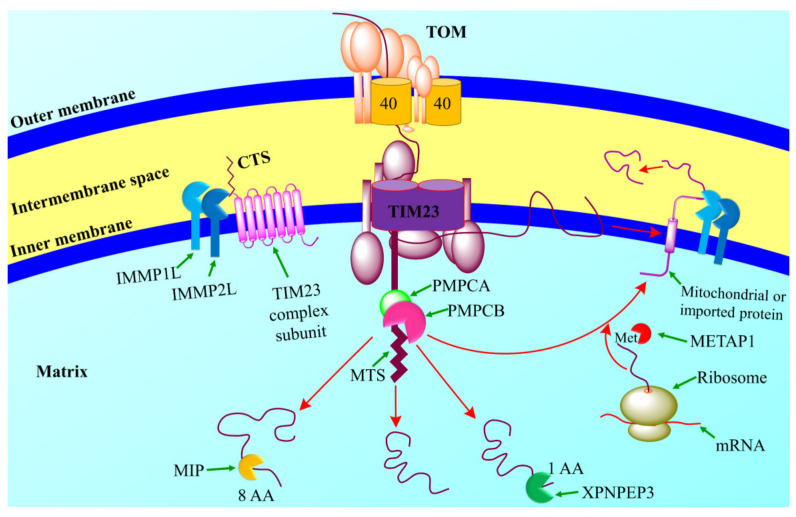
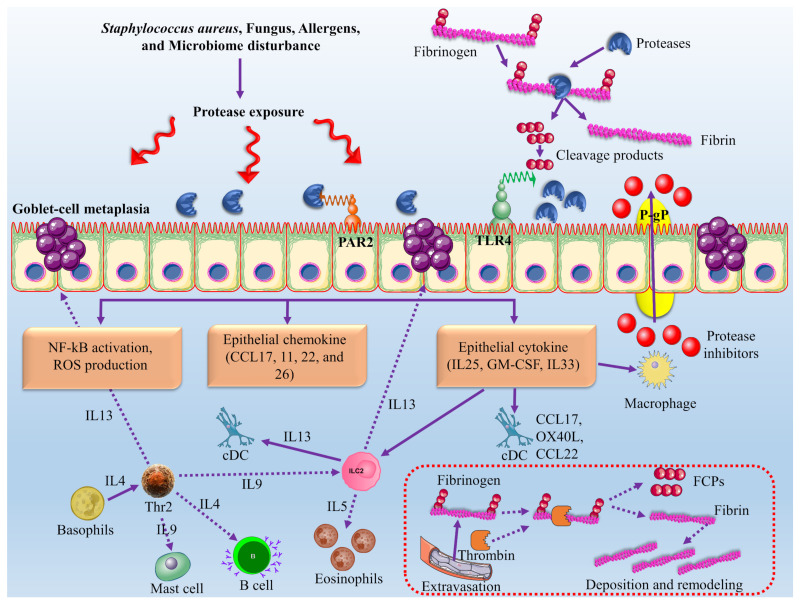
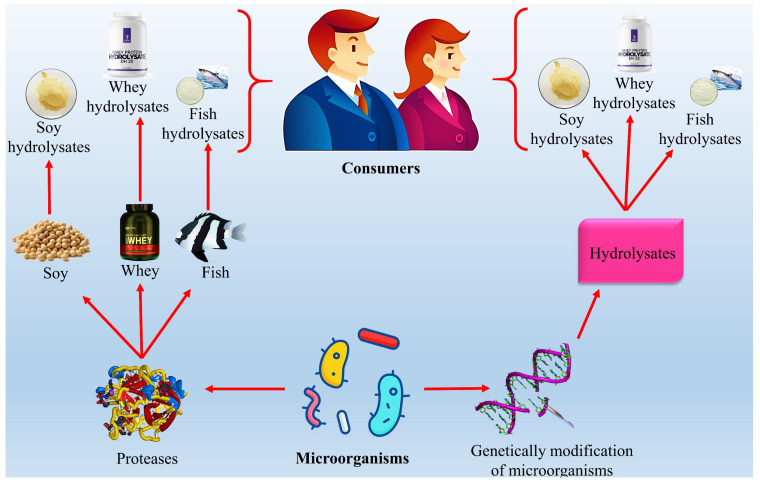
With the increasing world population, demand for industrialization has also increased to fulfill humans' living standards. Fungi are considered a source of essential constituents to produce the biocatalytic enzymes, including amylases, proteases, lipases, and cellulases that contain broad-spectrum industrial and emerging applications. The present review discussed the origin, nature, mechanism of action, emerging aspects of genetic engineering for designing novel proteases, genome editing of fungal strains through CRISPR technology, present challenges and future recommendations of fungal proteases. The emerging evidence revealed that fungal proteases show a protective role to many environmental exposures and discovered that an imbalance of protease inhibitors and proteases in the epithelial barriers leads to the protection of chronic eosinophilic airway inflammation. Moreover, mitoproteases recently were found to execute intense proteolytic processes that are crucial for mitochondrial integrity and homeostasis function, including mitochondrial biogenesis, protein synthesis, and apoptosis. The emerging evidence revealed that CRISPR/Cas9 technology had been successfully developed in various filamentous fungi and higher fungi for editing of specific genes. In addition to medical importance, fungal proteases are extensively used in different industries such as foods to prepare butter, fruits, juices, and cheese, and to increase their shelf life. It is concluded that hydrolysis of proteins in industries is one of the most significant applications of fungal enzymes that led to massive usage of proteomics.
随着世界人口的增加,对工业化的需求也随之增长,以满足人类的生活水平。真菌被认为是生产生物催化酶的重要成分来源,这些酶包括淀粉酶、蛋白酶、脂肪酶和纤维素酶,具有广泛的工业应用和新兴应用。本综述讨论了真菌蛋白酶的起源、性质、作用机制、设计新型蛋白酶的基因工程新进展、通过CRISPR技术对真菌菌株进行基因组编辑、当前面临的挑战以及未来的建议。新出现的证据表明,真菌蛋白酶对许多环境暴露具有保护作用,并且发现上皮屏障中蛋白酶抑制剂和蛋白酶的失衡会导致慢性嗜酸性气道炎症的发生。此外,最近发现线粒体蛋白酶执行强烈的蛋白水解过程,这对线粒体的完整性和稳态功能至关重要,包括线粒体生物发生、蛋白质合成和细胞凋亡。新出现的证据表明,CRISPR/Cas9技术已在各种丝状真菌和高等真菌中成功开发,用于特定基因的编辑。除了医学重要性外,真菌蛋白酶还广泛应用于不同行业,如食品工业中用于制备黄油、水果、果汁和奶酪,并延长其保质期。得出的结论是,工业中蛋白质的水解是真菌酶最重要的应用之一,这导致了蛋白质组学的大量使用。