"Carol Davila" University of Medicine and Pharmacy, 050474 Bucharest, Romania.
Department of Obstetrics and Gynecology, Elias University Hospital, 011461 Bucharest, Romania.
Medicina (Kaunas). 2022 Feb 21;58(2):326. doi: 10.3390/medicina58020326.
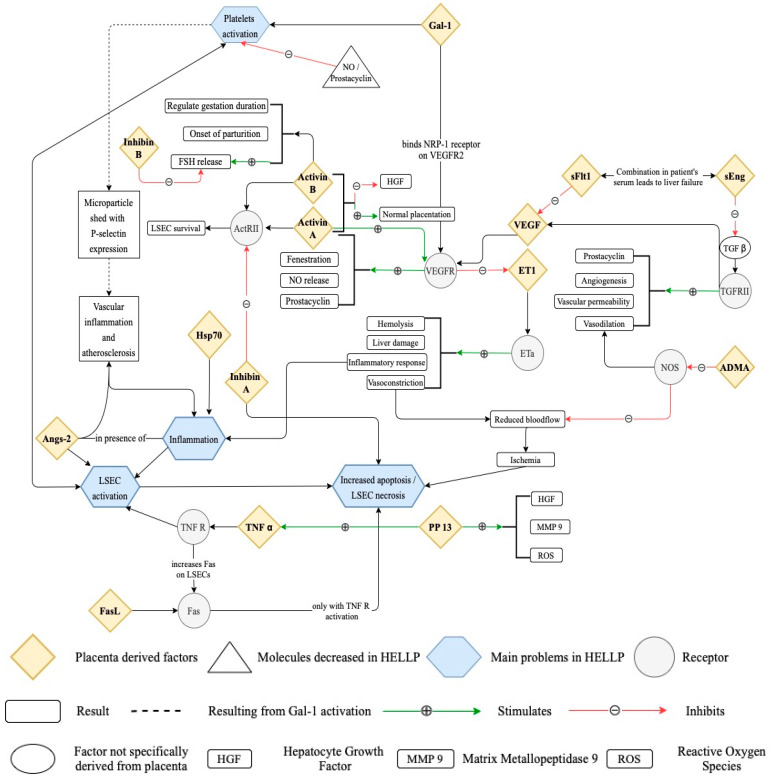
HELLP syndrome, also known as the syndrome of hemolysis, elevated liver enzymes, and low platelets, represents a severe pregnancy complication typically associated with hypertension. It is associated with increased risks of adverse complications for both mother and fetus. HELLP occurs in 0.2-0.8% of pregnancies, and, in 70-80% of cases, it coexists with preeclampsia (PE). Both of these conditions show a familial tendency. A woman with a history of HELLP pregnancy is at high risk for developing this entity in subsequent pregnancies. We cannot nominate a single worldwide genetic cause for the increased risk of HELLP. Combinations of multiple gene variants, each with a moderate risk, with concurrent maternal and environmental factors are thought to be the etiological mechanisms. This review highlights the significant role of understanding the underlying pathophysiological mechanism of HELLP syndrome. A better knowledge of the disease's course supports early detection, an accurate diagnosis, and proper management of this life-threatening condition.
HELLP 综合征,又称溶血、肝酶升高和血小板减少综合征,是一种严重的妊娠并发症,通常与高血压有关。它与母亲和胎儿发生不良并发症的风险增加有关。HELLP 综合征在妊娠中的发生率为 0.2-0.8%,在 70-80%的情况下,它与子痫前期(PE)并存。这两种情况都有家族倾向。有 HELLP 妊娠史的妇女在随后的妊娠中发生这种疾病的风险很高。我们不能指定一个单一的全球遗传原因来增加 HELLP 的风险。多个基因变异的组合,每个基因变异的风险都适中,再加上母体和环境因素,被认为是发病机制。这篇综述强调了理解 HELLP 综合征潜在病理生理机制的重要作用。更好地了解疾病的病程有助于早期发现、准确诊断和妥善处理这种危及生命的疾病。