Liu Xiayan, Shi Yu, Kong Lingyu, Tong Lihong, Cao Haoxuan, Zhou Hu, Lv Yizhong
Department of Soil and Water Sciences, College of Land Science and Technology, China Agricultural University, Beijing 100193, China.
State Key Laboratory of Crop Stress Adaptation and Improvement, School of Life Sciences, Henan University, Kaifeng 475004, China.
Microorganisms. 2022 Feb 17;10(2):462. doi: 10.3390/microorganisms10020462.
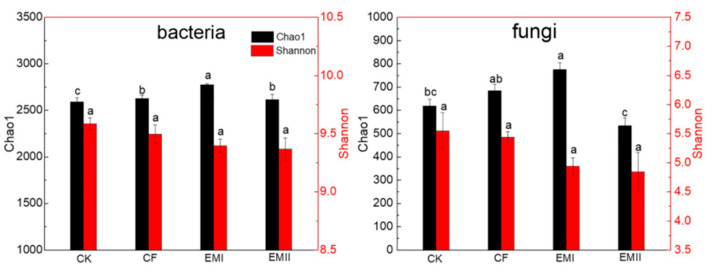
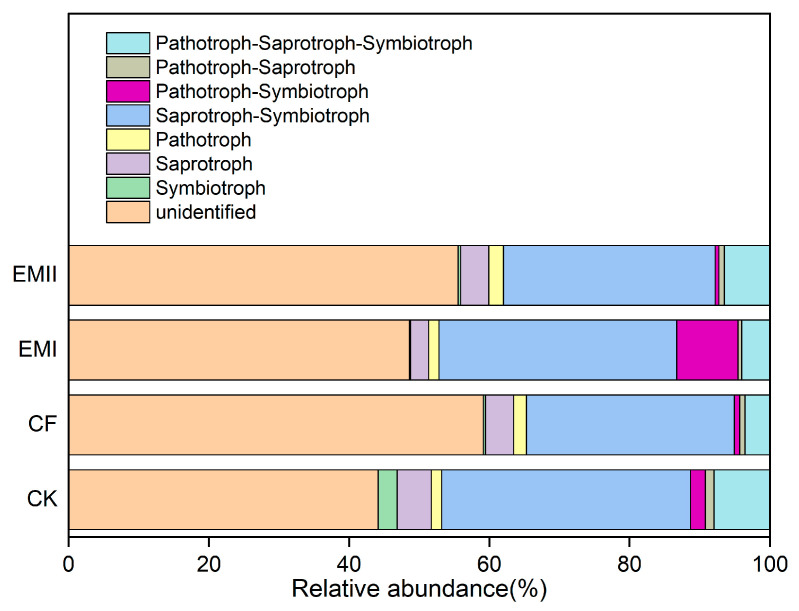
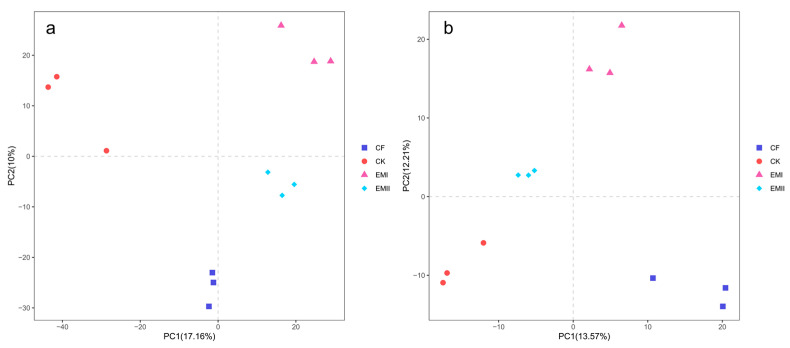
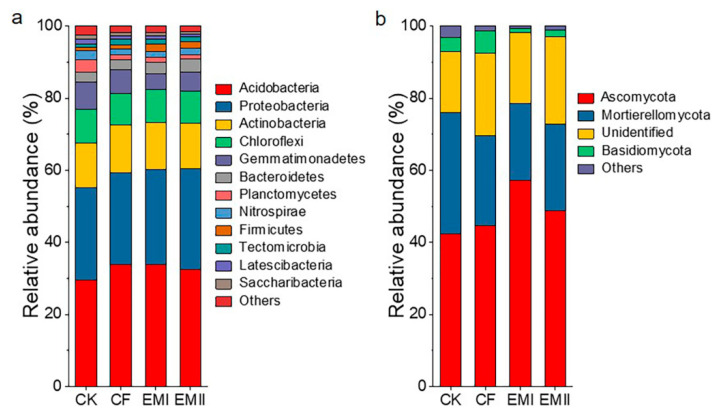
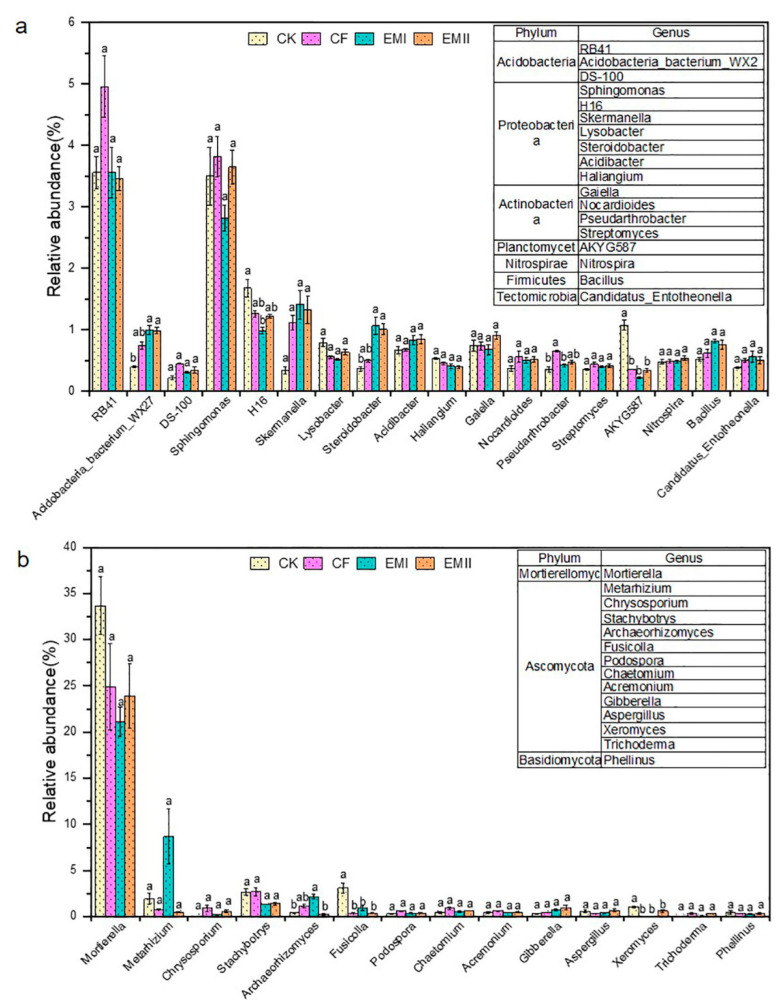
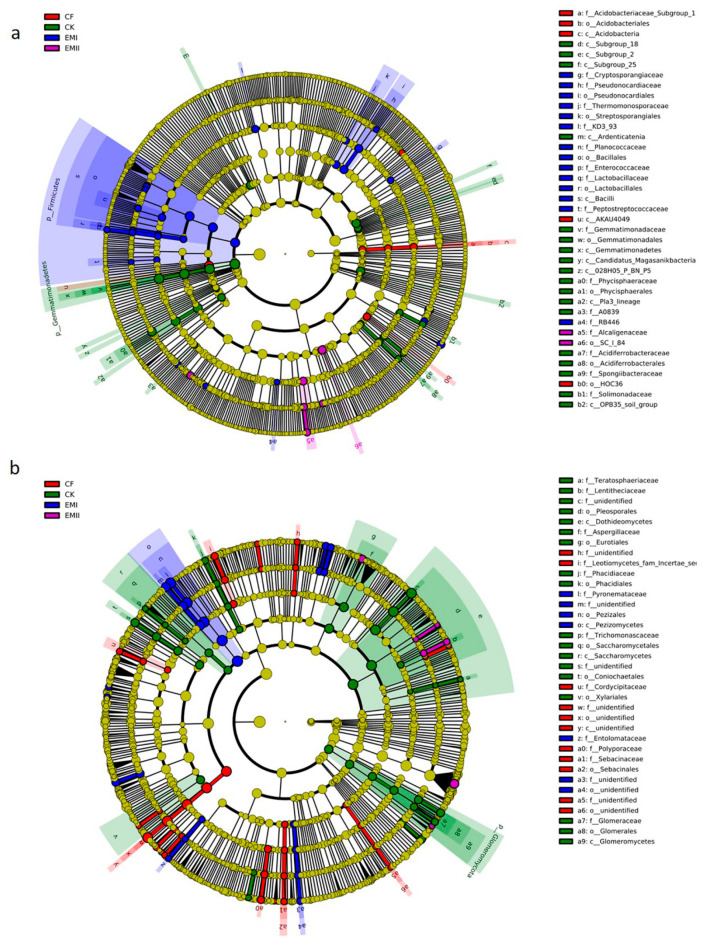
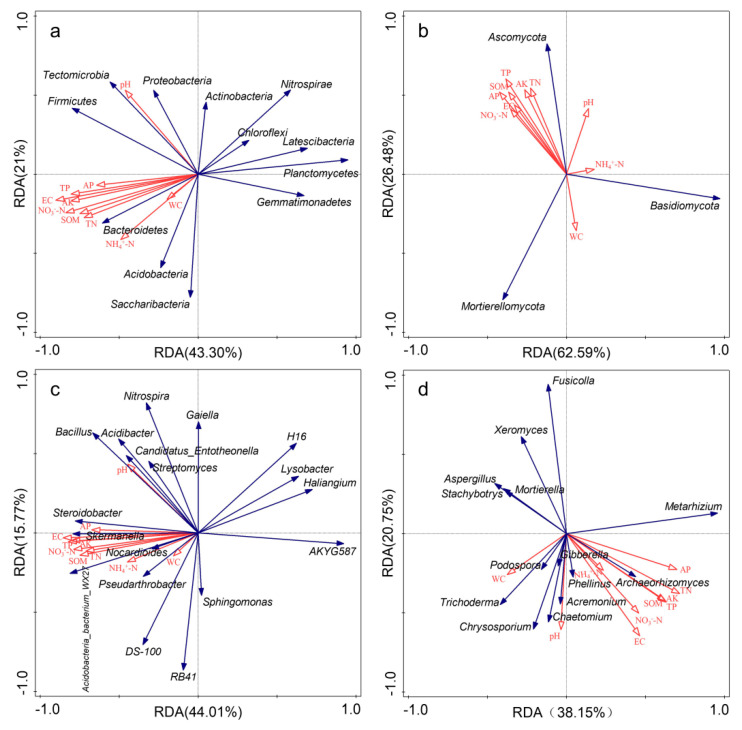
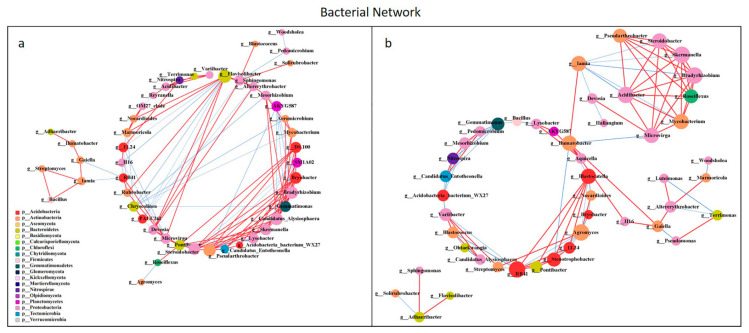
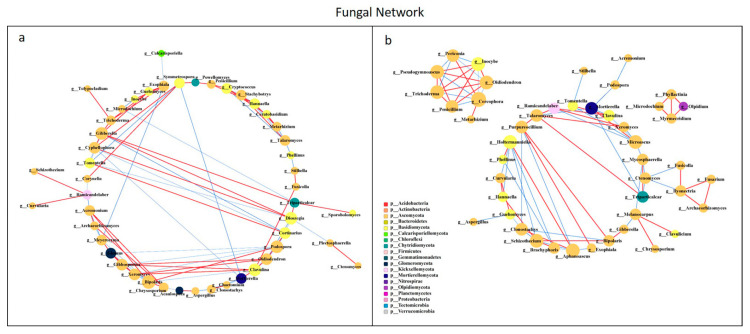
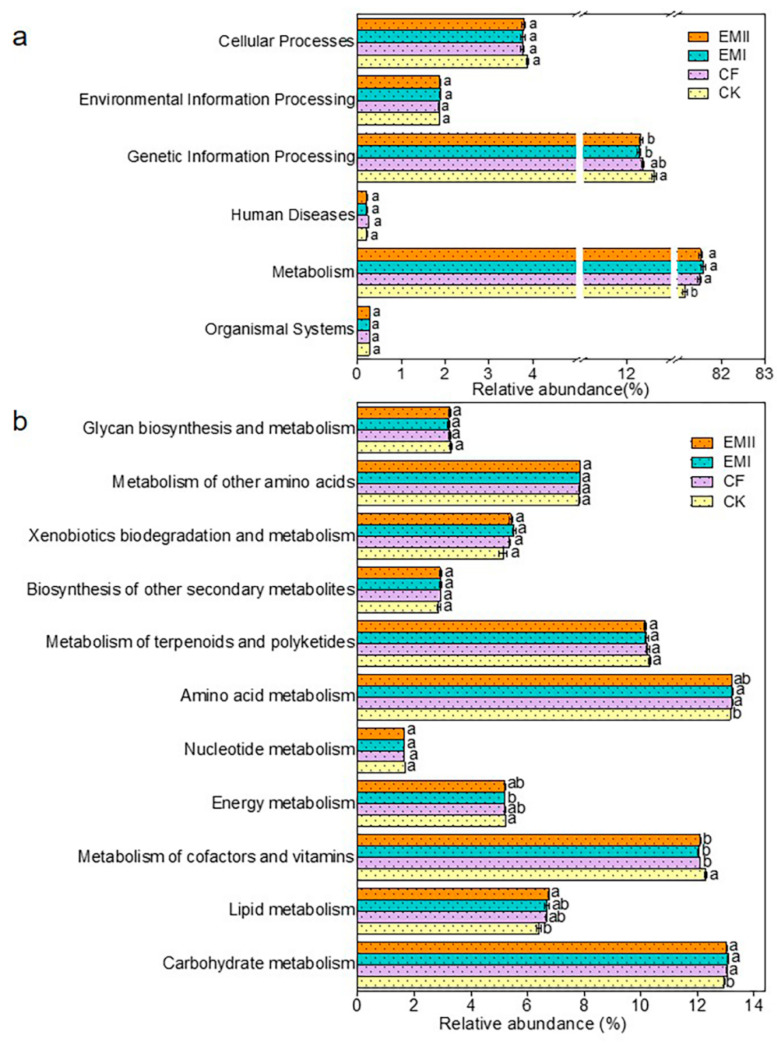
The influence of bio-compost on the diversity, composition and structure of soil microbial communities is less understood. Here, Illumina MiSeq sequencing and a network analysis were used to comprehensively characterize the effects of 25 years of bio-compost application on the microbial diversity of soil and community composition. High dosages of bio-compost significantly increased the bacterial and fungal richness. The compositions of bacterial and fungal communities were significantly altered by bio-compost addition. Bio-compost addition enriched the relative abundance of beneficial microorganisms (such as , , , etc.) and reduced the relative abundance of harmful microorganisms (such as and ). Electrical conductivity, soil organic matter and total phosphorus were the key factors in shaping soil microbial community composition. The bacterial network was more complex than fungal network, and bacteria were more sensitive to changes in environmental factors than fungi. Positive interactions dominated both the bacterial and fungal networks, with stronger positive interactions found in the bacterial network. Functional prediction suggested that bio-composts altered the soil bacterial-community metabolic function with respect to carbon, nitrogen and phosphorus cycles and fungal community trophic modes. In conclusion, suitable bio-compost addition is beneficial to the improvement of soil health and crop quality and therefore the sustainability of agriculture.
生物堆肥对土壤微生物群落的多样性、组成和结构的影响尚不清楚。在此,利用Illumina MiSeq测序和网络分析全面表征了25年生物堆肥施用对土壤微生物多样性和群落组成的影响。高剂量生物堆肥显著增加了细菌和真菌的丰富度。添加生物堆肥显著改变了细菌和真菌群落的组成。添加生物堆肥增加了有益微生物(如 、 、 等)的相对丰度,降低了有害微生物(如 和 )的相对丰度。电导率、土壤有机质和总磷是塑造土壤微生物群落组成的关键因素。细菌网络比真菌网络更复杂,并且细菌比真菌对环境因素变化更敏感。正相互作用在细菌和真菌网络中均占主导地位,在细菌网络中发现更强的正相互作用。功能预测表明,生物堆肥改变了土壤细菌群落关于碳、氮和磷循环的代谢功能以及真菌群落的营养模式。总之,添加合适的生物堆肥有利于改善土壤健康和作物品质,从而有利于农业的可持续性。