Department of Medical Parasitology and Infection Biology, Swiss Tropical and Public Health Institute, Allschwil, Switzerland.
University of Basel, Basel, Switzerland.
Front Cell Infect Microbiol. 2022 Feb 11;12:802341. doi: 10.3389/fcimb.2022.802341. eCollection 2022.
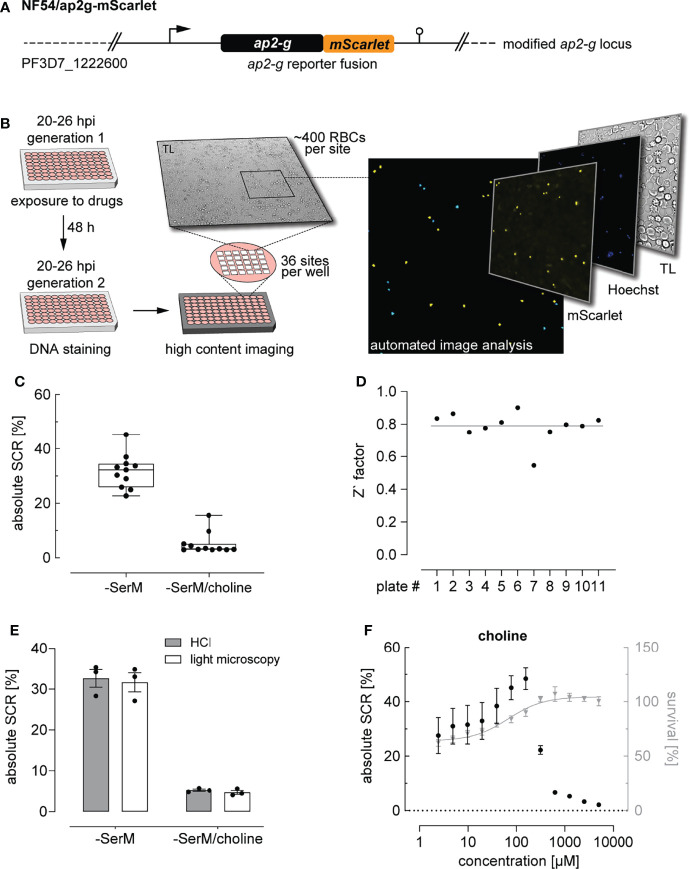
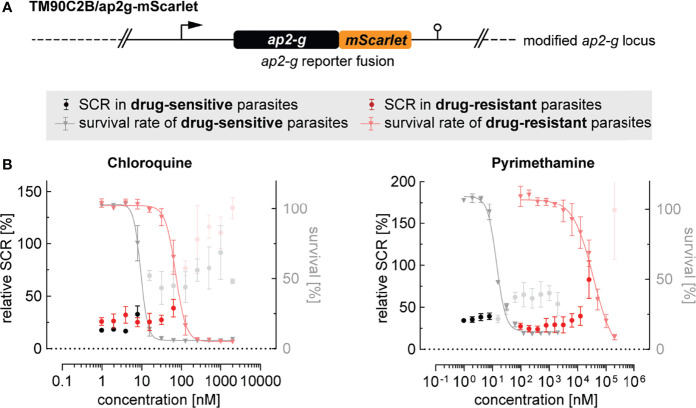
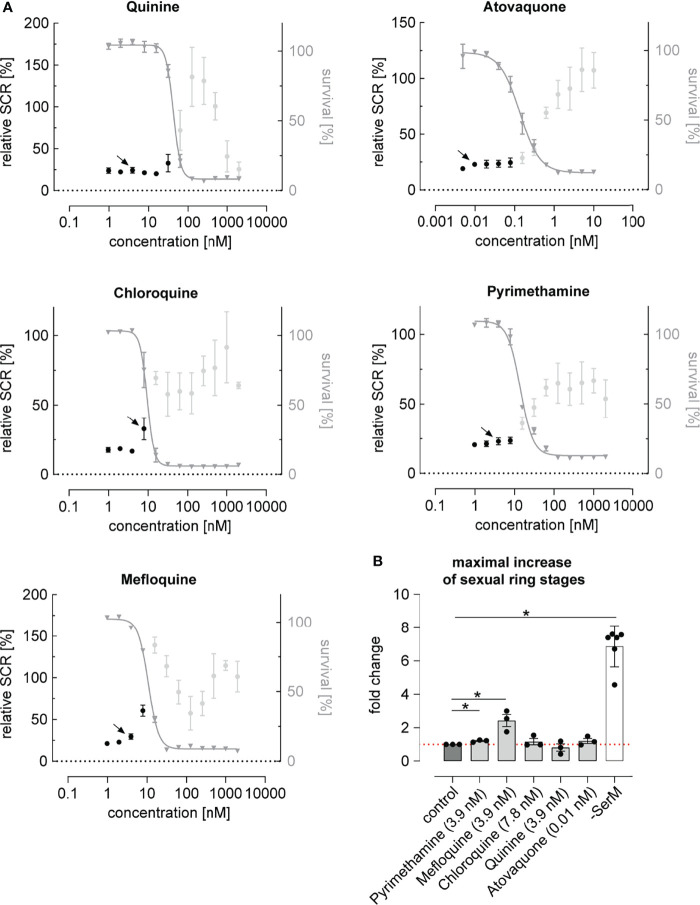
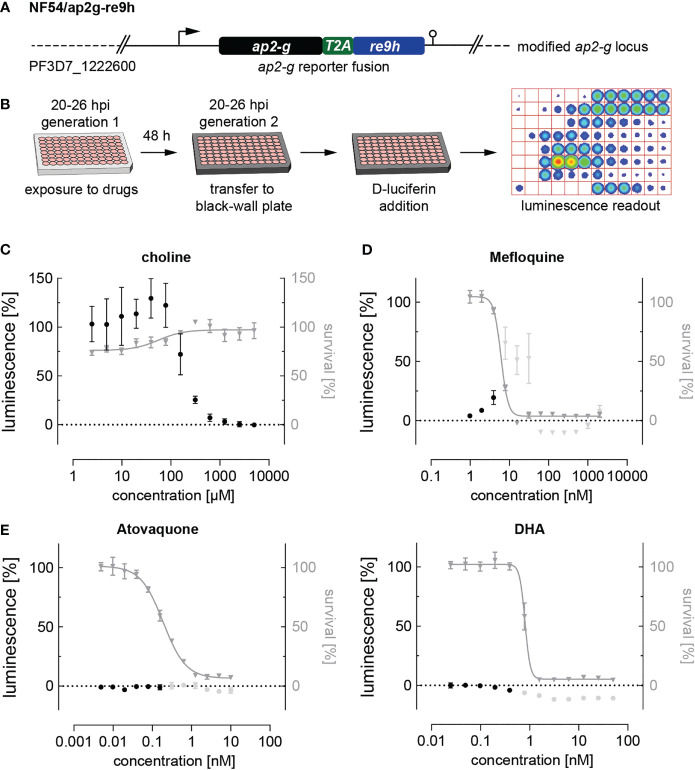
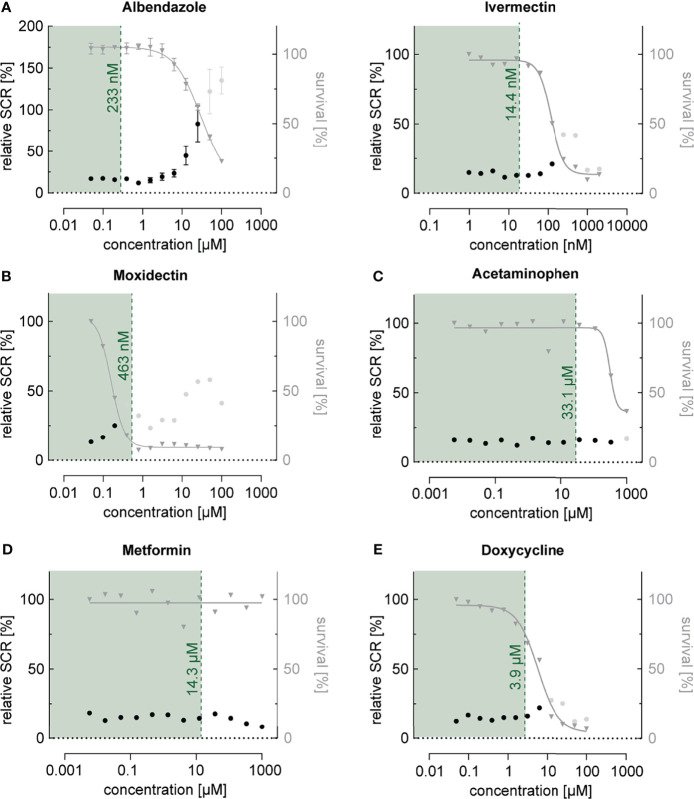
Malaria parasites rely on specialized stages, called gametocytes, to ensure human-to-human transmission. The formation of these sexual precursor cells is initiated by commitment of blood stage parasites to the sexual differentiation pathway. , the most virulent of six parasite species infecting humans, employs nutrient sensing to control the rate at which sexual commitment is initiated, and the presence of stress-inducing factors, including antimalarial drugs, has been linked to increased gametocyte production and . These observations suggest that therapeutic interventions may promote gametocytogenesis and malaria transmission. Here, we engineered a reporter line to quantify sexual commitment rates after exposure to antimalarials and other pharmaceuticals commonly prescribed in malaria-endemic regions. Our data reveal that some of the tested drugs indeed have the capacity to elevate sexual commitment rates . Importantly, however, these effects are only observed at drug concentrations that inhibit parasite survival and only rarely result in a net increase of gametocyte production. Using a drug-resistant parasite reporter line, we further show that the gametocytogenesis-promoting effect of drugs is linked to general stress responses rather than to compound-specific activities. Altogether, we did not observe evidence for mechanistic links between the regulation of sexual commitment and the activity of commonly used pharmaceuticals . Our data hence does not support scenarios in which currently applied therapeutic interventions would promote the spread of drug-resistant parasites or malaria transmission in general.
疟原虫依赖专门的阶段,称为配子体,以确保人与人之间的传播。这些性前体细胞的形成是由血液阶段寄生虫向性分化途径的承诺启动的。 ,感染人类的六种寄生虫中最致命的一种,利用营养感应来控制性承诺启动的速度,应激诱导因素的存在,包括抗疟药物,与配子体产生增加有关 和 。这些观察结果表明,治疗干预可能会促进配子体发生和疟疾传播。在这里,我们构建了一个 报告基因系,以量化暴露于抗疟药和其他在疟疾流行地区常用药物后的性承诺率。我们的数据表明,一些测试药物确实有能力提高性承诺率 。然而,重要的是,这些影响仅在抑制寄生虫存活的药物浓度下观察到,并且仅在极少数情况下导致配子体产生的净增加。使用抗药性寄生虫报告基因系,我们进一步表明,药物的配子体发生促进作用与一般应激反应有关,而不是与化合物特异性活性有关。总的来说,我们没有观察到性承诺的调节与常用药物活性之间存在机制联系的证据 。因此,我们的数据不支持目前应用的治疗干预措施会促进耐药寄生虫传播或一般疟疾传播的情况。