Department of Microbiology, Faculty of Pharmacy, The British University in Egypt, Cairo, Egypt.
Microbiology and Immunology Department, Faculty of Pharmacy, Ain Shams University, African Union Organization St., Abbassia, Cairo, 11566, Egypt.
Sci Rep. 2022 Mar 9;12(1):3869. doi: 10.1038/s41598-022-07831-y.
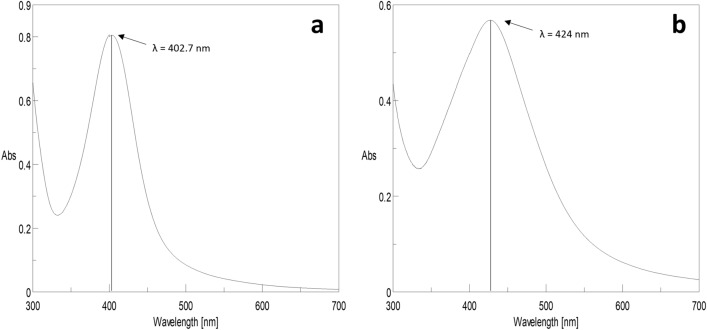
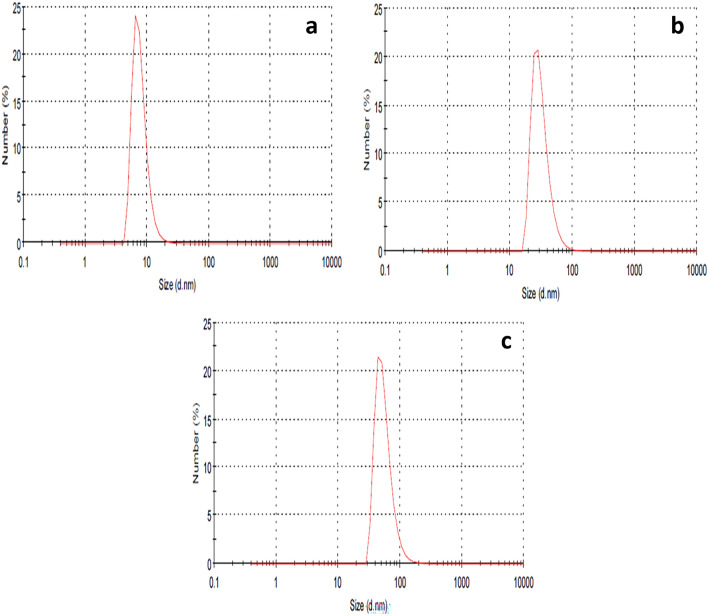
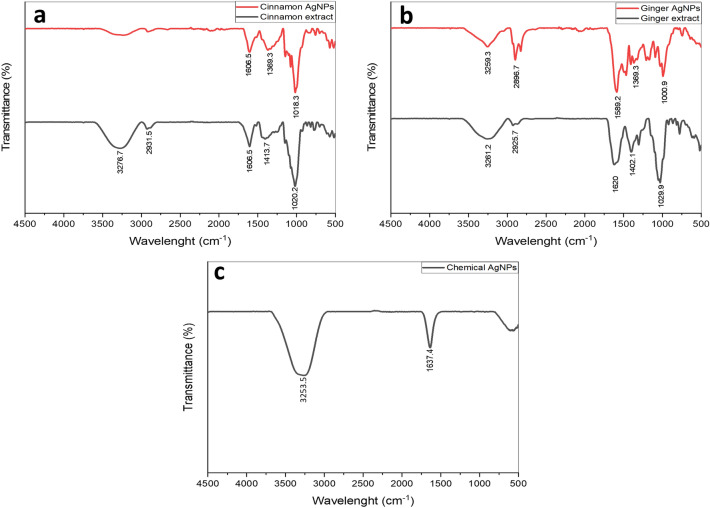
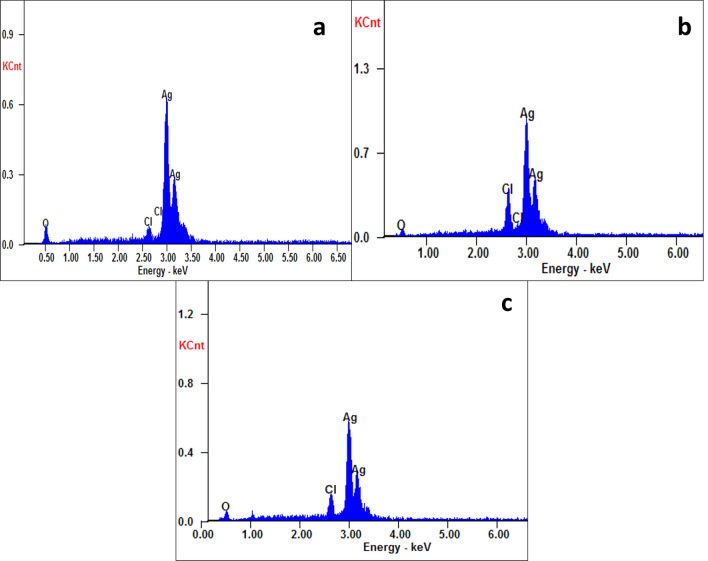
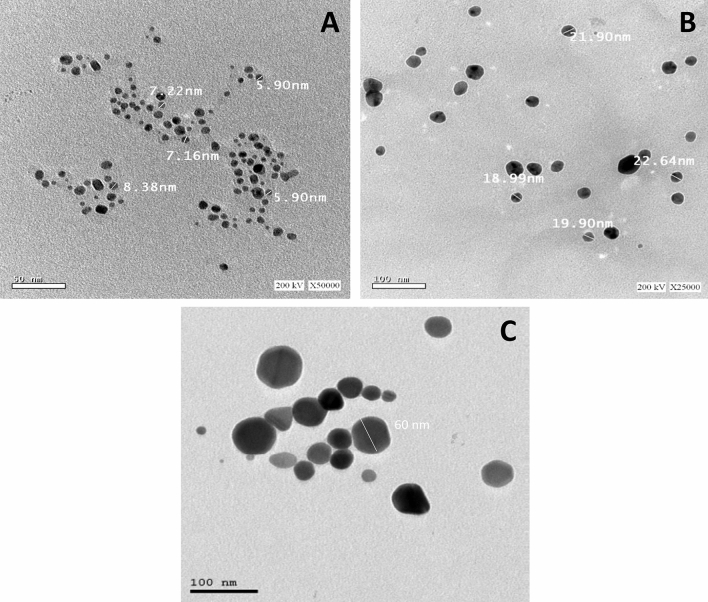
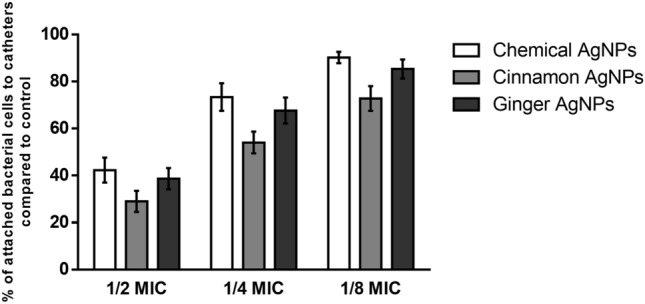
Biofilm-formed enterococcal urinary tract clinical isolates (n = 92) were used for studying the antibiofilm activity of cinnamon, ginger, and chemical AgNPs. The average particle sizes of cinnamon, ginger, and chemical AgNPs were 8.7, 41.98, and 55.7 nm, respectively. The results of Fourier transform infrared analysis revealed that phytocompounds, such as cinnamaldehyde and gingerol, were the main compounds incorporated in the synthesis of cinnamon and ginger AgNPs, respectively. The purity and crystalline nature of the AgNPs have been confirmed by energy dispersive X-ray and X-ray Diffraction analysis. The results of antimicrobial activity showed that MIC of ginger, cinnamon, and chemical AgNPs were 37.64, 725.7, and 61.08 μg/ml, respectively. On studying the antibiofilm activity of AgNPs at sub-MIC values (1/2, 1/4, and 1/8 MIC), the results revealed that it was concentration dependent. Therefore, further studies were carried out to evaluate the antibiofilm activity of AgNPs at a concentration of 18 μg/ml. The results showed that ginger and chemical AgNPs reduced the formed biofilm to 39.14% and 65.32% and the number of adherent cells on the urinary catheter surface to 42.73% and 69.84%, respectively, as compared to that of the control, while cinnamon AgNPs showed no significant activity. Accordingly, ginger AgNPs had the most potent antibacterial and antiadherent activity against biofilm-associated enterococcal isolates.
采用生物膜形成的肠球菌尿路感染临床分离株(n=92),研究肉桂、生姜和化学 AgNPs 的抗生物膜活性。肉桂、生姜和化学 AgNPs 的平均粒径分别为 8.7、41.98 和 55.7nm。傅里叶变换红外分析结果表明,肉桂和生姜 AgNPs 的合成中主要包含肉桂醛和姜辣素等植物化合物。通过能谱 X 射线和 X 射线衍射分析证实了 AgNPs 的纯度和结晶特性。抗菌活性结果表明,生姜、肉桂和化学 AgNPs 的 MIC 分别为 37.64、725.7 和 61.08μg/ml。在研究亚 MIC 值(1/2、1/4 和 1/8 MIC)下 AgNPs 的抗生物膜活性时,结果表明其活性呈浓度依赖性。因此,进一步研究了 18μg/ml 浓度下 AgNPs 的抗生物膜活性。结果表明,生姜和化学 AgNPs 将形成的生物膜减少到 39.14%和 65.32%,尿导管表面附着细胞的数量减少到 42.73%和 69.84%,与对照组相比,而肉桂 AgNPs 则没有表现出显著的活性。因此,生姜 AgNPs 对生物膜相关肠球菌分离株具有最强的抗菌和抗附着活性。