A Tsyb Medical Radiological Research Centre, Branch of the National Medical Research Radiological Centre of the Ministry of Health of the Russian Federation, 249036 Obninsk, Russia.
Institute for Nuclear Power Engineering, National Research Nuclear University Mephi Obninsk, 249039 Obninsk, Russia.
Int J Mol Sci. 2022 Feb 28;23(5):2703. doi: 10.3390/ijms23052703.
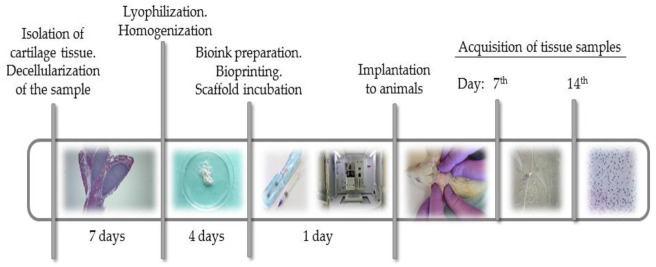
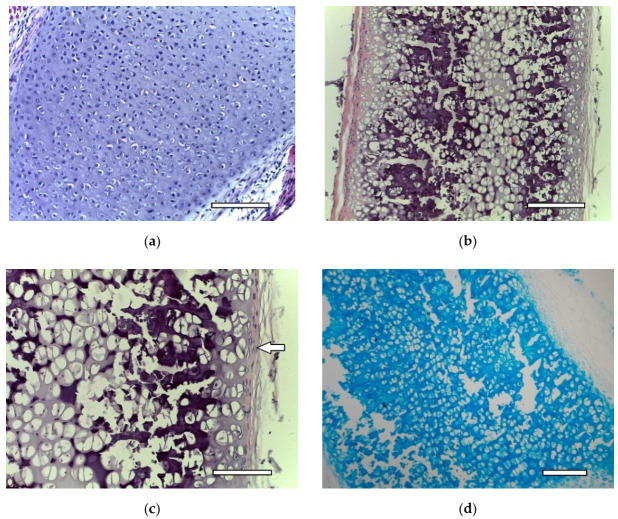
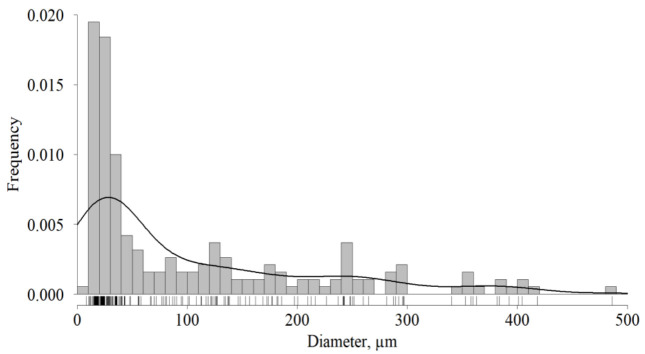
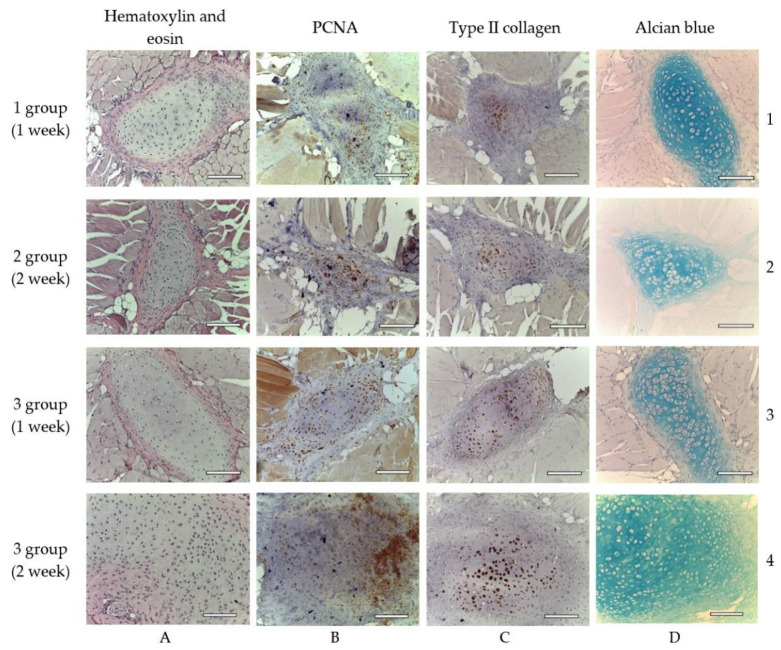
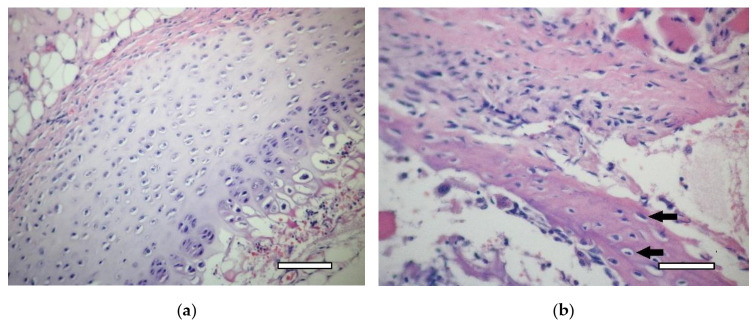
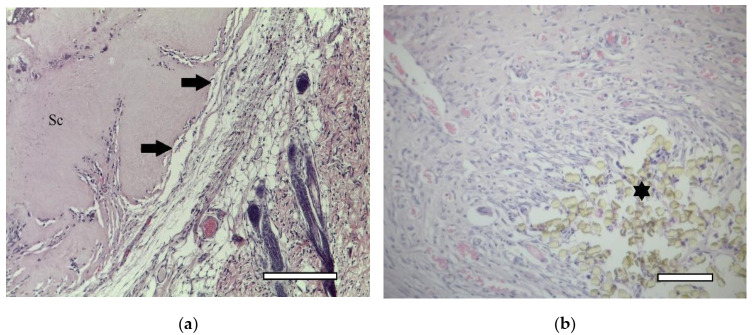
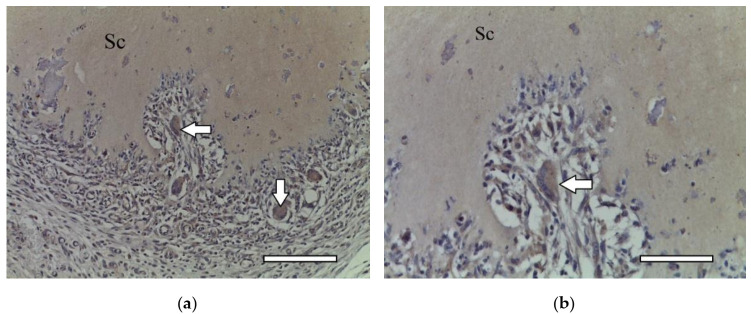
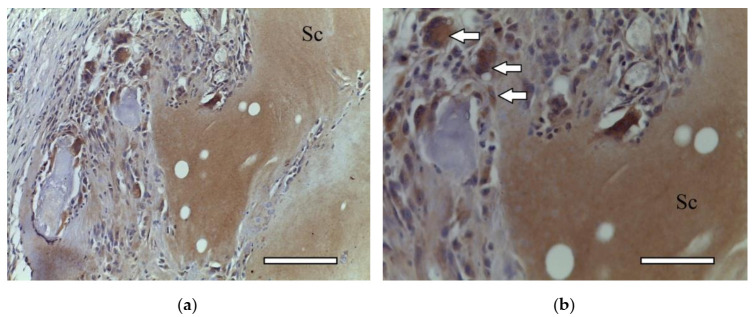
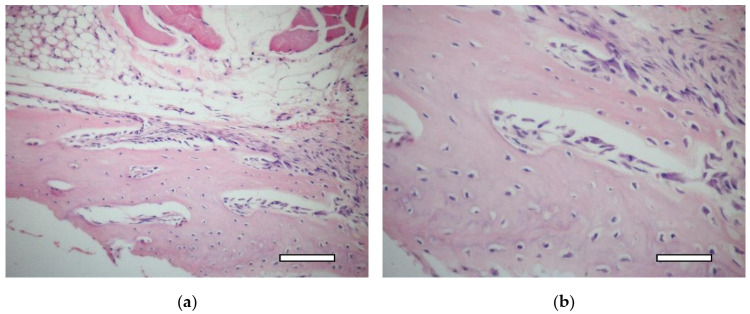
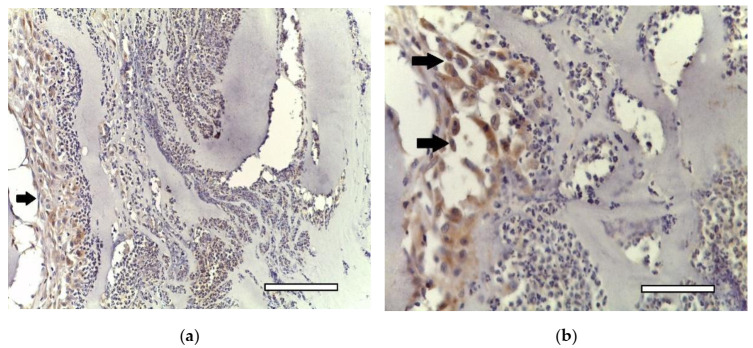
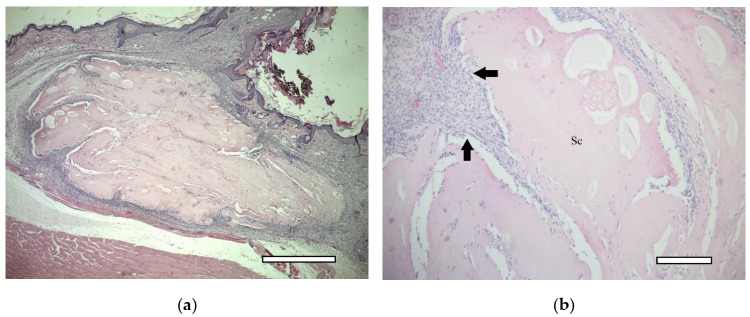
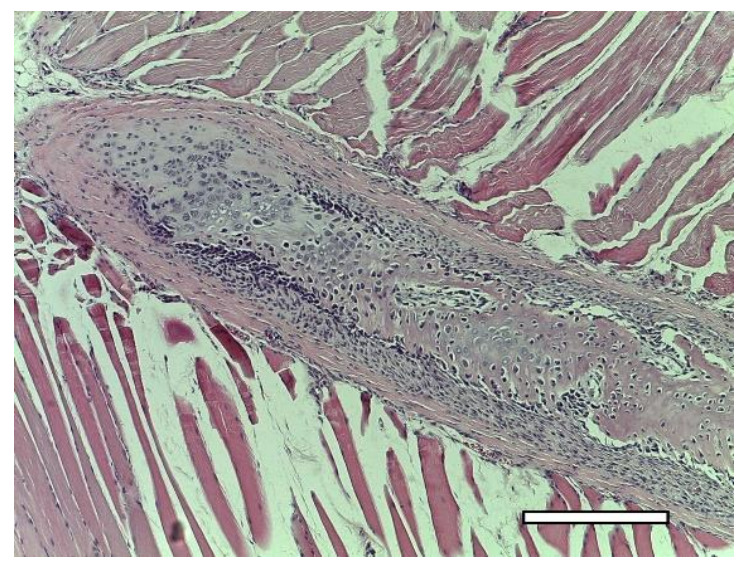
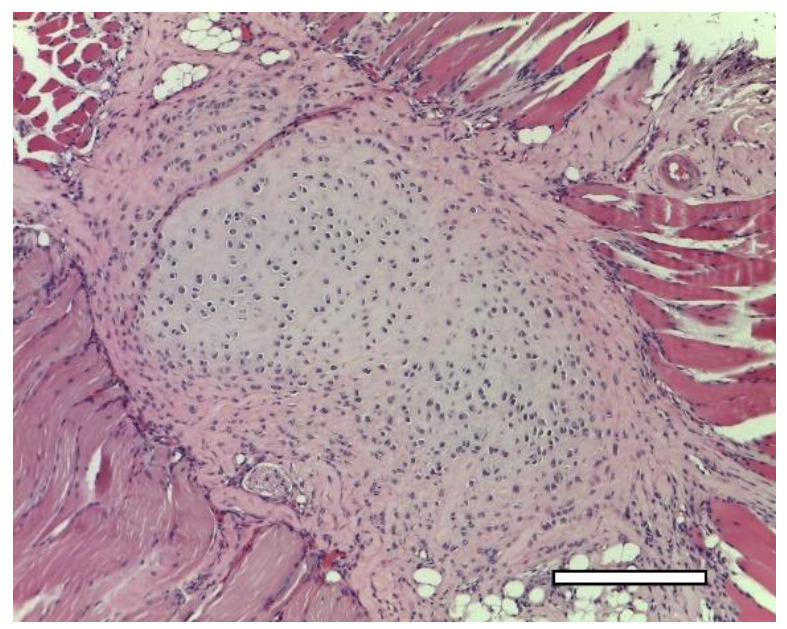
The aim of this study was to verify the applicability of high-concentration collagen-based bioink with MSC (ADSC) and decellularized ECM granules for the formation of cartilage tissue de novo after subcutaneous implantation of the scaffolds in rats. The printability of the bioink (4% collagen, 2.5% decellularized ECM granules, derived via 280 μm sieve) was shown. Three collagen-based compositions were studied: (1) with ECM; (2) with MSC; (3) with ECM and MSC. It has been established that decellularized ECM granules are able to stimulate chondrogenesis both in cell-free and MSC-laden scaffolds. Undesirable effects have been identified: bone formation as well as cartilage formation outside of the scaffold area. The key perspectives and limitations of ECM granules (powder) application have been discussed.
本研究旨在验证高浓度基于胶原蛋白的生物墨水与 MSC(ADSC)和脱细胞 ECM 颗粒联合用于支架皮下植入大鼠后新形成软骨组织的适用性。证明了生物墨水(4%胶原蛋白、2.5%脱细胞 ECM 颗粒,通过 280μm 筛网获得)的可打印性。研究了三种基于胶原蛋白的组合物:(1)含 ECM;(2)含 MSC;(3)含 ECM 和 MSC。已经证实,脱细胞 ECM 颗粒能够在无细胞和 MSC 负载的支架中刺激软骨生成。还发现了一些不良影响:在支架区域外形成骨和软骨。讨论了 ECM 颗粒(粉末)应用的关键观点和局限性。