Dotoli Matteo, Rocca Riccardo, Giuliano Mattia, Nicol Giovanna, Parussa Flavio, Baricco Marcello, Ferrari Anna Maria, Nervi Carlo, Sgroi Mauro Francesco
Centro Ricerche FIAT S.C.p.A., 10043 Orbassano, Italy.
Department of Chemistry and NIS-INSTM, University of Turin, 10125 Torino, Italy.
Sensors (Basel). 2022 Feb 24;22(5):1763. doi: 10.3390/s22051763.
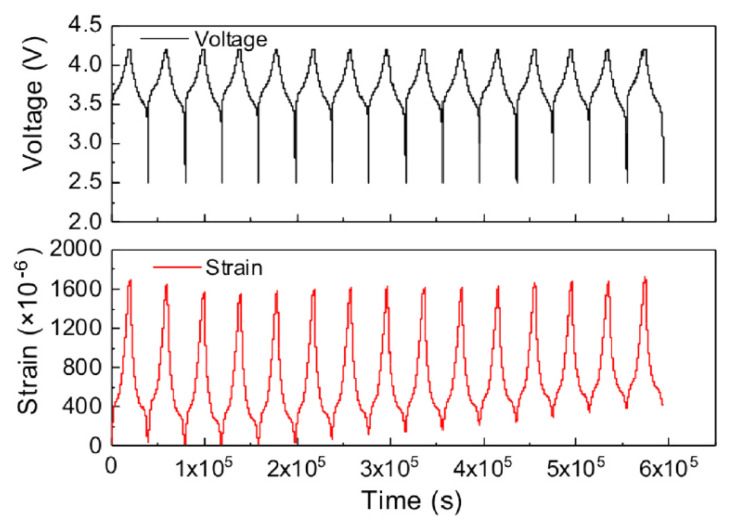
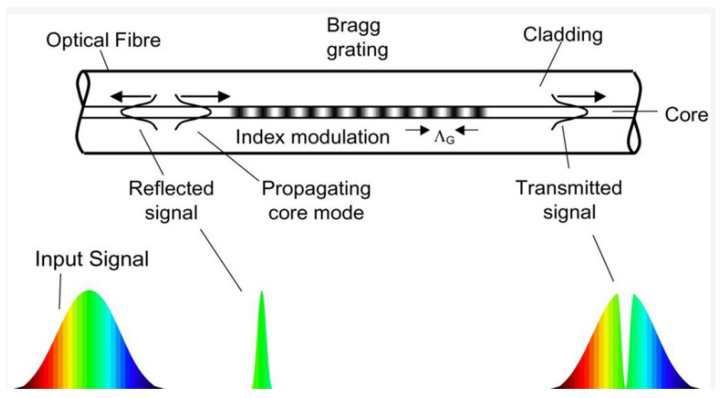
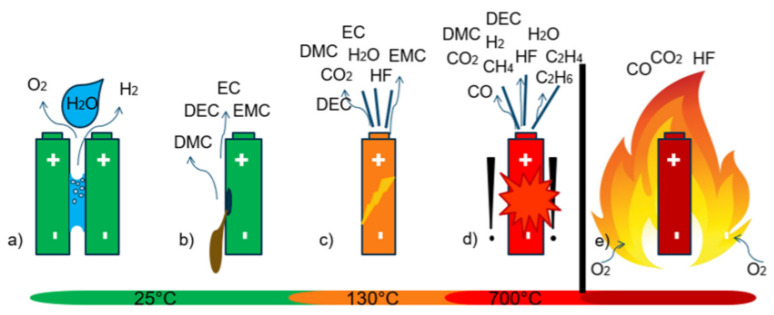
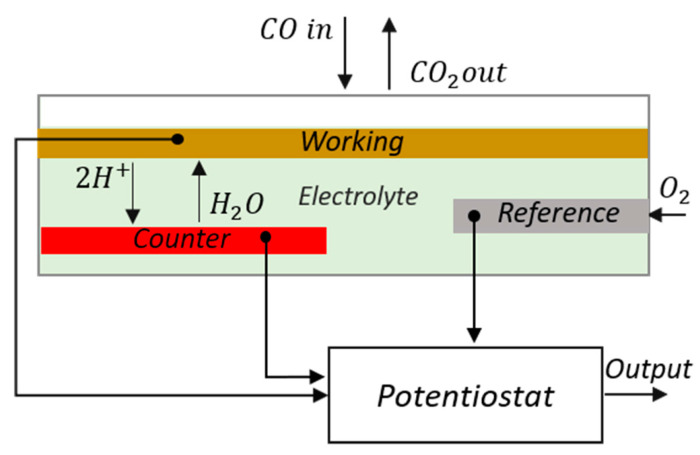
The electrification of passenger cars is one of the most effective approaches to reduce noxious emissions in urban areas and, if the electricity is produced using renewable sources, to mitigate the global warming. This profound change of paradigm in the transport sector requires the use of Li-ion battery packages as energy storage systems to substitute conventional fossil fuels. An automotive battery package is a complex system that has to respect several constraints: high energy and power densities, long calendar and cycle lives, electrical and thermal safety, crash-worthiness, and recyclability. To comply with all these requirements, battery systems integrate a battery management system (BMS) connected to an complex network of electric and thermal sensors. On the other hand, since Li-ion cells can suffer from degradation phenomena with consequent generation of gaseous emissions or determine dimensional changes of the cell packaging, chemical and mechanical sensors should be integrated in modern automotive battery packages to guarantee the safe operation of the system. Mechanical and chemical sensors for automotive batteries require further developments to reach the requested robustness and reliability; in this review, an overview of the current state of art on such sensors will be proposed.
乘用车的电气化是减少城市地区有害排放的最有效方法之一,如果电力是使用可再生能源生产的,还可以缓解全球变暖。交通部门这种深刻的范式转变需要使用锂离子电池组作为储能系统来替代传统化石燃料。汽车电池组是一个复杂的系统,必须满足几个限制条件:高能量和功率密度、长日历寿命和循环寿命、电气和热安全性、防撞性以及可回收性。为了符合所有这些要求,电池系统集成了一个连接到复杂的电气和热传感器网络的电池管理系统(BMS)。另一方面,由于锂离子电池可能会出现降解现象,从而产生气体排放或导致电池封装的尺寸变化,因此应在现代汽车电池组中集成化学和机械传感器,以确保系统的安全运行。用于汽车电池的机械和化学传感器需要进一步发展,以达到所需的坚固性和可靠性;在这篇综述中,将对这类传感器的当前技术现状进行概述。