Nature Research Centre, Akademijos 2, Vilnius, Lithuania.
ANSES, INRAE, Ecole Nationale Vétérinaire d'Alfort, UMR BIPAR, Laboratoire de Santé Animale, Maisons-Alfort, France.
Front Immunol. 2022 Mar 3;13:841835. doi: 10.3389/fimmu.2022.841835. eCollection 2022.
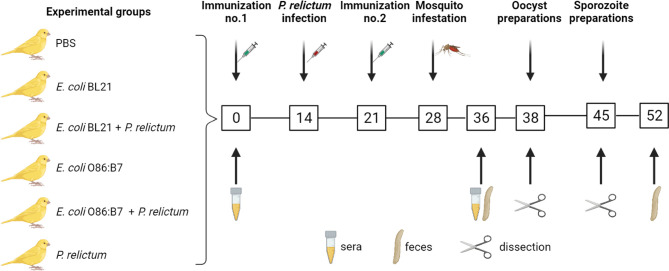
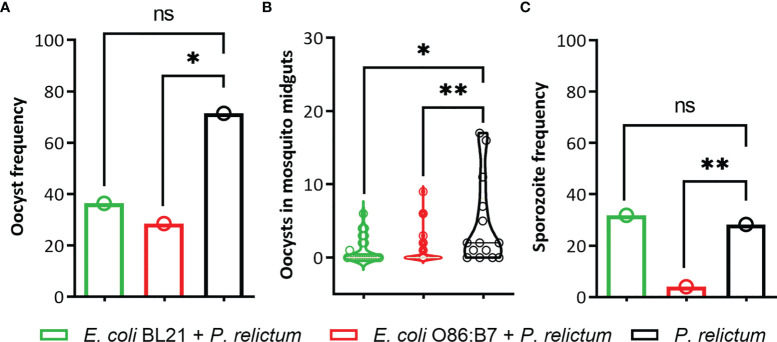
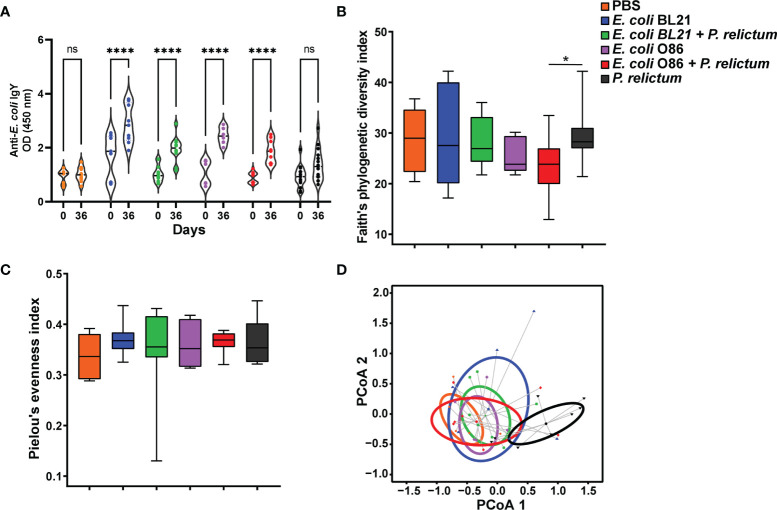
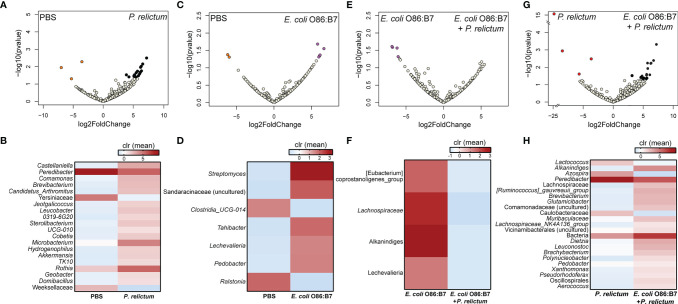
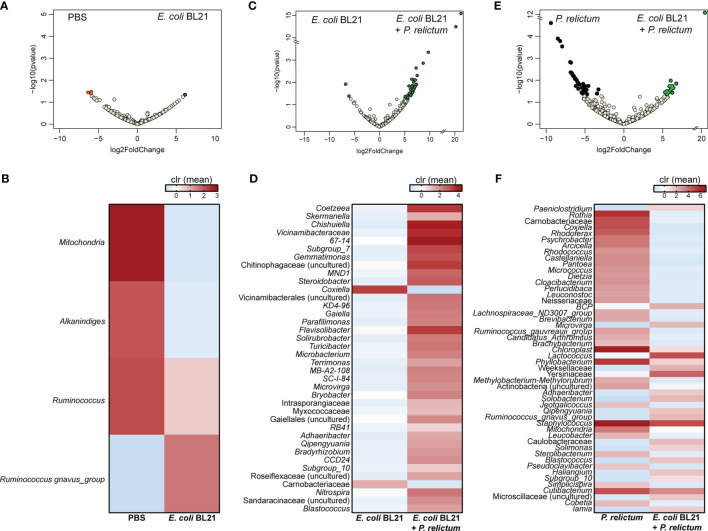
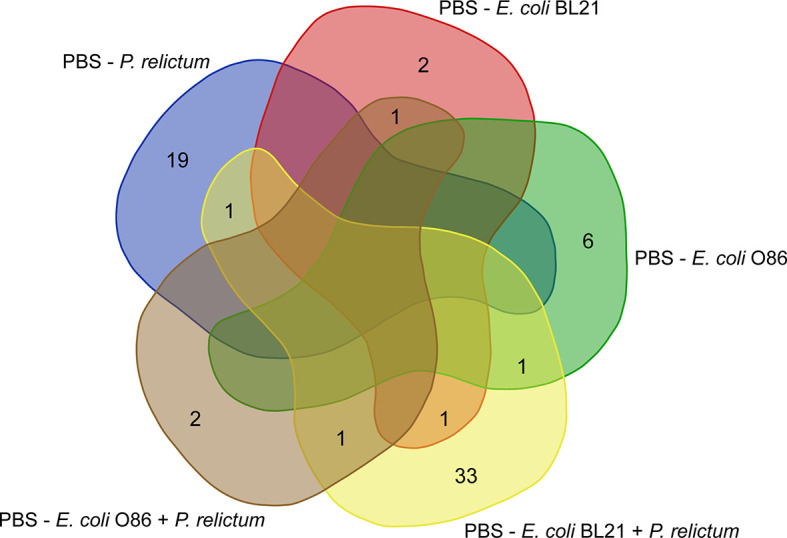
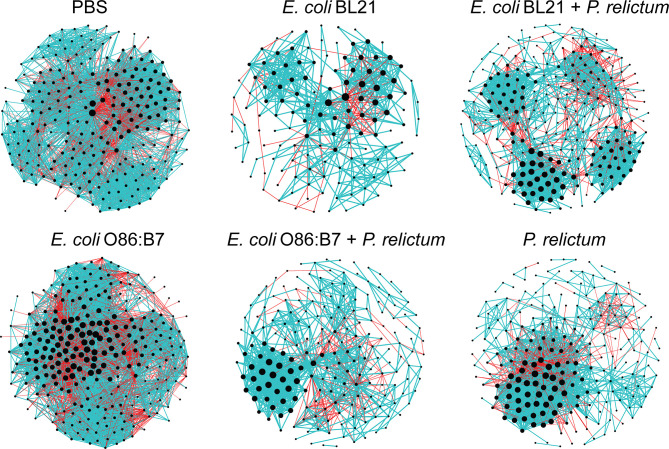
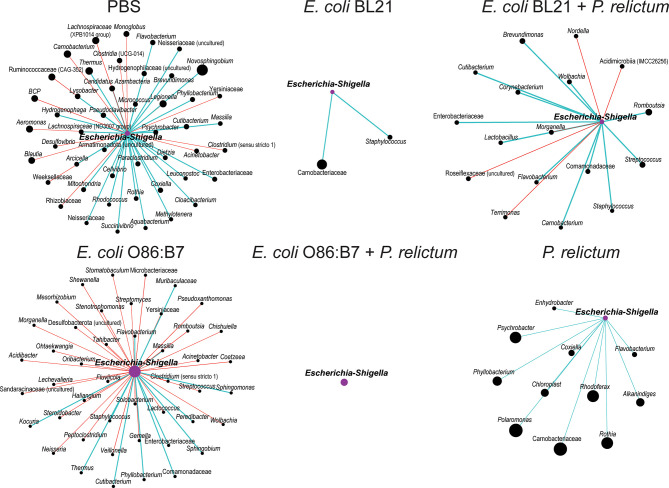
Animal and human pathogens that are transmitted by arthropods are a global concern, particularly those vectored by mosquitoes (e.g., spp. and dengue virus). Vector microbiota may hold the key to vector-borne pathogen control, as mounting evidence suggests that the contributions of the vector microbiota to vector physiology and pathogen life cycle are so relevant that vectorial capacity cannot be understood without considering microbial communities within the vectors. Anti-tick microbiota vaccines targeting commensal bacteria of the vector microbiota alter vector feeding and modulate the taxonomic and functional profiles of vector microbiome, but their impact on vector-borne pathogen development within the vector has not been tested. In this study, we tested whether anti-microbiota vaccination in birds targeting Enterobacteriaceae within mosquito midguts modulates the mosquito microbiota and disrupt development in its natural vector . Domestic canaries () were experimentally infected with and/or immunized with live vaccines containing different strains of . Immunization of birds induced -specific antibodies. The midgut microbial communities of mosquitoes fed on -infected and/or -immunized birds were different from those of mosquitoes fed on control birds. Notably, mosquito midgut microbiota modulation was associated with a significant decrease in the occurrence of oocysts and sporozoites in the midguts and salivary glands of , respectively. A significant reduction in the number of oocysts was also observed. These findings suggest that anti-microbiota vaccines can be used as a novel tool to control malaria transmission and potentially other vector-borne pathogens.
节肢动物传播的动物和人类病原体是一个全球性的问题,特别是那些由蚊子传播的病原体(例如, 和登革热病毒)。媒介微生物组可能是控制媒介传播病原体的关键,因为越来越多的证据表明,媒介微生物组对媒介生理和病原体生命周期的贡献如此相关,如果不考虑媒介内的微生物群落,就无法理解媒介的传播能力。针对媒介微生物组共生菌的抗蜱微生物组疫苗改变了媒介的取食行为,并调节了媒介微生物组的分类和功能特征,但它们对媒介内媒介传播病原体发展的影响尚未得到测试。在这项研究中,我们测试了针对蚊子中肠内肠杆菌科的抗微生物组疫苗是否会调节蚊子微生物组,并破坏其天然媒介 的发育。实验感染了 并/或用含有不同 株的活疫苗免疫家雀( )。免疫鸟类诱导出针对 的特异性抗体。感染 和/或免疫鸟类的蚊子的中肠微生物群落与对照组蚊子的中肠微生物群落不同。值得注意的是,蚊子中肠微生物组的调节与 中肠和唾液腺中 卵囊和孢子的发生显著减少有关。还观察到卵囊数量的显著减少。这些发现表明,抗微生物组疫苗可用作控制疟疾传播和潜在其他媒介传播病原体的新工具。