Kodali Deepa, Hembrick-Holloman Vincent, Gunturu Dilip Reddy, Samuel Temesgen, Jeelani Shaik, Rangari Vijaya K
Department of Materials Science Engineering, Tuskegee University, Tuskegee, Alabama 36088, United States.
College of Veterinary Medicine Nursing and Allied Health, Pathobiology, Tuskegee University, Tuskegee, Alabama 36088, United States.
ACS Omega. 2022 Feb 28;7(10):8323-8335. doi: 10.1021/acsomega.1c05593. eCollection 2022 Mar 15.
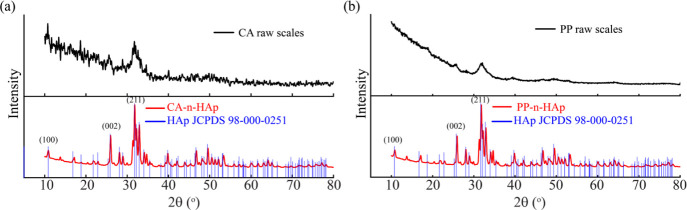
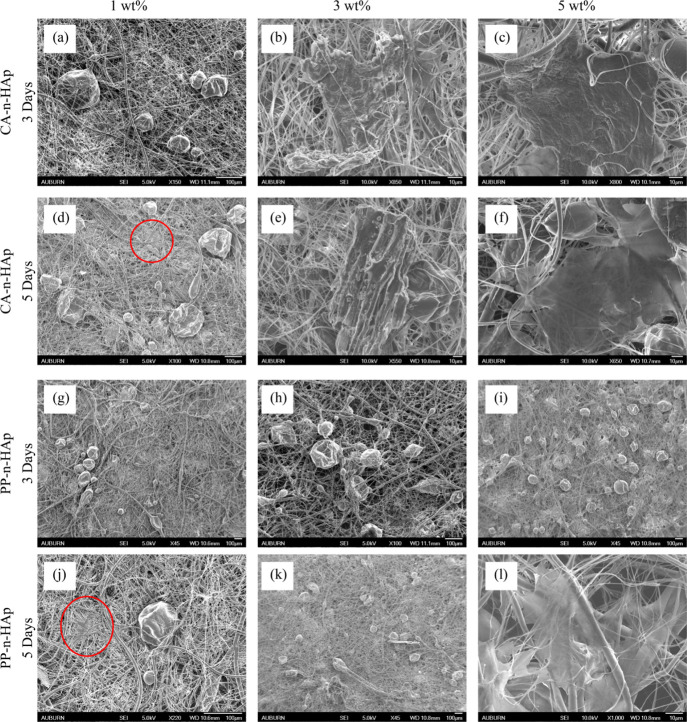
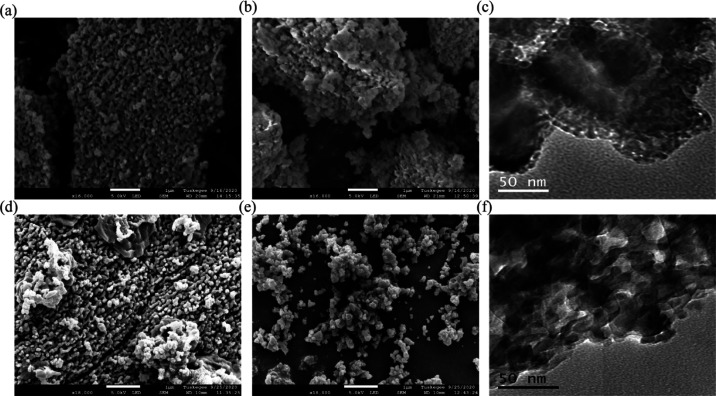
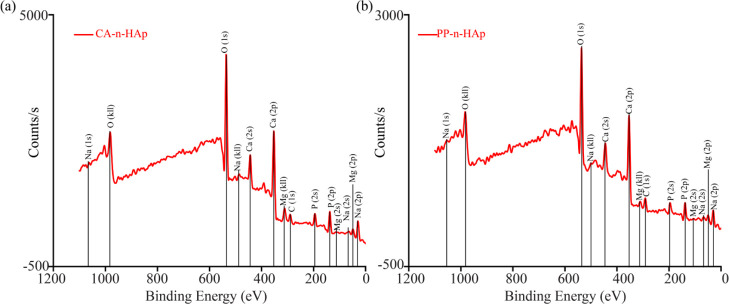
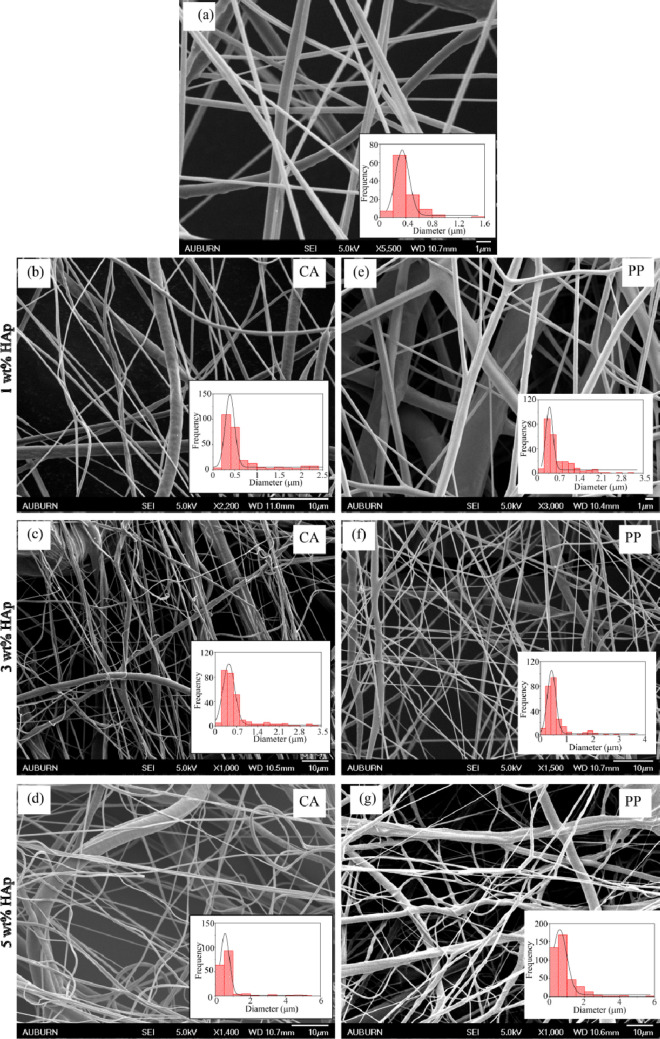
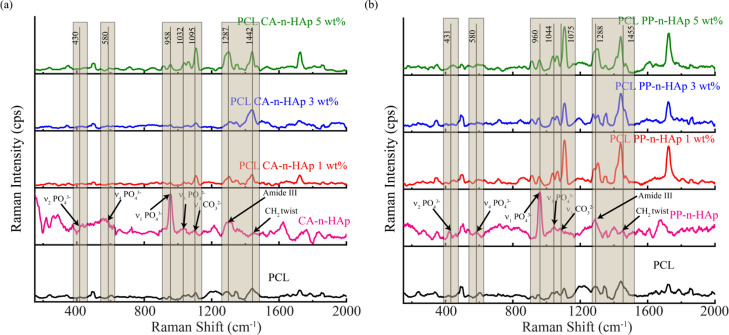
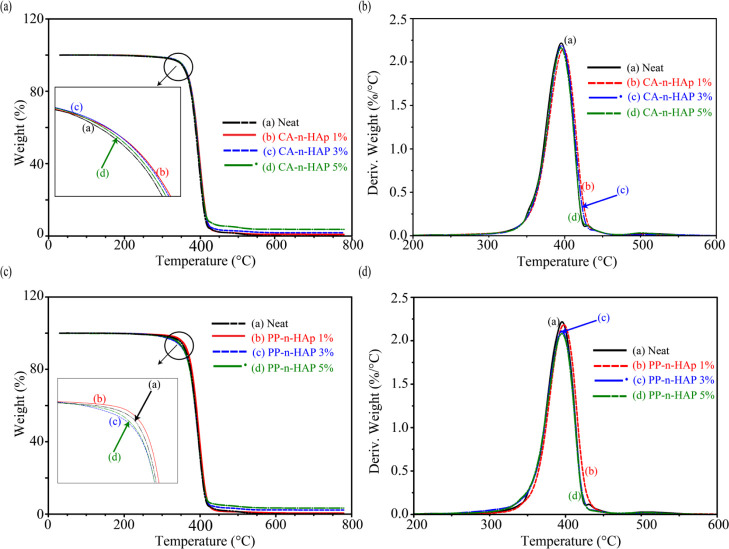
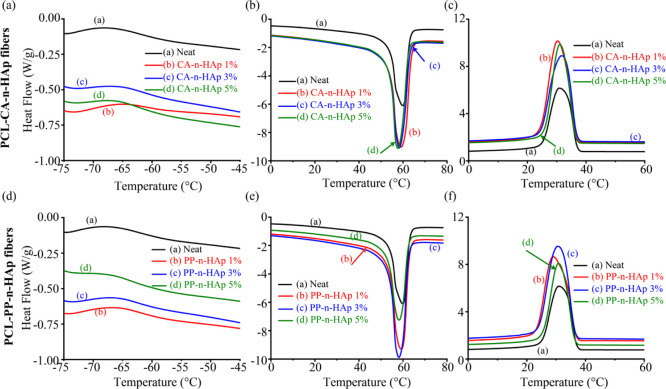
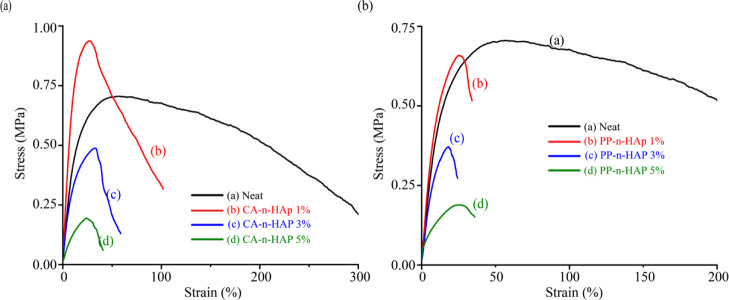
Marine waste byproducts, especially fish scales, have proved to be one of the most prominent sources for developing sustainable materials for various applications including biomedical applications. Hydroxyapatite (HAp), being one of such biomaterials that can be synthesized from the massive fish-based waste, has received plentitude of attention due to its excellent ability to promote cell growth and proliferation. However, understanding the influence of HAp on polymer matrices that are tailored for biomedical applications is still a challenge. This study is intended to develop a sophisticated yet inexpensive method to obtain nonwoven polycaprolactone (PCL) nanofibrous scaffolds and analyze the influence of calcium-deficient nanoporous hydroxyapatite (n-HAp) on the thermal, mechanical, and biological properties of these scaffolds. The n-HAp is synthesized using two different types of fish scales, carpa (CA) and pink perch (PP), by calcination followed by nanomilling. The synthesized n-HAp powder is characterized by using X-ray diffraction, scanning electron microscopy (SEM), transmission electron microscopy (TEM), and X-ray photoelectron spectroscopy. The PCL fibrous scaffolds were developed using a novel forcespinning technique with n-HAp as the filler. The morphology of the scaffolds was characterized using SEM and Raman spectroscopy. SEM and TEM results have confirmed the size reduction of the HAp powder after nanomilling. Thermal properties were analyzed using thermogravimetric analysis and differential scanning calorimetry. The major degradation temperature has increased by 3° and was observed to be 398° for 1 wt % filler loading for both carpa and pink perch-derived n-HAp. The increase in filler content has increased the residue left after decomposition and is 4% for 5 wt % filler loading. The crystallinity percent has increased by 7% compared to neat fibers for 1 wt % filler loading. Mechanical properties were tested using tensile tests. The tensile test strength has shown 32% improvement for 1 wt % compared to neat fibers. Cell viability tests were performed using hFOB cells which have shown significant cell growth for a high filler loading of 5 wt %. The results suggest that both CA-n-HAP and PP-n-Hap-incorporated fibrous scaffolds can be used potentially for biomedical applications after careful investigation of the scaffold behavior with longer incubation periods.
海洋废弃物副产品,尤其是鱼鳞,已被证明是开发适用于包括生物医学应用在内的各种用途的可持续材料的最主要来源之一。羟基磷灰石(HAp)是一种可由大量鱼类废弃物合成的生物材料,因其具有促进细胞生长和增殖的卓越能力而受到广泛关注。然而,了解HAp对为生物医学应用量身定制的聚合物基体的影响仍然是一项挑战。本研究旨在开发一种精密且低成本的方法来制备非织造聚己内酯(PCL)纳米纤维支架,并分析缺钙纳米多孔羟基磷灰石(n-HAp)对这些支架的热性能、力学性能和生物学性能的影响。通过煅烧然后进行纳米研磨,使用两种不同类型的鱼鳞,鲤鱼(CA)和粉红鲈鱼(PP)来合成n-HAp。使用X射线衍射、扫描电子显微镜(SEM)、透射电子显微镜(TEM)和X射线光电子能谱对合成的n-HAp粉末进行表征。以n-HAp作为填料,采用新型强力纺丝技术制备PCL纤维支架。使用SEM和拉曼光谱对支架的形态进行表征。SEM和TEM结果证实了纳米研磨后HAp粉末的尺寸减小。使用热重分析和差示扫描量热法分析热性能。对于来自鲤鱼和粉红鲈鱼的n-HAp,1 wt%填料负载时主要降解温度升高了3°,观察到为398°。填料含量的增加增加了分解后留下的残余物,5 wt%填料负载时为4%。与纯纤维相比,1 wt%填料负载时结晶度百分比增加了7%。使用拉伸试验测试力学性能。与纯纤维相比,1 wt%时拉伸试验强度提高了32%。使用人成骨细胞(hFOB)进行细胞活力测试,结果表明对于5 wt%的高填料负载,细胞生长显著。结果表明,经过对较长孵育期的支架行为进行仔细研究后,掺入CA-n-HAP和PP-n-Hap的纤维支架都有可能用于生物医学应用。