Department of Parasitology and Animal Diseases, Veterinary Research Institute, National Research Centre, Dokki, Giza, Egypt.
Department of Parasitology, Faculty of Veterinary Medicine, Cairo University, Giza, Egypt.
Acta Parasitol. 2022 Jun;67(2):878-891. doi: 10.1007/s11686-022-00530-8. Epub 2022 Mar 22.
The current study aimed to investigate the efficacy of zinc oxide nanoparticles (ZnO NPs) synthesized by Melia azedarach aqueous extract to control Hyalomma dromedarii tick, and to evaluate their toxic effects on Swiss albino mice.
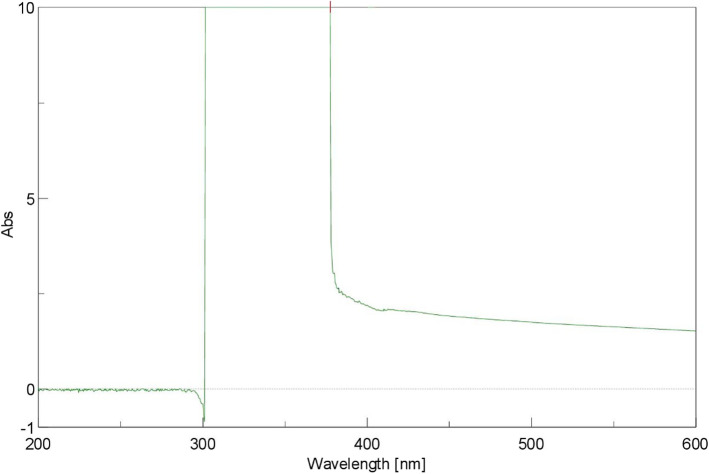
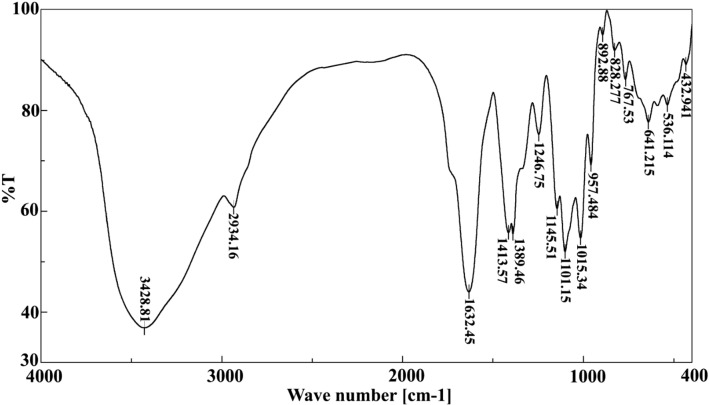
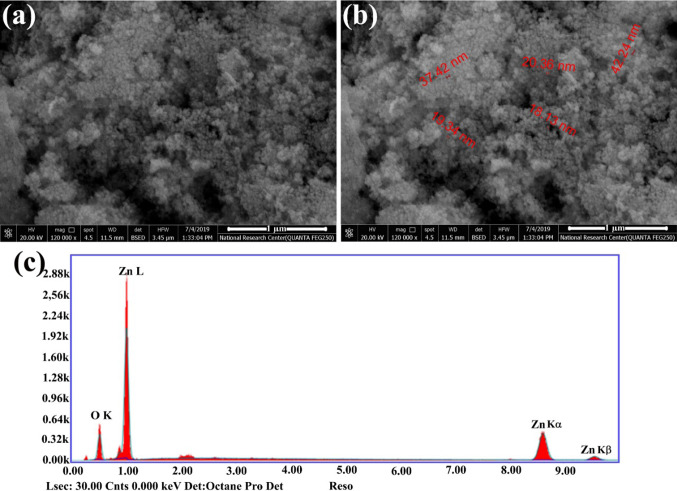
ZnO NPs were synthesized using M. azedarach aqueous extract. UV-visible spectroscopy, Fourier transform infrared spectroscopy, scanning electron microscopy, and energy-dispersive spectroscopy were used to characterize the synthesized NPs. Egg, nymph, larva, and adult immersion tests were used for bioassay of tick stages with the synthesized ZnO NP. A toxicity study was performed on Swiss albino mice after treatment with 1/10 of the oral LD of ZnO NPs (8437 mg/kg) for 5 successive days by oral gavage.
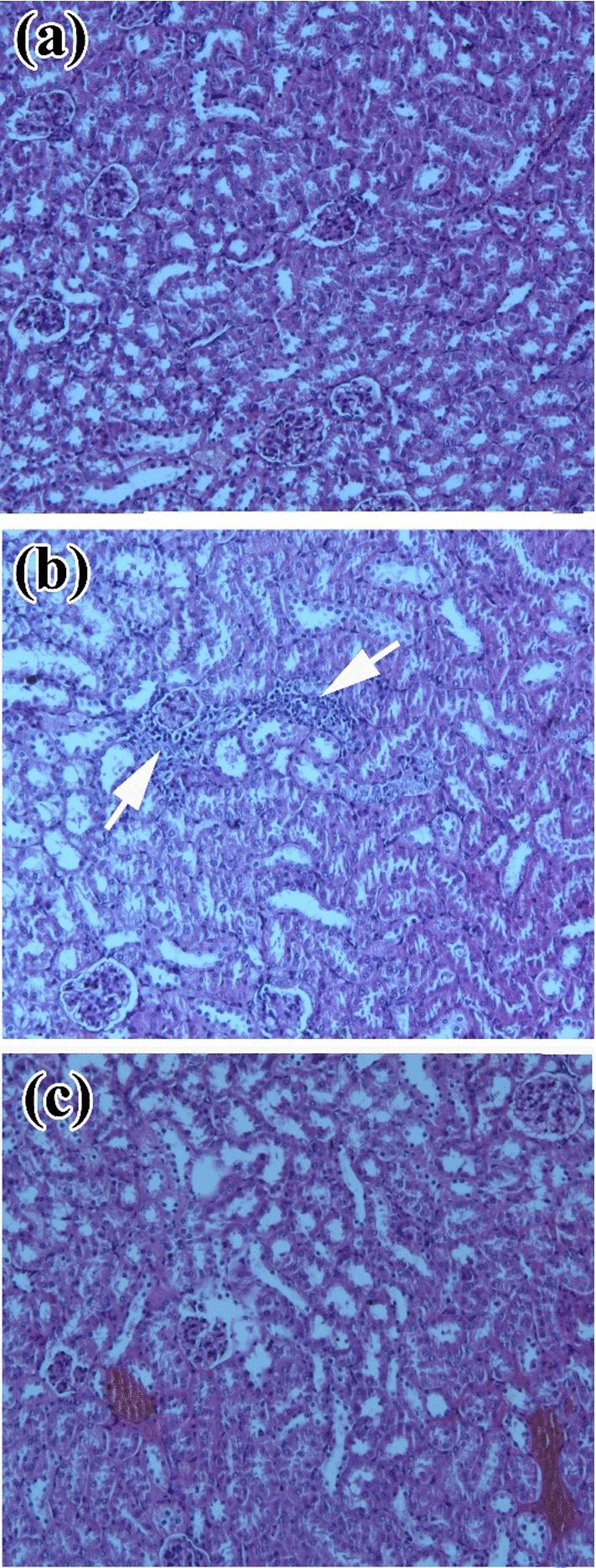
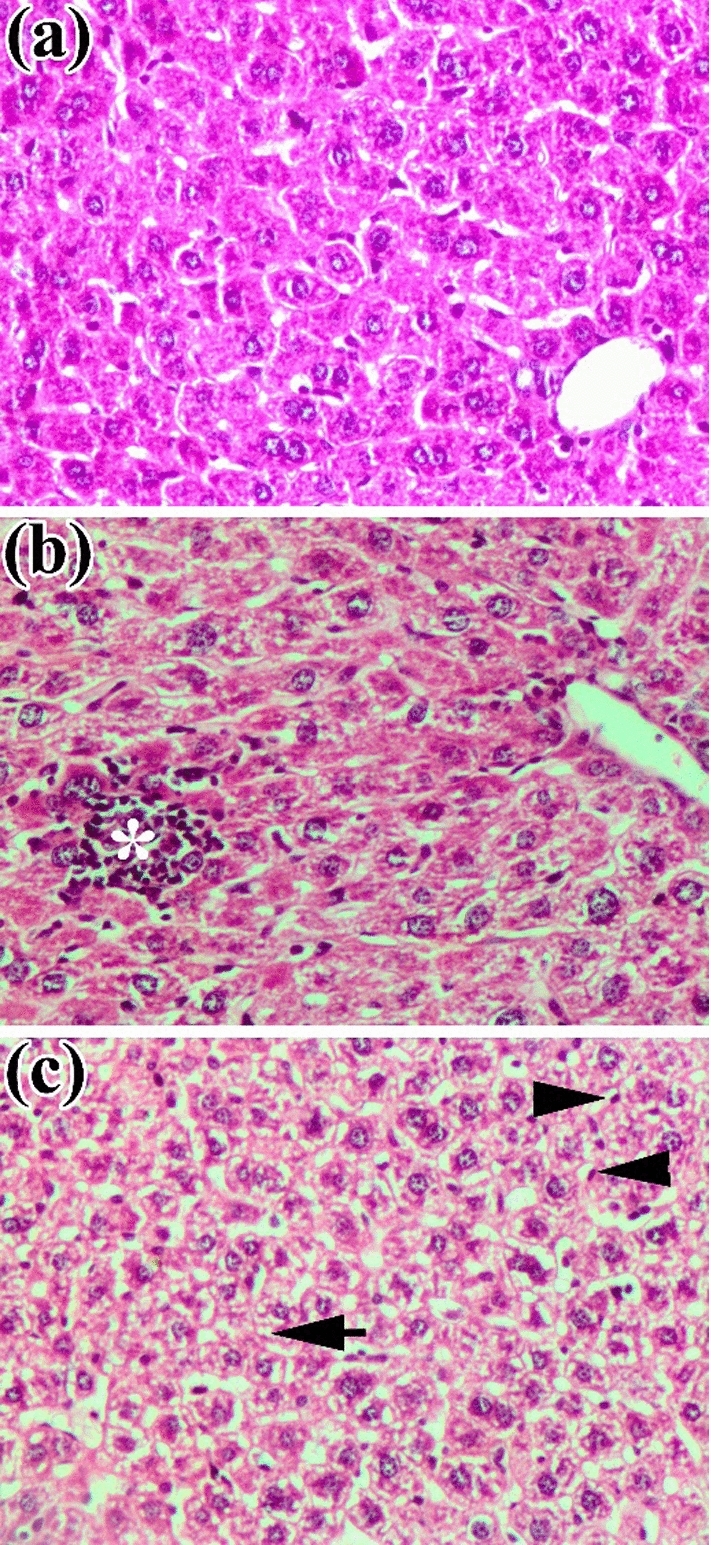
The LC of ZnO NPs on the eggs, larvae, and nymphs was 11.6, 8.03, and 3.9 mg/ml, respectively. The reproductive performance of females treated with ZnO NPs was lower than that of untreated females. The hematological results showed an insignificant increase in the level of white blood cells with normal red blood cells, hemoglobin, in addition to normal platelet count. The biochemical analysis showed an insignificant increased level (P > 0.05) of alkaline phosphatase and alanine aminotransferase. The liver and kidney suffered few histopathological changes after oral administration of ZnO NPs.
These results suggest that ZnO NPs have good acaricidal activity against eggs, larvae, and engorged nymphs of H. dromedarii. ZnO NPs minimized the number of eggs laid by engorged females and the hatchability of their eggs. ZnO NPs did not affect unfed adults. The toxicity results of the mice revealed insignificant changes in the hemogram, biochemistry, with liver and kidney suffering few histopathological changes. Future studies are needed to assess application routes (topical vs oral). Based on these findings, ZnO NPs may be incorporated in the control of camel tick H. dromedarii.
本研究旨在探讨由楝树水提物合成的氧化锌纳米粒子(ZnO NPs)对钝缘蜱的控制效果,并评估其对瑞士白化小鼠的毒性作用。
采用楝树水提物合成 ZnO NPs,利用紫外-可见分光光度计、傅里叶变换红外光谱、扫描电子显微镜和能谱对合成的 NPs 进行了表征。采用卵、若虫、幼虫和成虫浸浴试验对合成的 ZnO NP 进行了 tick 各阶段的生物测定。对瑞士白化小鼠经口灌胃给予 ZnO NPs 口服 LD1/10(8437mg/kg)连续 5 天,进行毒性研究。
ZnO NPs 对卵、幼虫和若虫的 LC 分别为 11.6、8.03 和 3.9mg/ml。用 ZnO NPs 处理的雌蜱的繁殖性能低于未处理的雌蜱。血液学结果显示白细胞水平略有升高,而红细胞、血红蛋白和血小板计数正常。生化分析显示碱性磷酸酶和丙氨酸氨基转移酶水平略有升高(P>0.05)。经口给予 ZnO NPs 后,肝、肾组织病理变化较少。
这些结果表明,ZnO NPs 对 H. dromedarii 的卵、幼虫和饱血若虫具有良好的杀蜱活性。ZnO NPs 减少了饱血雌蜱产卵的数量及其卵的孵化率。ZnO NPs 对未喂食的成虫没有影响。小鼠的毒性结果显示血液学、生物化学参数无显著变化,肝、肾组织病理变化较少。需要进一步研究评估应用途径(局部 vs 口服)。基于这些发现,ZnO NPs 可能被纳入控制骆驼蜱 H. dromedarii 的方案中。