Găină Marcel-Alexandru, Szalontay Andreea Silvana, Ștefănescu Gabriela, Bălan Gheorghe Gh, Ghiciuc Cristina Mihaela, Boloș Alexandra, Găină Alexandra-Maria, Ștefănescu Cristinel
Psychiatry, Department of Medicine III, Faculty of Medicine, Grigore T. Popa University of Medicine and Pharmacy of Iasi, 16 Universitatii Street, 700115 Iasi, Romania.
Institute of Psychiatry "Socola", 36 Bucium Street, 700282 Iasi, Romania.
J Clin Med. 2022 Mar 17;11(6):1670. doi: 10.3390/jcm11061670.
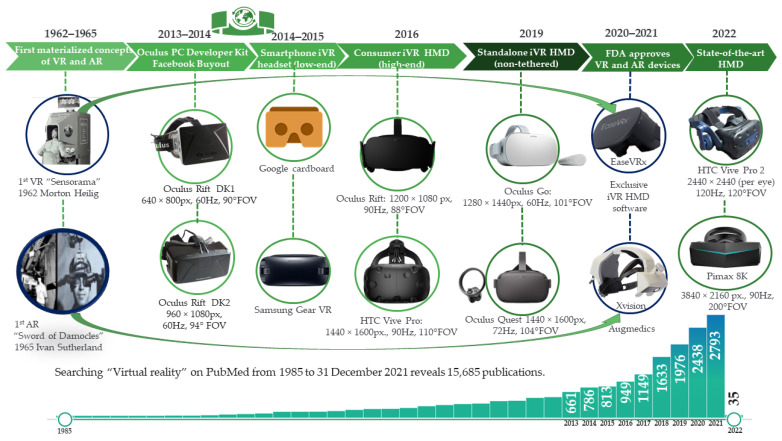
Colonoscopy related fear impairs the current gold standard screening of colorectal cancer. Compared to other minimally invasive procedures for cancer screening, colonoscopy-induced anxiety exceeds the procedure through bowel preparation. Immersive virtual reality's (iVR) role in alleviating the complex stress-pain relationship encountered during medical procedures is directly proportional to the rising affordability of state-of-the-art Head-Mounted-Displays (HMDs).
to assess the effect of iVR on patients' colonoscopy-induced anxiety and pain.
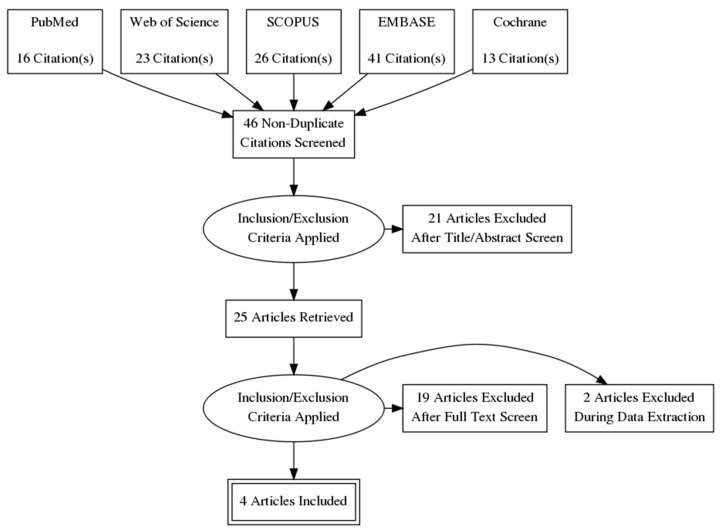
A systematic search was conducted in PubMed, Cochrane Central Register of Controlled Trials, Web of Science, Embase and Scopus databases up to January 2022. Clinical trials evaluating anxiety as an outcome were included without language restriction.
Four clinical trials were included: three on the patients' intraprocedural anxiety and one on patient education. Intraprocedural iVR interventions for colonoscopy-induced anxiety and pain revealed a similar effect as conventional sedation, while a statistically significant reduction was reported for non-sedated patients. iVR patient education improved the quality of bowel preparation and reduced patient anxiety before colonoscopy.
The current research highlights the need to use high-end HMDs and appropriate interactive iVR software content for colonoscopy-induced anxiety. Methodological frameworks regarding the eligibility of participants, double-blinding and randomization of iVR studies can facilitate the development of iVR implementation for anxiety and pain management.
结肠镜检查相关的恐惧影响了目前结直肠癌的金标准筛查。与其他用于癌症筛查的微创手术相比,结肠镜检查引起的焦虑超过了肠道准备过程。沉浸式虚拟现实(iVR)在缓解医疗程序中遇到的复杂应激-疼痛关系方面的作用与最先进的头戴式显示器(HMD)的可承受性上升成正比。
评估iVR对患者结肠镜检查引起的焦虑和疼痛的影响。
截至2022年1月,在PubMed、Cochrane对照试验中央登记册、科学网、Embase和Scopus数据库中进行了系统检索。纳入以焦虑为结局的临床试验,无语言限制。
纳入四项临床试验:三项针对患者术中焦虑,一项针对患者教育。用于结肠镜检查引起的焦虑和疼痛的术中iVR干预显示出与传统镇静相似的效果,而非镇静患者的焦虑有统计学意义的降低。iVR患者教育改善了肠道准备质量,并降低了结肠镜检查前患者的焦虑。
当前研究强调了使用高端HMD和适当的交互式iVR软件内容来应对结肠镜检查引起的焦虑的必要性。关于iVR研究参与者资格、双盲和随机化的方法框架可以促进iVR在焦虑和疼痛管理中的应用发展。