III. Department of Medicine, University Medical Center Hamburg-Eppendorf, Hamburg, Germany.
Institute of Medical Bioinformatics and Systems Medicine, Medical Center-University of Freiburg, Faculty of Medicine, University of Freiburg, Freiburg, Germany.
Nat Metab. 2022 Mar;4(3):310-319. doi: 10.1038/s42255-022-00552-6. Epub 2022 Mar 28.
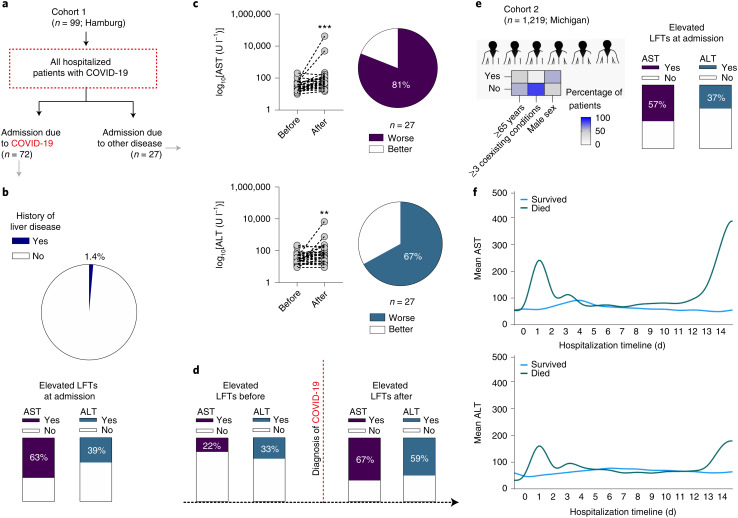
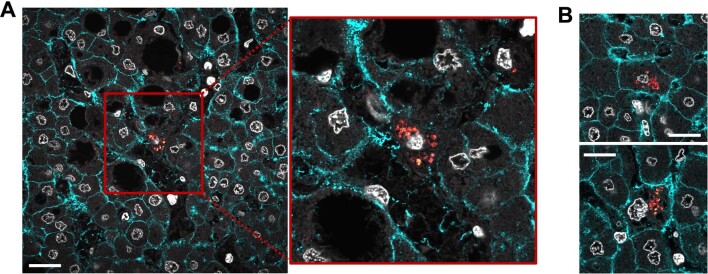
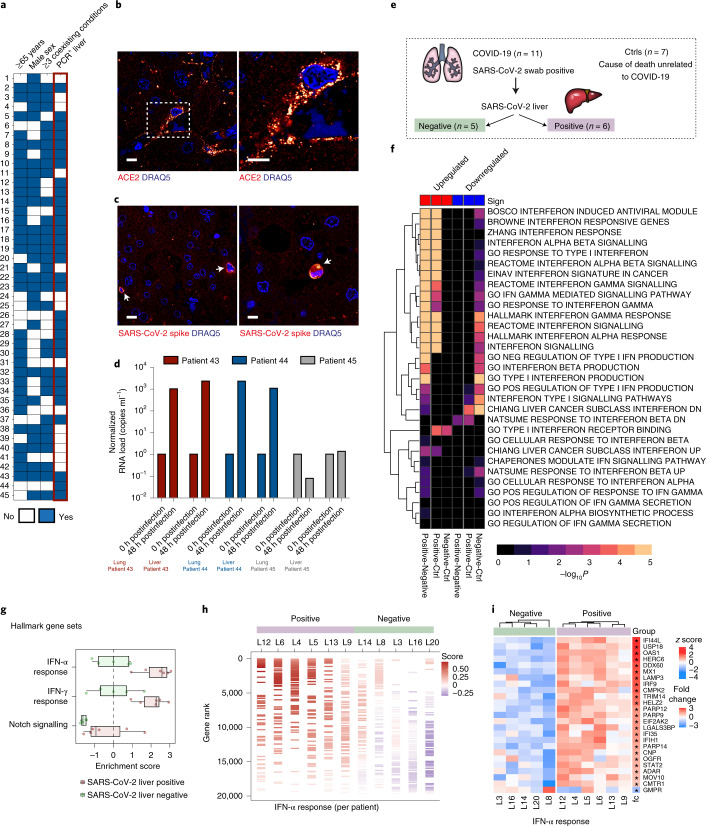
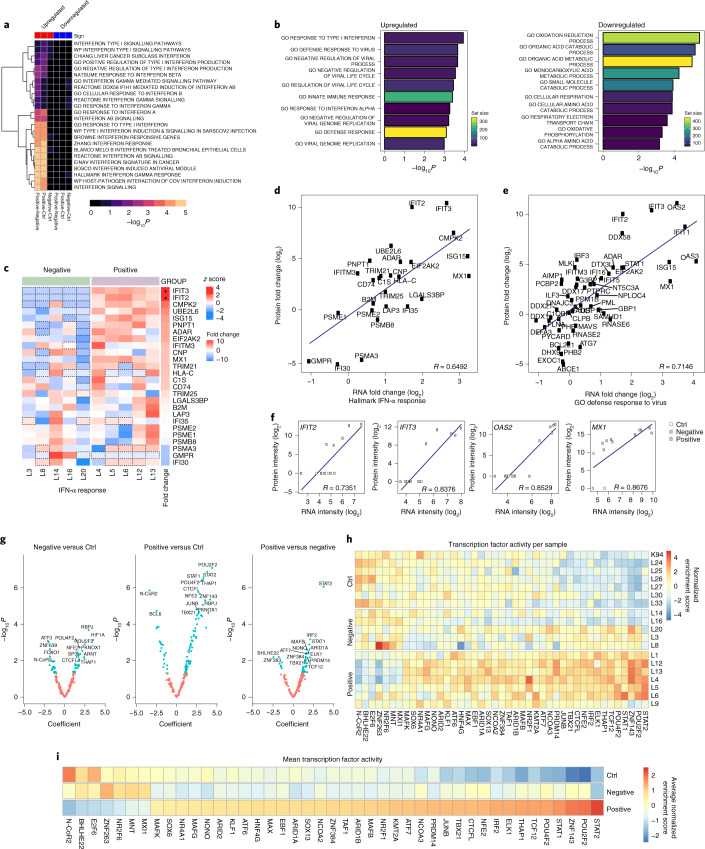
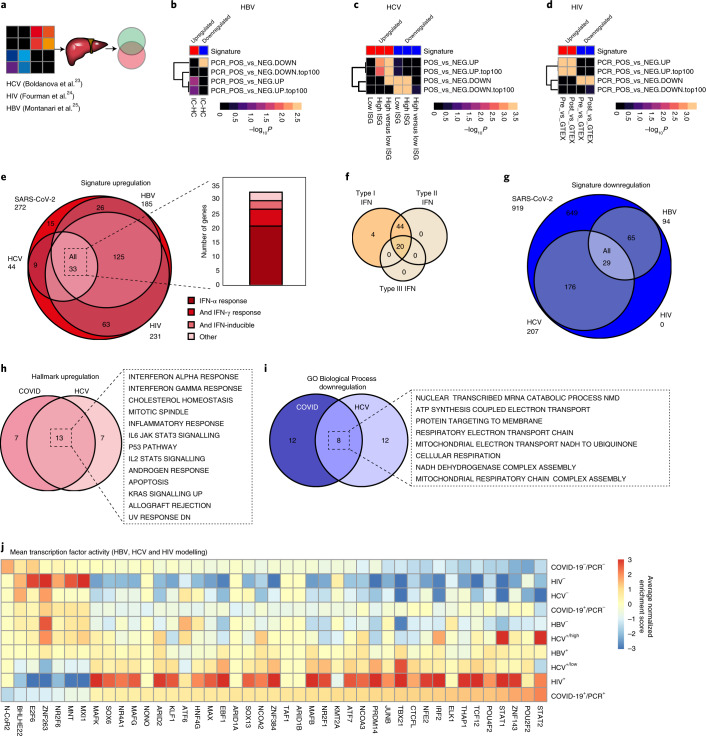
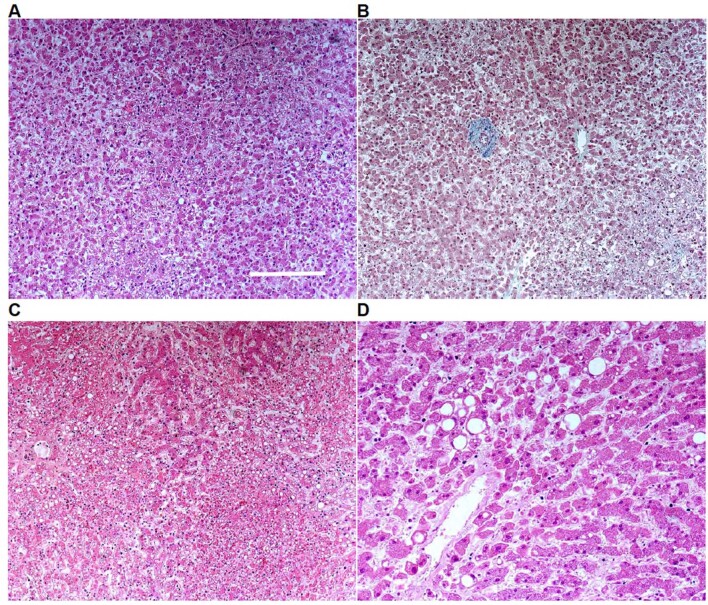
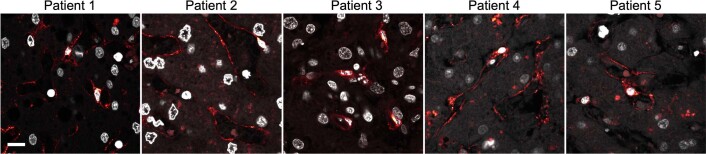
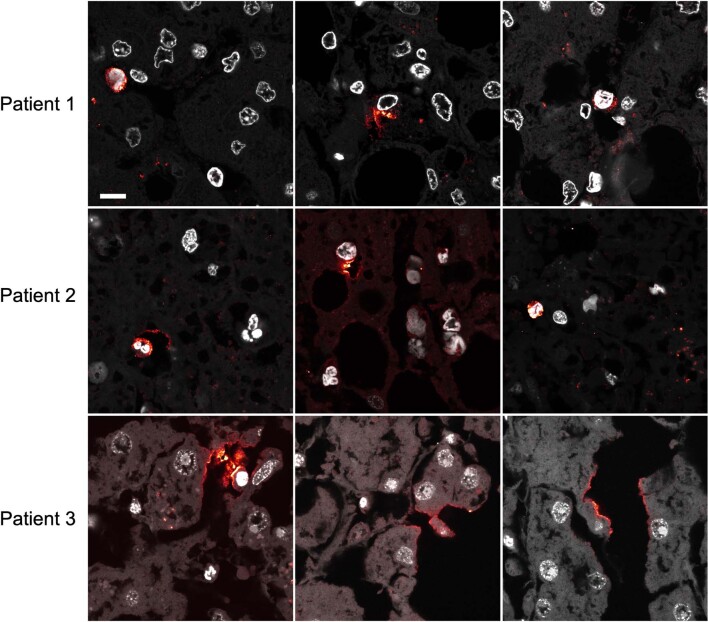
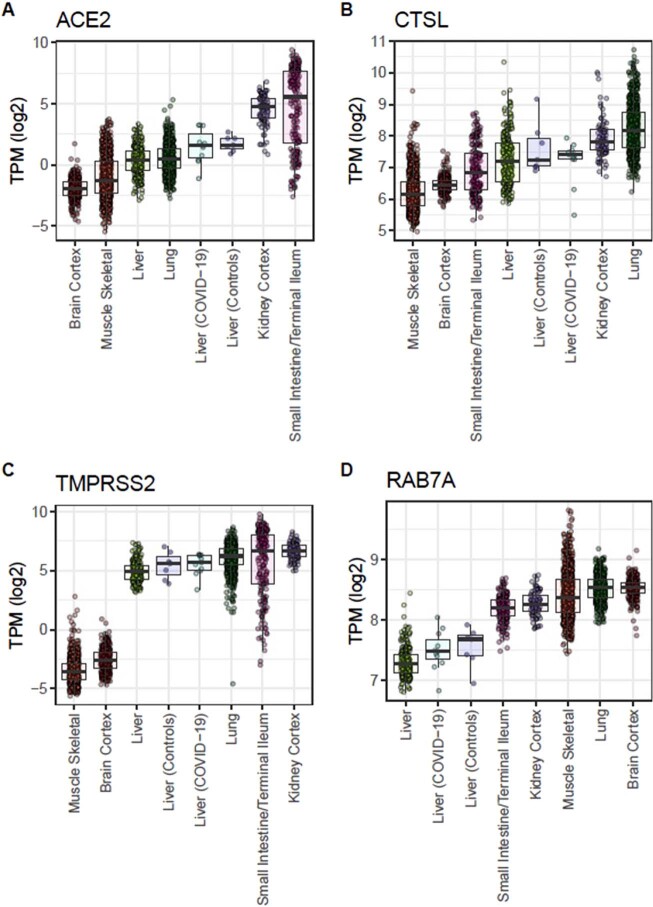
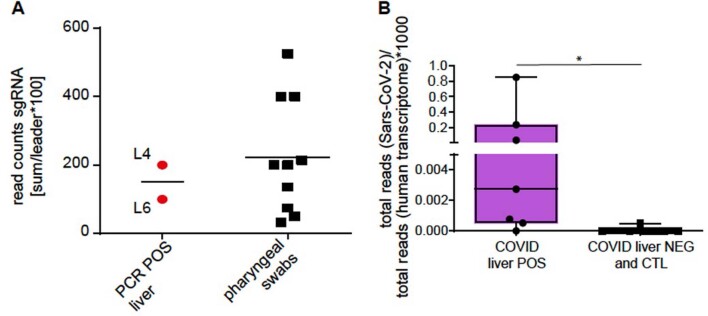
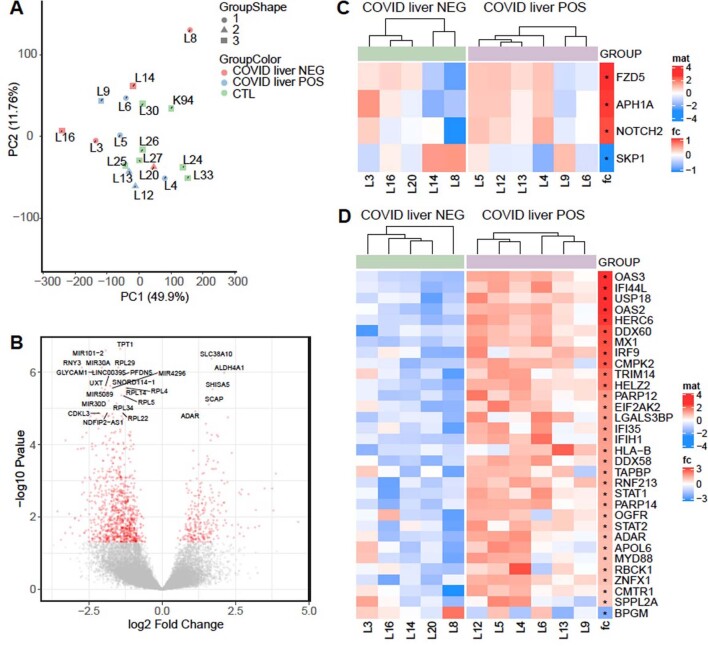
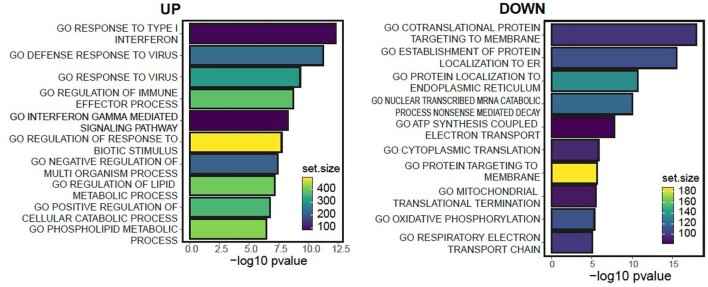
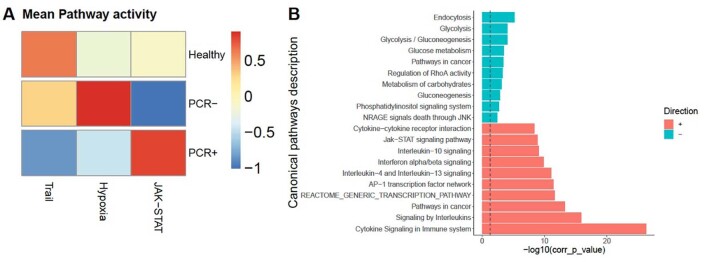
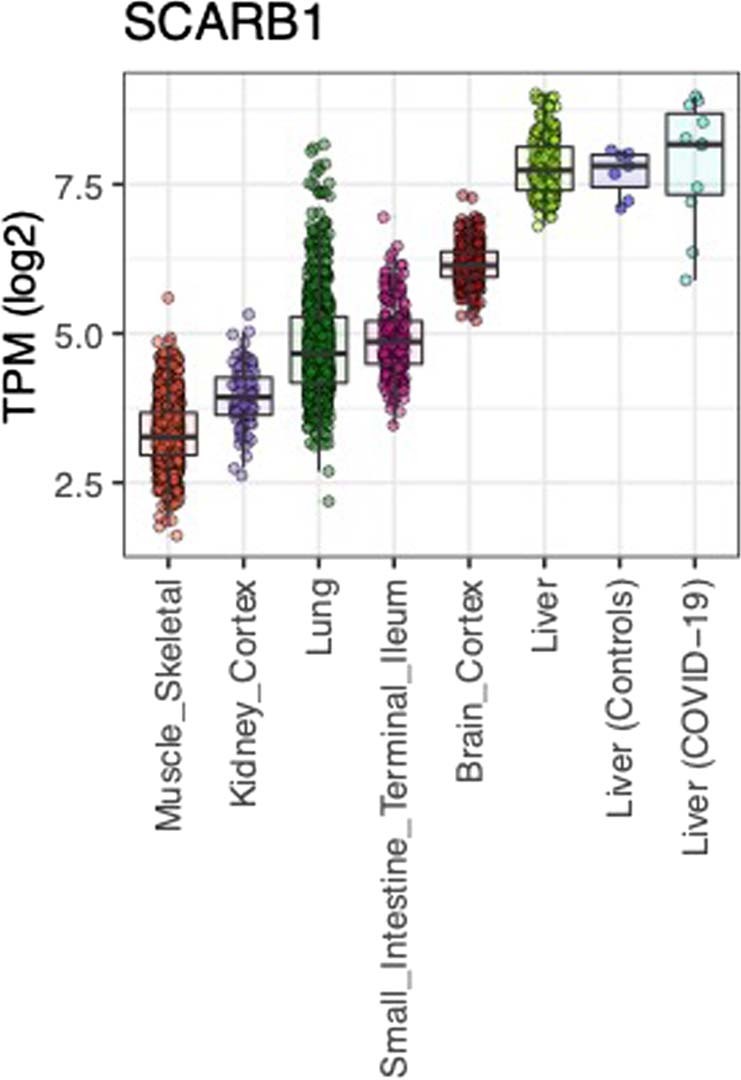
Extrapulmonary manifestations of COVID-19 have gained attention due to their links to clinical outcomes and their potential long-term sequelae. Severe acute respiratory syndrome coronavirus 2 (SARS-CoV-2) displays tropism towards several organs, including the heart and kidney. Whether it also directly affects the liver has been debated. Here we provide clinical, histopathological, molecular and bioinformatic evidence for the hepatic tropism of SARS-CoV-2. We find that liver injury, indicated by a high frequency of abnormal liver function tests, is a common clinical feature of COVID-19 in two independent cohorts of patients with COVID-19 requiring hospitalization. Using autopsy samples obtained from a third patient cohort, we provide multiple levels of evidence for SARS-CoV-2 liver tropism, including viral RNA detection in 69% of autopsy liver specimens, and successful isolation of infectious SARS-CoV-2 from liver tissue postmortem. Furthermore, we identify transcription-, proteomic- and transcription factor-based activity profiles in hepatic autopsy samples, revealing similarities to the signatures associated with multiple other viral infections of the human liver. Together, we provide a comprehensive multimodal analysis of SARS-CoV-2 liver tropism, which increases our understanding of the molecular consequences of severe COVID-19 and could be useful for the identification of organ-specific pharmacological targets.
COVID-19 的肺外表现引起了人们的关注,因为它们与临床结果有关,并且可能存在长期的后遗症。严重急性呼吸综合征冠状病毒 2(SARS-CoV-2)对包括心脏和肾脏在内的多种器官具有亲和力。它是否也直接影响肝脏一直存在争议。在这里,我们提供了 SARS-CoV-2 肝脏嗜性的临床、组织病理学、分子和生物信息学证据。我们发现,肝功能检查异常频率高表明肝损伤是 COVID-19 的一个常见临床特征,在需要住院治疗的 COVID-19 患者的两个独立队列中均如此。使用来自第三个患者队列的尸检样本,我们提供了 SARS-CoV-2 肝脏嗜性的多个层次的证据,包括在 69%的尸检肝标本中检测到病毒 RNA,以及从死后肝组织中成功分离出传染性 SARS-CoV-2。此外,我们还确定了肝尸检样本中的转录组、蛋白质组和转录因子活性谱,揭示了与人类肝脏中多种其他病毒感染相关的特征之间的相似性。总之,我们对 SARS-CoV-2 的肝脏嗜性进行了全面的多模式分析,这增加了我们对严重 COVID-19 的分子后果的理解,并可能有助于确定针对特定器官的药理学靶点。