de Souza Renato Lucas P, Abrão João, Garcia Luís V, Vila Moutinho Sofia, Wiggers Ester, Cagnoni Balestra Andiamira
Anesthesiology, Clinical Hospital of the Faculty of Medicine of Ribeirão Preto of the University of São Paulo (HCFMRP-USP), Ribeirão Preto, BRA.
Anesthesiology, University Hospital Center of Algarve, Faro, PRT.
Cureus. 2022 Mar 3;14(3):e22786. doi: 10.7759/cureus.22786. eCollection 2022 Mar.
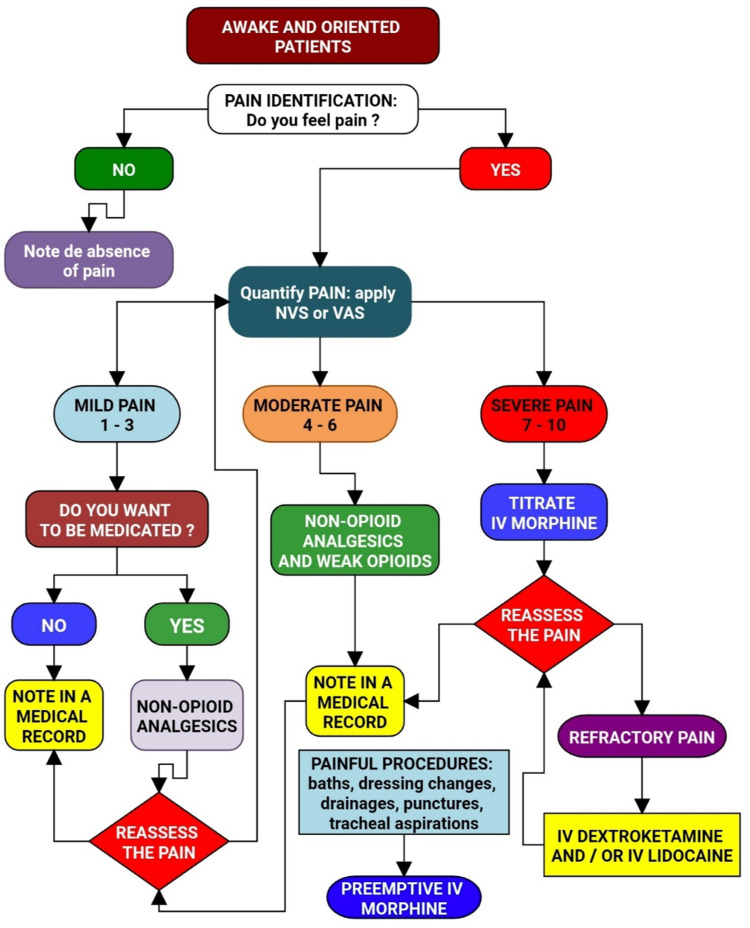
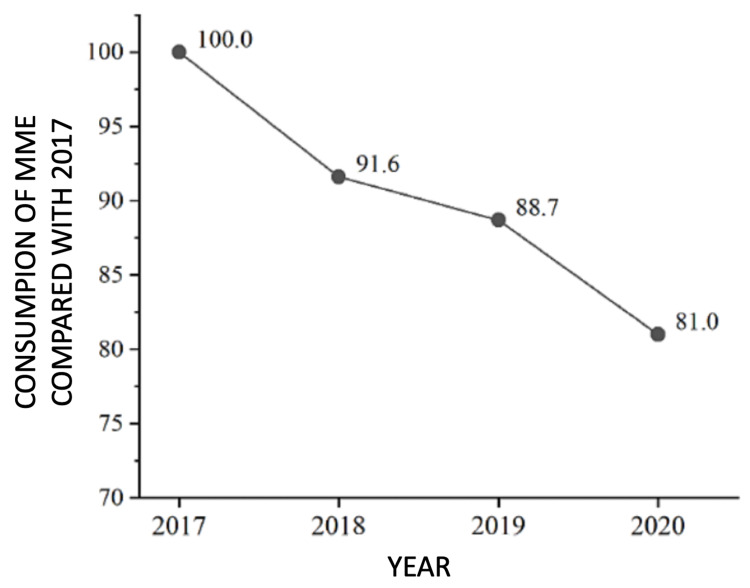
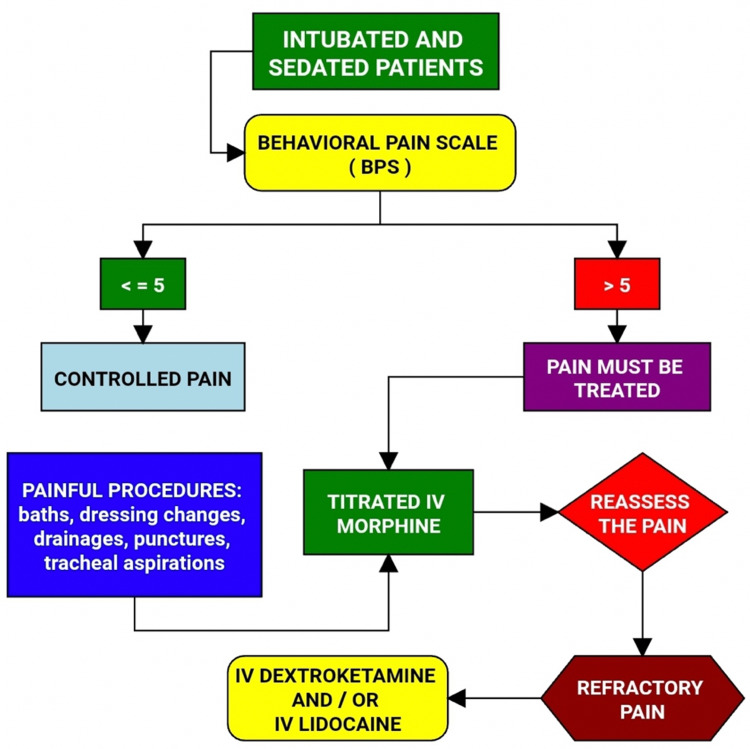
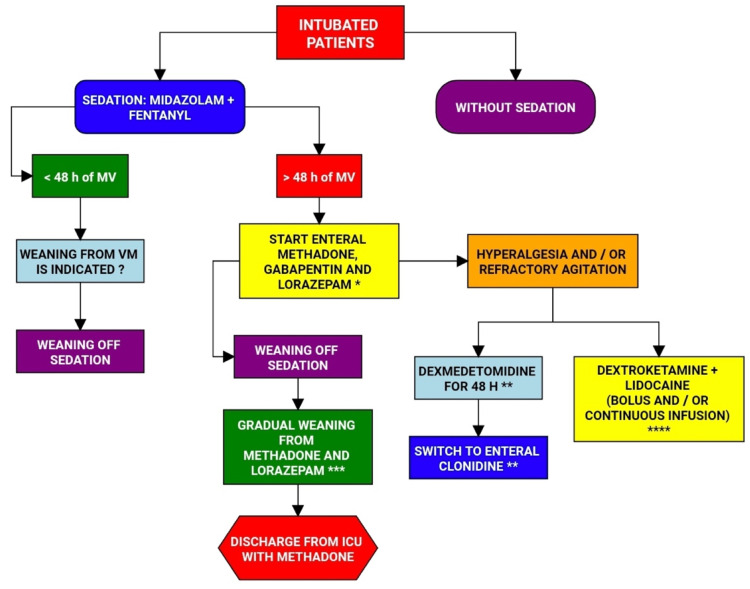
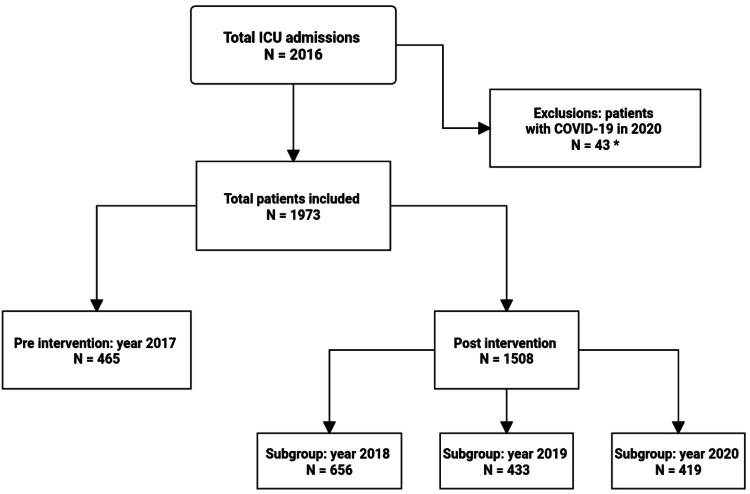
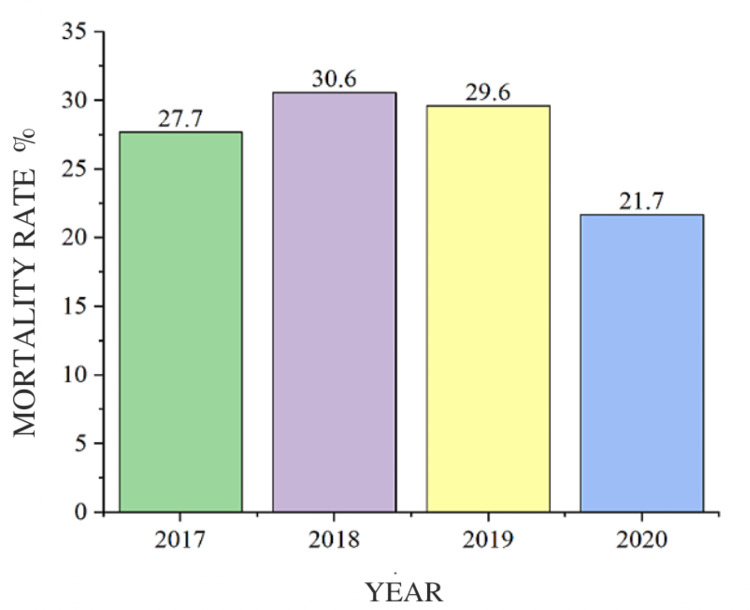
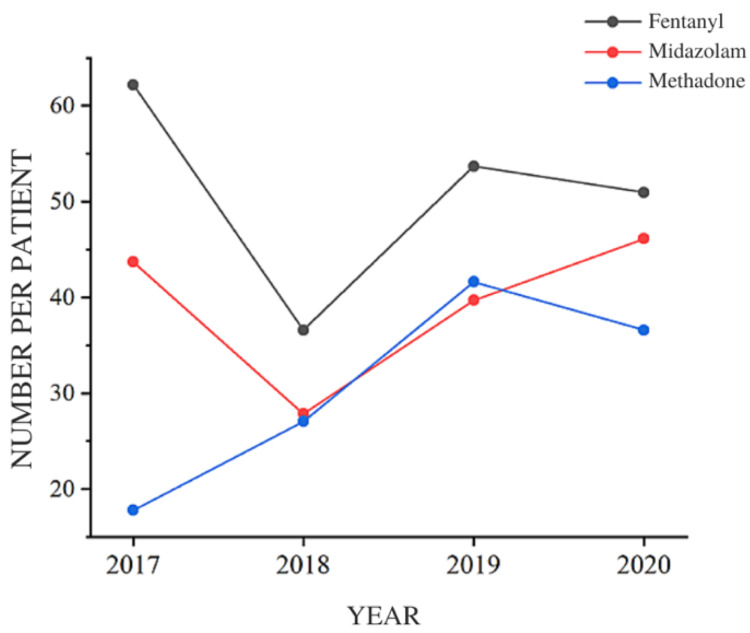
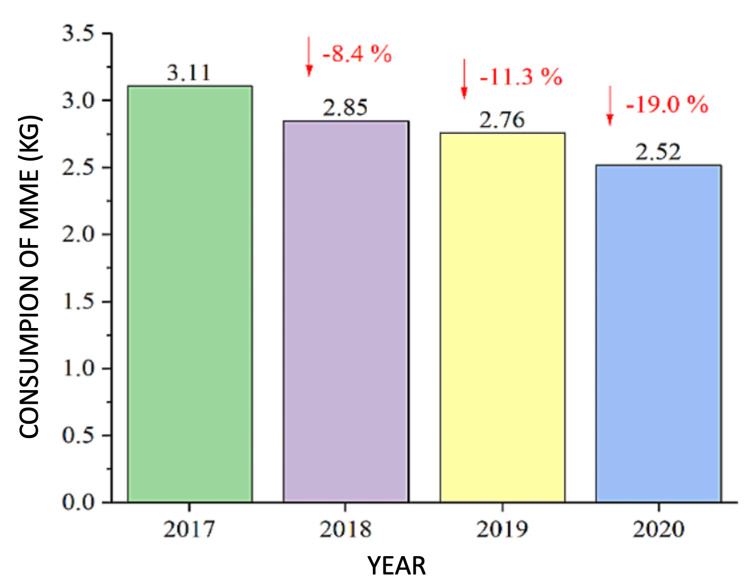
Introduction Opioids are the mainstay of pain management in critically ill patients. However, recent attention to their adverse effects in the intensive care unit (ICU) has led to the use of strategies that aim to reduce these side effects. Among these strategies, there are multimodal analgesia protocols, which prioritize pain management and employ a combination of different analgesics to spare excessive doses of opioids and sedatives in continuous infusion. Objective The objective of this study is to evaluate the impact of a multimodal analgesia protocol on clinical outcomes and consumption of sedatives and analgesics in two intensive care units. Methods We conducted a single-center, quasi-experimental, retrospective, and prospective cohort study comparing clinical outcomes and consumption of sedatives and analgesics before and after the implementation of a multimodal pain management protocol in critically ill adult patients. We included 465 patients in 2017 (pre-intervention group) and 1508 between 2018 and 2020 (post-intervention group). Results In the analysis of the primary outcome, there was a significant reduction in mortality between 2017 and 2020 (27.7% - 21.7%, p=0.0134). There was no statistical difference in mechanical ventilation time or concerning the infection rate. Patients who received the multimodal analgesia protocol had a decrease of 24% regarding mean fentanyl intake and a progressive reduction in morphine milligram equivalents (MME) (8.4% - 19%). There was an increasing trend in the use of adjuvant analgesics and morphine in preemptive and therapeutic analgesia. Conclusion The implementation of a multimodal pain control protocol significantly reduced morbidity and mortality and the use of opioids in the ICU.
引言 阿片类药物是危重症患者疼痛管理的主要手段。然而,最近对其在重症监护病房(ICU)中不良反应的关注促使人们采用旨在减少这些副作用的策略。在这些策略中,有多模式镇痛方案,该方案将疼痛管理放在首位,并采用不同镇痛药的组合,以避免连续输注中过量使用阿片类药物和镇静剂。目的 本研究的目的是评估多模式镇痛方案对两个重症监护病房临床结局以及镇静剂和镇痛药使用量的影响。方法 我们进行了一项单中心、准实验、回顾性和前瞻性队列研究,比较了在成年危重症患者中实施多模式疼痛管理方案前后的临床结局以及镇静剂和镇痛药的使用情况。我们纳入了2017年的465例患者(干预前组)以及2018年至2020年期间的1508例患者(干预后组)。结果 在对主要结局的分析中,2017年至2020年期间死亡率显著降低(27.7% - 21.7%,p = 0.0134)。机械通气时间或感染率方面无统计学差异。接受多模式镇痛方案的患者平均芬太尼摄入量减少了24%,吗啡毫克当量(MME)逐渐降低(8.4% - 19%)。辅助镇痛药以及用于超前镇痛和治疗性镇痛的吗啡的使用呈增加趋势。结论 多模式疼痛控制方案的实施显著降低了ICU中的发病率、死亡率以及阿片类药物的使用量。