Parimala Chelvi Ratnamani Matangi, Zhang Xinping, Wang Hongjun
Department of Biomedical Engineering, Stevens Institute of Technology, Hoboken, NJ 07030, USA.
Department of Orthopaedics, Center for Musculoskeletal Research, University of Rochester Medical Center, Rochester, NY 14642, USA.
Gels. 2022 Apr 13;8(4):239. doi: 10.3390/gels8040239.
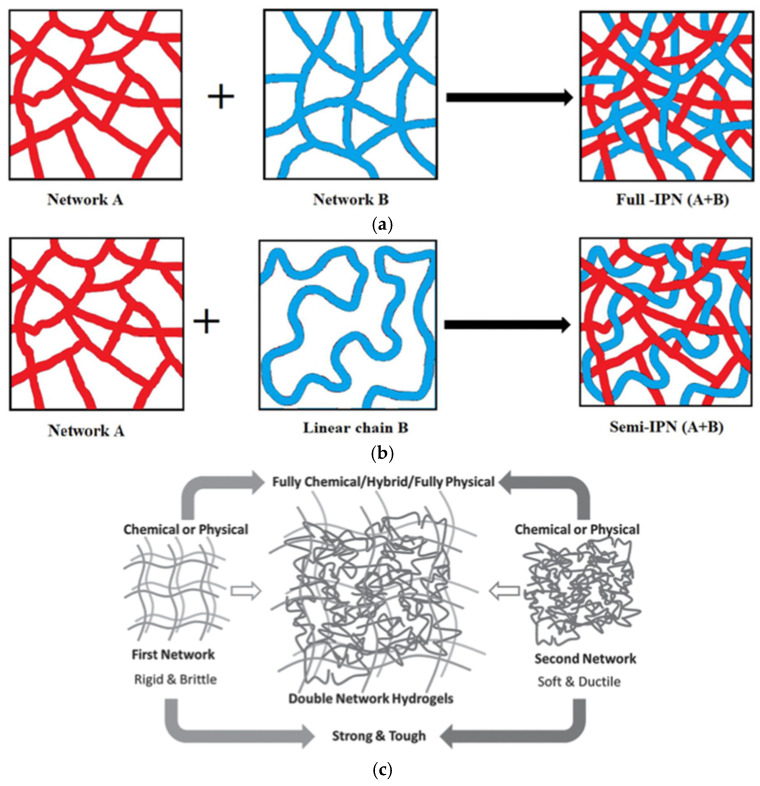
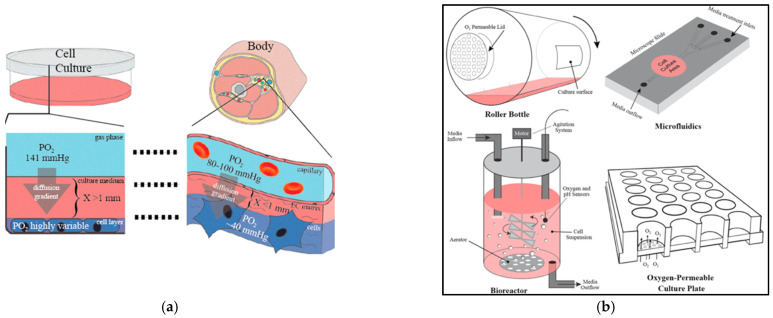
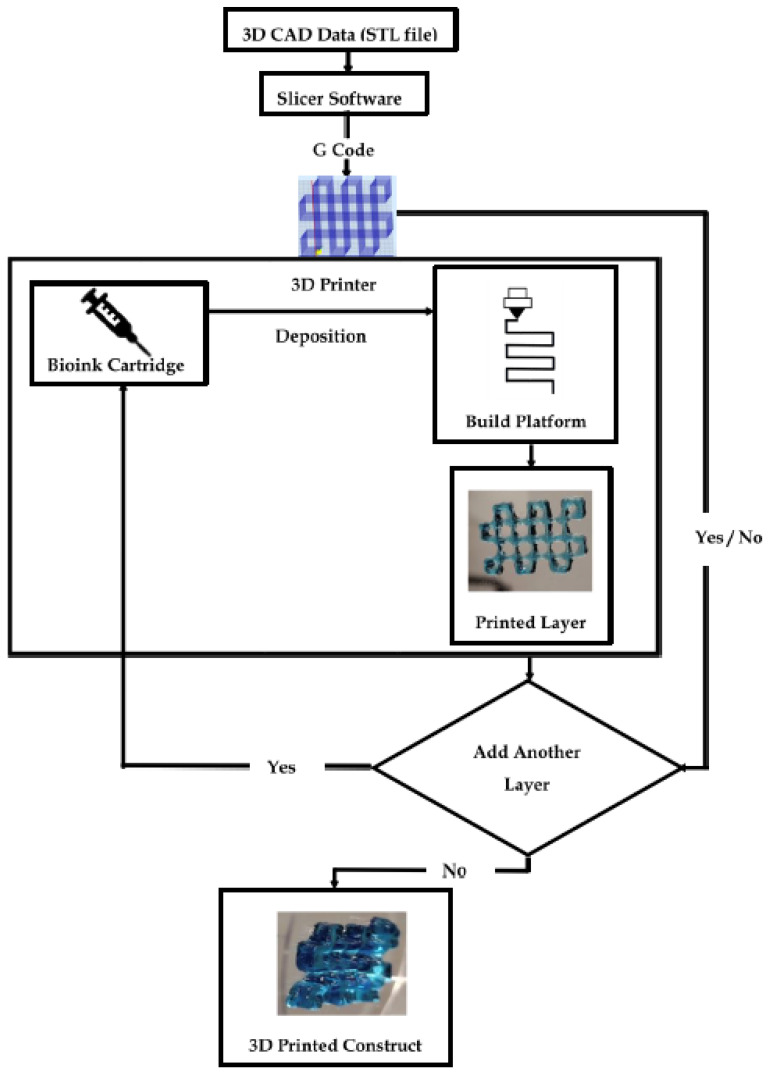
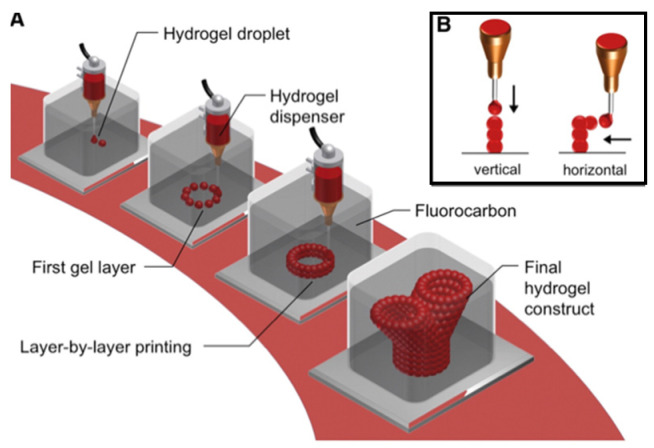
The past a few decades have seen exponential growth in the field of regenerative medicine. What began as extirpative (complete tissue or organ removal), with little regard to the effects of tissue loss and/or disfigurement, has evolved towards fabricating engineered tissues using personalized living cells (e.g., stem cells), and customizing a matrix or structural organization to support and guide tissue development. Biofabrication, largely accomplished through three-dimensional (3D) printing technology, provides precise, controlled, and layered assemblies of cells and biomaterials, emulating the heterogenous microenvironment of the in vivo tissue architecture. This review provides a concise framework for the bio-manufacturing process and addresses the contributions of hydrogels to biological modeling. The versatility of hydrogels in bioprinting is detailed along with an extensive elaboration of their physical, mechanical, and biological properties, as well as their assets and limitations in bioprinting. The scope of various hydrogels in tissue formation has been discussed through the case studies of biofabricated 3D constructs in order to provide the readers with a glimpse into the barrier-breaking accomplishments of biomedical sciences. In the end, the restraints of bioprinting itself are discussed, accompanied with the identification of available engineering strategies to overcome them.
在过去几十年里,再生医学领域呈指数级增长。最初的治疗方式是切除(完全去除组织或器官),几乎不考虑组织损失和/或毁容的影响,如今已发展为利用个性化活细胞(如干细胞)制造工程组织,并定制基质或结构组织以支持和引导组织发育。生物制造主要通过三维(3D)打印技术完成,可提供精确、可控且分层的细胞和生物材料组装体,模拟体内组织结构的异质微环境。本综述为生物制造过程提供了一个简明框架,并探讨了水凝胶对生物建模的贡献。详细介绍了水凝胶在生物打印中的多功能性,以及其物理、机械和生物学特性,及其在生物打印中的优势和局限性。通过生物制造3D构建体的案例研究,讨论了各种水凝胶在组织形成中的应用范围,以便让读者了解生物医学科学的突破性成就。最后,讨论了生物打印本身的限制,并确定了可用的工程策略来克服这些限制。