Suri Jasjit S, Paul Sudip, Maindarkar Maheshrao A, Puvvula Anudeep, Saxena Sanjay, Saba Luca, Turk Monika, Laird John R, Khanna Narendra N, Viskovic Klaudija, Singh Inder M, Kalra Mannudeep, Krishnan Padukode R, Johri Amer, Paraskevas Kosmas I
Stroke Monitoring and Diagnostic Division, AtheroPoint™, Roseville, CA 95661, USA.
Department of Biomedical Engineering, North Eastern Hill University, Shillong 793022, India.
Metabolites. 2022 Mar 31;12(4):312. doi: 10.3390/metabo12040312.
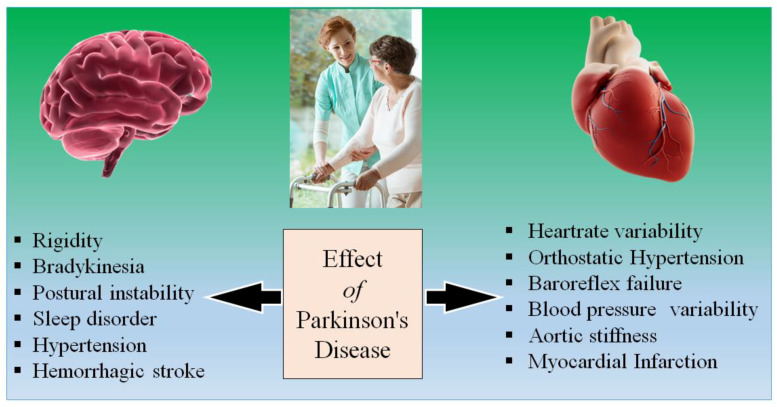
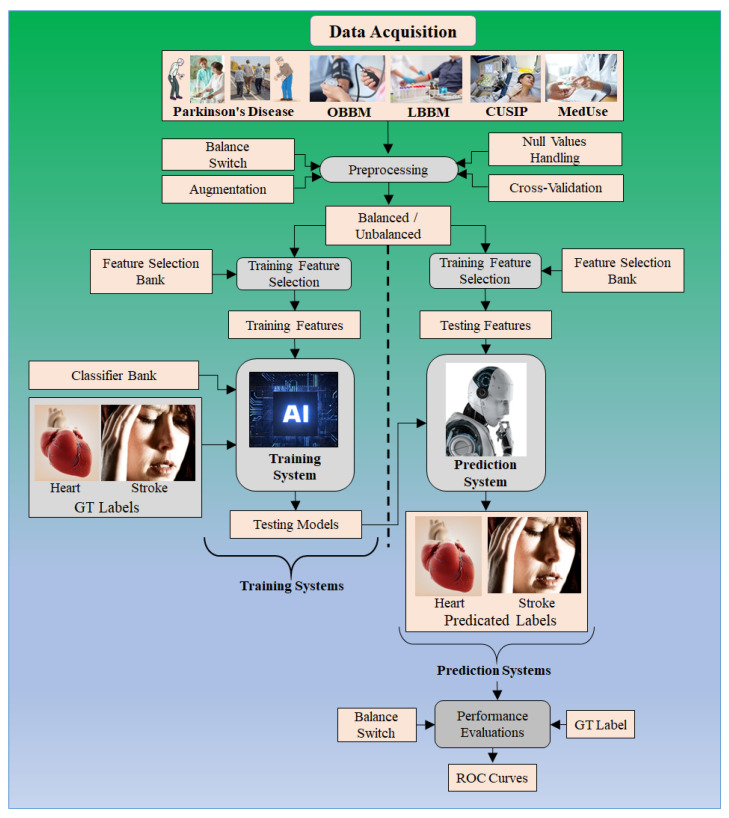
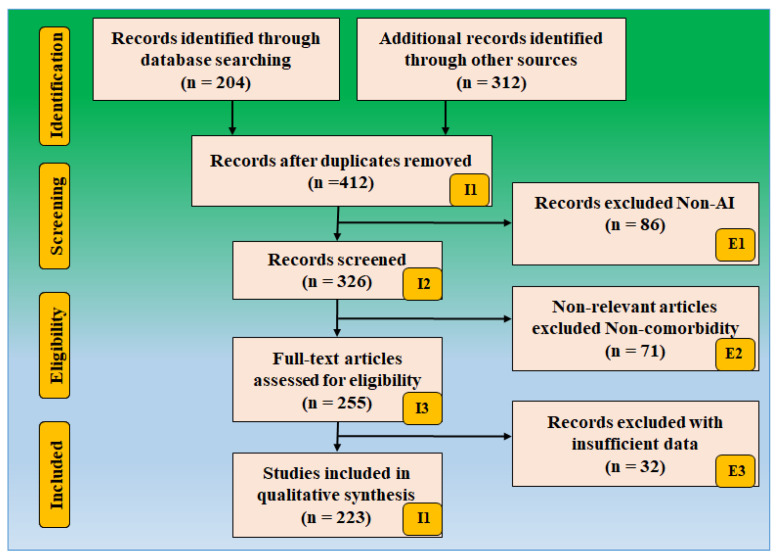
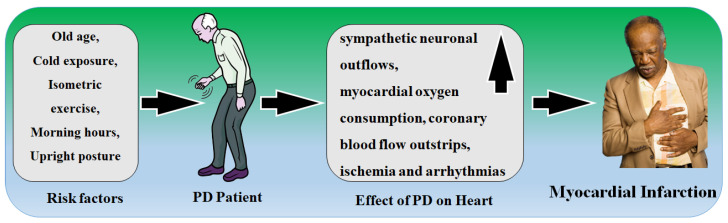
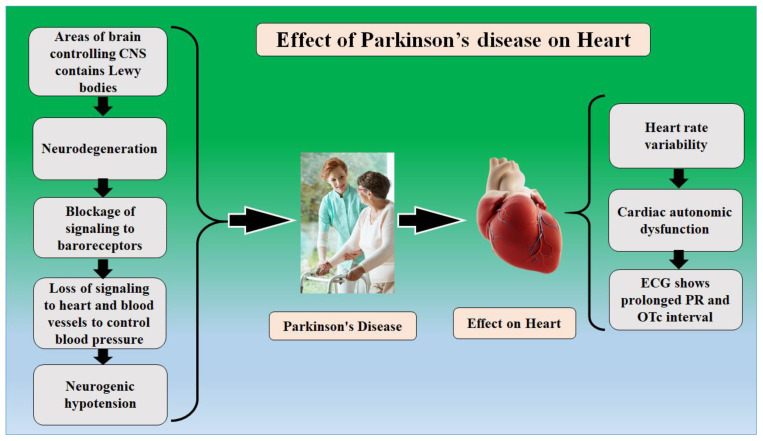
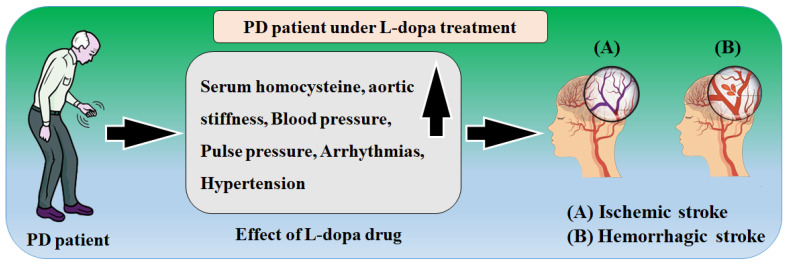
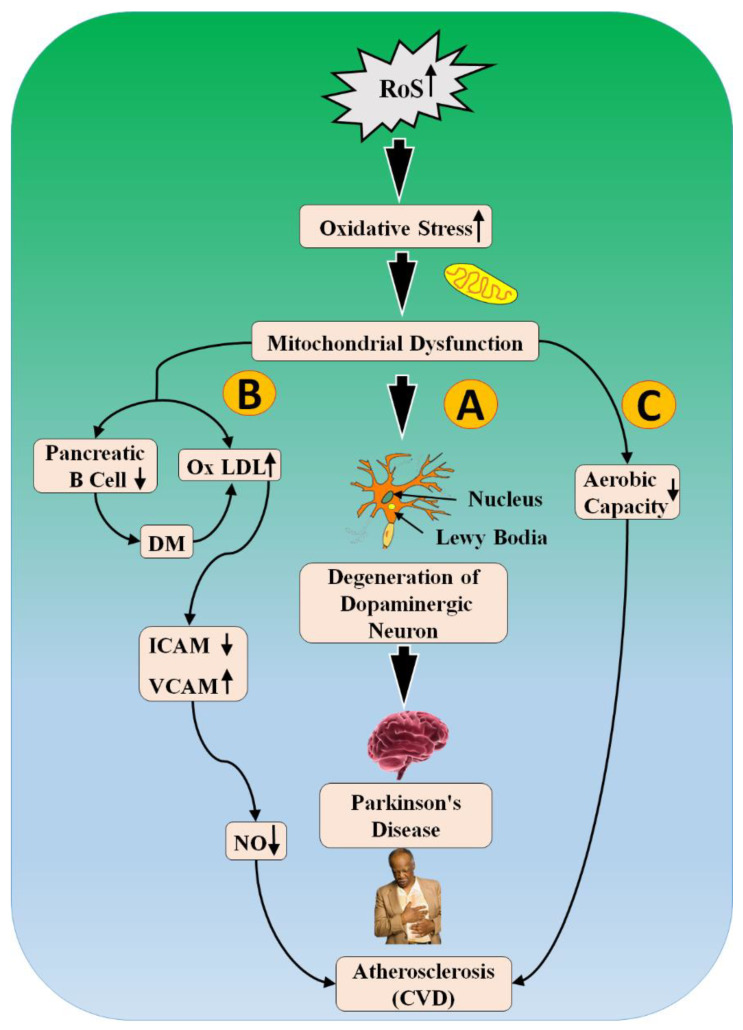
Parkinson’s disease (PD) is a severe, incurable, and costly condition leading to heart failure. The link between PD and cardiovascular disease (CVD) is not available, leading to controversies and poor prognosis. Artificial Intelligence (AI) has already shown promise for CVD/stroke risk stratification. However, due to a lack of sample size, comorbidity, insufficient validation, clinical examination, and a lack of big data configuration, there have been no well-explained bias-free AI investigations to establish the CVD/Stroke risk stratification in the PD framework. The study has two objectives: (i) to establish a solid link between PD and CVD/stroke; and (ii) to use the AI paradigm to examine a well-defined CVD/stroke risk stratification in the PD framework. The PRISMA search strategy selected 223 studies for CVD/stroke risk, of which 54 and 44 studies were related to the link between PD-CVD, and PD-stroke, respectively, 59 studies for joint PD-CVD-Stroke framework, and 66 studies were only for the early PD diagnosis without CVD/stroke link. Sequential biological links were used for establishing the hypothesis. For AI design, PD risk factors as covariates along with CVD/stroke as the gold standard were used for predicting the CVD/stroke risk. The most fundamental cause of CVD/stroke damage due to PD is cardiac autonomic dysfunction due to neurodegeneration that leads to heart failure and its edema, and this validated our hypothesis. Finally, we present the novel AI solutions for CVD/stroke risk prediction in the PD framework. The study also recommends strategies for removing the bias in AI for CVD/stroke risk prediction using the PD framework.
帕金森病(PD)是一种严重、无法治愈且代价高昂的疾病,可导致心力衰竭。PD与心血管疾病(CVD)之间的联系尚不明确,这引发了争议并导致预后不良。人工智能(AI)已在CVD/中风风险分层方面展现出前景。然而,由于样本量不足、合并症、验证不充分、临床检查以及缺乏大数据配置,尚无充分解释且无偏差的AI研究来在PD框架中建立CVD/中风风险分层。本研究有两个目标:(i)在PD与CVD/中风之间建立坚实联系;(ii)使用AI范式在PD框架中检验明确的CVD/中风风险分层。PRISMA检索策略筛选出223项关于CVD/中风风险的研究,其中分别有54项和44项研究与PD - CVD以及PD - 中风之间的联系相关,59项研究涉及联合的PD - CVD - 中风框架,66项研究仅针对无CVD/中风联系的早期PD诊断。采用序贯生物学联系来建立假设。对于AI设计,将PD风险因素作为协变量,并将CVD/中风作为金标准用于预测CVD/中风风险。PD导致CVD/中风损害的最根本原因是神经退行性变引起的心脏自主神经功能障碍,进而导致心力衰竭及其水肿,这验证了我们的假设。最后,我们展示了在PD框架中用于CVD/中风风险预测的新型AI解决方案。该研究还推荐了使用PD框架消除AI在CVD/中风风险预测中偏差的策略。