Khanna Narendra N, Maindarkar Mahesh, Saxena Ajit, Ahluwalia Puneet, Paul Sudip, Srivastava Saurabh K, Cuadrado-Godia Elisa, Sharma Aditya, Omerzu Tomaz, Saba Luca, Mavrogeni Sophie, Turk Monika, Laird John R, Kitas George D, Fatemi Mostafa, Barqawi Al Baha, Miner Martin, Singh Inder M, Johri Amer, Kalra Mannudeep M, Agarwal Vikas, Paraskevas Kosmas I, Teji Jagjit S, Fouda Mostafa M, Pareek Gyan, Suri Jasjit S
Department of Cardiology, Indraprastha APOLLO Hospitals, New Delhi 110076, India.
Department of Biomedical Engineering, North Eastern Hill University, Shillong 793022, India.
Diagnostics (Basel). 2022 May 17;12(5):1249. doi: 10.3390/diagnostics12051249.
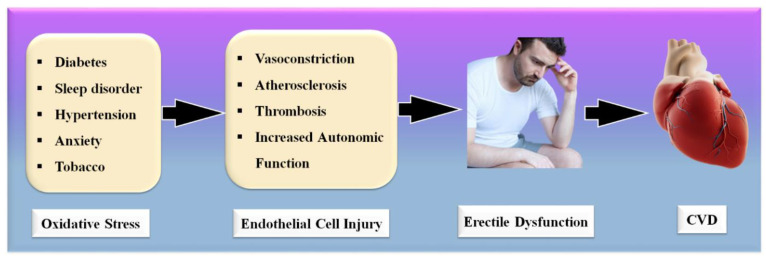
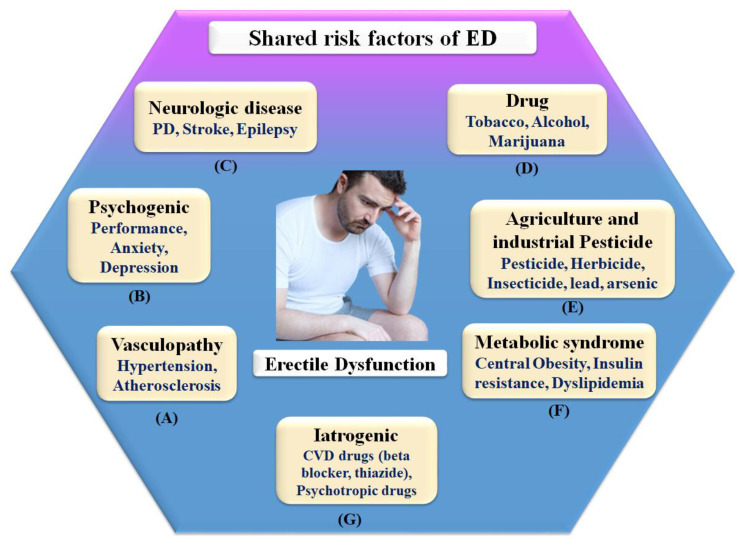
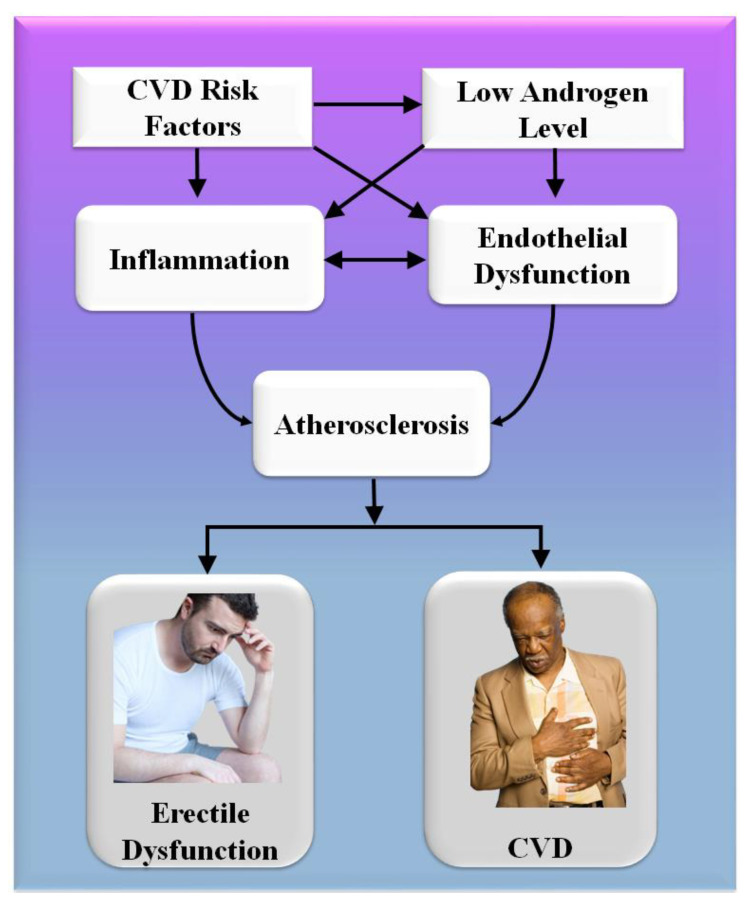
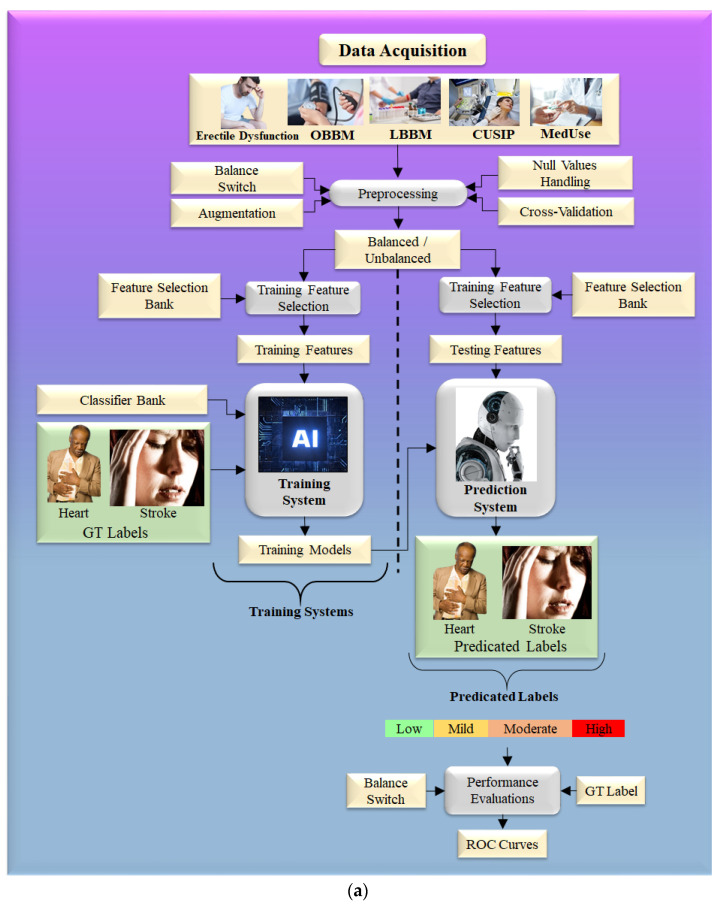
The role of erectile dysfunction (ED) has recently shown an association with the risk of stroke and coronary heart disease (CHD) via the atherosclerotic pathway. Cardiovascular disease (CVD)/stroke risk has been widely understood with the help of carotid artery disease (CTAD), a surrogate biomarker for CHD. The proposed study emphasizes artificial intelligence-based frameworks such as machine learning (ML) and deep learning (DL) that can accurately predict the severity of CVD/stroke risk using carotid wall arterial imaging in ED patients.
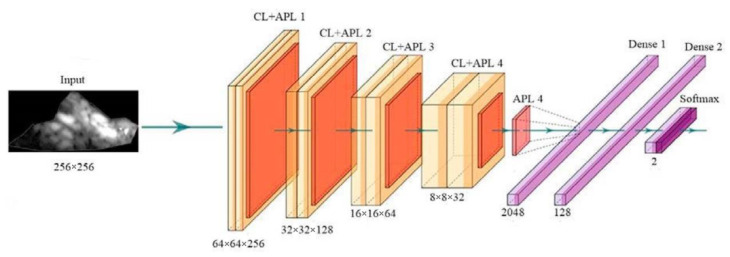
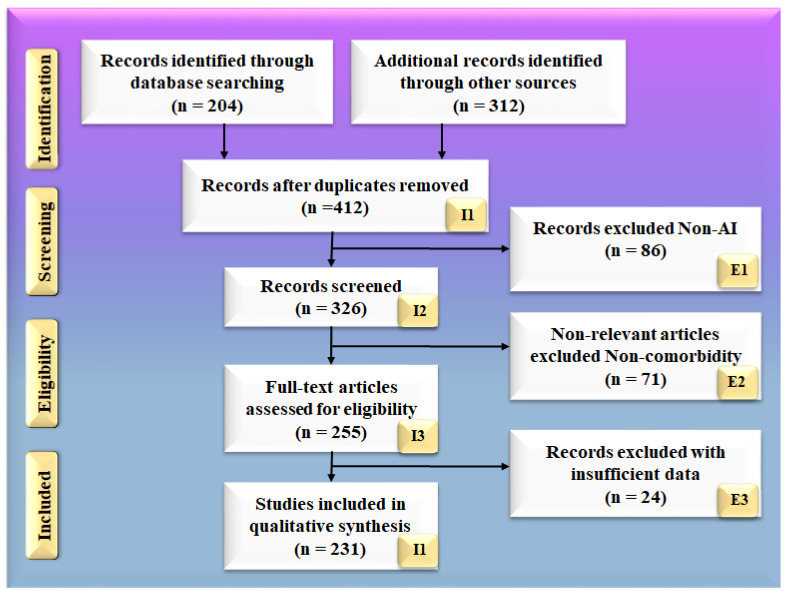
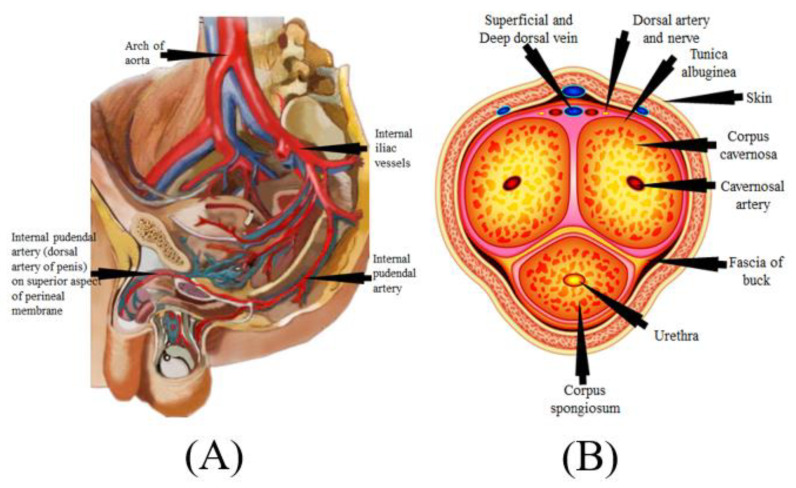
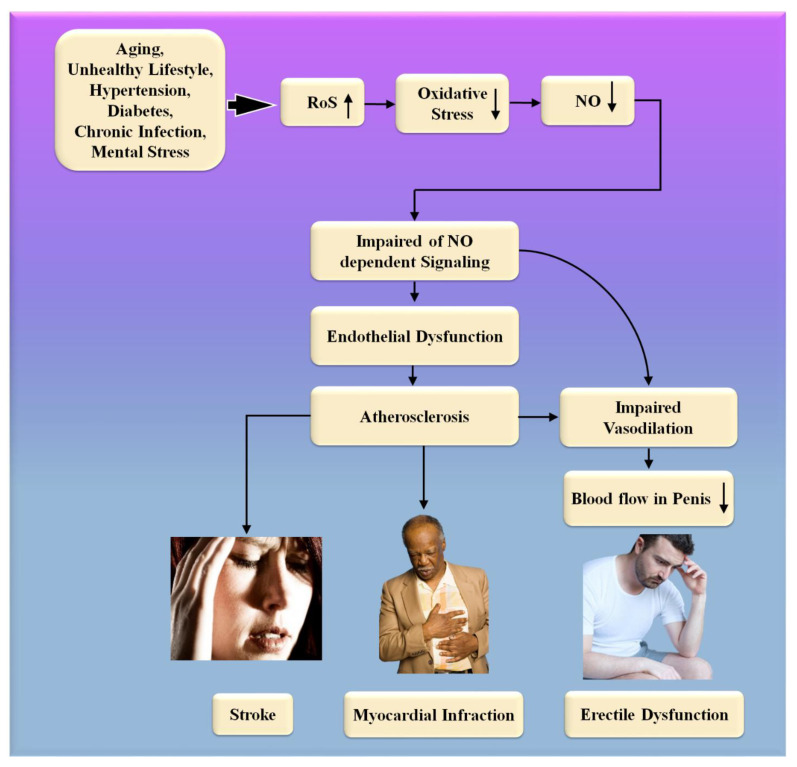
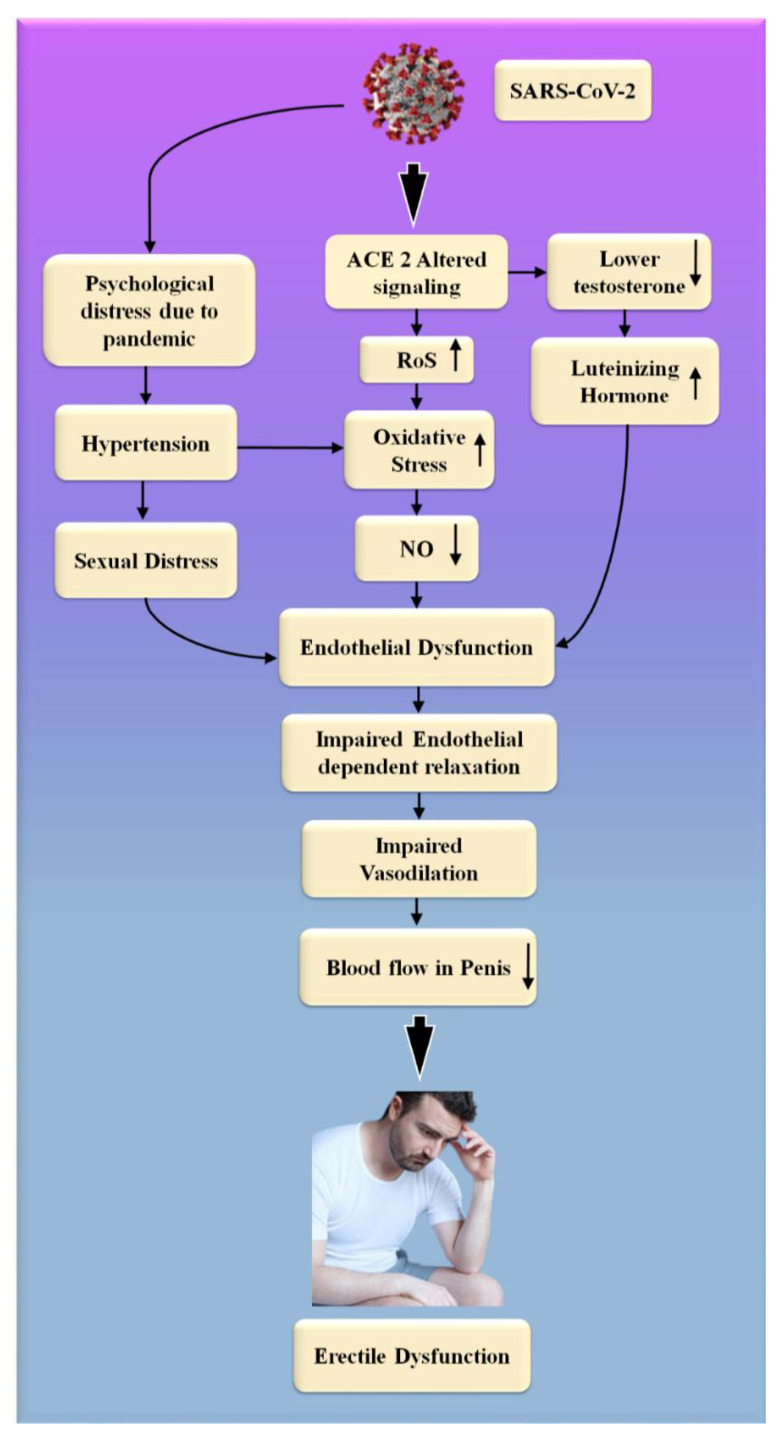
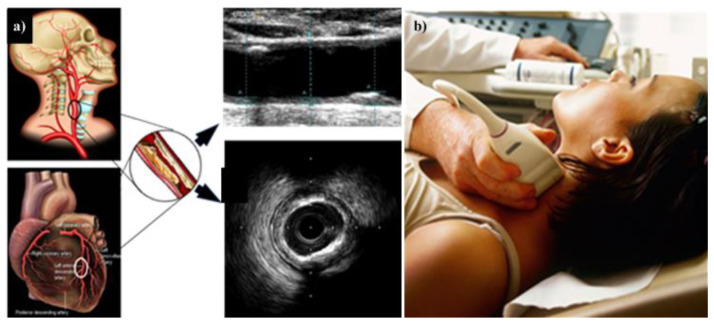
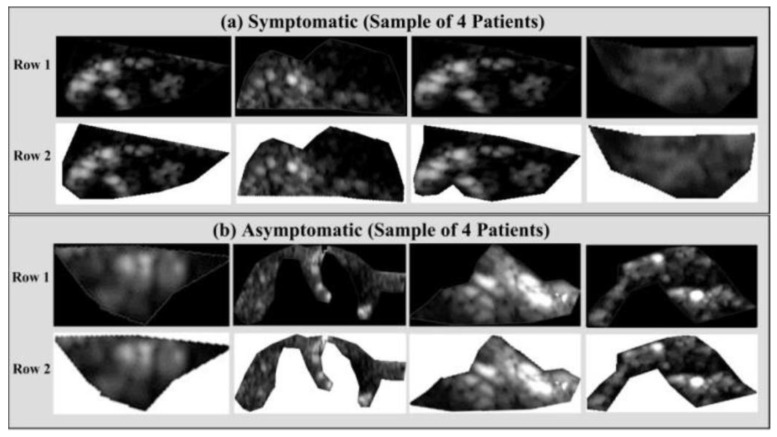
Using the PRISMA model, 231 of the best studies were selected. The proposed study mainly consists of two components: (i) the pathophysiology of ED and its link with coronary artery disease (COAD) and CHD in the ED framework and (ii) the ultrasonic-image morphological changes in the carotid arterial walls by quantifying the wall parameters and the characterization of the wall tissue by adapting the ML/DL-based methods, both for the prediction of the severity of CVD risk. The proposed study analyzes the hypothesis that ML/DL can lead to an accurate and early diagnosis of the CVD/stroke risk in ED patients. Our finding suggests that the routine ED patient practice can be amended for ML/DL-based CVD/stroke risk assessment using carotid wall arterial imaging leading to fast, reliable, and accurate CVD/stroke risk stratification.
We conclude that ML and DL methods are very powerful tools for the characterization of CVD/stroke in patients with varying ED conditions. We anticipate a rapid growth of these tools for early and better CVD/stroke risk management in ED patients.
勃起功能障碍(ED)的作用最近显示出通过动脉粥样硬化途径与中风和冠心病(CHD)风险相关。借助颈动脉疾病(CTAD)这一冠心病的替代生物标志物,心血管疾病(CVD)/中风风险已得到广泛理解。拟开展的研究强调基于人工智能的框架,如机器学习(ML)和深度学习(DL),它们能够利用ED患者的颈动脉壁动脉成像准确预测CVD/中风风险的严重程度。
使用PRISMA模型,挑选出231项最佳研究。拟开展的研究主要由两个部分组成:(i)ED的病理生理学及其在ED框架内与冠状动脉疾病(COAD)和CHD的联系;(ii)通过量化壁参数来分析颈动脉壁的超声图像形态变化,并采用基于ML/DL的方法对壁组织进行特征描述,两者均用于预测CVD风险的严重程度。拟开展的研究分析了ML/DL能够准确且早期诊断ED患者CVD/中风风险的假设。我们的研究结果表明,对于ED患者,可修正常规临床实践,采用基于ML/DL的方法,利用颈动脉壁动脉成像进行CVD/中风风险评估,从而实现快速、可靠且准确的CVD/中风风险分层。
我们得出结论,ML和DL方法是表征不同ED状况患者CVD/中风的非常强大的工具。我们预计这些工具将迅速发展,用于ED患者早期更好的CVD/中风风险管理。