Bhagawati Mrinalini, Paul Sudip, Agarwal Sushant, Protogeron Athanasios, Sfikakis Petros P, Kitas George D, Khanna Narendra N, Ruzsa Zoltan, Sharma Aditya M, Tomazu Omerzu, Turk Monika, Faa Gavino, Tsoulfas George, Laird John R, Rathore Vijay, Johri Amer M, Viskovic Klaudija, Kalra Manudeep, Balestrieri Antonella, Nicolaides Andrew, Singh Inder M, Chaturvedi Seemant, Paraskevas Kosmas I, Fouda Mostafa M, Saba Luca, Suri Jasjit S
Department of Biomedical Engineering, North-Eastern Hill University, Shillong, India.
Advanced Knowledge Engineering Centre, GBTI, Roseville, CA, USA.
Cardiovasc Diagn Ther. 2023 Jun 30;13(3):557-598. doi: 10.21037/cdt-22-438. Epub 2023 Jun 5.
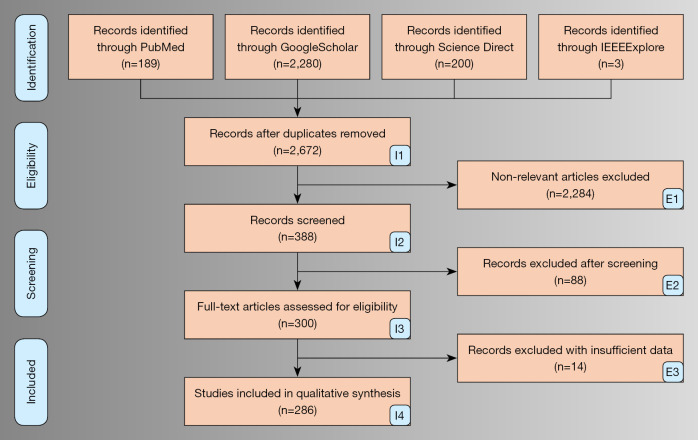
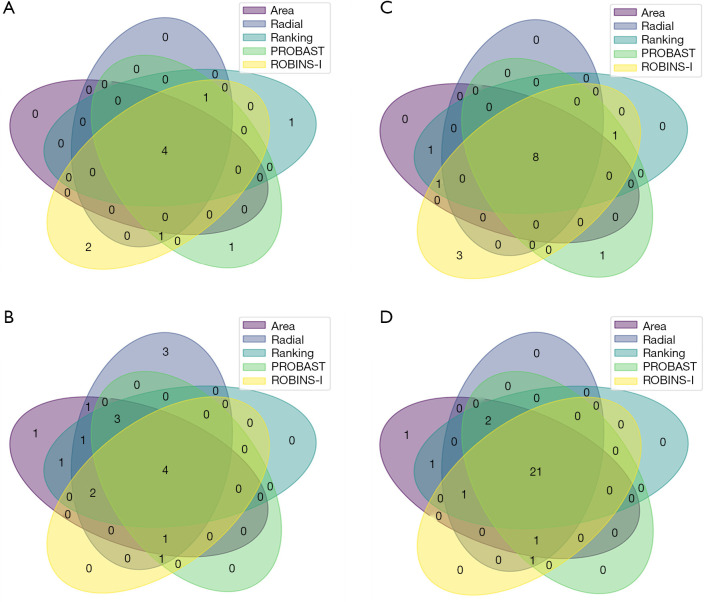
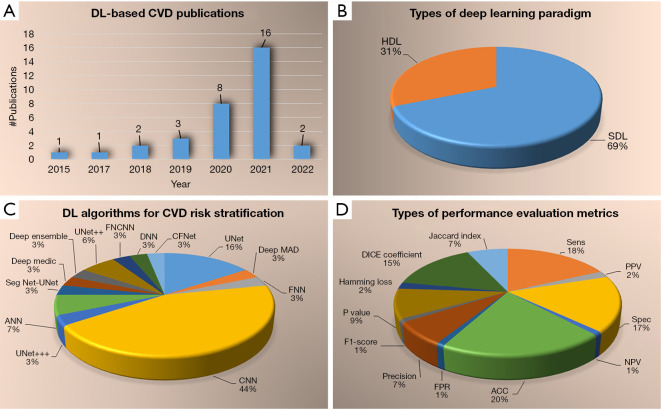
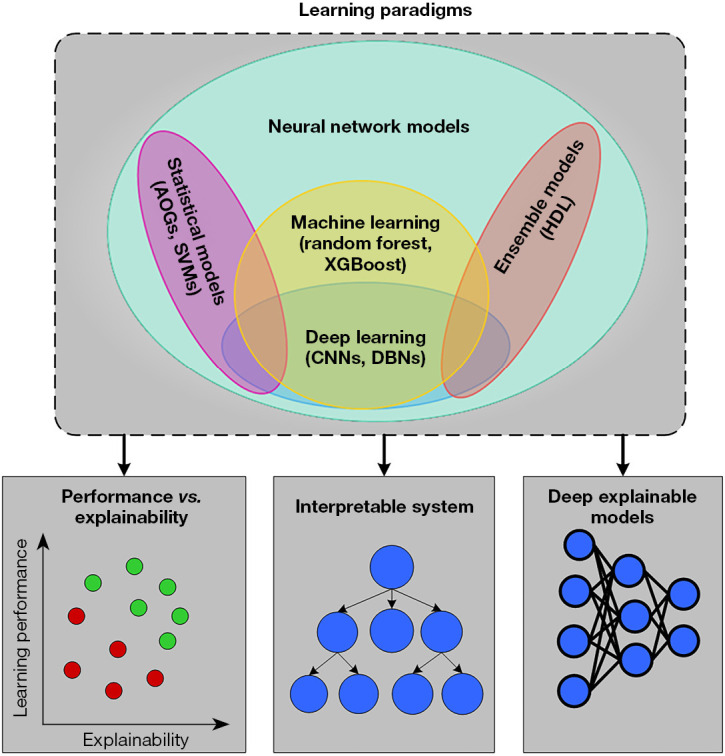
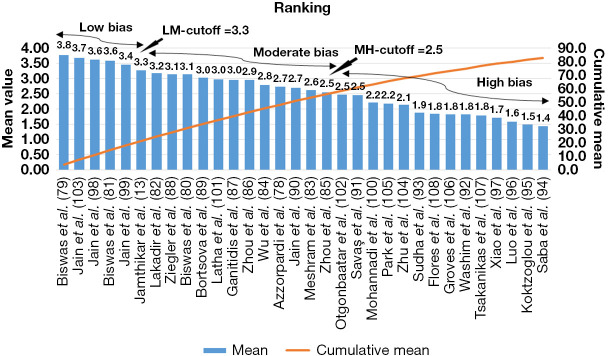
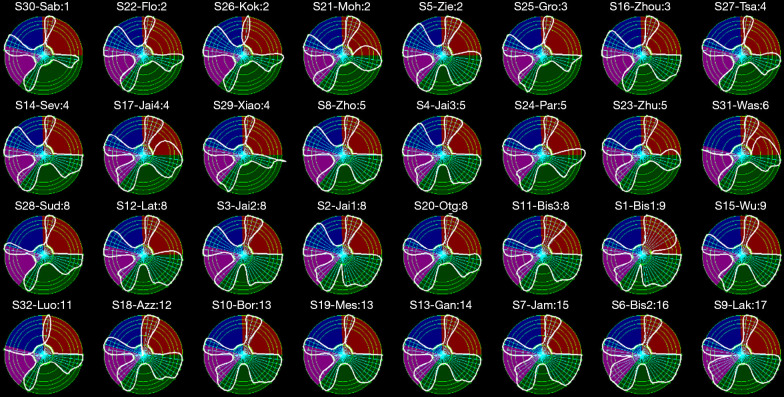
The global mortality rate is known to be the highest due to cardiovascular disease (CVD). Thus, preventive, and early CVD risk identification in a non-invasive manner is vital as healthcare cost is increasing day by day. Conventional methods for risk prediction of CVD lack robustness due to the non-linear relationship between risk factors and cardiovascular events in multi-ethnic cohorts. Few recently proposed machine learning-based risk stratification reviews without deep learning (DL) integration. The proposed study focuses on CVD risk stratification by the use of techniques mainly solo deep learning (SDL) and hybrid deep learning (HDL). Using a PRISMA model, 286 DL-based CVD studies were selected and analyzed. The databases included were Science Direct, IEEE Xplore, PubMed, and Google Scholar. This review is focused on different SDL and HDL architectures, their characteristics, applications, scientific and clinical validation, along with plaque tissue characterization for CVD/stroke risk stratification. Since signal processing methods are also crucial, the study further briefly presented Electrocardiogram (ECG)-based solutions. Finally, the study presented the risk due to bias in AI systems. The risk of bias tools used were (I) ranking method (RBS), (II) region-based map (RBM), (III) radial bias area (RBA), (IV) prediction model risk of bias assessment tool (PROBAST), and (V) risk of bias in non-randomized studies-of interventions (ROBINS-I). The surrogate carotid ultrasound image was mostly used in the UNet-based DL framework for arterial wall segmentation. Ground truth (GT) selection is vital for reducing the risk of bias (RoB) for CVD risk stratification. It was observed that the convolutional neural network (CNN) algorithms were widely used since the feature extraction process was automated. The ensemble-based DL techniques for risk stratification in CVD are likely to supersede the SDL and HDL paradigms. Due to the reliability, high accuracy, and faster execution on dedicated hardware, these DL methods for CVD risk assessment are powerful and promising. The risk of bias in DL methods can be best reduced by considering multicentre data collection and clinical evaluation.
众所周知,全球死亡率最高的原因是心血管疾病(CVD)。因此,随着医疗成本日益增加,以非侵入性方式进行预防性和早期CVD风险识别至关重要。由于多民族队列中风险因素与心血管事件之间存在非线性关系,传统的CVD风险预测方法缺乏稳健性。最近很少有基于机器学习的风险分层综述未整合深度学习(DL)。本研究主要聚焦于通过单独深度学习(SDL)和混合深度学习(HDL)技术进行CVD风险分层。使用PRISMA模型,选择并分析了286项基于DL的CVD研究。纳入的数据库有科学Direct、IEEE Xplore、PubMed和谷歌学术。本综述聚焦于不同的SDL和HDL架构、它们的特点、应用、科学和临床验证,以及用于CVD/中风风险分层的斑块组织特征。由于信号处理方法也很关键,该研究还简要介绍了基于心电图(ECG)的解决方案。最后,该研究介绍了人工智能系统中偏差导致的风险。所使用的偏差风险工具包括:(I)排名方法(RBS)、(II)基于区域的地图(RBM)、(III)径向偏差区域(RBA)、(IV)预测模型偏差风险评估工具(PROBAST),以及(V)非随机干预研究中的偏差风险(ROBINS-I)。在基于UNet的DL框架中,替代颈动脉超声图像主要用于动脉壁分割。真实值(GT)的选择对于降低CVD风险分层的偏差风险(RoB)至关重要。据观察,卷积神经网络(CNN)算法被广泛使用,因为特征提取过程是自动化的。用于CVD风险分层的基于集成的DL技术可能会取代SDL和HDL范式。由于这些DL方法具有可靠性、高精度以及在专用硬件上执行速度更快的特点,它们在CVD风险评估中功能强大且前景广阔。通过考虑多中心数据收集和临床评估,可以最好地降低DL方法中的偏差风险。