Department of Biochemistry and Pharmacology, School of Medicine, University of Marília, Marília 17525-902, SP, Brazil.
Postgraduate Program in Structural and Functional Interactions in Rehabilitation, University of Marília, Marília 17525-902, SP, Brazil.
Nutrients. 2022 Apr 16;14(8):1665. doi: 10.3390/nu14081665.
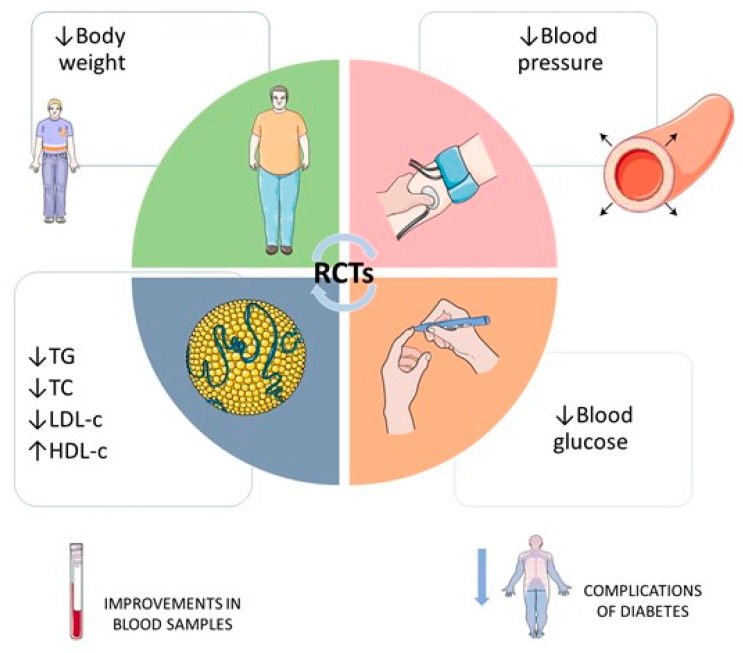
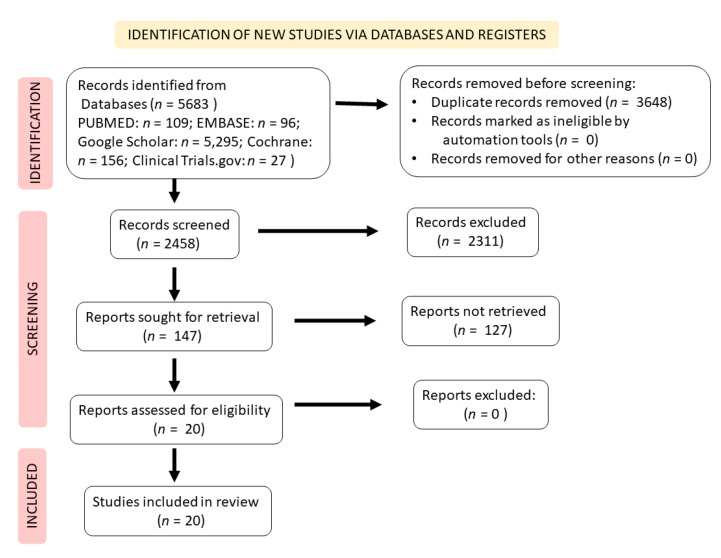
Pomegranate ( L.) can be considered a multipurpose medicinal and dietary plant due to its anti-inflammatory and antioxidant actions. Pomegranate can be used to prevent or treat metabolic syndrome (MetS) risk factors. Although previously published reviews addressed the effects of pomegranate on different diseases, there is no systematic review that exclusively focuses on clinical trials related to all MetS-related risk factors. In view of this limitation, the objective of this up-to-date, comprehensive, and systematic review is to critically evaluate the potential of pomegranate () on various MetS risk factors on the basis of clinical studies. PubMed, EMBASE, MEDLINE, Google Scholar, COCHRANE, and Clinical Trials.gov databases were searched on 15 October 2021. The Preferred Reporting Items for a Systematic Review and Meta-Analysis guidelines were followed, and the bias risk evaluation was performed according to the Cochrane Handbook for Systematic Reviews of Interventions. We identified 5683 studies in the databases. After removing the duplicates, 3418 studies remained. Of these, 147 studies met the eligibility criteria, and finally, only 20 were included in the qualitative analysis. The included studies suggest that pomegranate can be beneficial to reduce body weight, blood pressure, glycemia, triglycerides, total cholesterol, and low-density lipoprotein cholesterol. Moreover, it can augment high-density lipoprotein cholesterol levels and improve insulin resistance. Although relevant effects were observed, additional well-designed clinical trials are needed to determine the correct formulations and doses to be used to prevent or treat MetS components.
石榴(L.)因其抗炎和抗氧化作用,可以被视为一种多用途的药用和食用植物。石榴可用于预防或治疗代谢综合征(MetS)的危险因素。虽然以前发表的综述探讨了石榴对不同疾病的影响,但没有专门针对与所有 MetS 相关危险因素相关的临床试验的系统综述。鉴于此局限性,本最新、全面和系统的综述旨在根据临床研究,批判性评估石榴对各种 MetS 危险因素的潜在作用。于 2021 年 10 月 15 日检索了 PubMed、EMBASE、MEDLINE、Google Scholar、COCHRANE 和 ClinicalTrials.gov 数据库。本研究遵循了系统评价和荟萃分析的首选报告项目(PRISMA)指南,并根据 Cochrane 干预系统评价手册对偏倚风险进行了评估。我们在数据库中发现了 5683 项研究。去除重复项后,剩余 3418 项。其中,147 项研究符合入选标准,最终只有 20 项研究纳入定性分析。纳入的研究表明,石榴可有助于减轻体重、降低血压、血糖、甘油三酯、总胆固醇和低密度脂蛋白胆固醇。此外,它可以提高高密度脂蛋白胆固醇水平并改善胰岛素抵抗。尽管观察到了相关的效果,但需要更多设计良好的临床试验来确定用于预防或治疗 MetS 成分的正确配方和剂量。