Isozaki Shotaro, Konishi Hiroaki, Tanaka Hiroki, Yamamura Chikage, Moriichi Kentaro, Ogawa Naoki, Fujiya Mikihiro
Division of Metabolism and Biosystemic Science, Gastroenterology, and Hematology/Oncology, Department of Medicine, Asahikawa Medical University, Asahikawa, 078-8510, Japan.
Department of Forensic Medicine, Tokai University School of Medicine, Isehara, 259-1193, Japan.
BMC Microbiol. 2022 Apr 22;22(1):110. doi: 10.1186/s12866-022-02530-0.
Several microorganisms inhabit the mammalian gastrointestinal tract and are associated with the pathogenesis of various diseases, including cancer. Recent studies have indicated that several probiotics produce antitumor molecules and inhibit host tumor progression. We demonstrated that heptelidic acid (HA), a sesquiterpene lactone derived from the probiotic Aspergillus oryzae, exerts antitumor effects against pancreatic cancer in vitro and in vivo. In this study, the antitumor effects of HA against extraintestinal melanoma were assessed in vitro and in vivo.
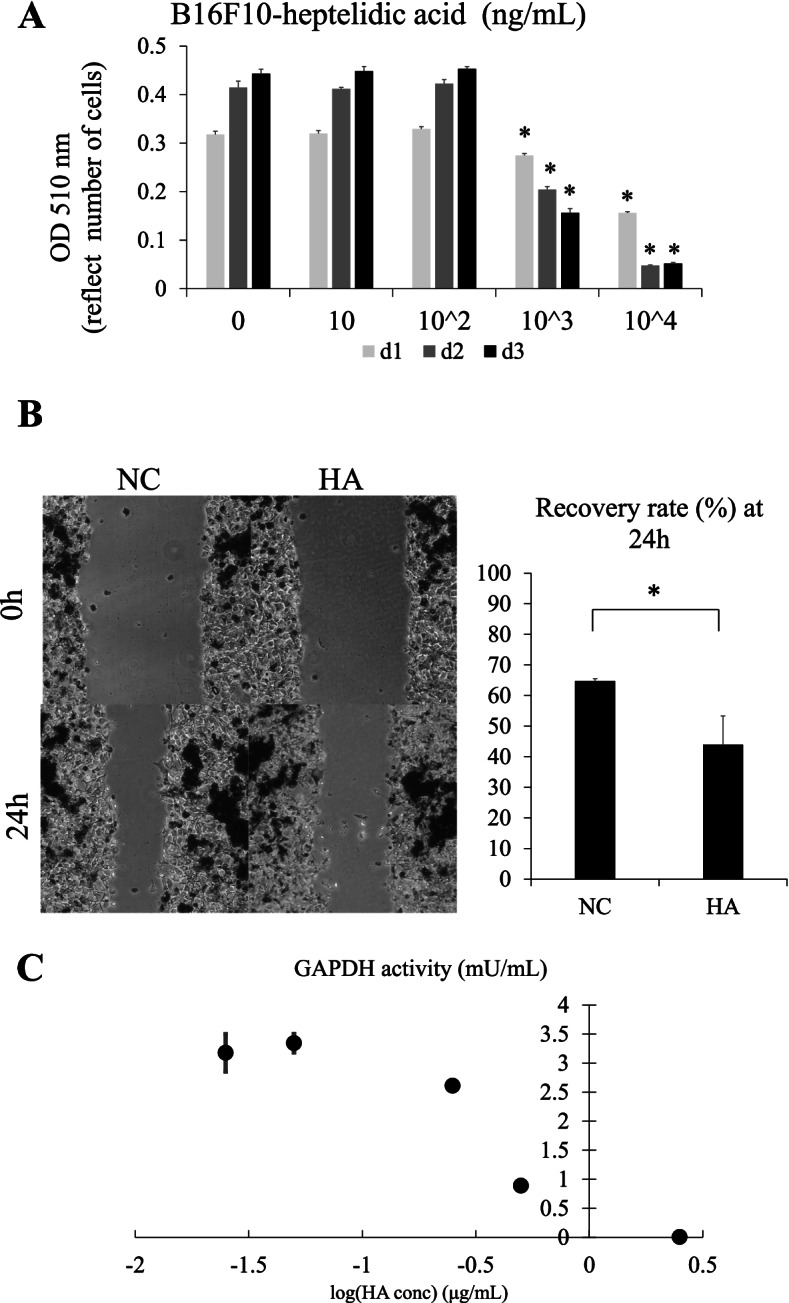
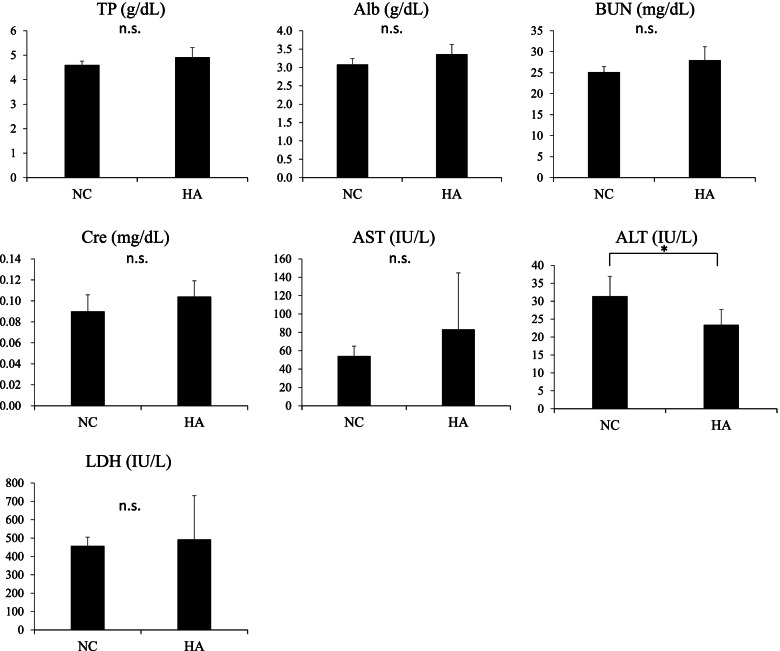
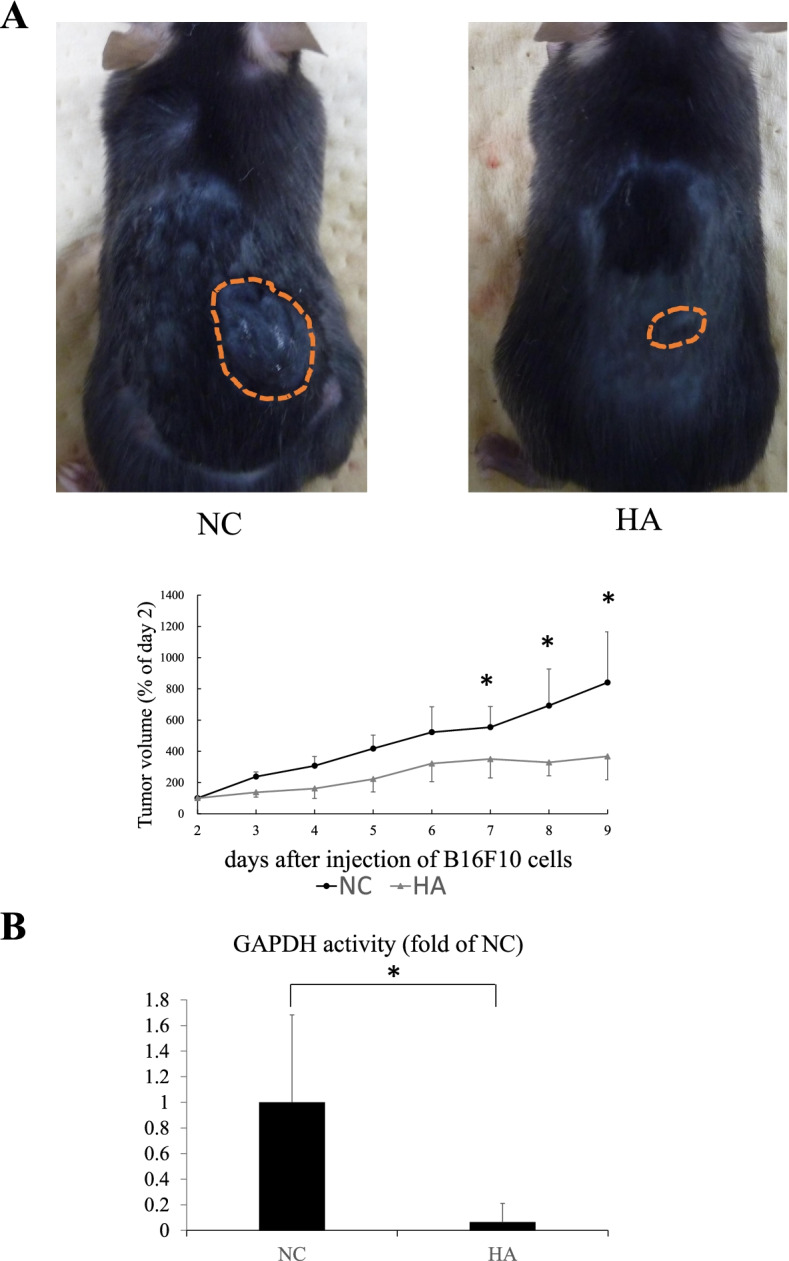
Sulforhodamine B (SRB) assay revealed that the growth of B16F10 cells was significantly inhibited by HA in a concentration-dependent manner. The enzymatic activity of glyceraldehyde-3-phosphate dehydrogenase (GAPDH) decreased in proportion with the growth inhibition effect of HA. Moreover, oral HA administration significantly suppressed the growth of transplanted B16F10 tumors without any significant changes in biochemical test values. Moreover, GAPDH activity in the transplanted tumor tissues in the HA group significantly decreased compared with that in the PBS group.
This study suggests that orally administered HA was absorbed in the gastrointestinal tract, reached the cancer cells transplanted in the skin, and inhibited GAPDH activity, thereby inhibiting the growth of extraintestinal melanoma cells. Thus, this study proposes a novel system for extraintestinal tumor regulation via gut bacteria-derived bioactive mediators.
多种微生物栖息于哺乳动物胃肠道,与包括癌症在内的多种疾病的发病机制相关。近期研究表明,几种益生菌可产生抗肿瘤分子并抑制宿主肿瘤进展。我们证明了源自益生菌米曲霉的倍半萜内酯庚二烯酸(HA)在体外和体内对胰腺癌均具有抗肿瘤作用。在本研究中,我们在体外和体内评估了HA对肠外黑色素瘤的抗肿瘤作用。
磺酰罗丹明B(SRB)测定显示,HA以浓度依赖性方式显著抑制B16F10细胞的生长。甘油醛-3-磷酸脱氢酶(GAPDH)的酶活性随HA的生长抑制作用成比例降低。此外,口服HA显著抑制移植的B16F10肿瘤的生长,而生化测试值无任何显著变化。此外,与PBS组相比,HA组移植肿瘤组织中的GAPDH活性显著降低。
本研究表明,口服HA在胃肠道被吸收,到达皮肤移植的癌细胞,并抑制GAPDH活性,从而抑制肠外黑色素瘤细胞的生长。因此,本研究提出了一种通过肠道细菌衍生的生物活性介质调节肠外肿瘤生长的新系统。