Pozio Edoardo
Department of Infectious Diseases, Istituto Superiore di Sanità, Rome, Italy.
Food Waterborne Parasitol. 2022 Apr 18;27:e00154. doi: 10.1016/j.fawpar.2022.e00154. eCollection 2022 Jun.
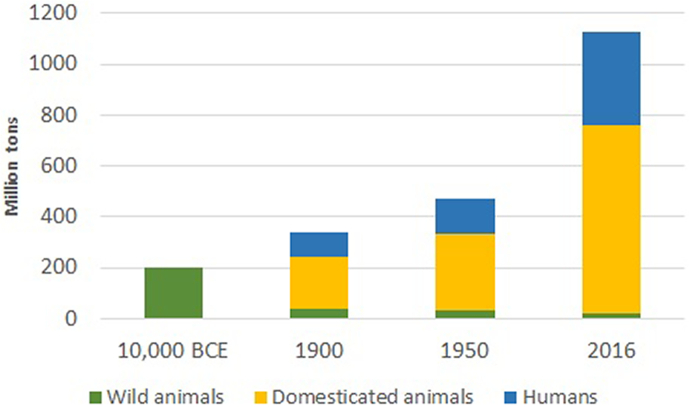
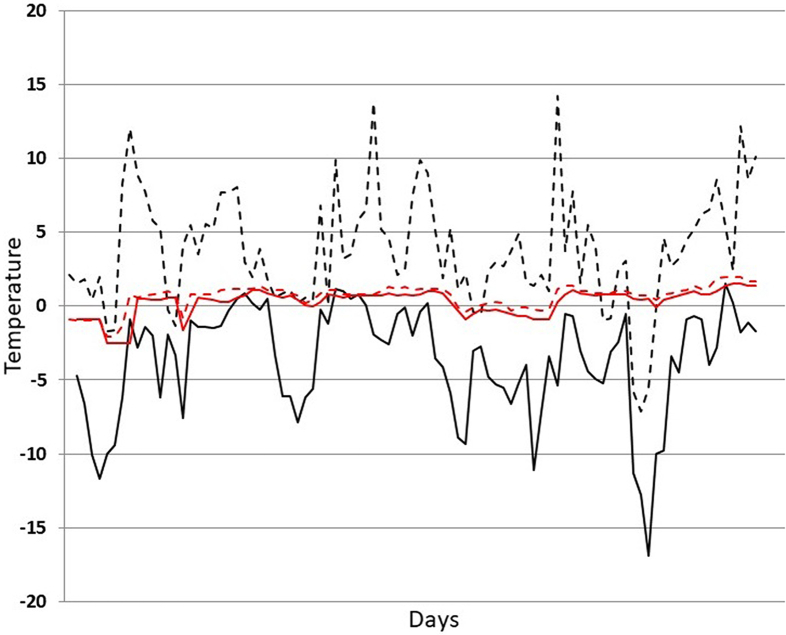
The main reservoir hosts of nematodes of the genus are wild carnivores, although most human infections are caused by the consumption of pork. This group of zoonotic parasites completes the entire natural life cycle within the host organism. However, there is an important phase of the cycle that has only been highlighted in recent years and which concerns the permanence of the infecting larvae in the striated muscles of the host carcasses waiting to be ingested by a new host. To survive in this unique biological niche, spp. larvae have developed an anaerobic metabolism for their survival in rotting carcasses and, for some species, a resistance to freezing for months or years in cold regions. Climate changes with increasingly temperatures and reduction of environmental humidity lower the survival time of larvae in host carcasses. In addition, environmental changes affect the biology and ecology of the main host species, reducing their number and age composition due to natural habitat fragmentation caused by increasing human settlements, extensive monocultures, increasing number of food animals, and reduction of trophic chains and biodiversity. All of these factors lead to a reduction in biological and environmental complexity that is the key to the natural host-parasite balance. In conclusion, nematodes can be considered as an indicator of a health natural ecosystem.
该属线虫的主要储存宿主是野生食肉动物,尽管大多数人类感染是由食用猪肉引起的。这组人畜共患寄生虫在宿主体内完成整个自然生命周期。然而,该周期中有一个重要阶段直到近年来才被凸显出来,它涉及感染性幼虫在宿主尸体横纹肌中的存留,等待被新宿主摄入。为了在这个独特的生态位中生存,该属幼虫已发展出厌氧代谢以在腐烂尸体中存活,并且对于某些物种而言,在寒冷地区对数月或数年的冷冻具有抗性。气温升高和环境湿度降低的气候变化缩短了幼虫在宿主尸体中的存活时间。此外,环境变化影响主要宿主物种的生物学和生态学,由于人类定居点增加、广泛的单一栽培、食用动物数量增加以及营养链和生物多样性减少导致自然栖息地破碎化,从而减少了它们的数量和年龄组成。所有这些因素导致生物和环境复杂性降低,而这是自然宿主 - 寄生虫平衡的关键。总之,该属线虫可被视为健康自然生态系统的一个指标。