Tomaszewska J, Bieliński D, Binczarski M, Berlowska J, Dziugan P, Piotrowski J, Stanishevsky A, Witońska I A
Institute of General and Ecological Chemistry, Lodz University of Technology 116 Zeromskiego Street Lodz 90-924 Poland
Institute of Polymer & Dye Technology, Lodz University of Technology 12/16 Stefanowskiego Street Lodz 90-924 Poland.
RSC Adv. 2018 Jan 17;8(6):3161-3177. doi: 10.1039/c7ra12782k. eCollection 2018 Jan 12.
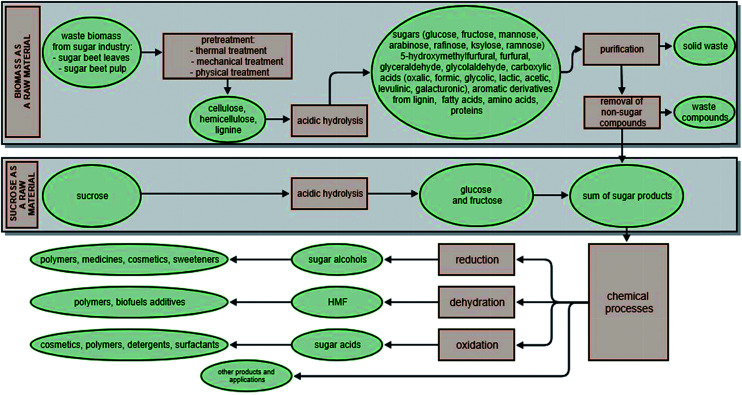
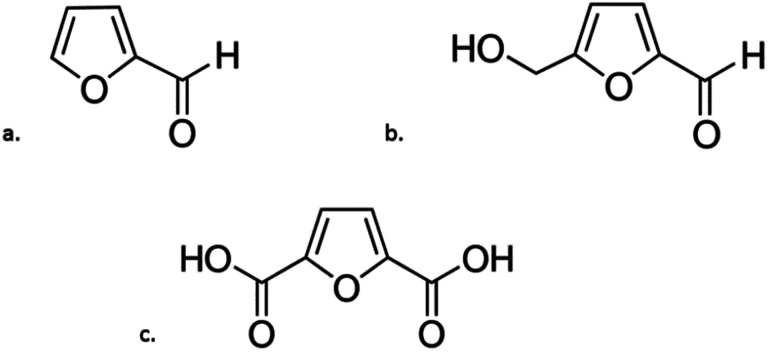
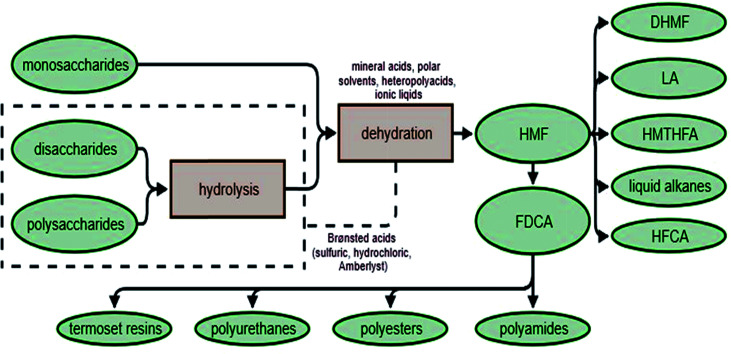
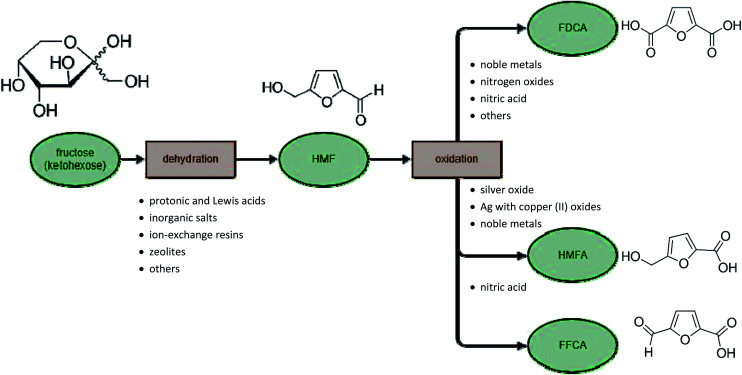
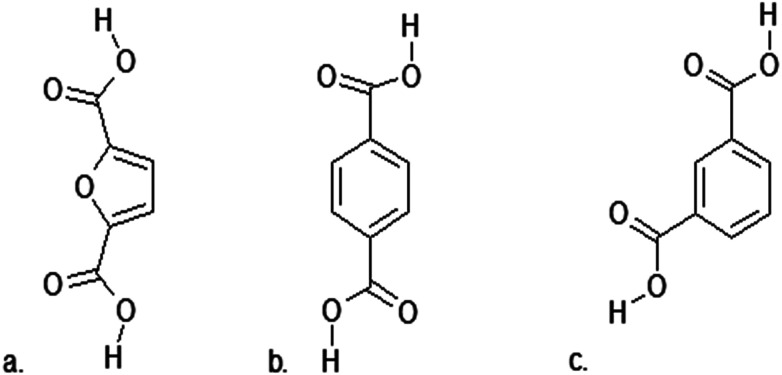
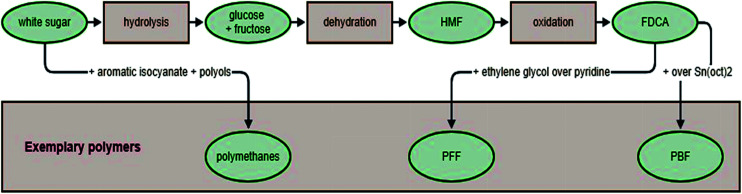
This paper presents an overview of alternative uses for products of sugar beet processing, especially sucrose, as chemical raw materials for the production of biodegradable polymers. Traditionally, sucrose has not been considered as a chemical raw material, because of its use in the food industry and high sugar prices. Beet pulp and beetroot leaves have also not been considered as raw materials for chemical production processes until recently. However, current changes in the European sugar market could lead to falling demand and overproduction of sucrose. Increases in the production of white sugar will also increase the production of waste biomass, as a result of the processing of larger quantities of sugar beet. This creates an opportunity for the development of new chemical technologies based on the use of products of sugar beet processing as raw materials. Promising methods for producing functionalized materials include the acidic hydrolysis of sugars (sucrose, biomass polysaccharides), the catalytic dehydration of monosaccharides to HMF followed by catalytic oxidation of HMF to FDCA and polymerization to biodegradable polymers. The technologies reviewed in this article will be of interest both to industry and science.
本文概述了甜菜加工产品,尤其是蔗糖,作为生产可生物降解聚合物的化学原料的替代用途。传统上,由于蔗糖在食品工业中的应用以及高糖价格,它并未被视为化学原料。直到最近,甜菜粕和甜菜叶也未被视为化学生产过程的原料。然而,欧洲食糖市场当前的变化可能导致蔗糖需求下降和生产过剩。白砂糖产量的增加也将因加工大量甜菜而增加废弃生物质的产量。这为开发基于使用甜菜加工产品作为原料的新化学技术创造了机会。生产功能化材料的有前景的方法包括糖(蔗糖、生物质多糖)的酸性水解、单糖催化脱水生成HMF,然后将HMF催化氧化为FDCA并聚合成可生物降解聚合物。本文所综述的技术将对工业界和科学界都具有吸引力。