Affiliated Stomatology Hospital of Guangzhou Medical University, Guangdong Engineering Research Center of Oral Restoration and Reconstruction, Guangzhou Key Laboratory of Basic and Applied Research of Oral Regenerative Medicine, Guangzhou, 510182, Guangdong, China.
Stomatological Hospital, Southern Medical University, Guangzhou, 510280, Guangdong, China.
BMC Cancer. 2022 May 11;22(1):530. doi: 10.1186/s12885-022-09630-0.
Salivary biomarkers hold huge potential for the non-invasive diagnosis of oral squamous cell carcinoma. Angiogenic factors and matrix-metalloproteinases (MMPs) are highly expressed in OSCC tissue, but their expression patterns in the saliva are unknown. This study aimed to analyze the levels of angiogenic factors and MMPs in tumor tissue and saliva of OSCC patients.
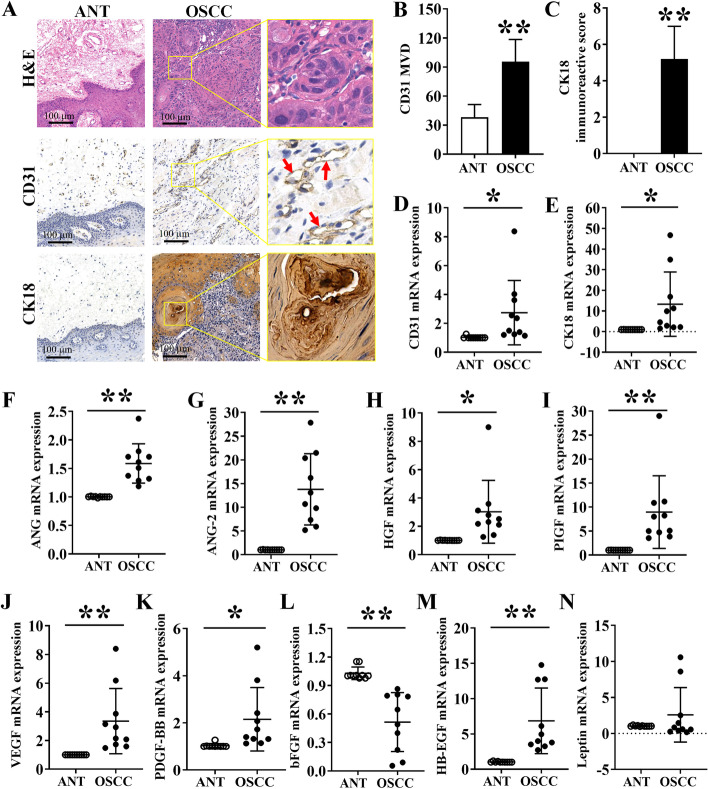
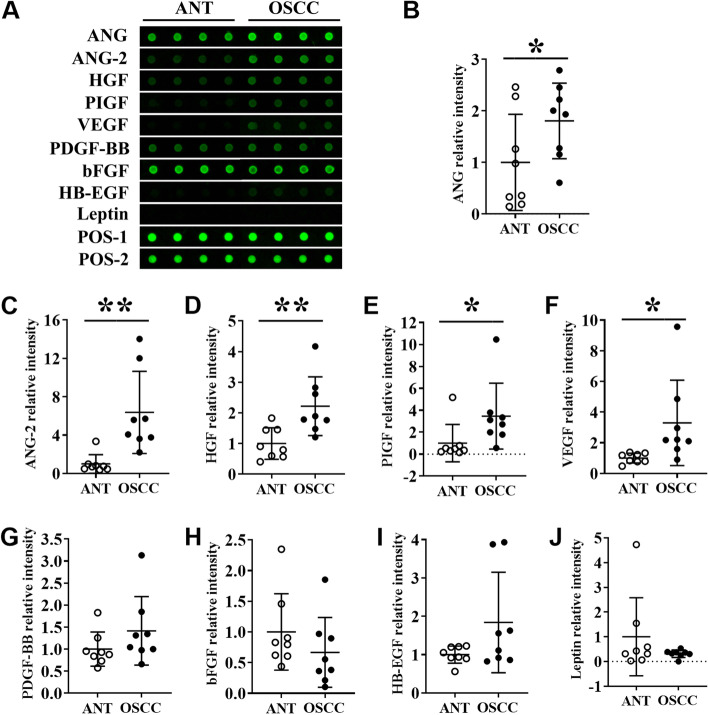
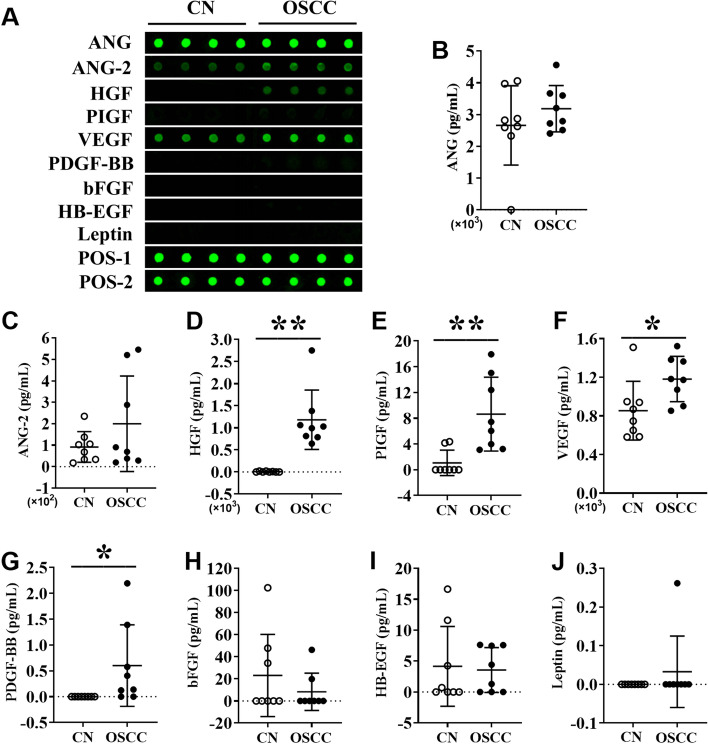
OSCC-tissue, adjacent normal tissue (ANT), saliva from OSCC patients, and healthy controls were obtained. The expression patterns of angiogenic factors and MMPs were analyzed by immunohistochemistry, protein chip array, and RT-qPCR.
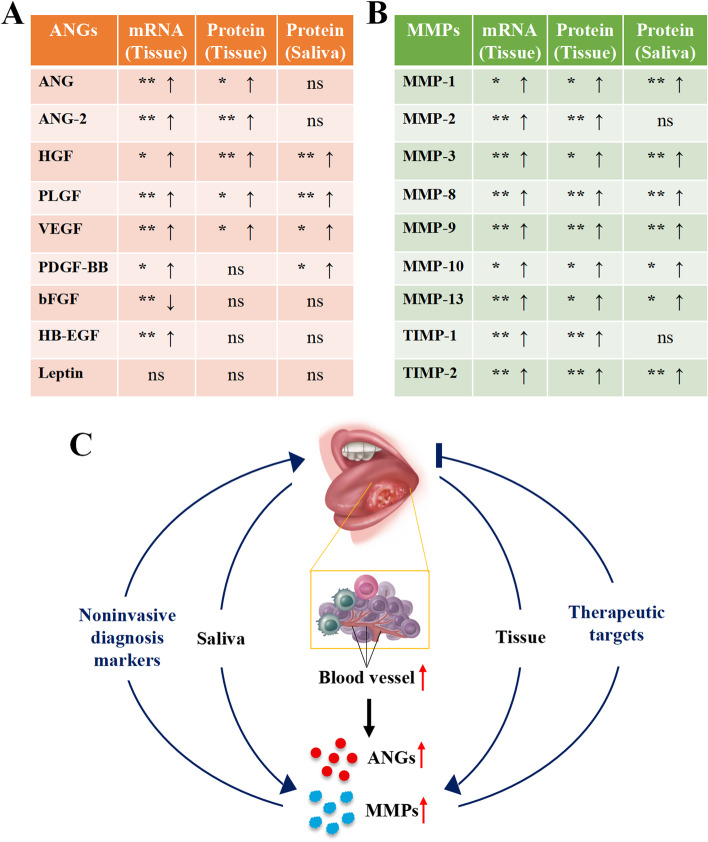
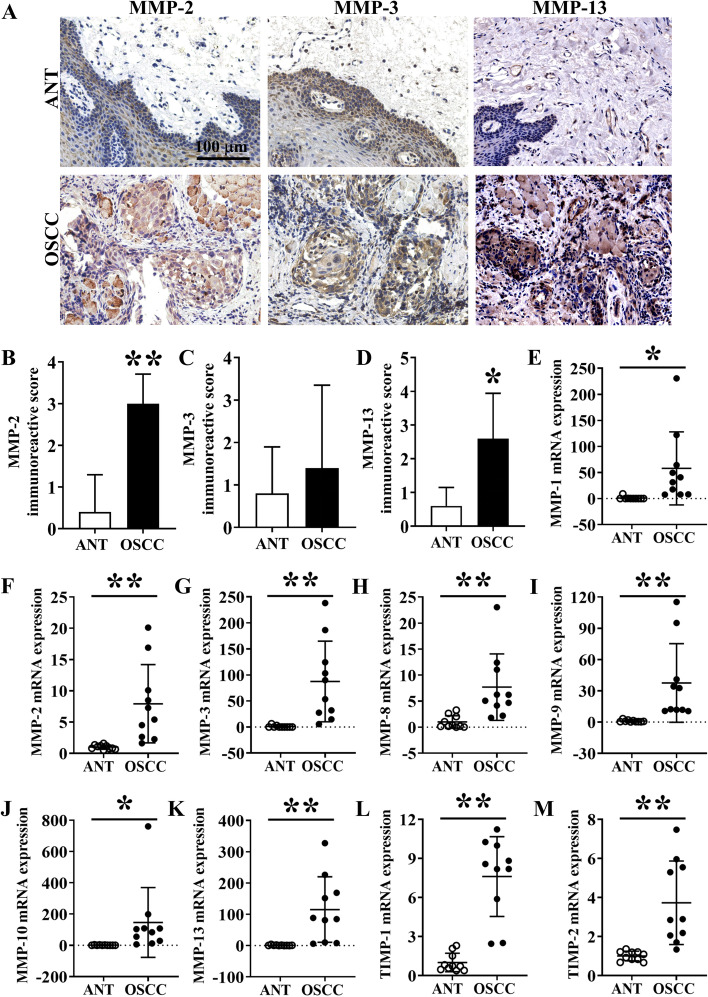
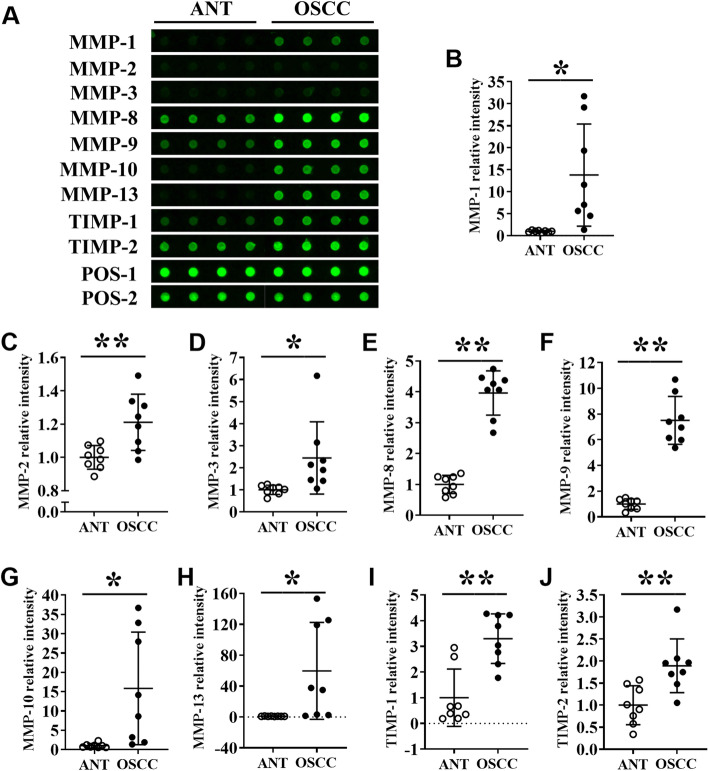
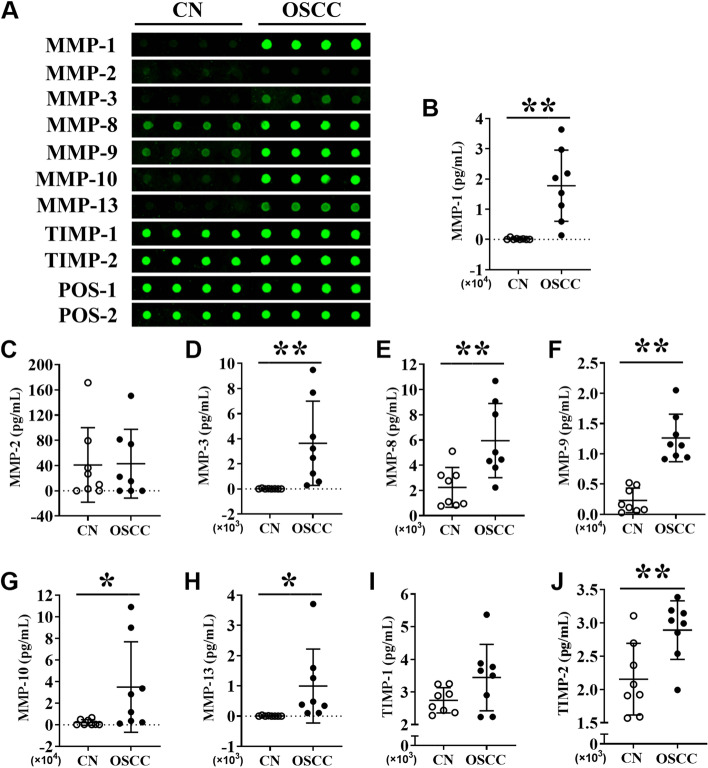
Results showed higher expression of ANG, ANG-2, HGF, PIGF, VEGF, MMP-1, MMP-2, MMP-3, MMP-8, MMP-9, MMP-10, MMP-13, TIMP-1, and TIMP-2 in OSCC-tissues compared to the ANT. Among the overexpressed markers in OSCC-tissues, HGF, VEGF, PIGF, PDGF-BB, MMP-1, MMP-3, MMP-8, MMP-9, MMP-10, MMP-13, and TIMP-2 were significantly upregulated in the saliva of OSCC patients compared to healthy controls.
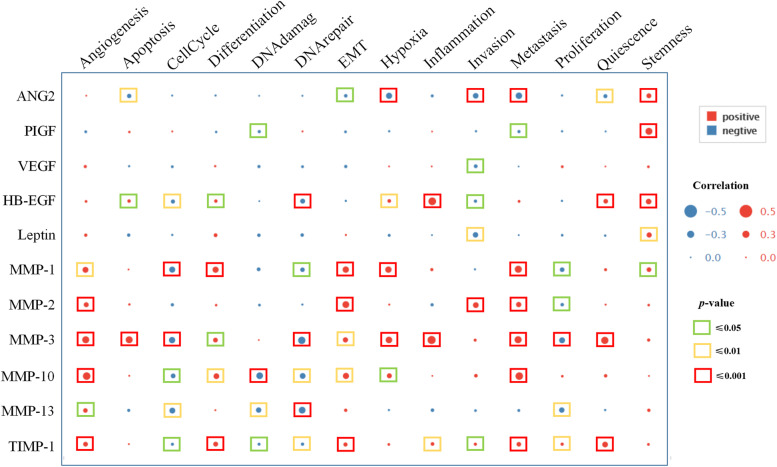
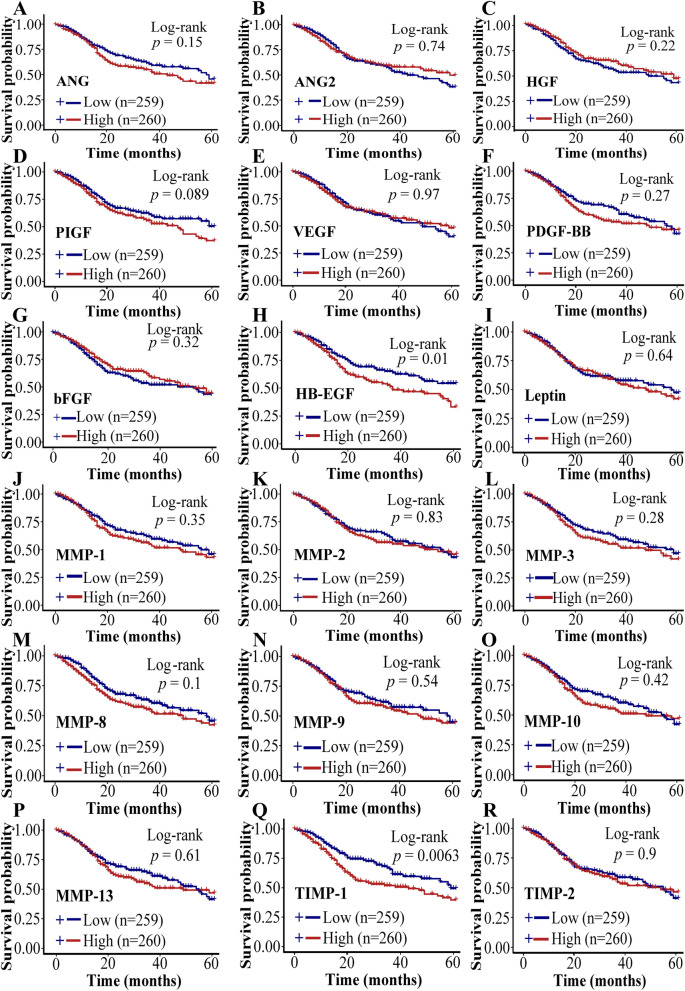
The levels of HGF, VEGF, PIGF, MMP-1, MMP-3, MMP-8, MMP-9, MMP-10, MMP-13, and TIMP-2 were upregulated both in OSCC tissue and saliva of OSCC patients. Bioinformatic analysis revealed the correlation of these factors with patient survival and cancer functional states in head and neck cancer, indicating these factors as possible saliva-based non-invasive diagnostic/prognostic markers and therapeutic targets of OSCC.
唾液生物标志物在口腔鳞状细胞癌的非侵入性诊断中具有巨大潜力。血管生成因子和基质金属蛋白酶(MMPs)在 OSCC 组织中高度表达,但它们在唾液中的表达模式尚不清楚。本研究旨在分析 OSCC 患者肿瘤组织和唾液中血管生成因子和 MMPs 的水平。
获取 OSCC 组织、相邻正常组织(ANT)、OSCC 患者唾液和健康对照者的唾液。通过免疫组织化学、蛋白质芯片阵列和 RT-qPCR 分析血管生成因子和 MMPs 的表达模式。
结果表明,与 ANT 相比,OSCC 组织中 ANG、ANG-2、HGF、PIGF、VEGF、MMP-1、MMP-2、MMP-3、MMP-8、MMP-9、MMP-10、MMP-13、TIMP-1 和 TIMP-2 的表达水平更高。在 OSCC 组织中过度表达的标志物中,与健康对照组相比,OSCC 患者的唾液中 HGF、VEGF、PIGF、PDGF-BB、MMP-1、MMP-3、MMP-8、MMP-9、MMP-10、MMP-13 和 TIMP-2 显著上调。
HGF、VEGF、PIGF、MMP-1、MMP-3、MMP-8、MMP-9、MMP-10、MMP-13 和 TIMP-2 的水平在 OSCC 组织和 OSCC 患者的唾液中均上调。生物信息学分析表明这些因素与头颈部癌症患者的生存和癌症功能状态相关,表明这些因素可能是基于唾液的非侵入性诊断/预后标志物和 OSCC 的治疗靶点。