Bhattacharjee Rahul, Nandi Aditya, Mitra Priya, Saha Koustav, Patel Paritosh, Jha Ealisha, Panda Pritam Kumar, Singh Sushil Kumar, Dutt Ateet, Mishra Yogendra Kumar, Verma Suresh K, Suar Mrutyunjay
KIIT School of Biotechnology, Kalinga Institute of Industrial Technology (KIIT-DU), Bhubaneswar, Odisha, India.
Condensed Matter Theory Group, Materials Theory Division, Department of Physics and Astronomy, Uppsala University, Box 516, SE-751 20, Uppsala, Sweden.
Mater Today Bio. 2022 May 27;15:100291. doi: 10.1016/j.mtbio.2022.100291. eCollection 2022 Jun.
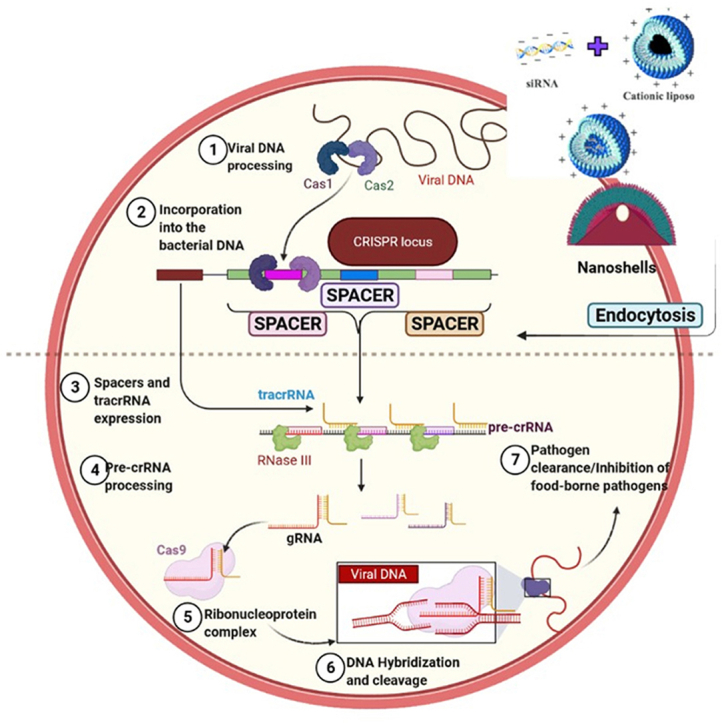
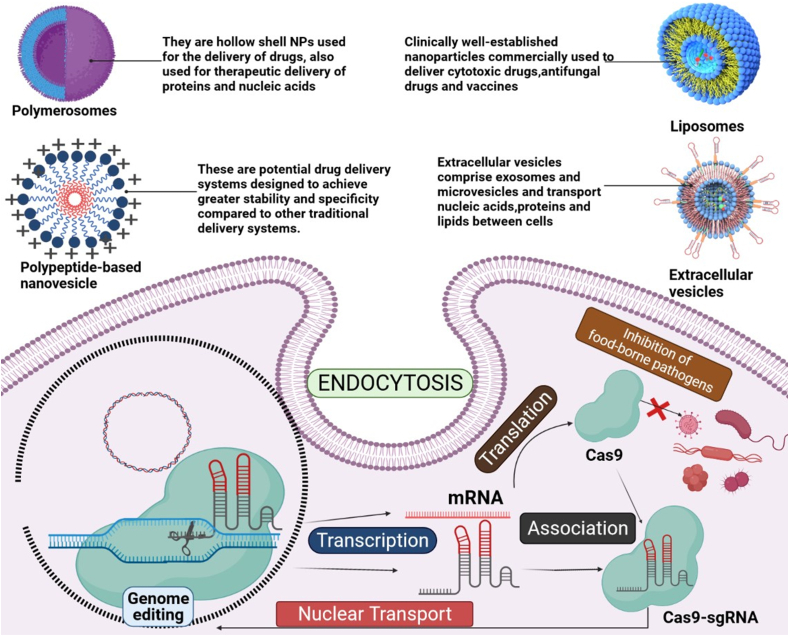
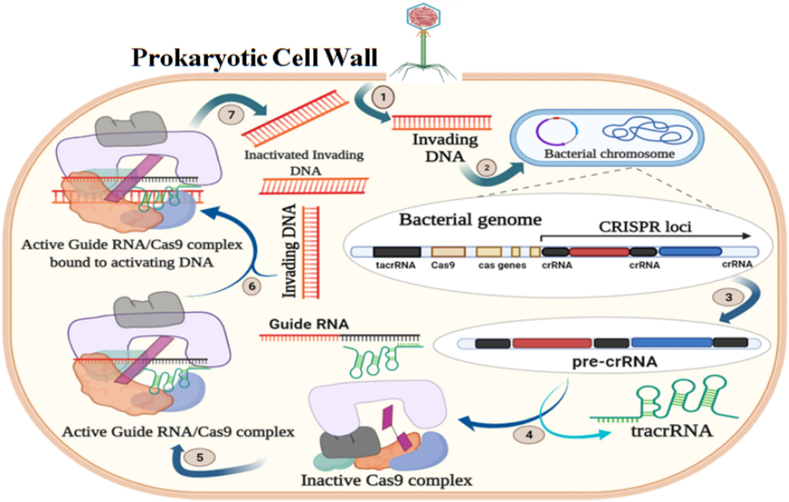
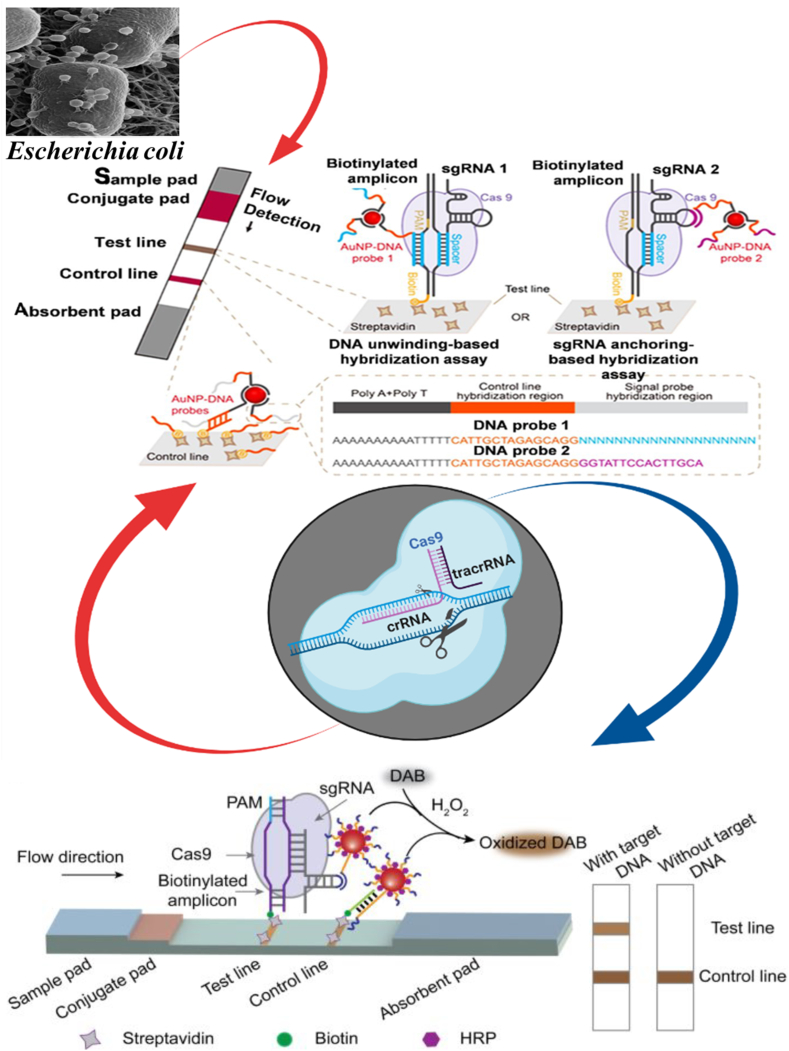
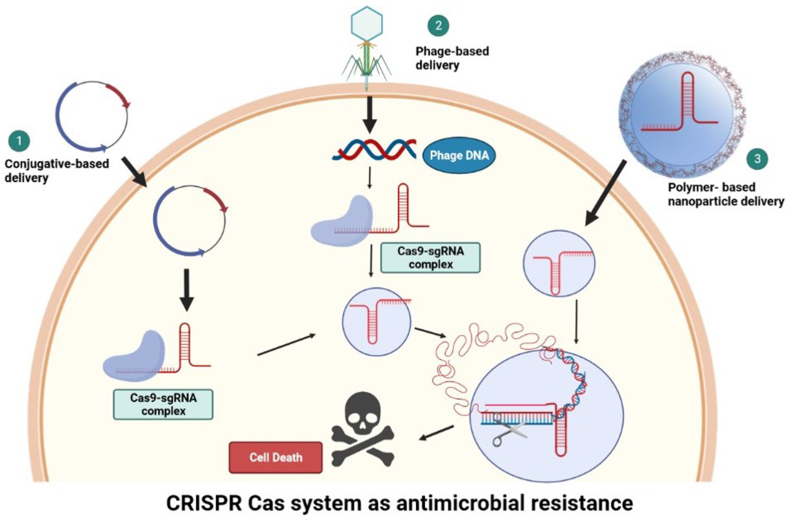
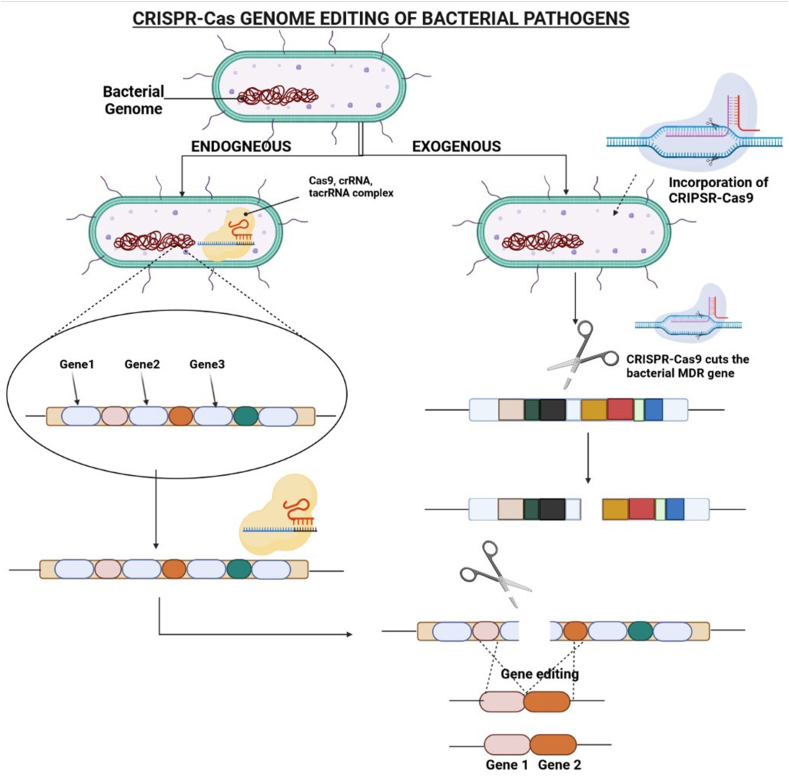
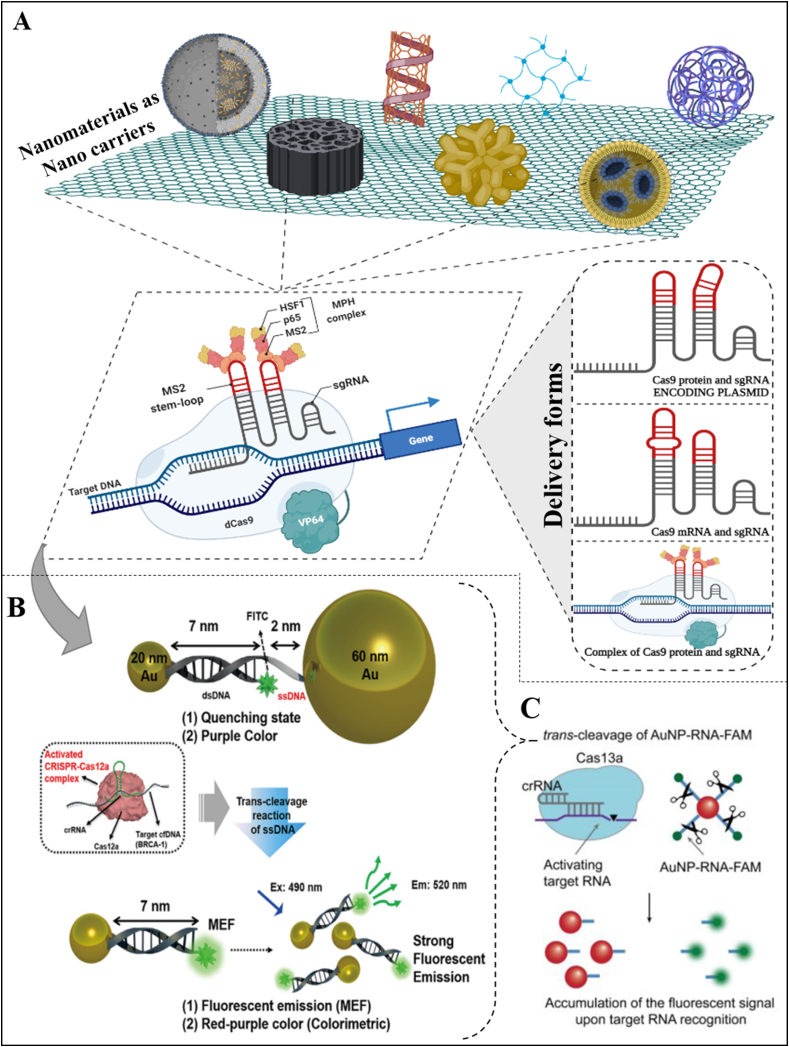
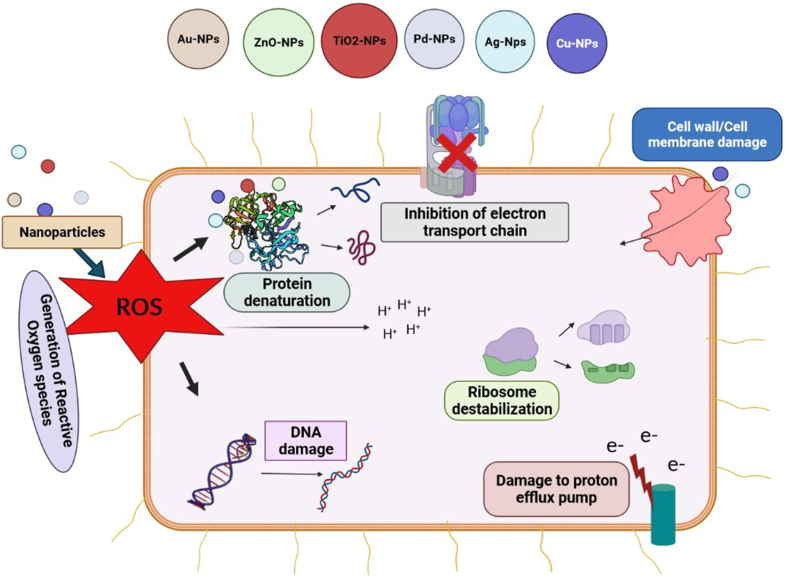
Foodborne infection is one of the leading sources of infections spreading across the world. Foodborne pathogens are recognized as multidrug-resistant (MDR) pathogens posing a significant problem in the food industry and healthy consumers resulting in enhanced economic burden, and nosocomial infections. The continued search for enhanced microbial detection tools has piqued the interest of the CRISPR-Cas system and Nanoparticles. CRISPR-Cas system is present in the bacterial genome of some prokaryotes and is repurposed as a theragnostic tool against MDR pathogens. Nanoparticles and composites have also emerged as an efficient tool in theragnostic applications against MDR pathogens. The diagnostic limitations of the CRISPR-Cas system are believed to be overcome by a synergistic combination of the nanoparticles system and CRISPR-Cas using nanoparticles as vehicles. In this review, we have discussed the diagnostic application of CRISPR-Cas technologies along with their potential usage in applications like phage resistance, phage vaccination, strain typing, genome editing, and antimicrobial. we have also elucidated the antimicrobial and detection role of nanoparticles against foodborne MDR pathogens. Moreover, the novel combinatorial approach of CRISPR-Cas and nanoparticles for their synergistic effects in pathogen clearance and drug delivery vehicles has also been discussed.
食源性感染是全球范围内感染传播的主要来源之一。食源性病原体被认为是多重耐药(MDR)病原体,在食品工业和健康消费者中造成了重大问题,导致经济负担加重和医院感染。对增强型微生物检测工具的持续探索激发了CRISPR-Cas系统和纳米颗粒的研究兴趣。CRISPR-Cas系统存在于一些原核生物的细菌基因组中,并被重新用作对抗MDR病原体的诊疗工具。纳米颗粒和复合材料也已成为对抗MDR病原体的诊疗应用中的一种有效工具。人们认为,通过将纳米颗粒系统与CRISPR-Cas协同结合,以纳米颗粒作为载体,可以克服CRISPR-Cas系统的诊断局限性。在这篇综述中,我们讨论了CRISPR-Cas技术的诊断应用及其在噬菌体抗性、噬菌体疫苗接种、菌株分型、基因组编辑和抗菌等应用中的潜在用途。我们还阐明了纳米颗粒对食源性病原体的抗菌和检测作用。此外,还讨论了CRISPR-Cas与纳米颗粒在病原体清除和药物递送载体方面产生协同效应的新型组合方法。