Lopez-Corona Alejandra Vanessa, Valencia-Espinosa Illeen, González-Sánchez Fabio Antonio, Sánchez-López Angélica Lizeth, Garcia-Amezquita Luis Eduardo, Garcia-Varela Rebeca
Escuela de Ingenieria y Ciencias, Tecnologico de Monterrey, Ave. General Ramon Corona 2514, Zapopan 45138, Mexico.
Antioxidants (Basel). 2022 Jun 17;11(6):1192. doi: 10.3390/antiox11061192.
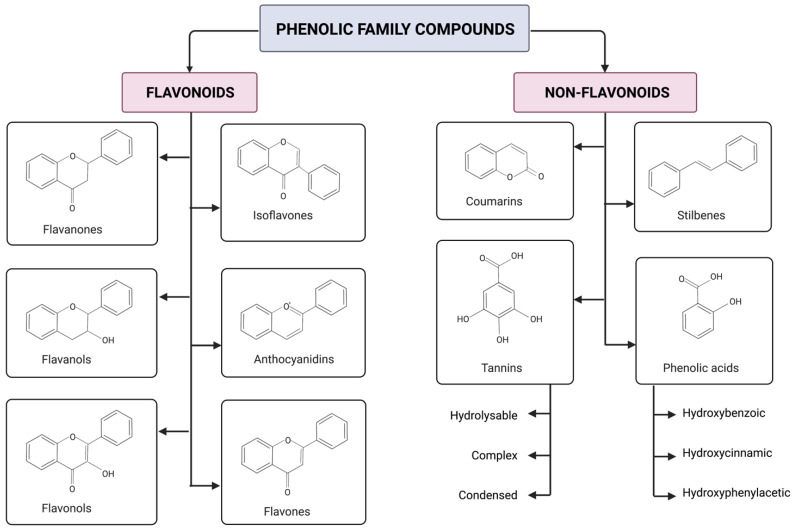
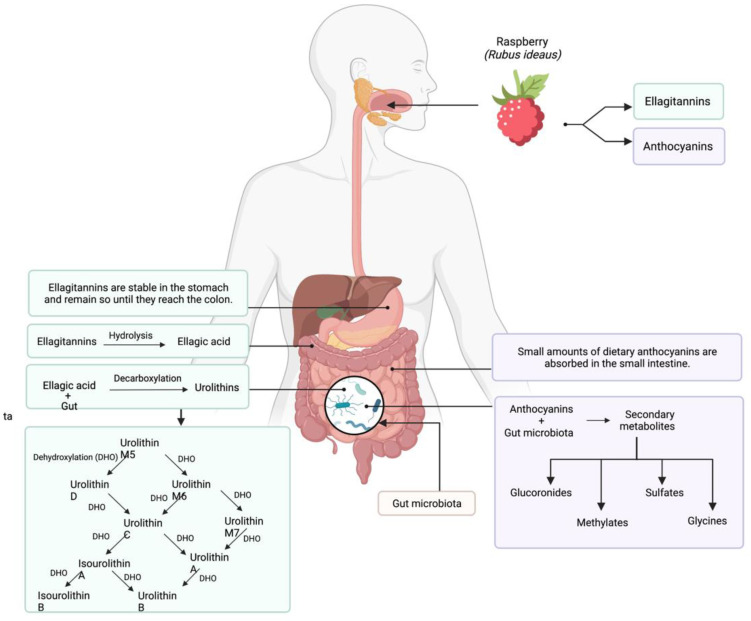
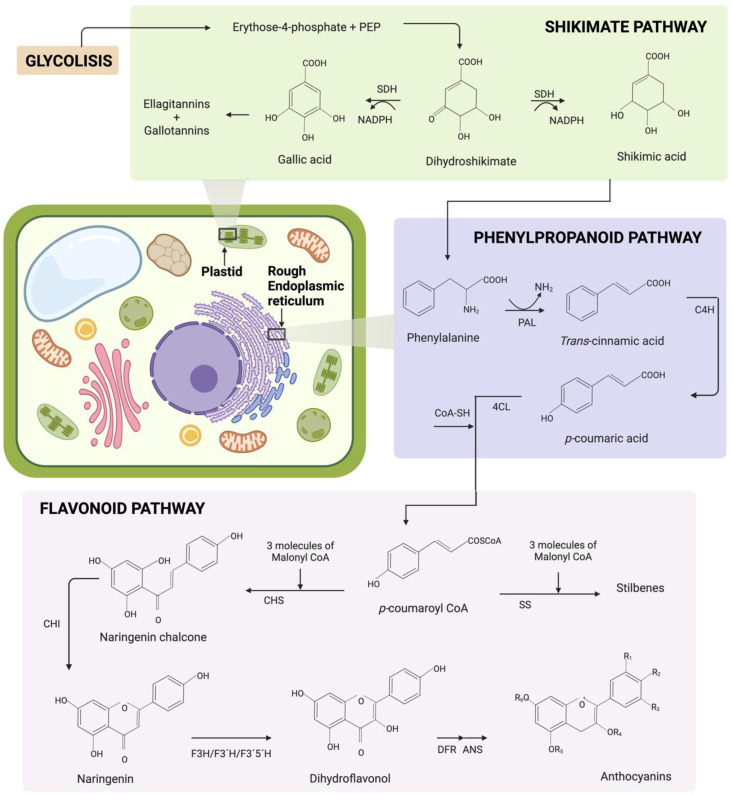
Raspberries () possess a wide phenolic family profile; this serves the role of self-protection for the plant. Interest in these compounds have significantly increased, since they have been classified as nutraceuticals due to the positive health effects provided to consumers. Extensive chemical, in vitro and in vivo studies have been performed to prove and validate these benefits and their possible applications as an aid when treating several chronic degenerative diseases, characterized by oxidative stress and an inflammatory response. While many diseases could be co-adjuvanted by the intake of these phenolic compounds, this review will mainly discuss their effects on cancer. Anthocyanins and ellagitannins are known to provide a major antioxidant capacity in raspberries. The aim of this review is to summarize the current knowledge concerning the phenolic compound family of raspberries, and topics discussed include their characterization, biosynthesis, bioavailability, cytotoxicity, antioxidant and anti-inflammatory activities.
树莓含有种类丰富的酚类物质;这对植物起到自我保护的作用。由于这些化合物对消费者具有积极的健康影响而已被归类为营养保健品,人们对它们的兴趣显著增加。已经开展了广泛的化学、体外和体内研究,以证明和验证这些益处以及它们在治疗几种以氧化应激和炎症反应为特征的慢性退行性疾病时作为辅助手段的可能应用。虽然摄入这些酚类化合物可能对许多疾病都有辅助作用,但本综述将主要讨论它们对癌症的影响。已知花青素和鞣花单宁在树莓中具有主要的抗氧化能力。本综述的目的是总结关于树莓酚类化合物家族的现有知识,讨论的主题包括它们的表征、生物合成、生物利用度、细胞毒性、抗氧化和抗炎活性。