Department of Pharmaceutical Chemistry, SGT College of Pharmacy, SGT University, Gurugram, Haryana 122505, India.
Department of Pharmaceutical Chemistry, KIET School of Pharmacy, KIET Group of Institutions, Delhi-NCR, Ghaziabad, Uttar Pradesh 201206, India.
Drug Discov Today. 2022 Oct;27(10):103312. doi: 10.1016/j.drudis.2022.06.012. Epub 2022 Jul 3.
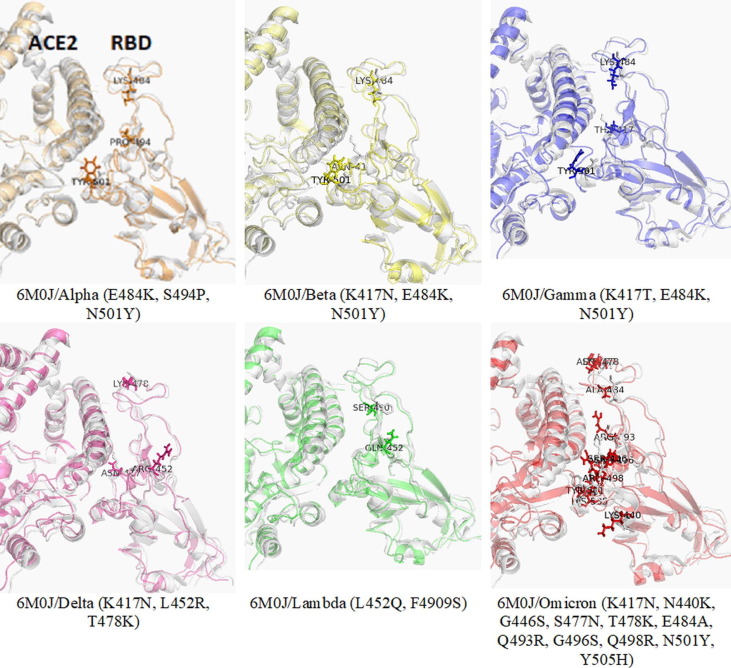
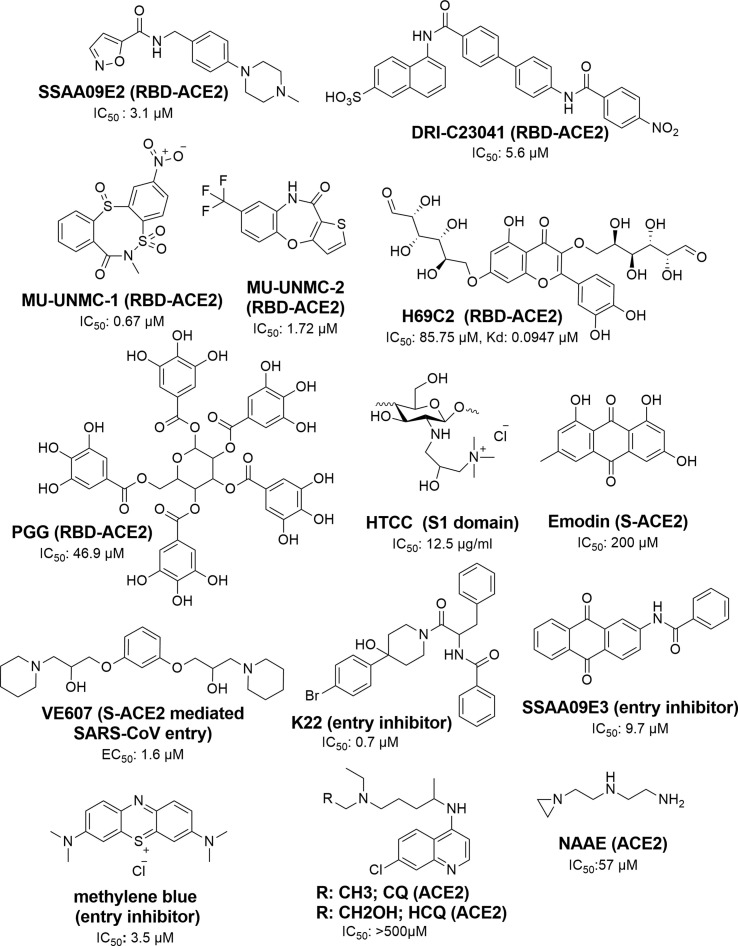
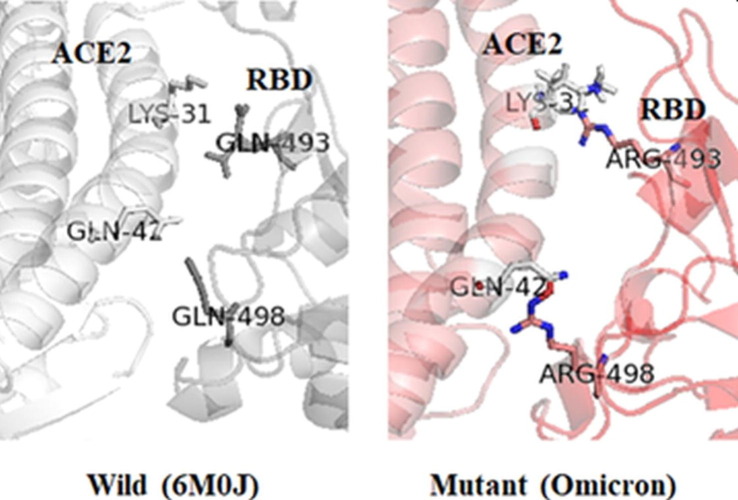
Severe acute respiratory syndrome coronavirus 2 (SARS-CoV-2) undergoes mutations at a high rate and with frequent genetic reassortment (antigenic drift/shift), leading to variability in targets. The receptor-binding domain (RBD) of the spike (S) protein has a major role in the binding of SARS-CoV-2 with human angiotensin-converting enzyme 2 (ACE2). Mutations at the RBD influence the binding interaction at the SARS-CoV-2 S-ACE2 interface and impact viral pathogenicity. Here, we discuss different reported mutations of concern in RBD, physicochemical characteristic changes resulting from mutated amino acids and their effect on binding between the RBD and ACE2. Along with mutation informatics, we highlight recently developed small-molecule inhibitors of RBD and the ACE2 interface. This information provides a rational basis for the design of inhibitors against the multivariant strains of SARS-CoV-2.
严重急性呼吸综合征冠状病毒 2(SARS-CoV-2)以高频率和频繁的基因重排(抗原漂移/转变)发生突变,导致靶标发生变化。刺突(S)蛋白的受体结合域(RBD)在 SARS-CoV-2 与人血管紧张素转换酶 2(ACE2)的结合中起主要作用。RBD 中的突变影响 SARS-CoV-2 S-ACE2 界面的结合相互作用,并影响病毒的致病性。在这里,我们讨论了 RBD 中不同报道的关注突变、突变氨基酸引起的理化特性变化及其对 RBD 和 ACE2 之间结合的影响。结合突变信息,我们重点介绍了最近开发的 RBD 和 ACE2 界面小分子抑制剂。这些信息为针对 SARS-CoV-2 多种变异株的抑制剂设计提供了合理的依据。