Bao Hai-Juan, Chen Xi, Liu Xin, Wu Wu, Li Qian-Hui, Xian Jing-Yuan, Zhao Yang, Chen Shuo
Department of Obstetrics and Gynecology, Department of Gynecologic Oncology Research Office, Guangdong Provincial Key Laboratory of Major Obstetric Diseases, The Third Affiliated Hospital of Guangzhou Medical University, Guangzhou, 510150, China.
Cell Death Discov. 2022 Jul 5;8(1):309. doi: 10.1038/s41420-022-01102-5.
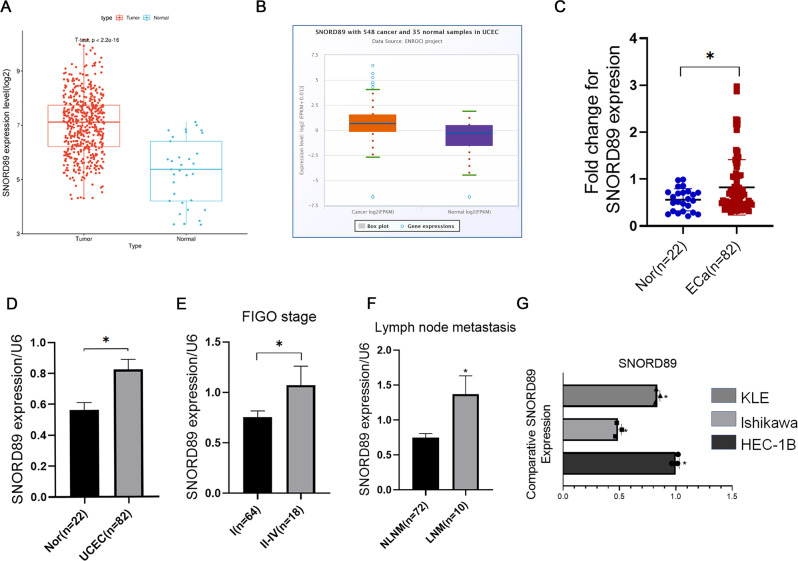
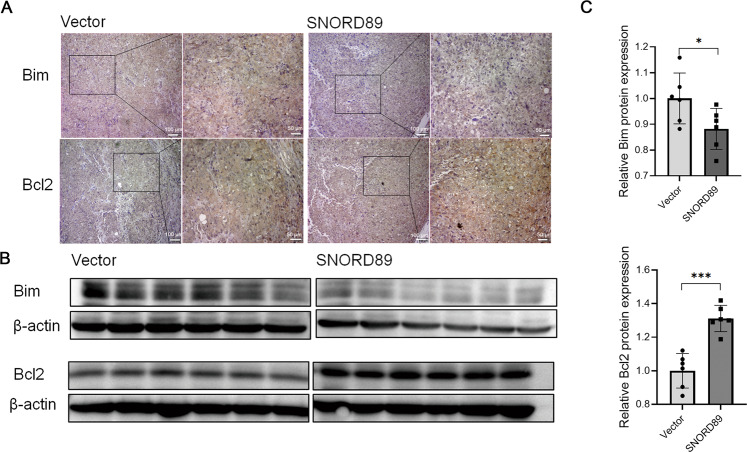
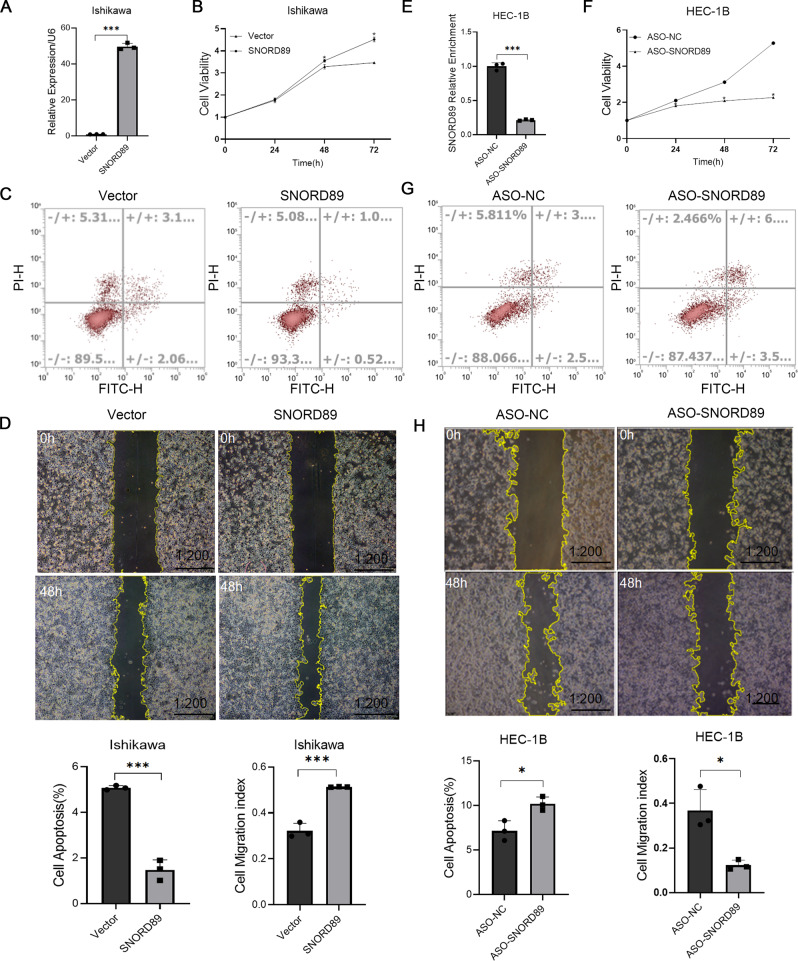
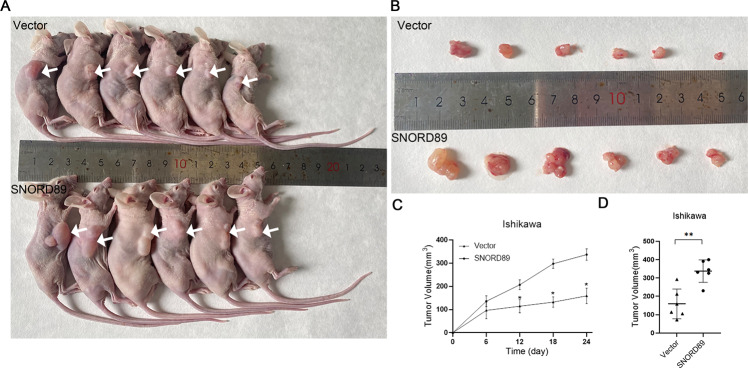
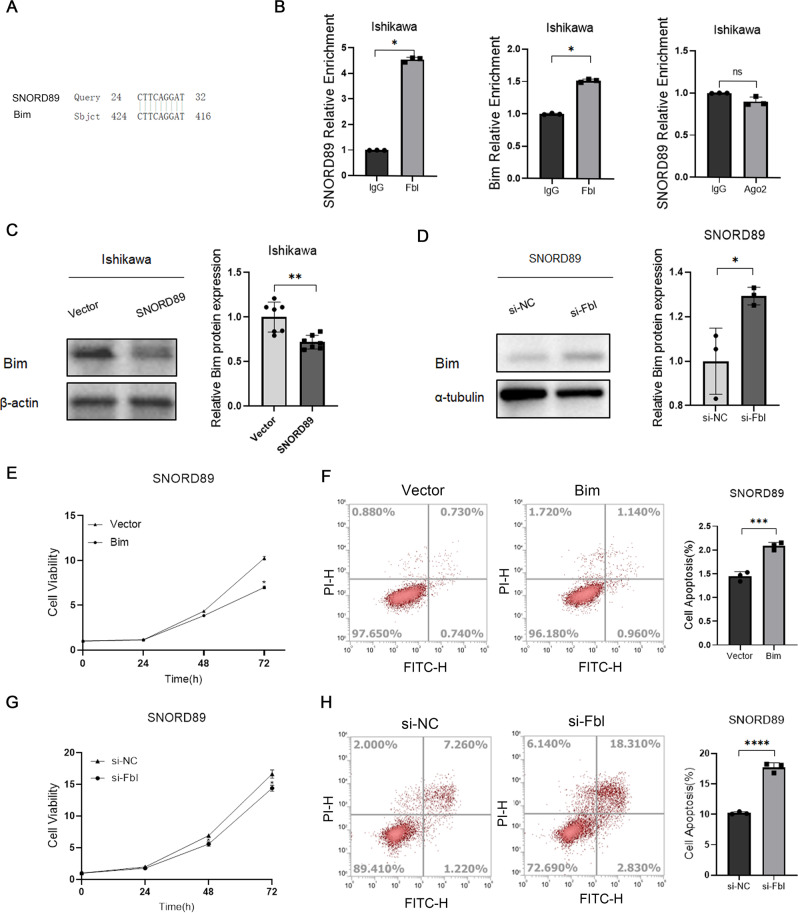
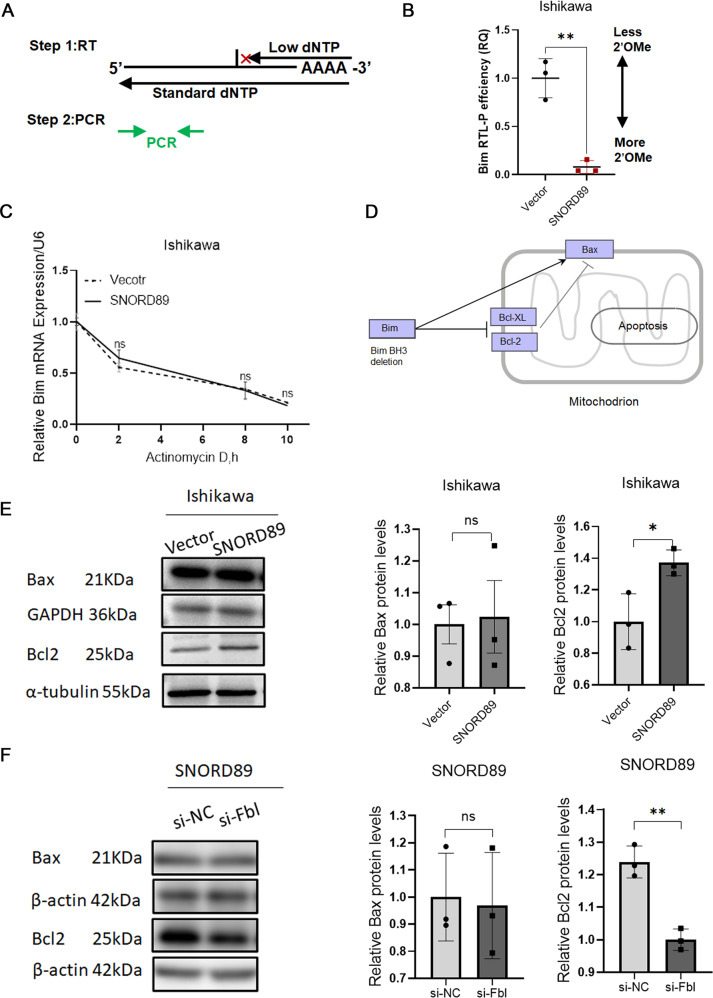
The small nucleolar RNA (snoRNA) is a type of small non-coding RNA widely distributed in the nucleoli of eukaryotic cells, promoting cancer development. The aim of this study was to assess box C/D snoRNA 89 (SNORD89) dysregulations in endometrial cancer. According to the TCGA database as well as the International Federation of Gynecology and Obstetrics (FIGO), higher SNORD89 expression is found in endometrial cancer tissues. In addition, the SNORD89 expression level was higher in endometrial carcinoma with lymph node metastasis than in endometrial carcinoma without lymph node metastasis. By interacting with the conservative chaperone protein methylase fibrillarin (Fbl), SNORD89 inhibits the translation process of the Bim gene, leading to a decrease in Bim protein. Cancer-promoting effect of SNORD89 can be reversed by Fbl knockdown or Bim overexpressing. What's more, ASO-mediated silencing of SNORD89 could inhibit endometrial cancer cell proliferation and migration ability. Taken together, SNORD89 can modify Bim through 2'-O-methylation and affect downstream signaling pathways to promote endometrial cancer occurrence and development. The role of methylation modification in the prevention and treatment of endometrial cancer provides a new understanding and SNORD89 may be a new diagnostic and therapeutic target for endometrial cancer.
小核仁RNA(snoRNA)是一类广泛分布于真核细胞细胞核仁中的小非编码RNA,可促进癌症发展。本研究旨在评估子宫内膜癌中C/D盒小核仁RNA 89(SNORD89)的失调情况。根据癌症基因组图谱(TCGA)数据库以及国际妇产科联盟(FIGO)的数据,在子宫内膜癌组织中发现SNORD89表达较高。此外,有淋巴结转移的子宫内膜癌中SNORD89表达水平高于无淋巴结转移的子宫内膜癌。通过与保守的伴侣蛋白甲基化酶纤维蛋白原(Fbl)相互作用,SNORD89抑制Bim基因的翻译过程,导致Bim蛋白减少。Fbl基因敲低或Bim过表达可逆转SNORD89的促癌作用。此外,反义寡核苷酸(ASO)介导的SNORD89沉默可抑制子宫内膜癌细胞的增殖和迁移能力。综上所述,SNORD89可通过2'-O-甲基化修饰Bim并影响下游信号通路,从而促进子宫内膜癌的发生发展。甲基化修饰在子宫内膜癌防治中的作用提供了新的认识,SNORD89可能成为子宫内膜癌新的诊断和治疗靶点。