Biopharmaceutical Products Research Department, Genetic Engineering and Biotechnology Research Institute, City of Scientific Research and Technological Applications (SRTA-City), P.O. Box 21934, New Borg El-Arab City, Alexandria, Egypt.
Pharmaceutical and Fermentation Industries Development Center, City of Scientific Research and Technological Applications (SRTA-City), P.O. Box 21934, New Borg El-Arab City, Alexandria, Egypt.
Sci Rep. 2022 Jul 7;12(1):11518. doi: 10.1038/s41598-022-15648-y.
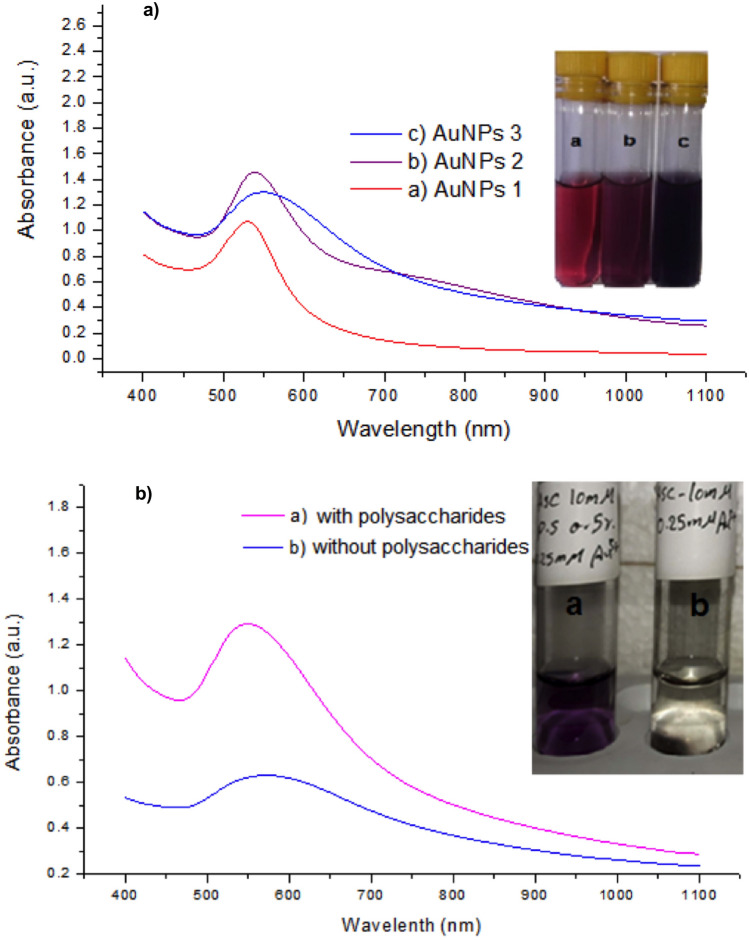
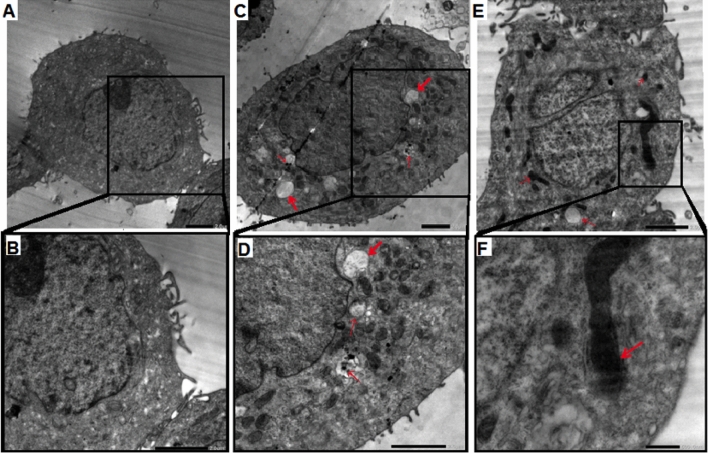
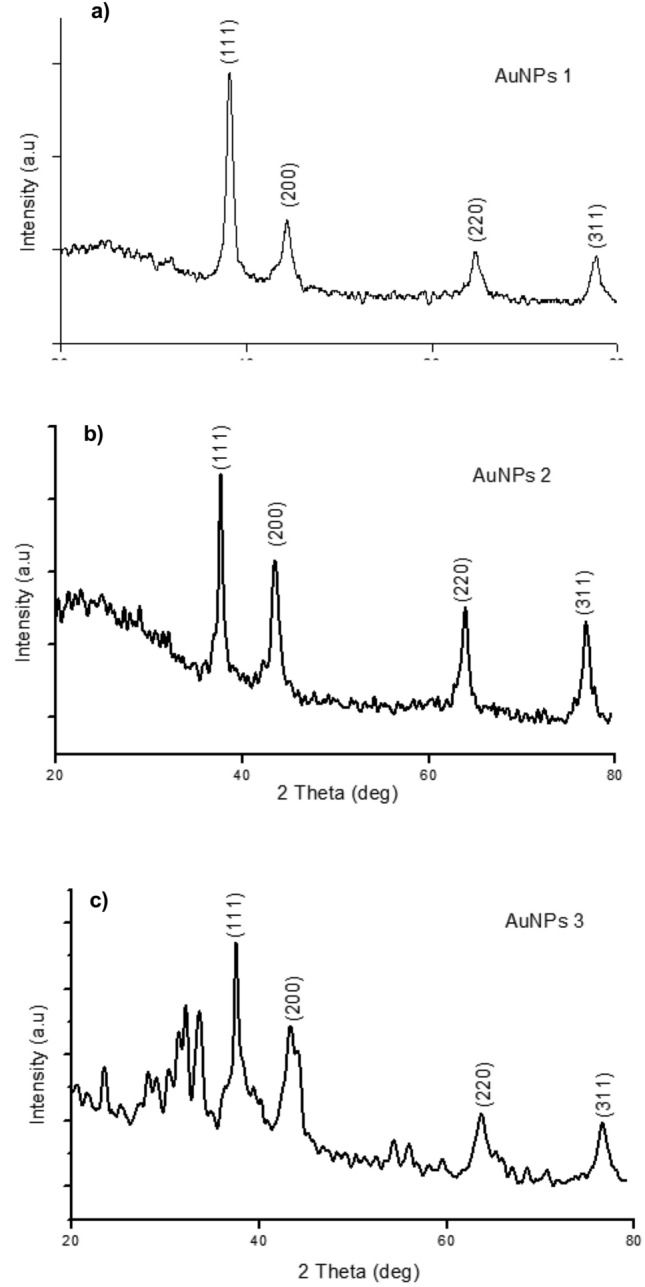
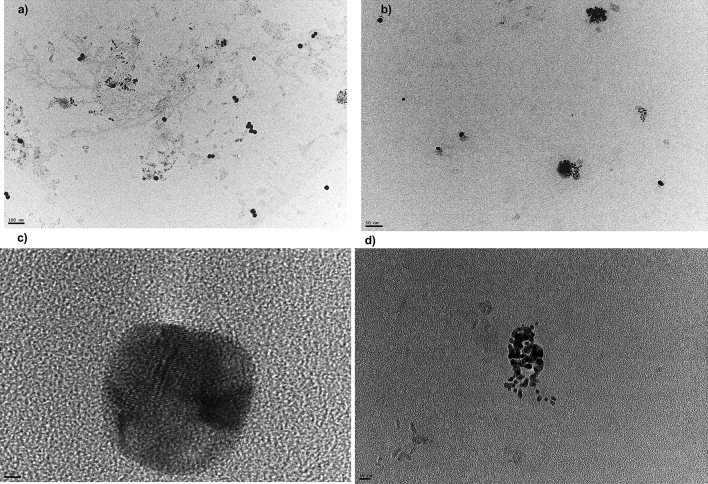
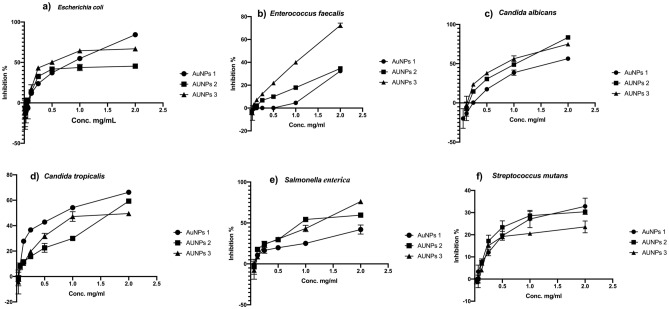
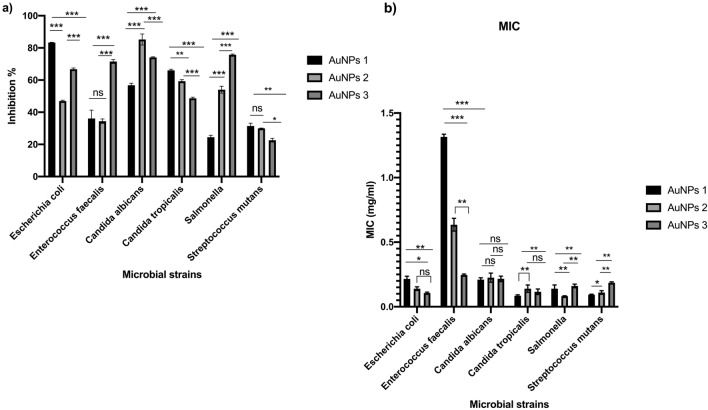
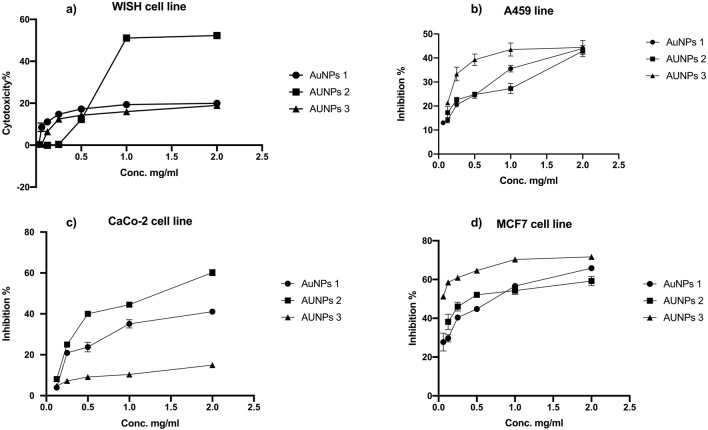
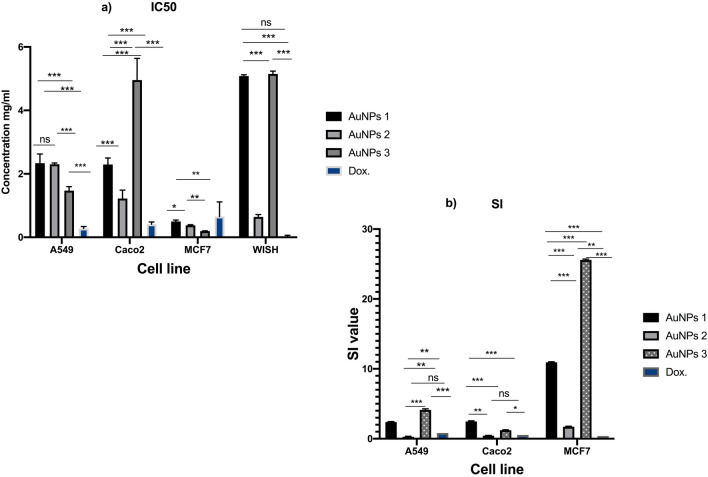
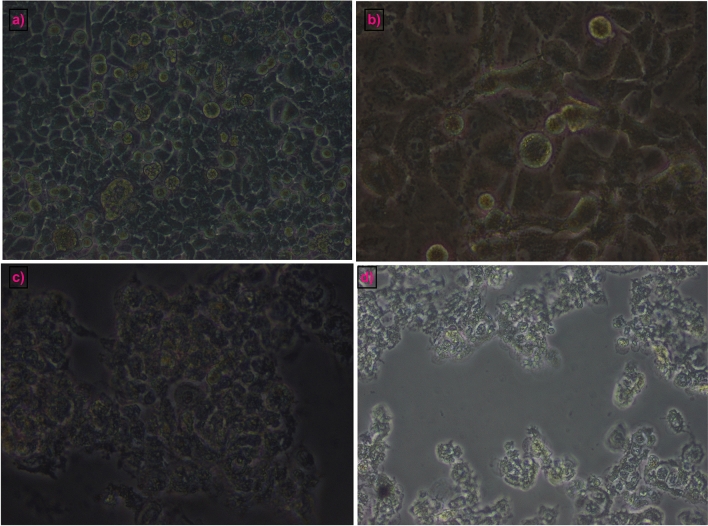
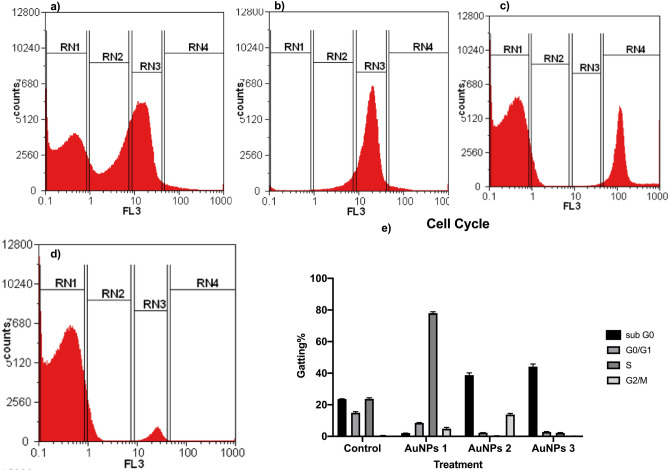
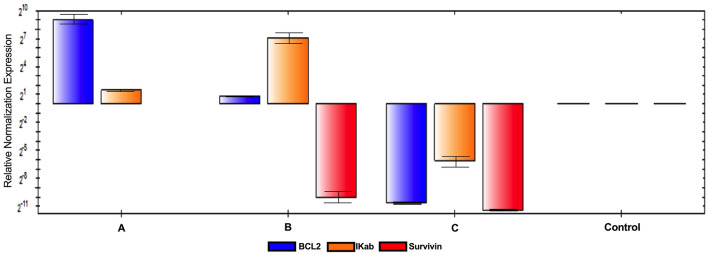
Biosynthesis of gold nanoparticles (AuNPs) using algal polysaccharides is a simple, low-cost, and an eco-friendly approach. In the current study, different concentrations of Arthospira platensis exopolysaccharides (EPS) were used to synthetize AuNPs via the reduction of gold ions. The biologically synthesized AuNPs (AuNPs1, AuNPs2, AuNPs3) were prepared in 3 different forms through the utilization of three different ratios of EPS-reducing agents. AuNPs analysis confirmed the spherical shape of the EPS-coated AuNPs. Furthermore, AuNPs prepared by EPS and L-ascorbic acid (AuNPs3) showed more stability than the AuNPs colloidal solution that was prepared using only L-ascorbic acid. Analysis of the antimicrobial effects of AuNPs showed that E. coli was the most sensitive bacterial species for AuNPs3 and AuNPs1 with inhibition percentages of 88.92 and 83.13%, respectively. Also, safety assay results revealed that AuNPs3 was the safest biogenic AuNPs for the tested noncancerous cell line. The anticancer assays of the biogenic AuNPs1, AuNPs2, and AuNPs3 against MCF-7 cell line indicated that this cell line was the most sensitive cell line to all treatments and it showed inhibition percentages of 66.2%, 57.3%, and 70.2% to the three tested AuNPs, respectively. The AuNPs also showed abilities to arrest MCF-7 cells in the S phase (77.34%) and increased the cellular population in the sub G0 phase. Gene expression analysis showed that AuNPs3 down regulated Bcl2, Ikapα, and Survivn genes in MCF-7 treated-cells. Also, transmission electron microscopy (TEM) analysis of MCf-7 cells revealed that AuNPs 3 and AuNPs2 were localized in cell vacuoles, cytoplasm, and perinuclear region.
利用藻类多糖合成金纳米粒子(AuNPs)是一种简单、低成本且环保的方法。在本研究中,使用不同浓度的节旋藻胞外多糖(EPS)通过还原金离子来合成 AuNPs。通过利用三种不同比例的 EPS-还原剂,将生物合成的 AuNPs(AuNPs1、AuNPs2、AuNPs3)以三种不同的形式制备。AuNPs 分析证实了 EPS 包覆的 AuNPs 的球形形状。此外,与仅使用 L-抗坏血酸制备的 AuNPs 胶体溶液相比,用 EPS 和 L-抗坏血酸(AuNPs3)制备的 AuNPs 表现出更高的稳定性。AuNPs 的抗菌效果分析表明,大肠杆菌是对 AuNPs3 和 AuNPs1 最敏感的细菌物种,抑制率分别为 88.92%和 83.13%。此外,安全性检测结果表明,AuNPs3 是测试非癌细胞系中最安全的生物合成 AuNPs。生物合成的 AuNPs1、AuNPs2 和 AuNPs3 对 MCF-7 细胞系的抗癌试验表明,该细胞系对所有处理最敏感,对三种测试的 AuNPs 的抑制率分别为 66.2%、57.3%和 70.2%。AuNPs 还显示出能够将 MCF-7 细胞阻滞在 S 期(77.34%)并增加亚 G0 期细胞群体的能力。基因表达分析表明,AuNPs3 下调了 MCF-7 处理细胞中的 Bcl2、Ikapα 和 Survivn 基因。此外,MCf-7 细胞的透射电子显微镜(TEM)分析表明,AuNPs3 和 AuNPs2 定位于细胞液泡、细胞质和核周区。