Department of Mechanical Engineering, Faculty of Engineering, Universiti Malaya, Kuala Lumpur 50603, Malaysia.
Centre of Advanced Manufacturing and Material Processing (AMMP), Department of Mechanical Engineering, Faculty of Engineering, Universiti Malaya, Kuala Lumpur 50603, Malaysia.
Int J Environ Res Public Health. 2022 Jul 1;19(13):8103. doi: 10.3390/ijerph19138103.
Excessive alcohol consumption has negative effects not only on the drinkers' health but also on others around them. Previous studies suggest that excessive alcohol consumption can be related to a combination of factors such as age, family background, religiosity, etc. Investigating and clarifying these roots of alcohol consumption is crucial so that the right type of interventions can be designed in a specific and targeted manner.
This work was conducted as a systematic review to reveal the factors associated with alcohol consumption and to heighten the understanding of the differences among various communities and segments of the population regarding their usage of alcohol.
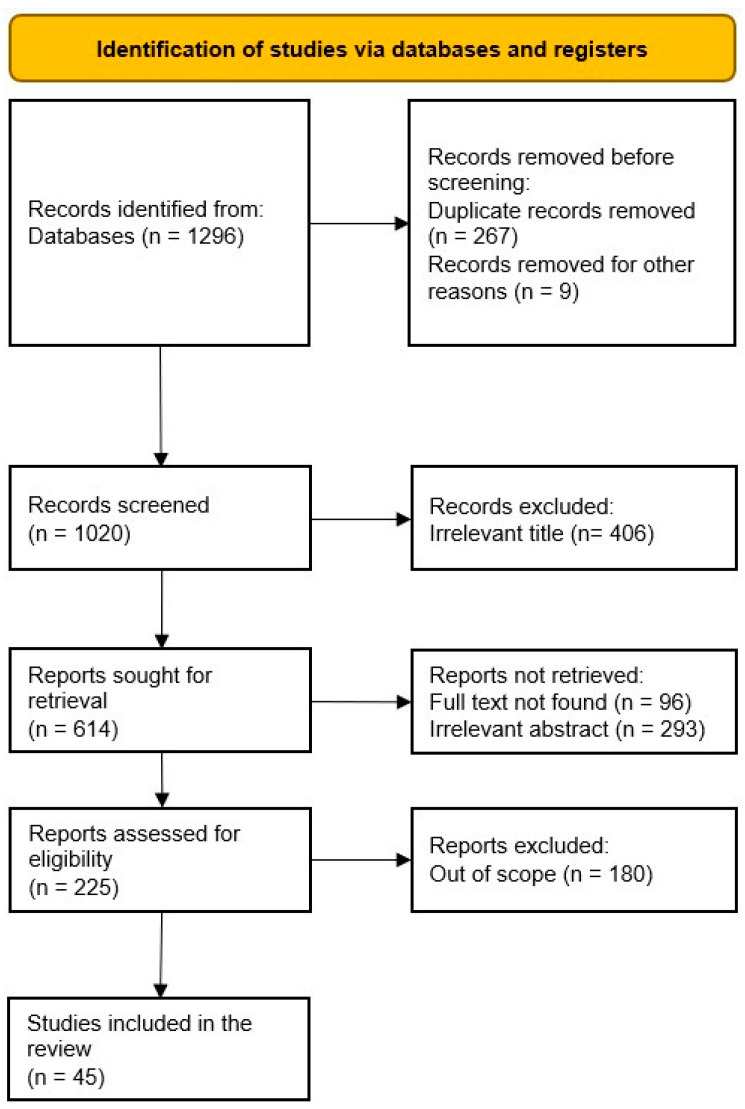
A systematic search of Web of Science, PubMed, ScienceDirect, and Google Scholar was performed.
Forty-five studies were included in the review after excluding irrelevant records and duplicates.
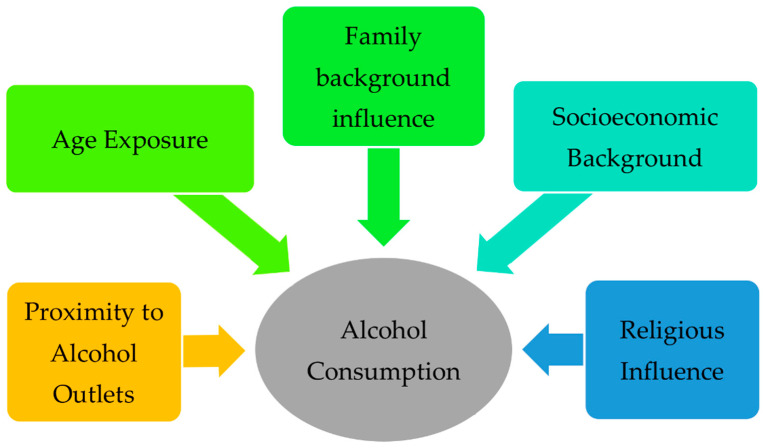
Alcohol consumption patterns can be associated with several factors related to communities and individuals, and our review revealed demographic factors, including age and proximity to alcohol outlets, as well as social factors, including family background, socioeconomic background, and religious influence. These findings can be used to establish a guideline for further studies in understanding alcohol consumption patterns among individuals according to their personal characteristics and sociocultural backgrounds.
过量饮酒不仅会对饮酒者的健康造成负面影响,还会对其周围的人造成影响。以往的研究表明,过量饮酒可能与年龄、家庭背景、宗教信仰等多种因素有关。调查和阐明这些饮酒根源至关重要,以便能够以特定和有针对性的方式设计出正确类型的干预措施。
本研究旨在进行系统评价,以揭示与饮酒相关的因素,并深入了解不同社区和人群在饮酒方面的差异。
通过系统检索 Web of Science、PubMed、ScienceDirect 和 Google Scholar 数据库,以获取相关文献。
在排除不相关记录和重复记录后,共纳入 45 项研究。
饮酒模式可能与社区和个体相关的多个因素有关,我们的综述揭示了人口统计学因素,包括年龄和饮酒场所的接近程度,以及社会因素,包括家庭背景、社会经济背景和宗教影响。这些发现可用于根据个人的特点和社会文化背景,为进一步研究个人的饮酒模式制定指导方针。