Waris Abdul, Ali Asmat, Khan Atta Ullah, Asim Muhammad, Zamel Doaa, Fatima Kinza, Raziq Abdur, Khan Muhammad Ajmal, Akbar Nazia, Baset Abdul, Abourehab Mohammed A S
Department of Biomedical Sciences, City University of Hong Kong, 83 Tat Chee Avenue, Kowloon, Hong Kong SAR, China.
Department of Biotechnology and Genetic Engineering, Hazara University Mansehra, Mansehra 21300, Pakistan.
Nanomaterials (Basel). 2022 Jun 22;12(13):2140. doi: 10.3390/nano12132140.
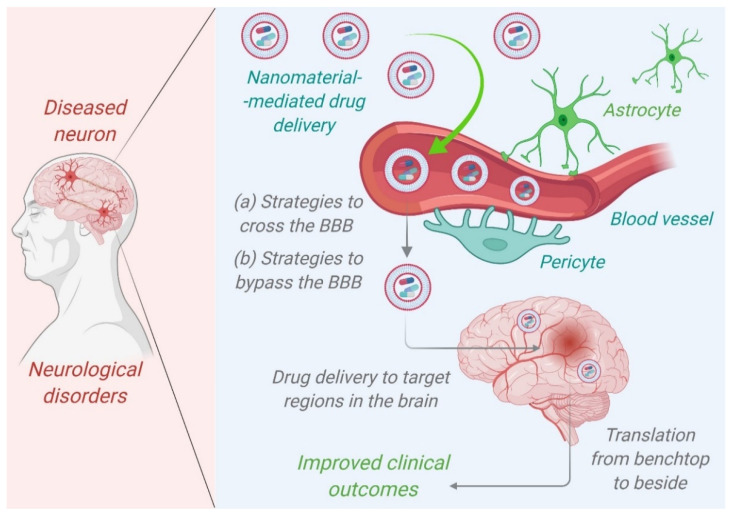
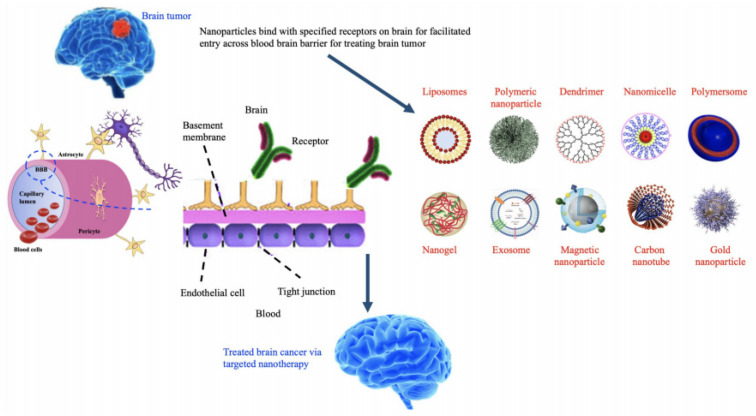
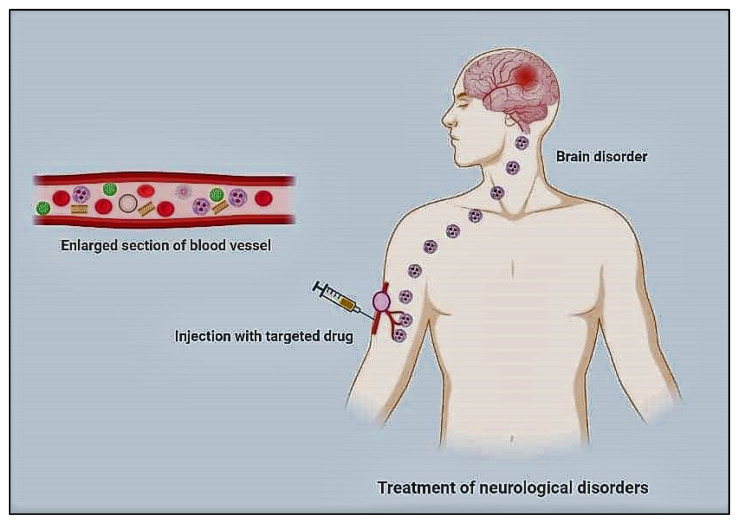
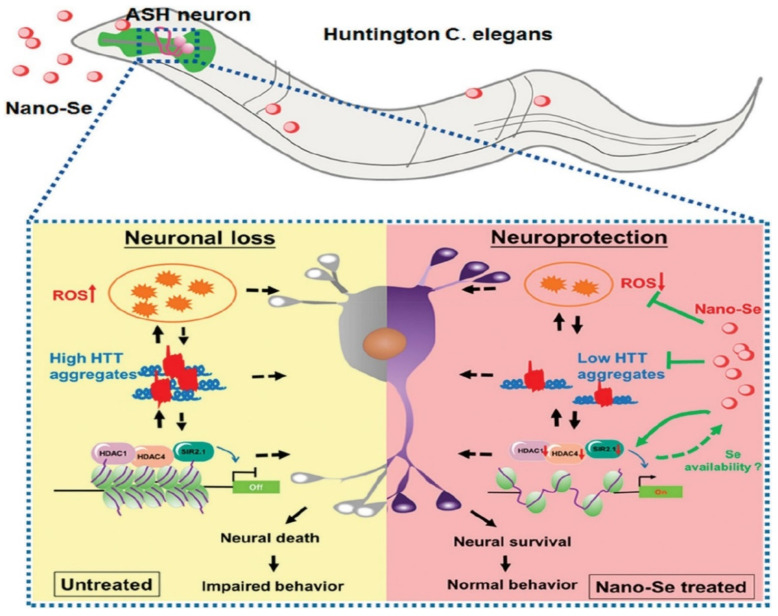
Neurological disorders (NDs) are recognized as one of the major health concerns globally. According to the World Health Organization (WHO), neurological disorders are one of the main causes of mortality worldwide. Neurological disorders include Alzheimer's disease, Parkinson's disease, Huntington's disease, Amyotrophic lateral sclerosis, Frontotemporal dementia, Prion disease, Brain tumor, Spinal cord injury, and Stroke. These diseases are considered incurable diseases because no specific therapies are available to cross the blood-brain barrier (BBB) and reach the brain in a significant amount for the pharmacological effect in the brain. There is a need for the development of strategies that can improve the efficacy of drugs and circumvent BBB. One of the promising approaches is the use of different types of nano-scale materials. These nano-based drugs have the ability to increase the therapeutic effect, reduce toxicity, exhibit good stability, targeted delivery, and drug loading capacity. Different types and shapes of nanomaterials have been widely used for the treatment of neurological disorders, including quantum dots, dendrimers, metallic nanoparticles, polymeric nanoparticles, carbon nanotubes, liposomes, and micelles. These nanoparticles have unique characteristics, including sensitivity, selectivity, and the ability to cross the BBB when used in nano-sized particles, and are widely used for imaging studies and treatment of NDs. In this review, we briefly summarized the recent literature on the use of various nanomaterials and their mechanism of action for the treatment of various types of neurological disorders.
神经疾病(NDs)被公认为是全球主要的健康问题之一。根据世界卫生组织(WHO)的数据,神经疾病是全球主要的死亡原因之一。神经疾病包括阿尔茨海默病、帕金森病、亨廷顿病、肌萎缩侧索硬化症、额颞叶痴呆、朊病毒病、脑肿瘤、脊髓损伤和中风。这些疾病被认为是不治之症,因为没有特定的疗法能够穿过血脑屏障(BBB)并大量到达大脑以产生脑部药理学效应。需要开发能够提高药物疗效并规避血脑屏障的策略。一种有前景的方法是使用不同类型的纳米级材料。这些基于纳米的药物能够增强治疗效果、降低毒性、具有良好的稳定性、实现靶向递送以及具备载药能力。不同类型和形状的纳米材料已被广泛用于治疗神经疾病,包括量子点、树枝状大分子、金属纳米颗粒、聚合物纳米颗粒、碳纳米管、脂质体和胶束。这些纳米颗粒具有独特的特性,包括敏感性、选择性以及在纳米尺寸时穿过血脑屏障的能力,并且被广泛用于神经疾病的成像研究和治疗。在本综述中,我们简要总结了近期关于使用各种纳米材料治疗各类神经疾病及其作用机制的文献。