Grenoble Institut Neurosciences, University Grenoble Alpes, Grenoble, France.
Motivation, Brain and Behavior (MBB) Team, Paris Brain Institute, Pitié-Salpêtrière Hospital, Paris, France.
Elife. 2022 Jul 13;11:e72440. doi: 10.7554/eLife.72440.
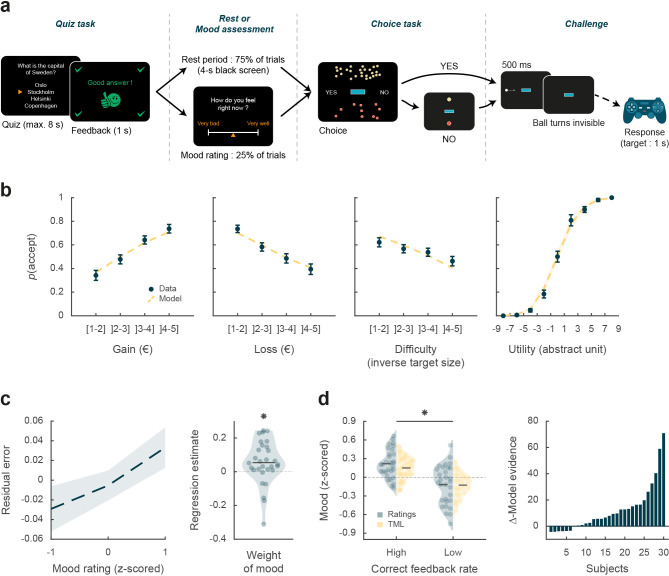
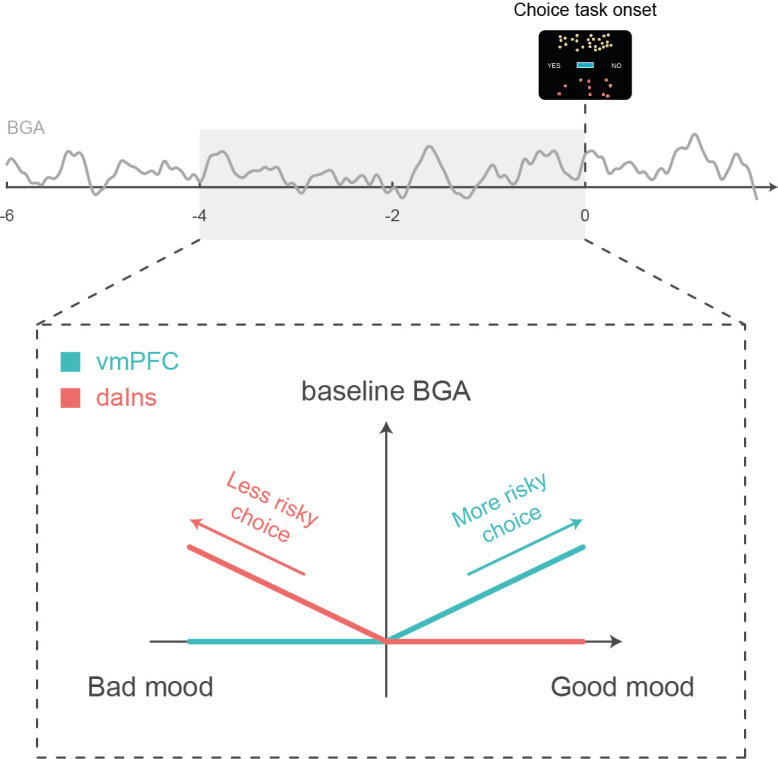
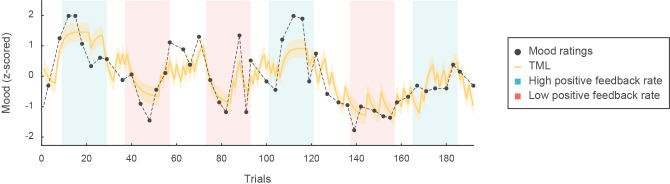
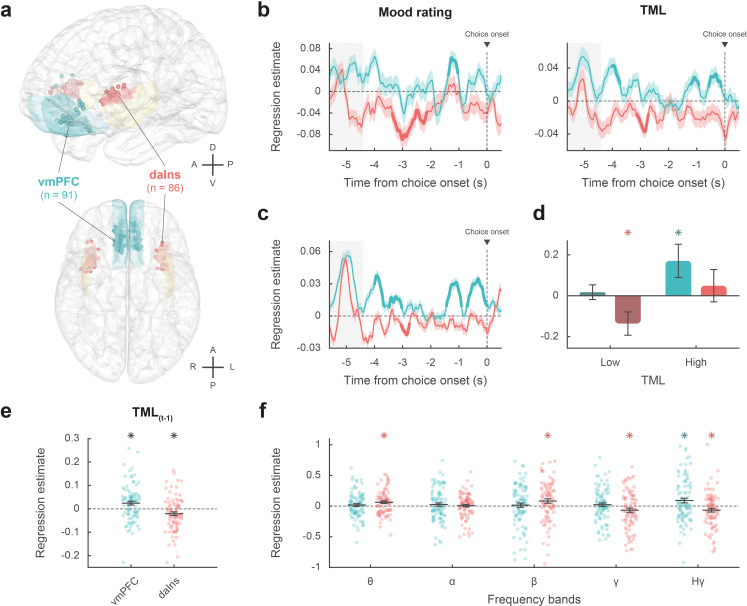
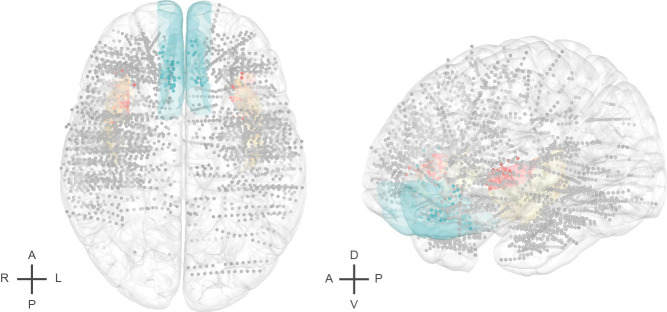
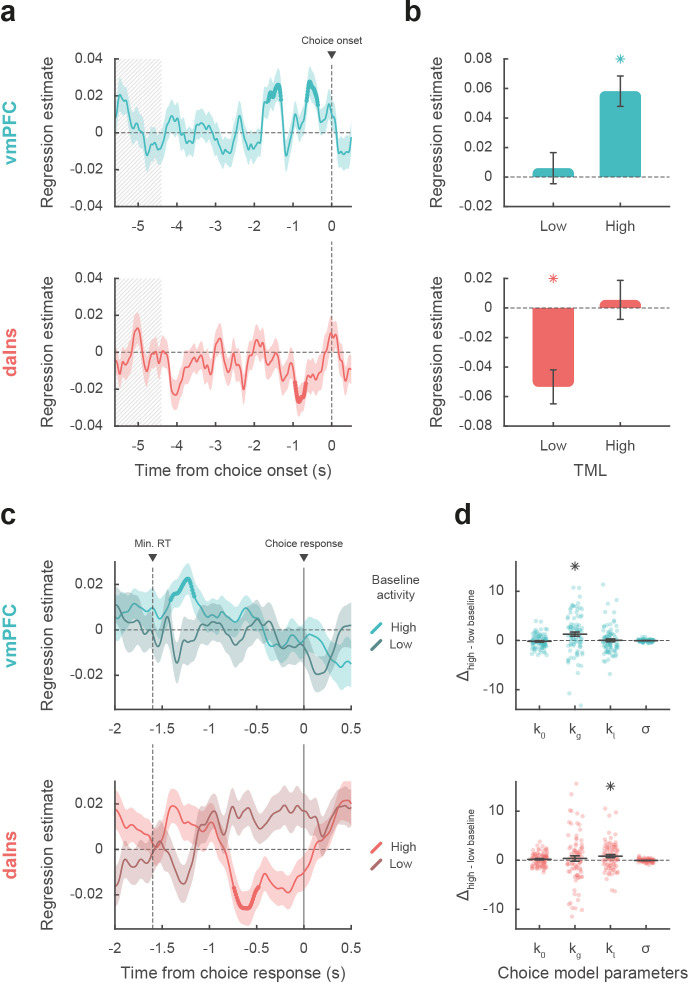
Identifying factors whose fluctuations are associated with choice inconsistency is a major issue for rational decision theory. Here, we investigated the neuro-computational mechanisms through which mood fluctuations may bias human choice behavior. Intracerebral EEG data were collected in a large group of subjects (n=30) while they were performing interleaved quiz and choice tasks that were designed to examine how a series of unrelated feedbacks affect decisions between safe and risky options. Neural baseline activity preceding choice onset was confronted first to mood level, estimated by a computational model integrating the feedbacks received in the quiz task, and then to the weighting of option attributes, in a computational model predicting risk attitude in the choice task. Results showed that (1) elevated broadband gamma activity (BGA) in the ventromedial prefrontal cortex (vmPFC) and dorsal anterior insula (daIns) was respectively signaling periods of high and low mood, (2) increased vmPFC and daIns BGA respectively promoted and tempered risk taking by overweighting gain vs. loss prospects. Thus, incidental feedbacks induce brain states that correspond to different moods and bias the evaluation of risky options. More generally, these findings might explain why people experiencing positive (or negative) outcome in some part of their life tend to expect success (or failure) in any other.
确定与选择不一致相关的波动因素是理性决策理论的一个主要问题。在这里,我们研究了情绪波动可能影响人类选择行为的神经计算机制。在一大组受试者(n=30)进行穿插测验和选择任务的过程中,我们收集了颅内 EEG 数据,这些任务旨在检查一系列不相关的反馈如何影响安全和风险选项之间的决策。在选择开始之前,首先将神经基线活动与情绪水平进行对比,该情绪水平由一个整合测验任务中反馈的计算模型来估计,然后将选项属性的权重与预测选择任务中风险态度的计算模型进行对比。结果表明:(1)腹内侧前额叶皮层(vmPFC)和背侧前扣带皮层(daIns)中的宽带伽马活动(BGA)升高分别表示情绪高和低的时期;(2)vmPFC 和 daIns 的 BGA 分别通过过度重视收益与损失的前景来促进和调节风险承担。因此,偶然的反馈会引起与不同情绪相对应的大脑状态,并影响对风险选项的评估。更一般地说,这些发现可以解释为什么人们在生活的某些方面经历积极(或消极)的结果时,往往会期望在其他方面取得成功(或失败)。