Luo Mengting, Xu Xiaopeng, Liu Xinxin, Shen Wenjie, Yang Linwei, Zhu Zhiming, Weng Shaoping, He Jianguo, Zuo Hongliang
State Key Laboratory of Biocontrol, School of Life Sciences, Sun Yat-sen University, Guangzhou, China.
Southern Marine Science and Engineering Guangdong Laboratory (Zhuhai), Zhuhai, China.
Front Immunol. 2022 Jun 29;13:913955. doi: 10.3389/fimmu.2022.913955. eCollection 2022.
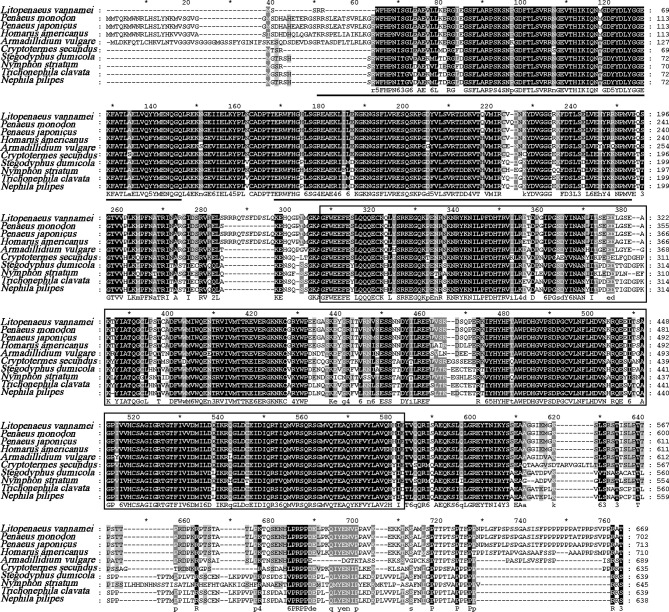
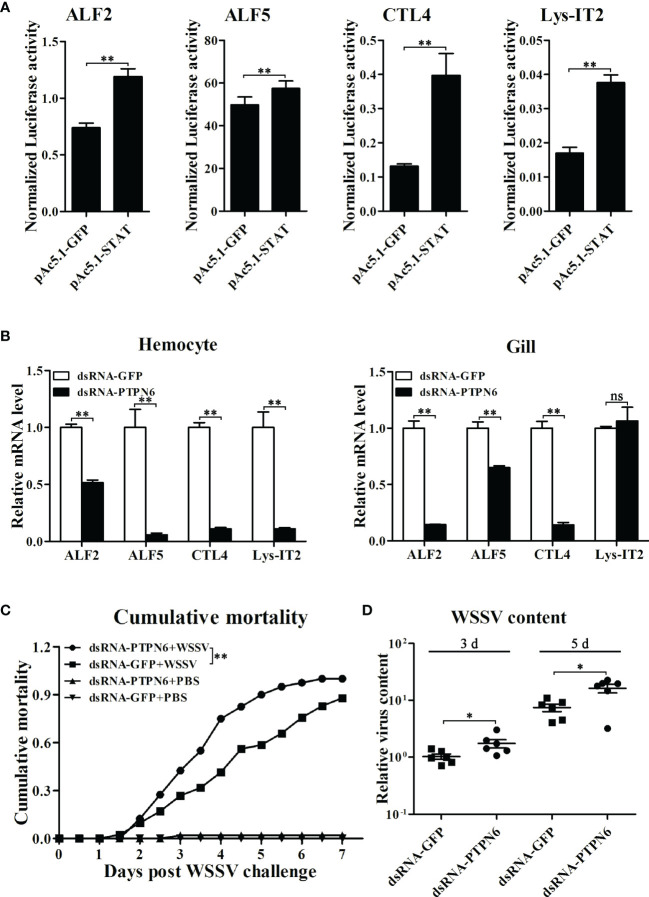
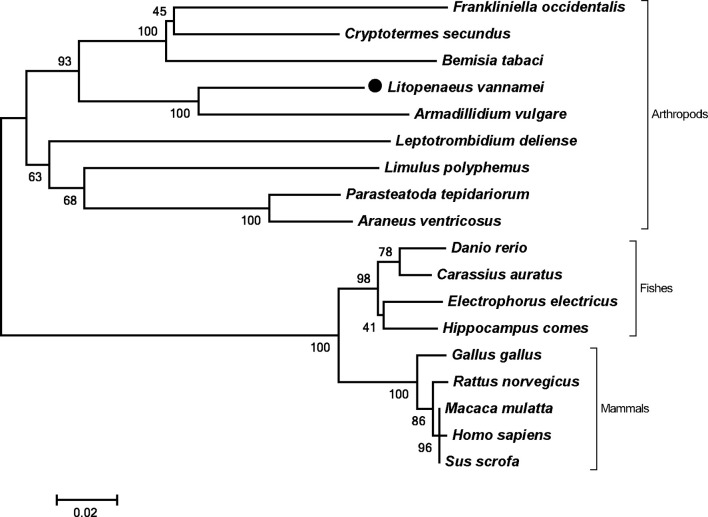
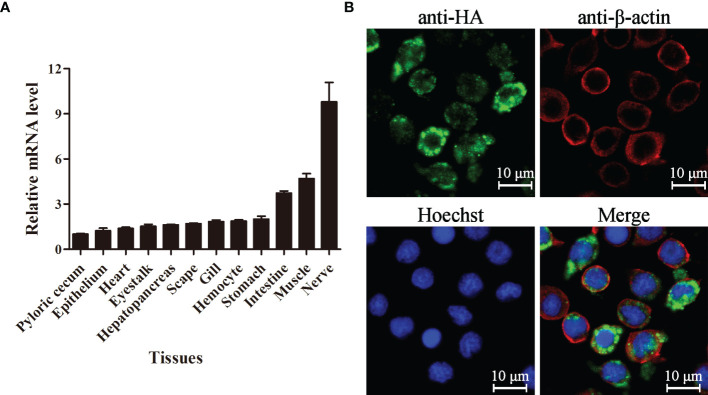
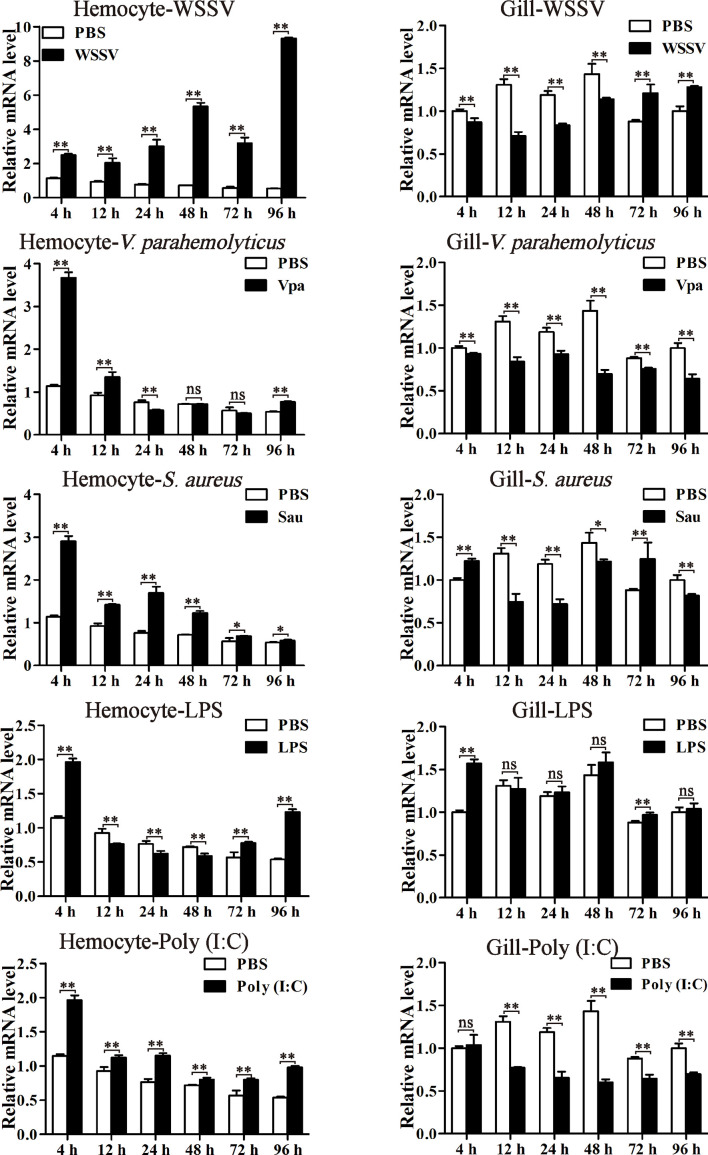
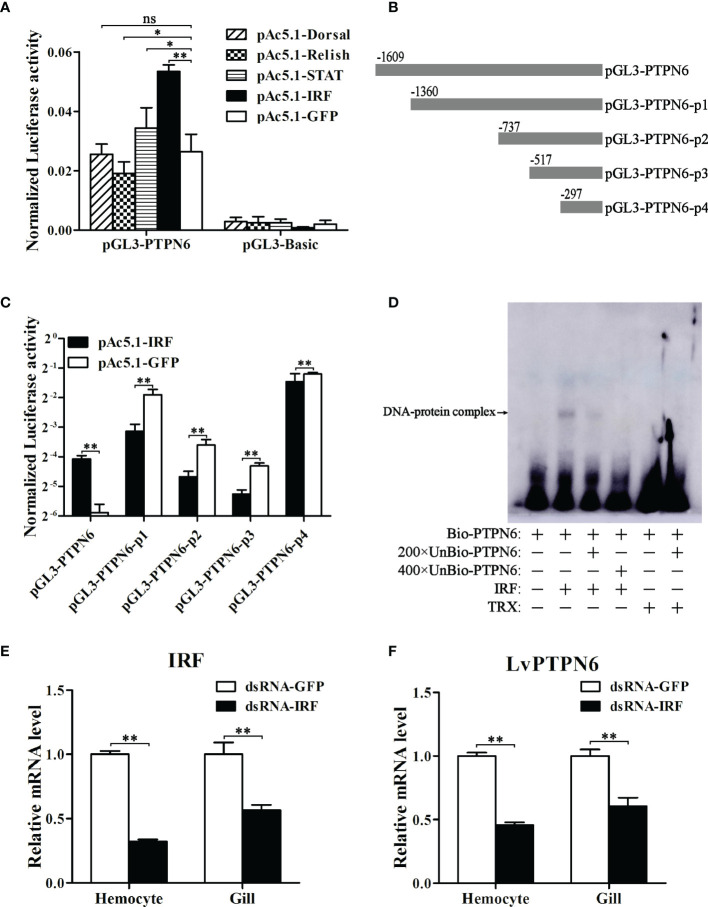
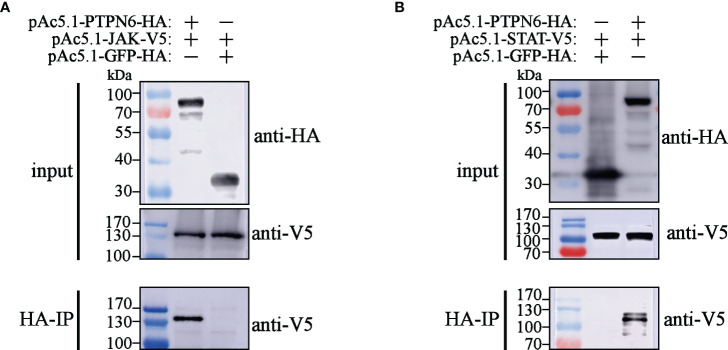
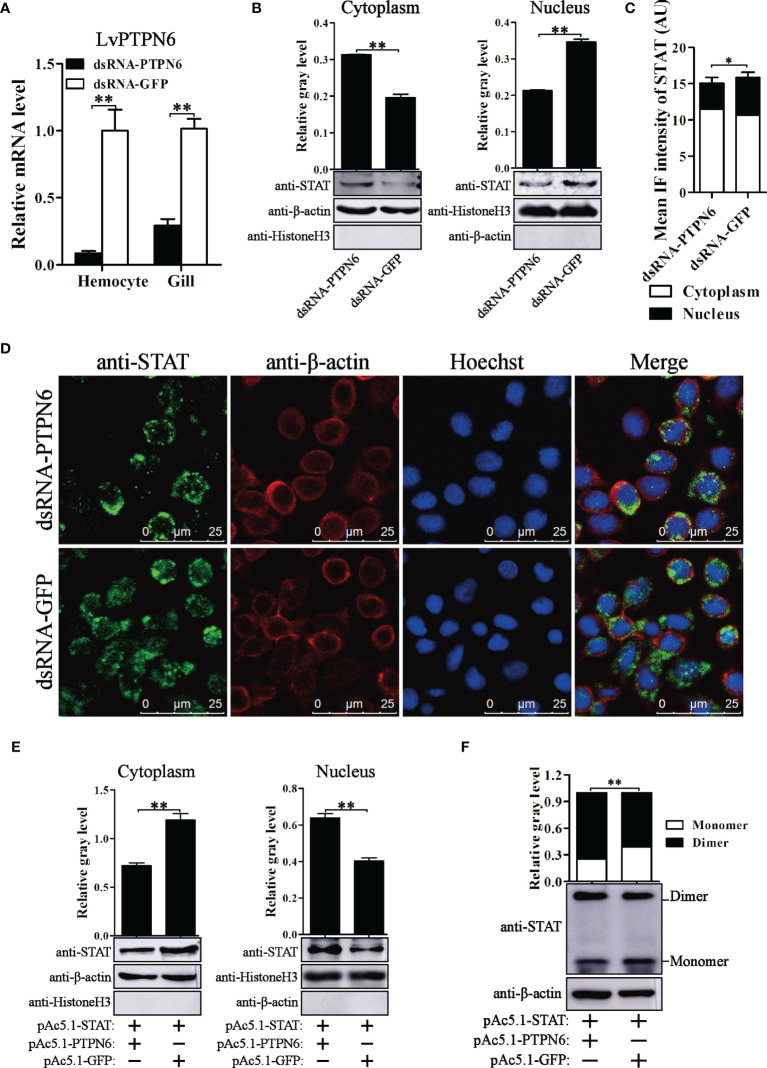
SH2-domain-containing protein tyrosine phosphatases (PTPs), belonging to the class I PTP superfamily, are responsible for the dephosphorylation on the phosphorylated tyrosine residues in some proteins that are involved in multiple biological processes in eukaryotes. The Janus kinase/signal transducers and activators of transcription (JAK/STAT) pathway transduce signaling responding to interferons and initiate cellular antiviral responses. The activity of the JAK/STAT pathway is generally orchestrated by the de-/phosphorylation of the tyrosine and serine residues of JAKs and STATs, in which the dephosphorylation processes are mainly controlled by PTPs. In the present study, an SH2-domian-contianing PTP, temporally named as LvPTPN6, was identified in . LvPTPN6 shares high similarity with PTPN6s from other organisms and was phylogenetically categorized into the clade of arthropods that differs from those of fishes and mammals. LvPTPN6 was constitutively expressed in all detected tissues, located mainly in the cytoplasm, and differentially induced in hemocyte and gill after the challenge of stimulants, indicating its complicated regulatory roles in shrimp immune responses. Intriguingly, the expression of LvPTPN6 was regulated by interferon regulatory factor (IRF), which could directly bind to the LvPTPN6 promoter. Surprisingly, unlike other PTPN6s, LvPTPN6 could promote the dimerization of STAT and facilitate its nuclear localization, which further elevated the expression of STAT-targeting immune effector genes and enhanced the antiviral immunity of shrimp. Therefore, this study suggests a PTPN6-mediated regulatory approach from IRF to the JAK/STAT signaling pathway in shrimp, which provides new insights into the regulatory roles of PTPs in the JAK/STAT signaling pathway and contributes to the further understanding of the mechanisms of antiviral immunity in invertebrates.
含SH2结构域的蛋白酪氨酸磷酸酶(PTP)属于I类PTP超家族,负责对真核生物中参与多种生物学过程的某些蛋白质上的磷酸化酪氨酸残基进行去磷酸化。Janus激酶/信号转导子和转录激活子(JAK/STAT)途径转导对干扰素作出反应的信号并启动细胞抗病毒反应。JAK/STAT途径的活性通常由JAK和STAT的酪氨酸和丝氨酸残基的去磷酸化/磷酸化来协调,其中去磷酸化过程主要由PTP控制。在本研究中,在……中鉴定出一种含SH2结构域的PTP,暂时命名为LvPTPN6。LvPTPN6与来自其他生物的PTPN6具有高度相似性,并且在系统发育上被归类为与鱼类和哺乳动物不同的节肢动物进化枝。LvPTPN6在所有检测的组织中组成性表达,主要位于细胞质中,并且在受到刺激物攻击后在血细胞和鳃中差异诱导,表明其在对虾免疫反应中具有复杂的调节作用。有趣的是,LvPTPN6的表达受干扰素调节因子(IRF)调控,IRF可直接结合到LvPTPN6启动子上。令人惊讶的是,与其他PTPN6不同,LvPTPN6可促进STAT的二聚化并促进其核定位,这进一步提高了靶向STAT的免疫效应基因的表达并增强了对虾的抗病毒免疫力。因此,本研究提出了一种对虾中从IRF到JAK/STAT信号通路的PTPN6介导的调节方法,这为PTP在JAK/STAT信号通路中的调节作用提供了新的见解,并有助于进一步了解无脊椎动物抗病毒免疫的机制。