Artemisinin Research Center and Institute of Chinese Materia Medica, China Academy of Chinese Medical Sciences, Beijing, China.
Department of Geriatrics, Shenzhen People's Hospital (The Second Clinical Medical College, Jinan University; The First Affiliated Hospital, Southern University of Science and Technology), Shenzhen, Guangdong, China.
JCI Insight. 2022 Aug 22;7(16):e157360. doi: 10.1172/jci.insight.157360.
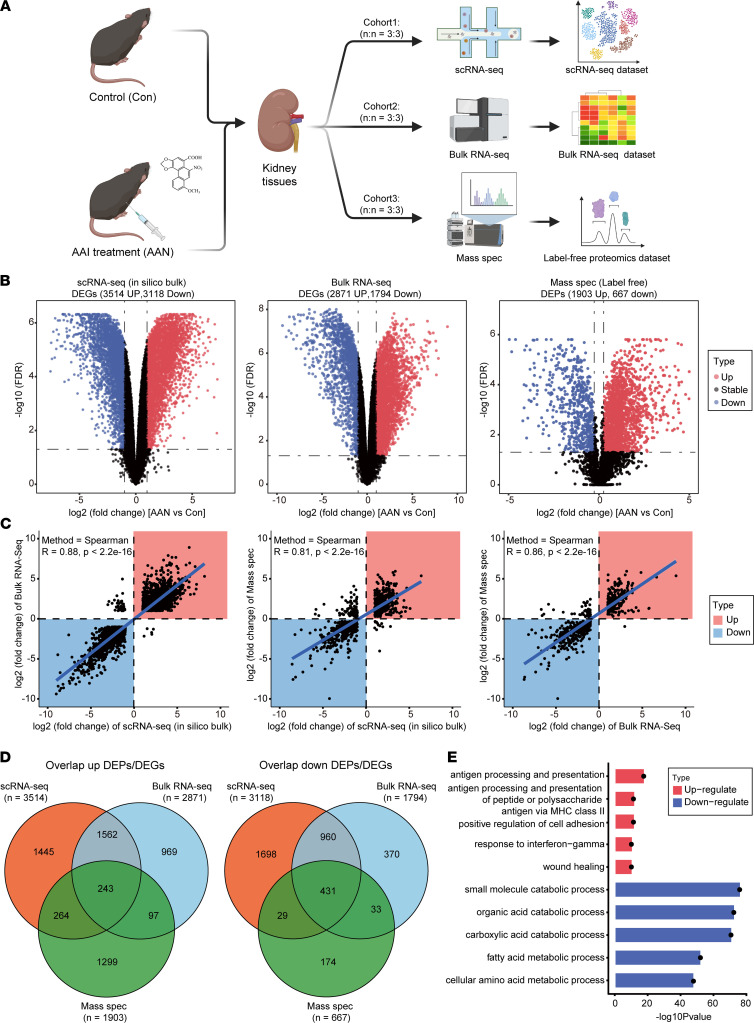
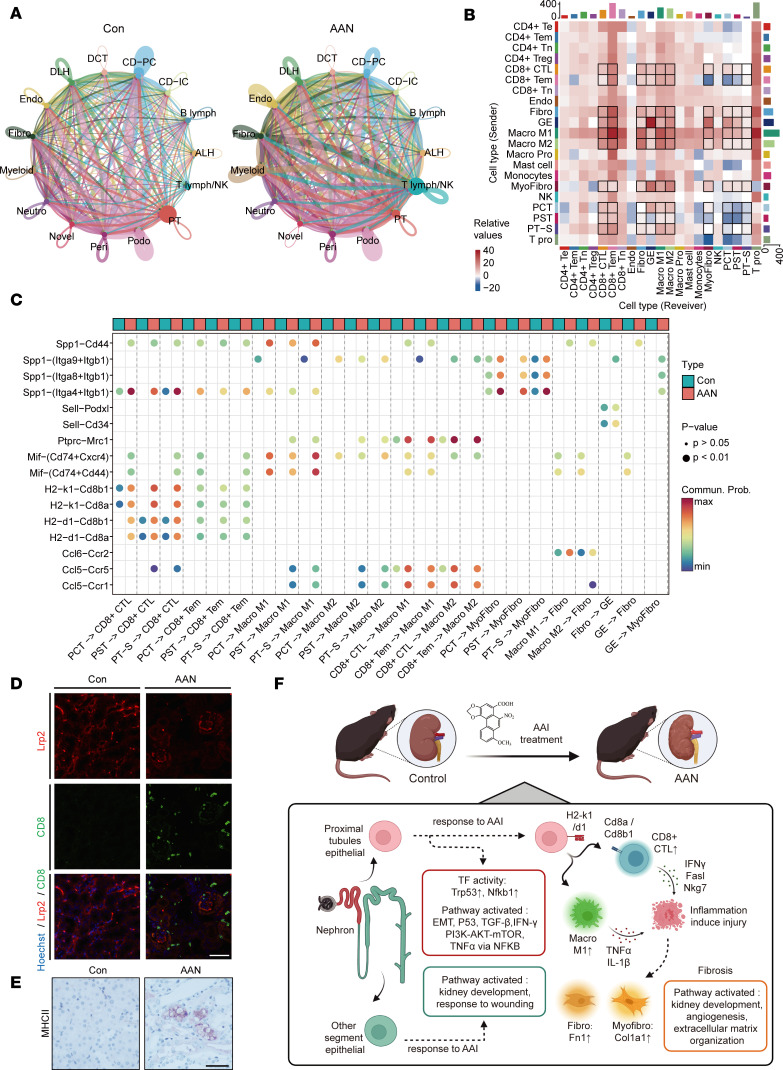
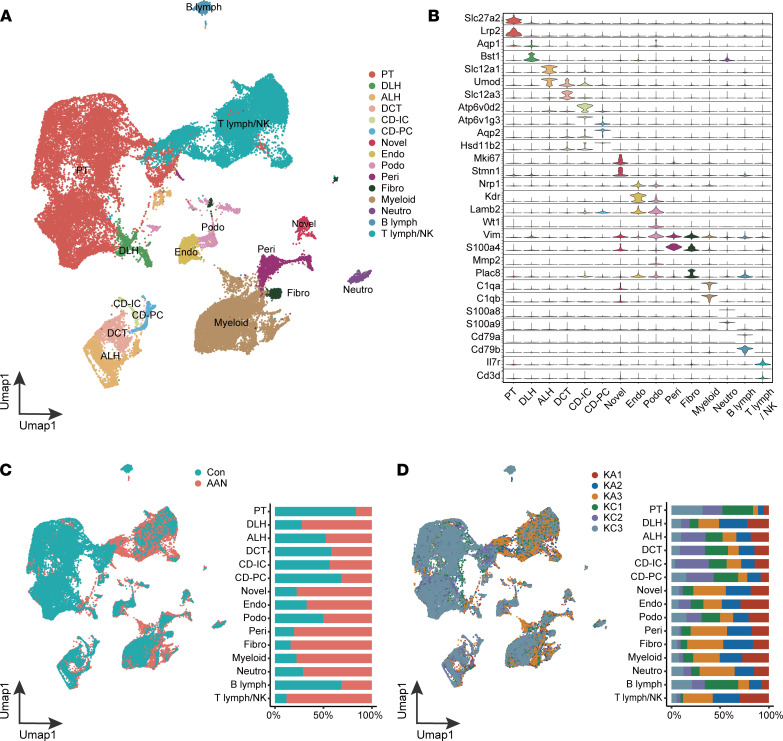
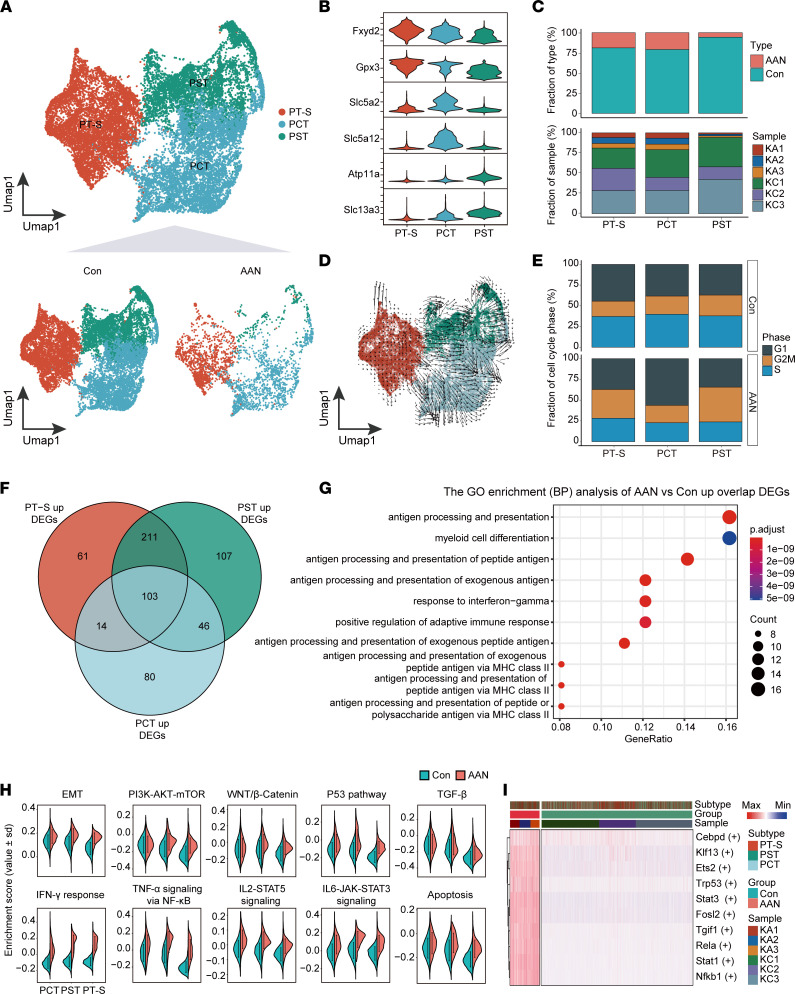
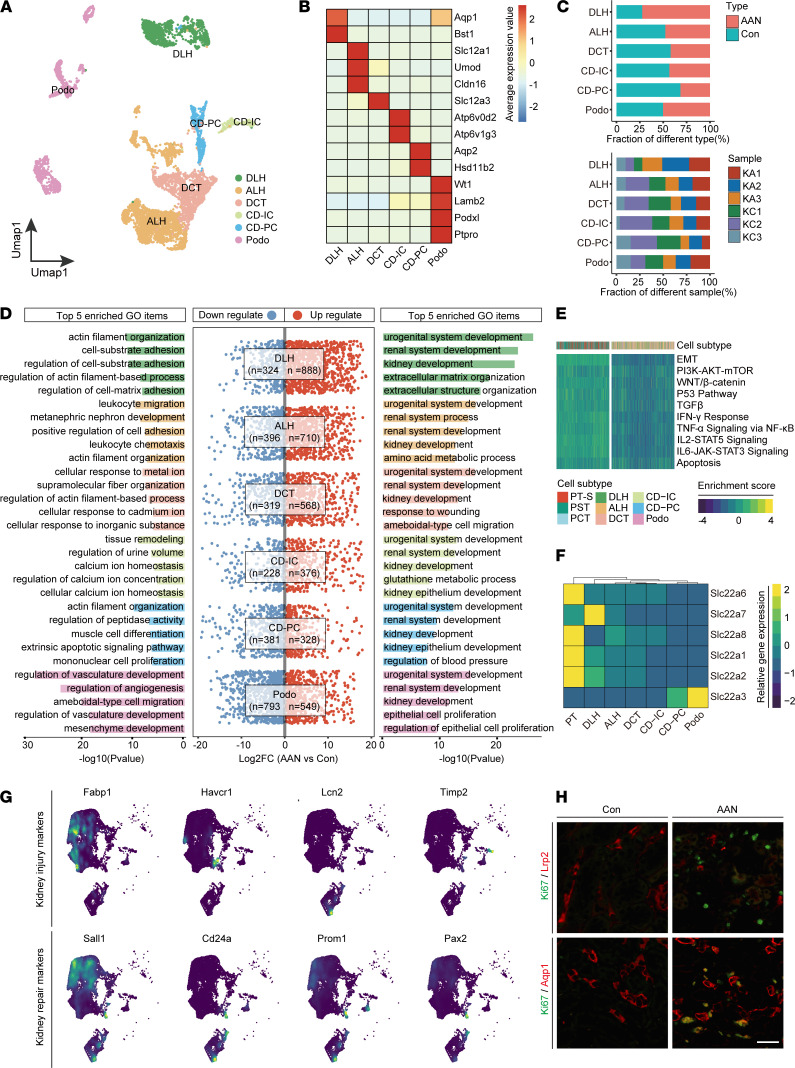
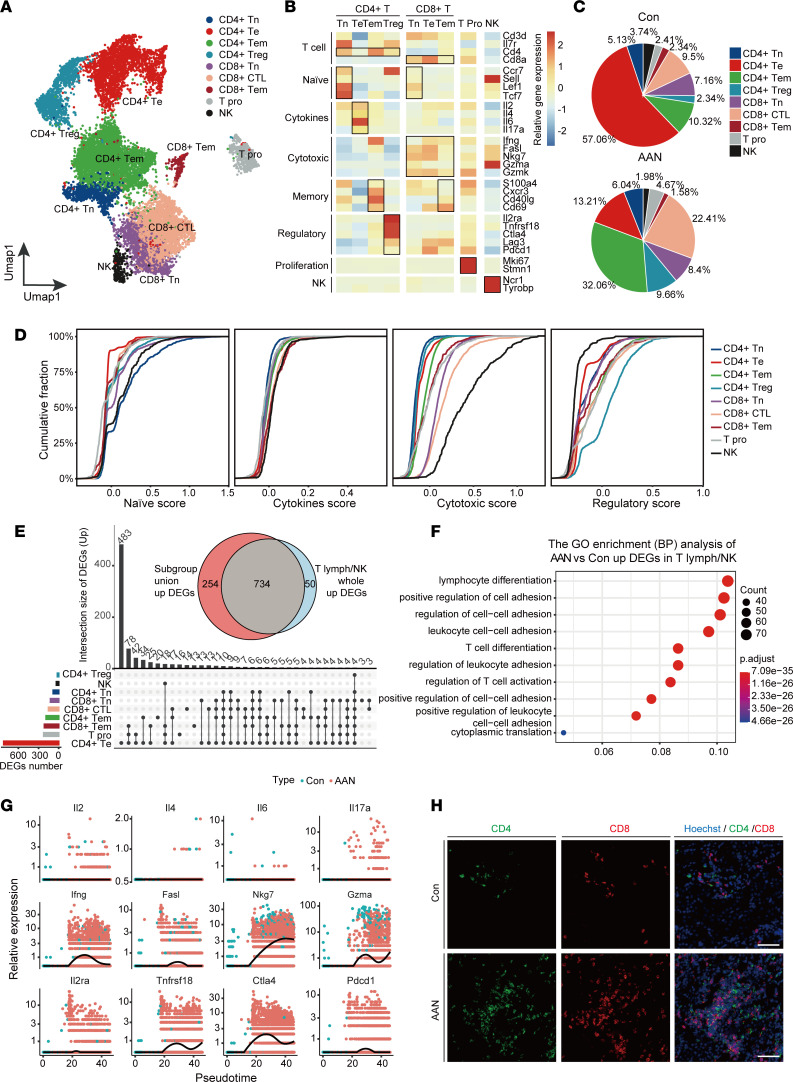
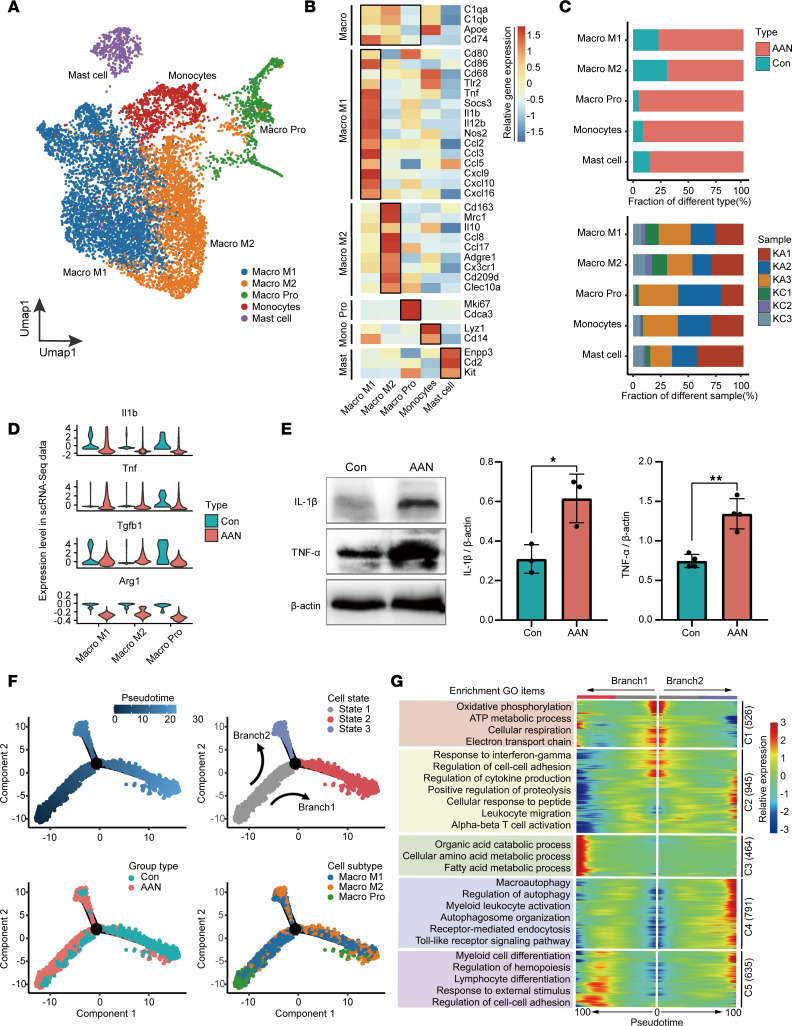
Aristolochic acid nephropathy (AAN) is characterized by acute proximal tubule necrosis and immune cell infiltration, contributing to the global burden of chronic kidney disease and urothelial cancer. Although the proximal tubule has been defined as the primary target of aristolochic acids I (AAI), the mechanistic underpinning of gross renal deterioration caused by AAI has not been explicitly explained, prohibiting effective therapeutic intervention. To this point, we employed integrated single-cell RNA-Seq, bulk RNA-Seq, and mass spectrometry-based proteomics to analyze the mouse kidney after acute AAI exposure. Our results reveal a dramatic reduction of proximal tubule epithelial cells, associated with apoptotic and inflammatory pathways, indicating permanent damage beyond repair. We found the enriched development pathways in other nephron segments, suggesting activation of reparative programs triggered by AAI. The divergent response may be attributed to the segment-specific distribution of organic anion channels along the nephron, including OAT1 and OAT3. Moreover, we observed dramatic activation and recruitment of cytotoxic T and macrophage M1 cells, highlighting inflammation as a principal contributor to permanent renal injury. Ligand-receptor pairing revealed that critical intercellular crosstalk underpins damage-induced activation of immune cells. These results provide potentially novel insight into the AAI-induced kidney injury and point out possible pathways for future therapeutic intervention.
马兜铃酸肾病(AAN)的特征是急性近端肾小管坏死和免疫细胞浸润,导致全球慢性肾脏病和尿路上皮癌的负担加重。虽然近端小管已被定义为马兜铃酸 I(AAI)的主要靶标,但 AAI 引起的严重肾脏恶化的机制基础尚未得到明确解释,从而阻止了有效的治疗干预。在这一点上,我们采用整合的单细胞 RNA-Seq、批量 RNA-Seq 和基于质谱的蛋白质组学分析了急性 AAI 暴露后的小鼠肾脏。我们的结果显示,近端肾小管上皮细胞数量急剧减少,与细胞凋亡和炎症途径相关,表明永久性损伤无法修复。我们发现其他肾单位段中富含发育途径,表明 AAI 触发了修复程序的激活。这种不同的反应可能归因于有机阴离子通道在肾单位中的特定节段分布,包括 OAT1 和 OAT3。此外,我们观察到细胞毒性 T 细胞和巨噬细胞 M1 的显著激活和募集,突出了炎症是永久性肾损伤的主要原因。配体-受体配对揭示了细胞间关键的串扰是损伤诱导免疫细胞激活的基础。这些结果为 AAI 诱导的肾脏损伤提供了潜在的新见解,并指出了未来治疗干预的可能途径。