College of Horticulture, Nanjing Agricultural University, Nanjing, 210095, Jiangsu, China.
BMC Plant Biol. 2022 Jul 21;22(1):354. doi: 10.1186/s12870-022-03731-5.
Chloroplast (cp) genomes are generally considered to be conservative and play an important role in population diversity analysis in plants, but the characteristics and diversity of the different germplasm populations in Japanese apricot are still not clear.
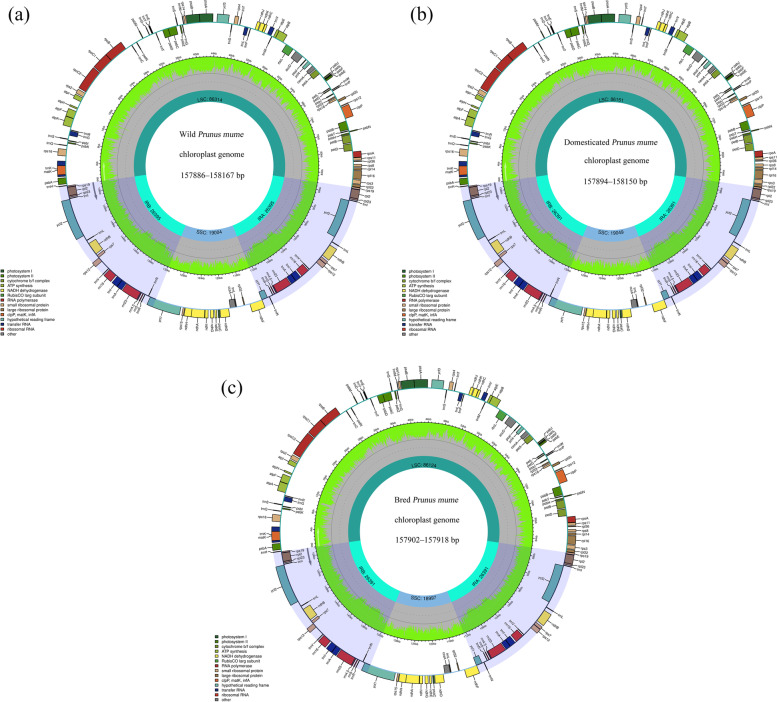
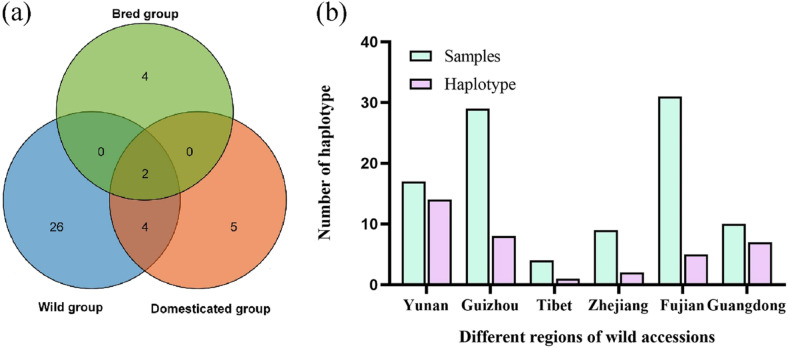
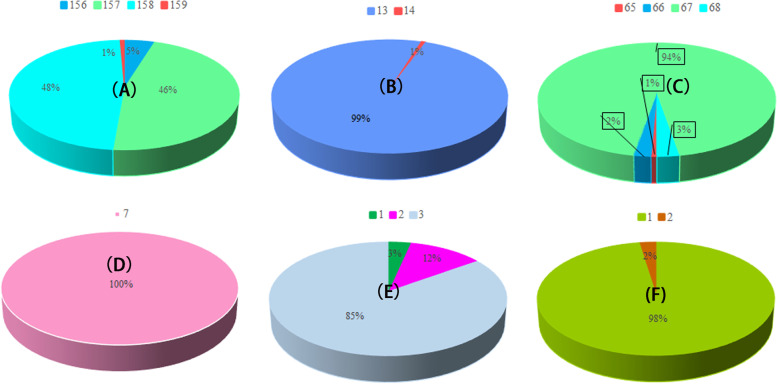
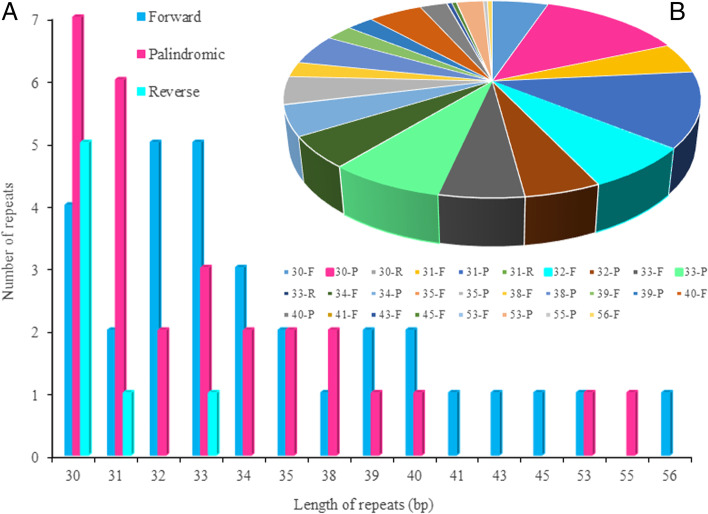
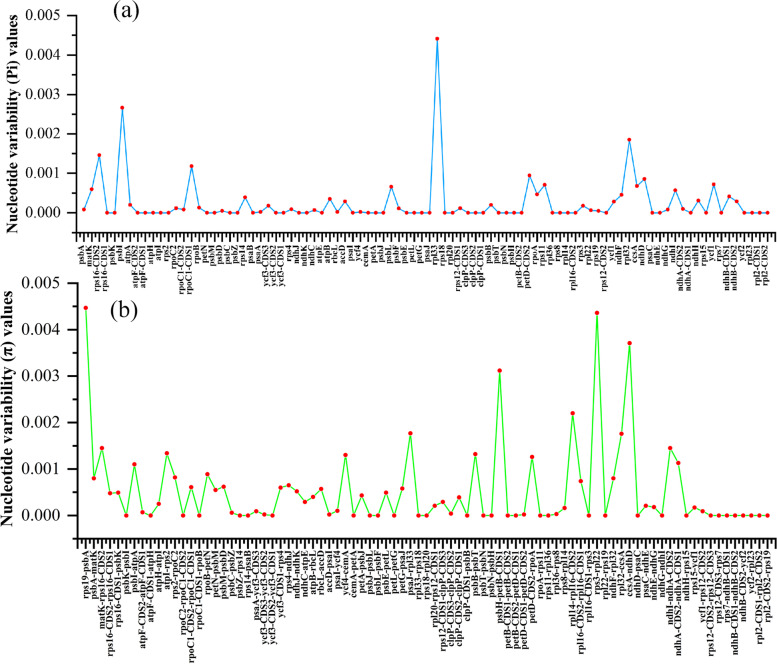
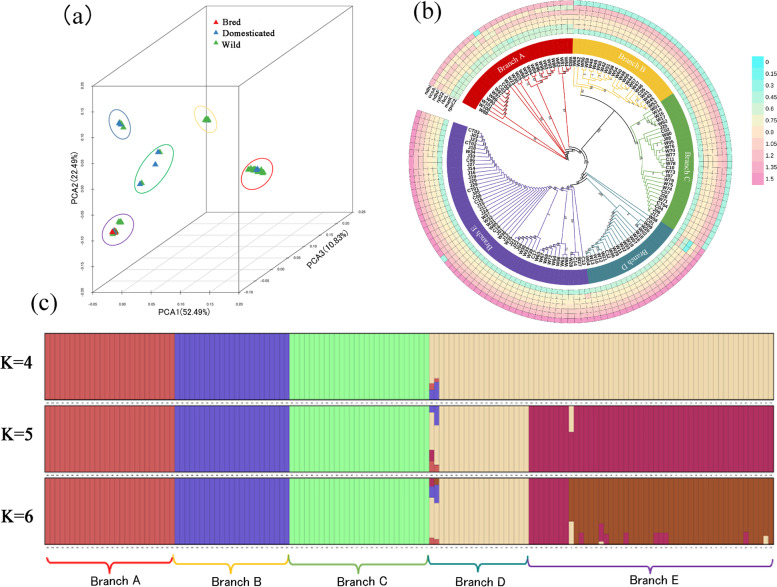
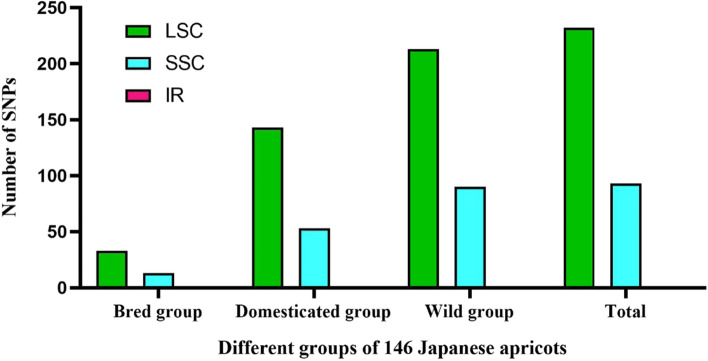
A total of 146 cp genomes from three groups of wild, domesticated, and bred accessions of Japanese apricot were sequenced in this study. The comparative genome analysis revealed that the 146 cp genomes were divided into 41 types, and ranged in size from 157,886 to 158,167 bp with a similar structure and composition to those of the genus Prunus. However, there were still minor differences in the cp genome that were mainly caused by the contraction and expansion of the IR region, and six types of SSR in which mono-nucleotide repeats were the most dominant type of repeats in the cp genome. The genes rpl33 and psbI, and intergenic regions of start-psbA, rps3-rpl22, and ccsA-ndhD, showed the highest nucleotide polymorphism in the whole cp genome. A total of 325 SNPs were detected in the 146 cp genomes, and more than 70% of the SNPs were in region of large single-copy (LSC). The SNPs and haplotypes in the cp genome indicated that the wild group had higher genetic diversity than the domesticated and bred groups. In addition, among wild populations, Southwest China, including Yunnan, Tibet, and Bijie of Guizhou, had the highest genetic diversity. The genetic relationship of Japanese apricot germplasm resources in different regions showed a degree of correlation with their geographical distribution.
Comparative analysis of chloroplast genomes of 146 Japanese apricot resources was performed to analyze the used to explore the genetic relationship and genetic diversity among Japanese apricot resources with different geographical distributions, providing some reference for the origin and evolution of Japanese apricot.
叶绿体(cp)基因组通常被认为是保守的,在植物的种群多样性分析中起着重要作用,但日本甜樱桃不同种质资源群体的特征和多样性仍不清楚。
本研究共对来自野生、驯化和选育的日本甜樱桃的 3 组共 146 个 cp 基因组进行了测序。比较基因组分析表明,146 个 cp 基因组分为 41 种,大小在 157886-158167bp 之间,与李属的 cp 基因组结构和组成相似。然而,cp 基因组仍存在较小差异,主要是由于 IR 区的收缩和扩张以及 6 种类型的 SSR 引起的,其中单核苷酸重复是 cp 基因组中最主要的重复类型。基因 rpl33 和 psbI 以及起始 psbA、rps3-rpl22 和 ccsA-ndhD 之间的基因间区在整个 cp 基因组中显示出最高的核苷酸多态性。在 146 个 cp 基因组中共检测到 325 个 SNPs,其中 70%以上的 SNPs 位于大单一拷贝(LSC)区。cp 基因组中的 SNPs 和单倍型表明,野生群体的遗传多样性高于驯化和选育群体。此外,在野生群体中,包括云南、西藏和贵州毕节在内的中国西南部地区具有最高的遗传多样性。不同地区日本甜樱桃种质资源的遗传关系与它们的地理分布呈一定的相关性。
对 146 份日本甜樱桃资源的叶绿体基因组进行比较分析,旨在分析不同地理分布的日本甜樱桃资源的遗传关系和遗传多样性,为日本甜樱桃的起源和进化提供了一定的参考。