Bussmann Allan J C, Zaninelli Tiago H, Saraiva-Santos Telma, Fattori Victor, Guazelli Carla F S, Bertozzi Mariana M, Andrade Ketlem C, Ferraz Camila R, Camilios-Neto Doumit, Casella Antônio M B, Casagrande Rubia, Borghi Sergio M, Verri Waldiceu A
Laboratory of Pain, Inflammation, Neuropathy, and Cancer, Department of Pathology, Londrina State University, Londrina 86057-970, Brazil.
Department of Biochemistry and Biotechnology, Center of Exact Sciences, Londrina State University, Londrina 86057-970, Brazil.
Antioxidants (Basel). 2022 Jun 27;11(7):1261. doi: 10.3390/antiox11071261.
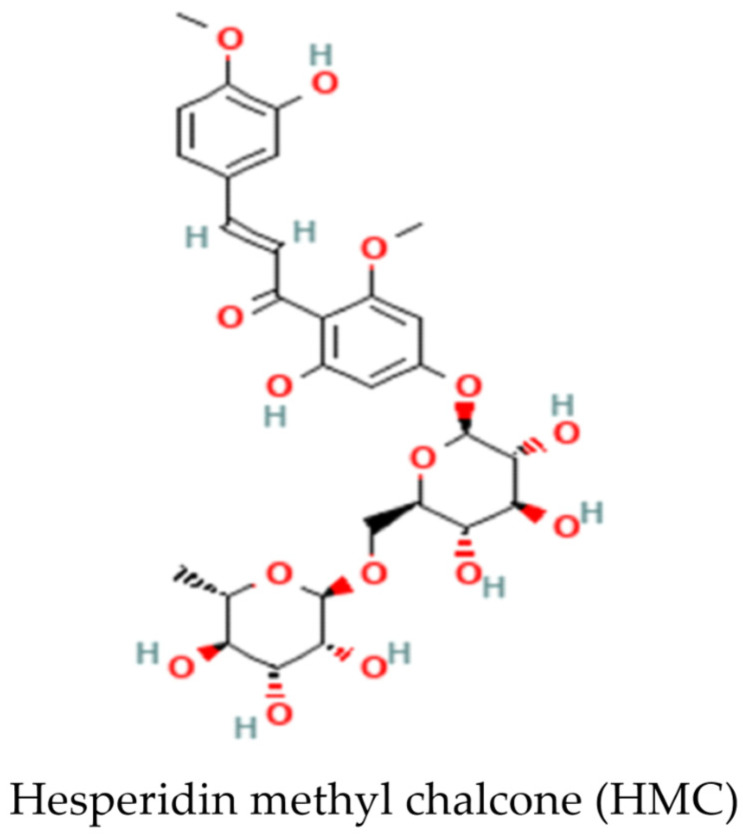
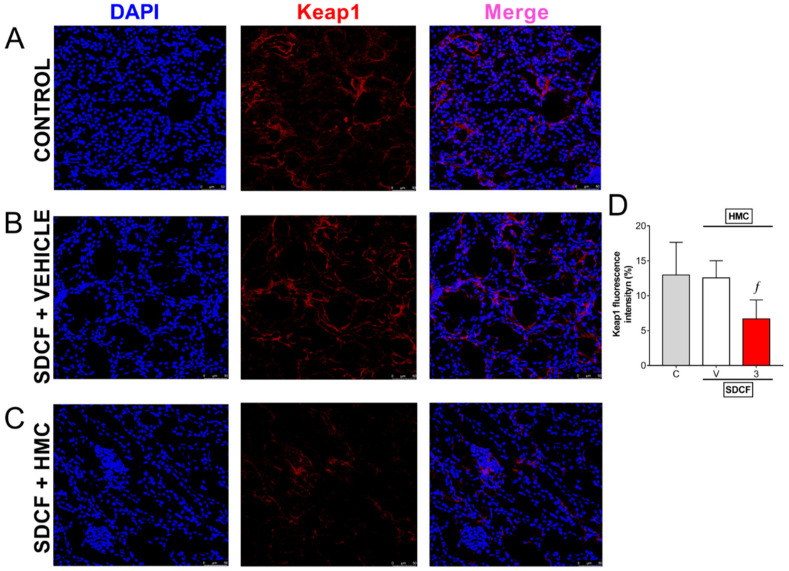
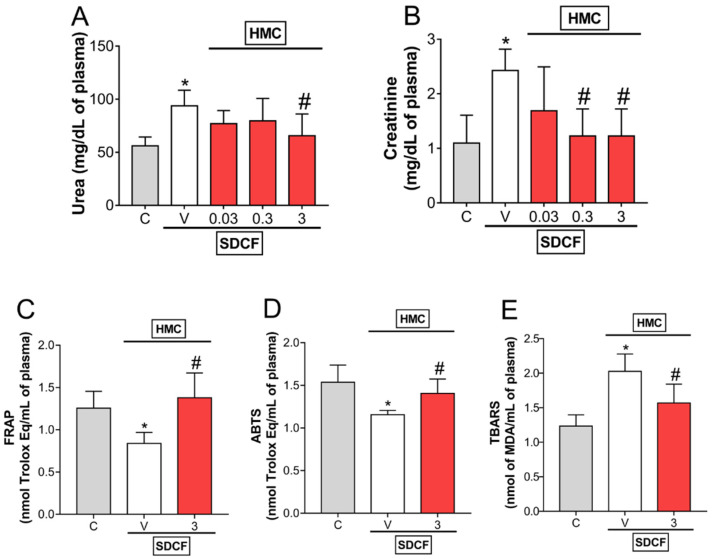
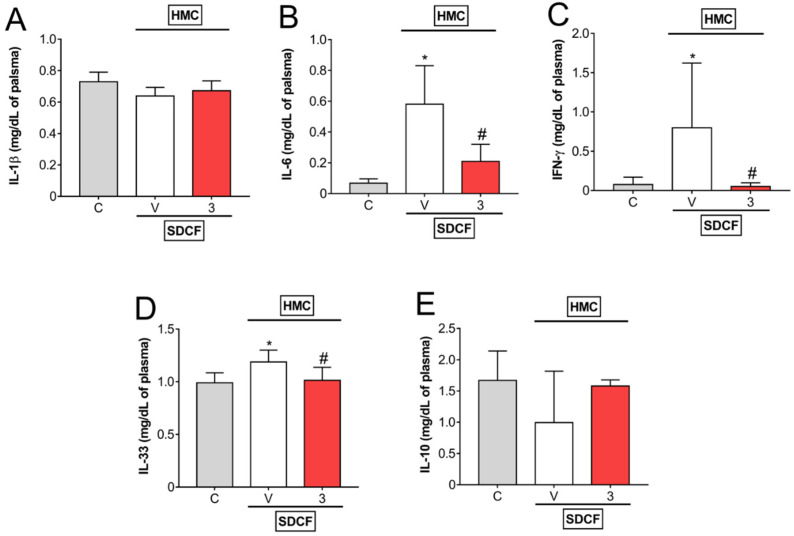
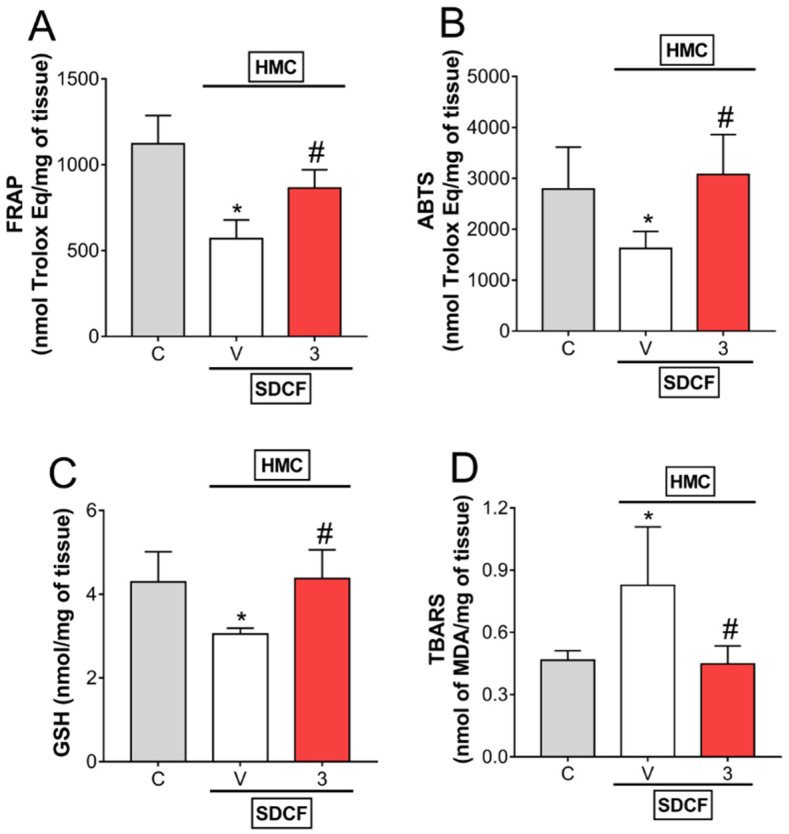
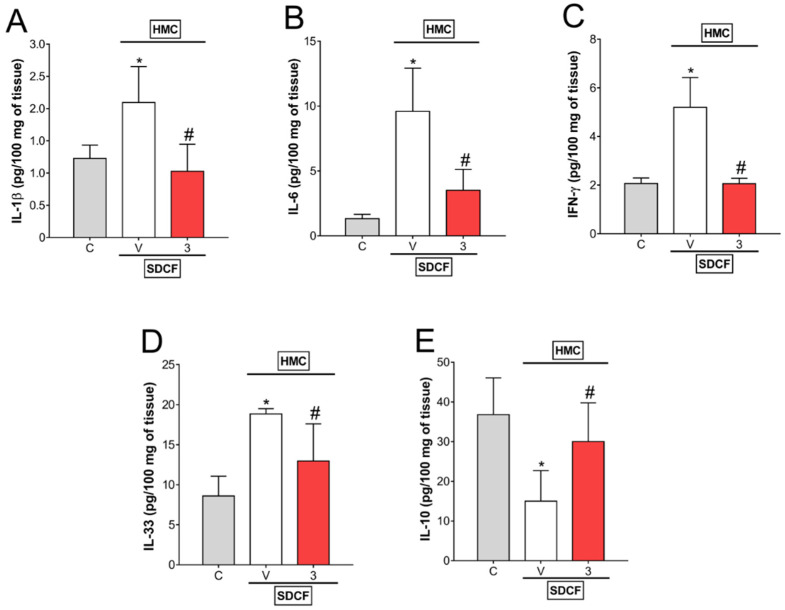
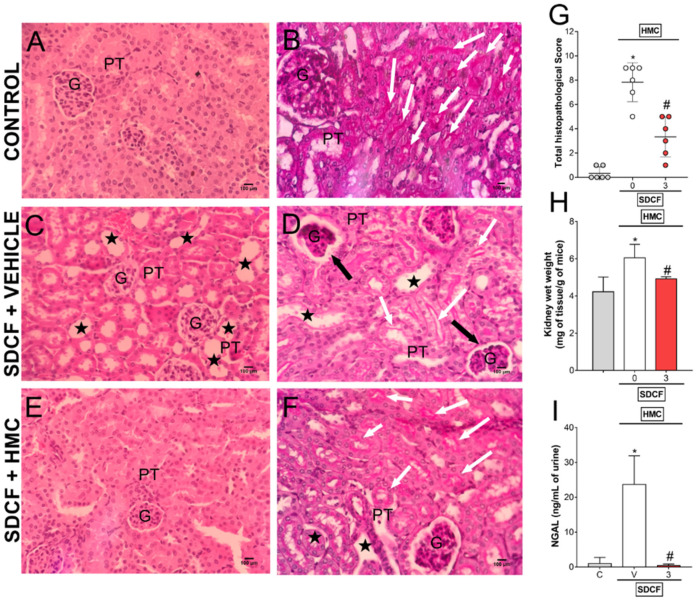
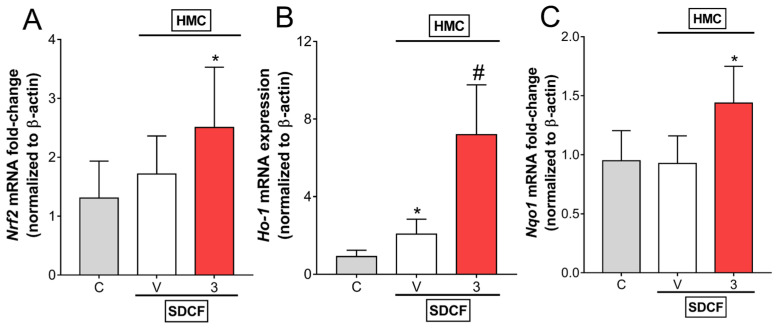
Hesperidin is derived from citrus fruits among other plants. Hesperidin was methylated to increase its solubility, generating hesperidin methyl chalcone (HMC), an emerging flavonoid that possess anti-inflammatory and antioxidant properties. The nuclear factor erythroid 2-related factor 2 (Nrf2) is a powerful regulator of cellular resistance to oxidant products. Previous data evidenced HMC can activate Nrf2 signaling, providing antioxidant protection against diverse pathological conditions. However, its effects on kidney damage caused by non-steroidal anti-inflammatory drugs (NSAIDs) have not been evaluated so far. Mice received a nephrotoxic dose of diclofenac (200 mg/kg) orally followed by intra-peritoneal (i.p.) administration of HMC (0.03-3 mg/kg) or vehicle. Plasmatic levels of urea, creatinine, oxidative stress, and cytokines were assessed. Regarding the kidneys, oxidative parameters, cytokine production, kidney swelling, urine NGAL, histopathology, and Nrf2 mRNA expression and downstream targets were evaluated. HMC dose-dependently targeted diclofenac systemic alterations by decreasing urea and creatinine levels, and lipid peroxidation, as well as IL-6, IFN-γ, and IL-33 production, and restored antioxidant properties in plasma samples. In kidney samples, HMC re-established antioxidant defenses, inhibited lipid peroxidation and pro-inflammatory cytokines and upregulated IL-10, reduced kidney swelling, urine NGAL, and histopathological alterations. Additionally, HMC induced mRNA expression of Nrf2 and its downstream effectors HO-1 and Nqo1, as well as reduced the levels of Keap1 protein detected in renal tissue. The present data demonstrate HMC is a potential compound for the treatment of acute renal damage caused by diclofenac, a routinely prescribed non-steroidal anti-inflammatory drug.
橙皮苷源于柑橘类水果及其他植物。橙皮苷经甲基化处理以提高其溶解度,生成了橙皮苷甲基查耳酮(HMC),这是一种新兴的具有抗炎和抗氧化特性的类黄酮。核因子红细胞2相关因子2(Nrf2)是细胞对氧化产物抗性的强大调节因子。先前的数据表明HMC可激活Nrf2信号通路,为多种病理状况提供抗氧化保护。然而,其对非甾体抗炎药(NSAIDs)所致肾损伤的影响迄今尚未得到评估。小鼠口服给予肾毒性剂量的双氯芬酸(200 mg/kg),随后腹腔注射HMC(0.03 - 3 mg/kg)或赋形剂。评估血浆中尿素、肌酐、氧化应激和细胞因子的水平。对于肾脏,评估氧化参数、细胞因子产生、肾脏肿胀、尿中性粒细胞明胶酶相关脂质运载蛋白(NGAL)、组织病理学以及Nrf2 mRNA表达和下游靶点。HMC通过降低尿素和肌酐水平、脂质过氧化以及白细胞介素-6(IL-6)、干扰素-γ(IFN-γ)和白细胞介素-33(IL-33)的产生,剂量依赖性地靶向双氯芬酸的全身改变,并恢复血浆样本中的抗氧化特性。在肾脏样本中,HMC重新建立抗氧化防御,抑制脂质过氧化和促炎细胞因子,上调白细胞介素-10(IL-10),减轻肾脏肿胀、尿NGAL和组织病理学改变。此外,HMC诱导Nrf2及其下游效应分子血红素加氧酶-1(HO-1)和醌氧化还原酶1(Nqo1)的mRNA表达,并降低肾组织中检测到的 Kelch样环氧氯丙烷相关蛋白1(Keap1)蛋白水平。目前的数据表明HMC是一种治疗由双氯芬酸引起的急性肾损伤的潜在化合物,双氯芬酸是一种常规处方的非甾体抗炎药。