Smart Materials, Istituto Italiano di Tecnologia, Via Morego 30, 16163 Genova, Italy.
Molecules. 2022 Jul 14;27(14):4504. doi: 10.3390/molecules27144504.
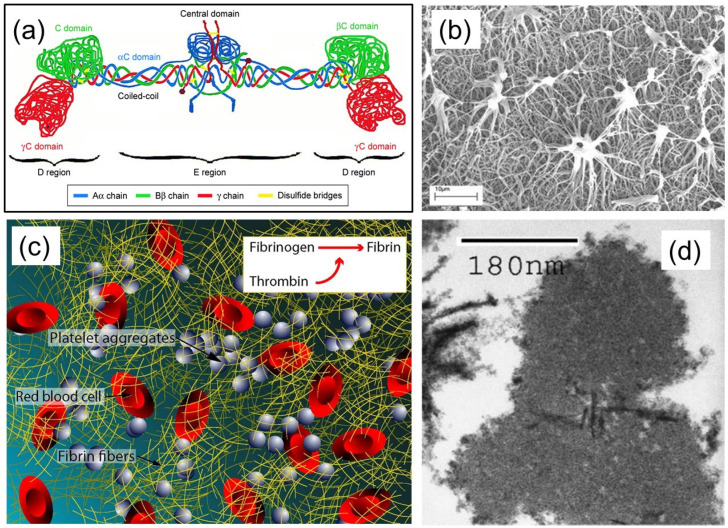
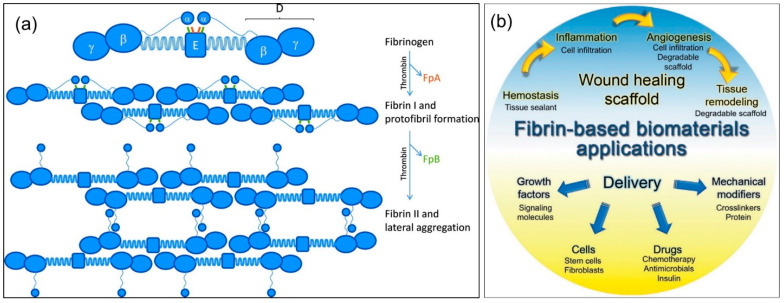
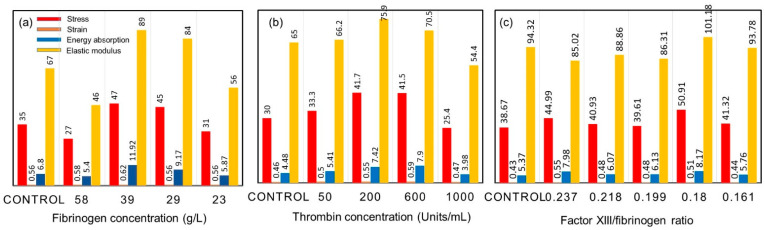
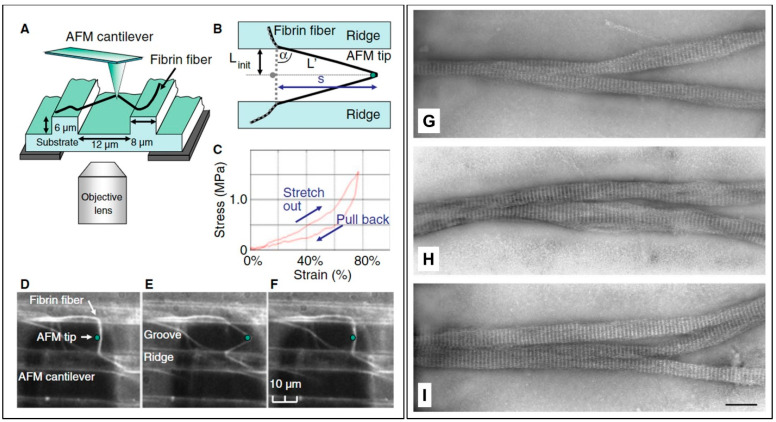
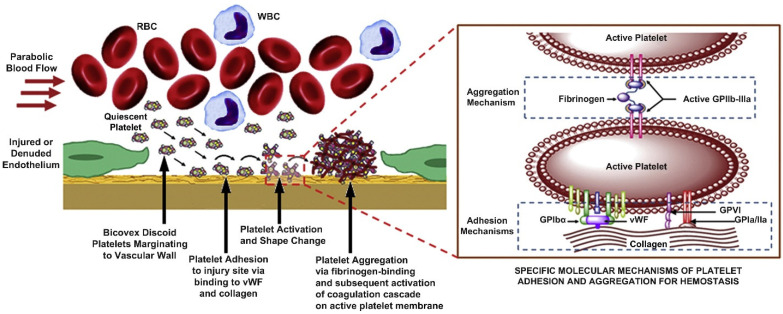
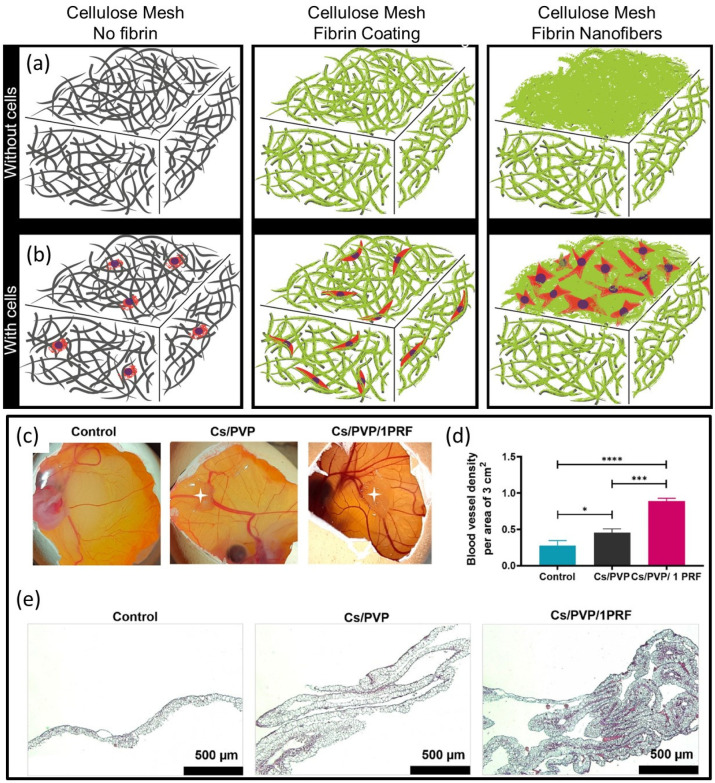
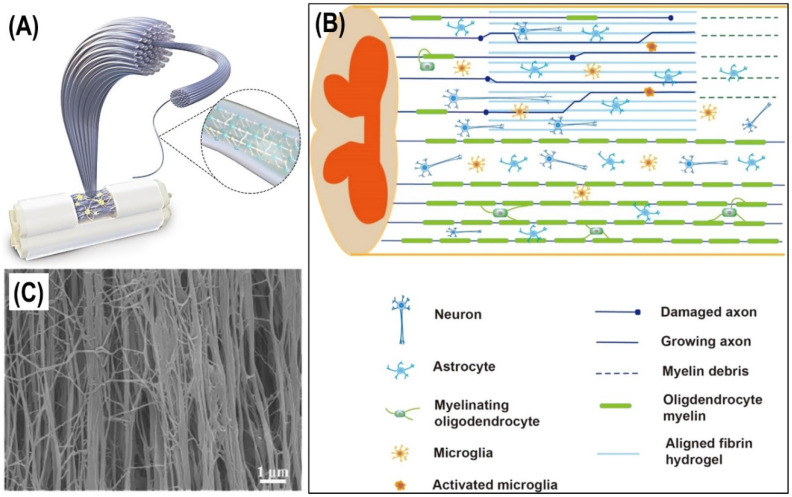
The first bioprocess that occurs in response to wounding is the deterrence of local hemorrhage. This is accomplished by platelet aggregation and initiation of the hemostasis cascade. The resulting blood clot immediately enables the cessation of bleeding and then functions as a provisional matrix for wound healing, which begins a few days after injury. Here, fibrinogen and fibrin fibers are the key players, because they literally serve as scaffolds for tissue regeneration and promote the migration of cells, as well as the ingrowth of tissues. Fibrin is also an important modulator of healing and a host defense system against microbes that effectively maintains incoming leukocytes and acts as reservoir for growth factors. This review presents recent advances in the understanding and applications of fibrin and fibrin-fiber-incorporated biomedical materials applied to wound healing and subsequent tissue repair. It also discusses how fibrin-based materials function through several wound healing stages including physical barrier formation, the entrapment of bacteria, drug and cell delivery, and eventual degradation. Pure fibrin is not mechanically strong and stable enough to act as a singular wound repair material. To alleviate this problem, this paper will demonstrate recent advances in the modification of fibrin with next-generation materials exhibiting enhanced stability and medical efficacy, along with a detailed look at the mechanical properties of fibrin and fibrin-laden materials. Specifically, fibrin-based nanocomposites and their role in wound repair, sustained drug release, cell delivery to wound sites, skin reconstruction, and biomedical applications of drug-loaded fibrin-based materials will be demonstrated and discussed.
受伤后发生的第一个生物过程是阻止局部出血。这是通过血小板聚集和止血级联反应的启动来实现的。由此产生的血凝块立即停止出血,然后作为伤口愈合的临时基质发挥作用,这在受伤几天后开始。在这里,纤维蛋白原和纤维蛋白纤维是关键因素,因为它们实际上充当组织再生的支架,并促进细胞迁移和组织向内生长。纤维蛋白也是愈合的重要调节剂和宿主防御系统,可有效抵抗微生物,有效地维持进入的白细胞并充当生长因子的储存库。本综述介绍了纤维蛋白和纤维蛋白纤维结合的生物医学材料在伤口愈合和随后的组织修复中的理解和应用的最新进展。它还讨论了纤维蛋白基材料如何通过几个伤口愈合阶段发挥作用,包括物理屏障形成、细菌捕获、药物和细胞递送以及最终降解。纯纤维蛋白在机械强度和稳定性方面都不够强,无法作为单一的伤口修复材料。为了解决这个问题,本文将展示使用下一代材料修饰纤维蛋白的最新进展,这些材料具有增强的稳定性和医疗功效,并详细介绍纤维蛋白和纤维蛋白负载材料的机械性能。具体来说,将展示和讨论基于纤维蛋白的纳米复合材料及其在伤口修复、药物持续释放、细胞递送到伤口部位、皮肤重建以及负载药物的纤维蛋白基材料的生物医学应用中的作用。