Husain Kazim, Villalobos-Ayala Krystal, Laverde Valentina, Vazquez Oscar A, Miller Bradley, Kazim Samra, Blanck George, Hibbs Margaret L, Krystal Gerald, Elhussin Isra, Mori Joakin, Yates Clayton, Ghansah Tomar
Department of Molecular Medicine, Morsani College of Medicine, University of South Florida, Tampa, FL 33612, USA.
Department of Immunology, H. Lee Moffitt Cancer Center, Tampa, FL 33612, USA.
Cancers (Basel). 2022 Jul 25;14(15):3613. doi: 10.3390/cancers14153613.
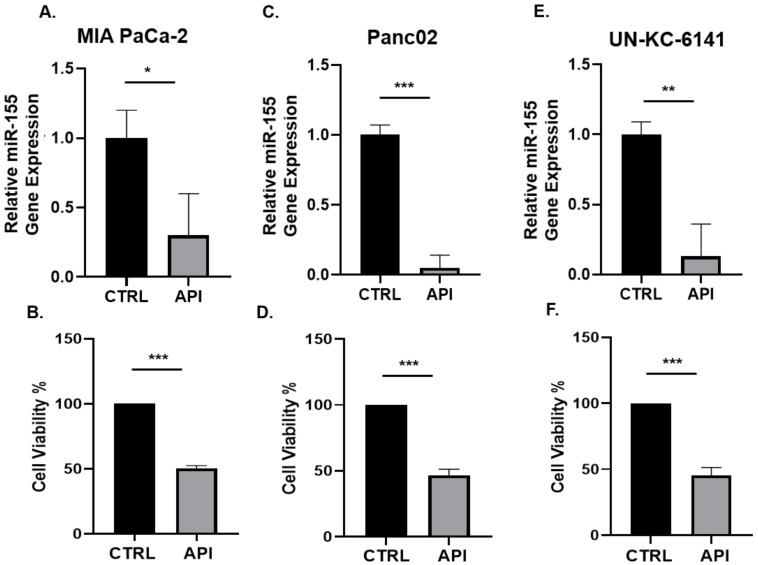
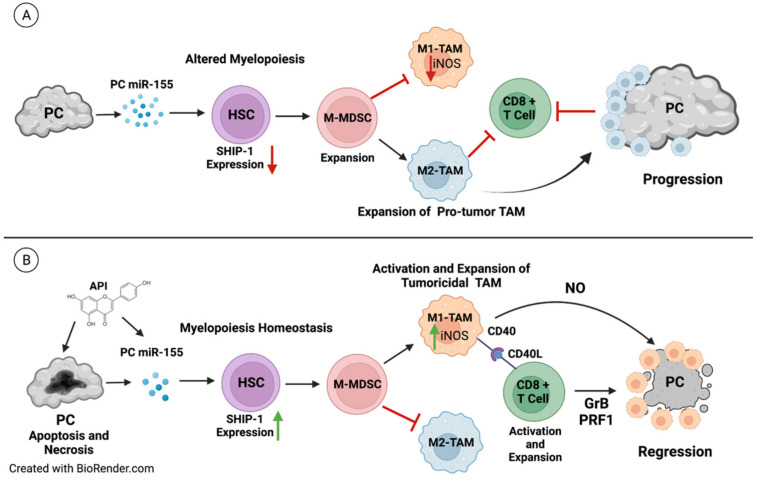
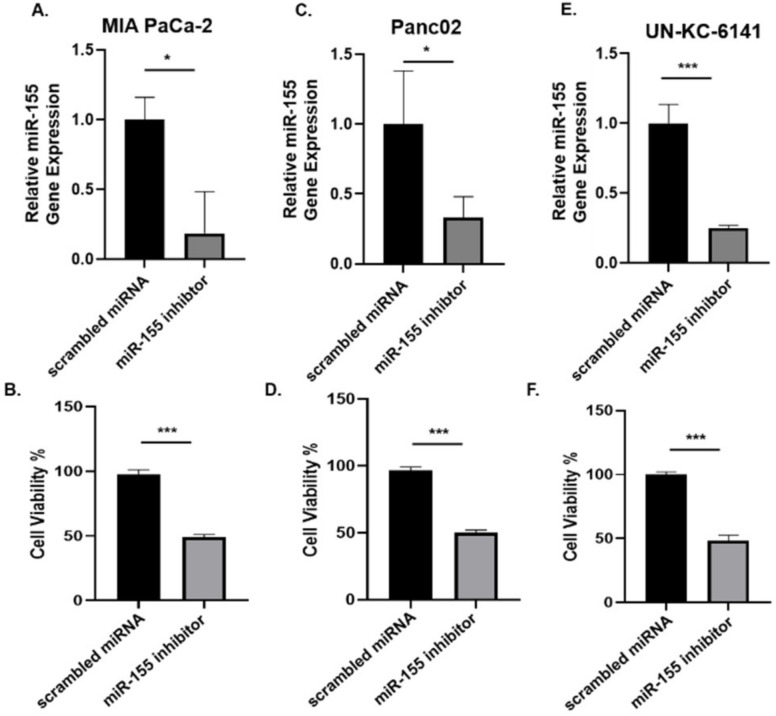
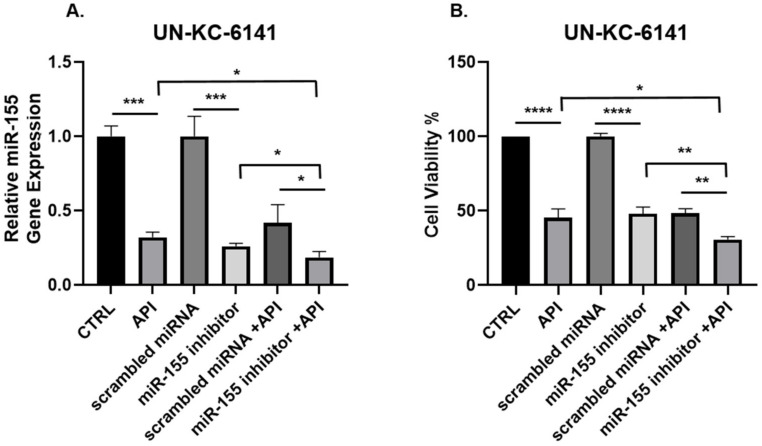
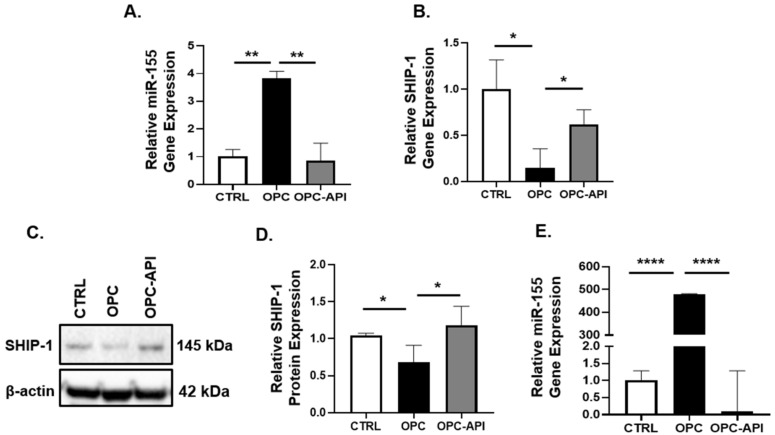
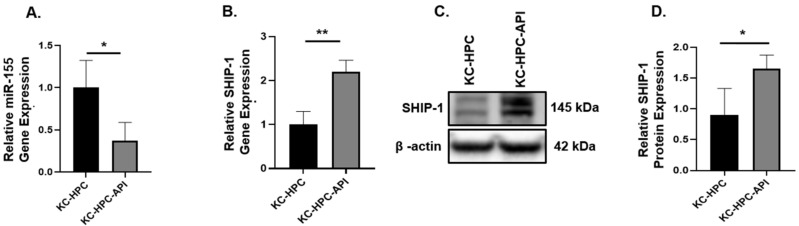
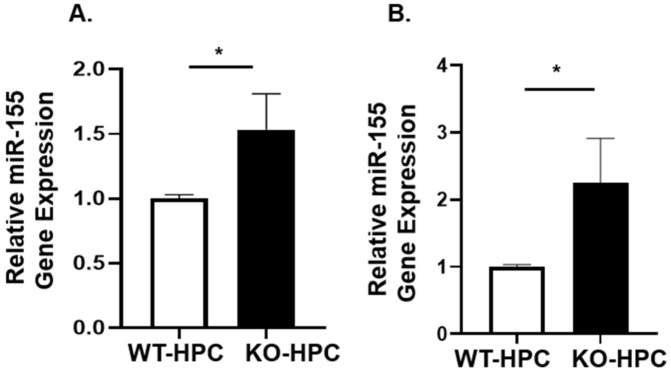
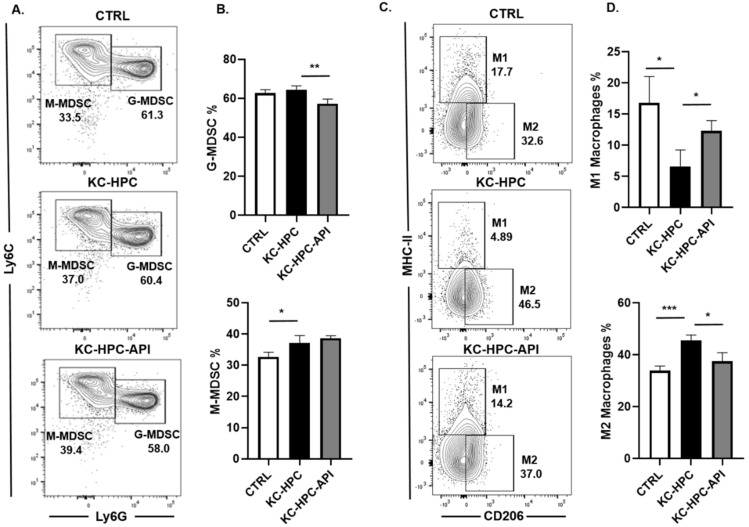
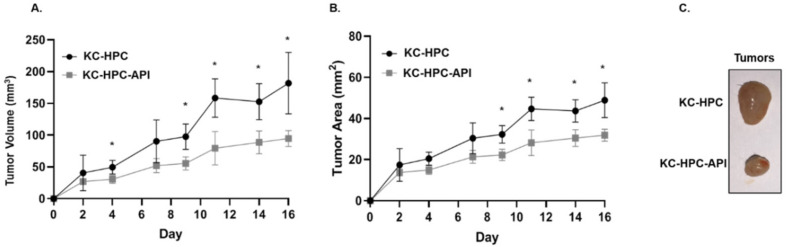
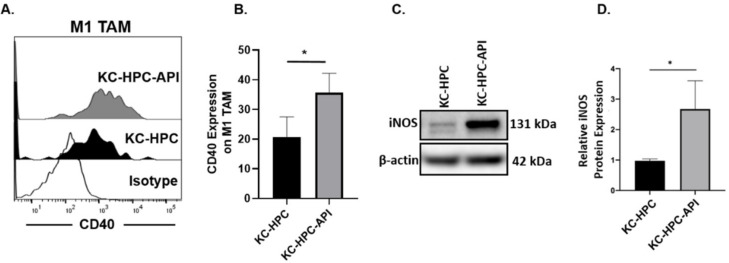
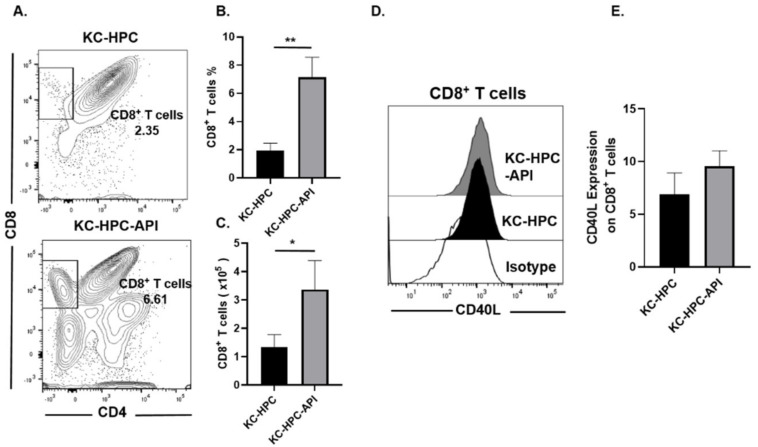
Pancreatic cancer (PC) is a deadly disease with a grim prognosis. Pancreatic tumor derived factors (TDF) contribute to the induction of an immunosuppressive tumor microenvironment (TME) that impedes the effectiveness of immunotherapy. PC-induced microRNA-155 (miRNA-155) represses expression of Src homology 2 (SH2) domain-containing Inositol 5'-phosphatase-1 (SHIP-1), a regulator of myeloid cell development and function, thus impacting anti-tumor immunity. We recently reported that the bioflavonoid apigenin (API) increased SHIP-1 expression which correlated with the expansion of tumoricidal macrophages (TAM) and improved anti-tumor immune responses in the TME of mice with PC. We now show that API transcriptionally regulates SHIP-1 expression via the suppression of miRNA-155, impacting anti-tumor immune responses in the bone marrow (BM) and TME of mice with PC. We discovered that API reduced miRNA-155 in the PC milieu, which induced SHIP-1 expression. This promoted the restoration of myelopoiesis and increased anti-tumor immune responses in the TME of heterotopic, orthotopic and transgenic SHIP-1 knockout preclinical mouse models of PC. Our results suggest that manipulating SHIP-1 through miR-155 may assist in augmenting anti-tumor immune responses and aid in the therapeutic intervention of PC.
胰腺癌(PC)是一种预后严峻的致命疾病。胰腺肿瘤衍生因子(TDF)有助于诱导免疫抑制性肿瘤微环境(TME),从而阻碍免疫治疗的效果。PC诱导的微小RNA-155(miRNA-155)可抑制含Src同源2(SH2)结构域的肌醇5'-磷酸酶-1(SHIP-1)的表达,SHIP-1是髓样细胞发育和功能的调节因子,进而影响抗肿瘤免疫。我们最近报道,生物类黄酮芹菜素(API)可增加SHIP-1的表达,这与杀肿瘤巨噬细胞(TAM)的扩增相关,并改善了PC小鼠TME中的抗肿瘤免疫反应。我们现在表明,API通过抑制miRNA-155转录调节SHIP-1的表达,影响PC小鼠骨髓(BM)和TME中的抗肿瘤免疫反应。我们发现,API可降低PC环境中的miRNA-155,从而诱导SHIP-1表达。这促进了骨髓生成的恢复,并增强了异位、原位和转基因SHIP-1基因敲除的PC临床前小鼠模型TME中的抗肿瘤免疫反应。我们的结果表明,通过miR-155操纵SHIP-1可能有助于增强抗肿瘤免疫反应,并有助于PC的治疗干预。