Department of Nursing, Maimonides Biomedical Research Institute of Cordoba (IMIBIC), University of Cordoba, 14004 Cordoba, Spain.
Department of Nursing, Pharmacology and Physiotherapy, University of Cordoba, 14004 Cordoba, Spain.
Int J Environ Res Public Health. 2022 Jul 26;19(15):9101. doi: 10.3390/ijerph19159101.
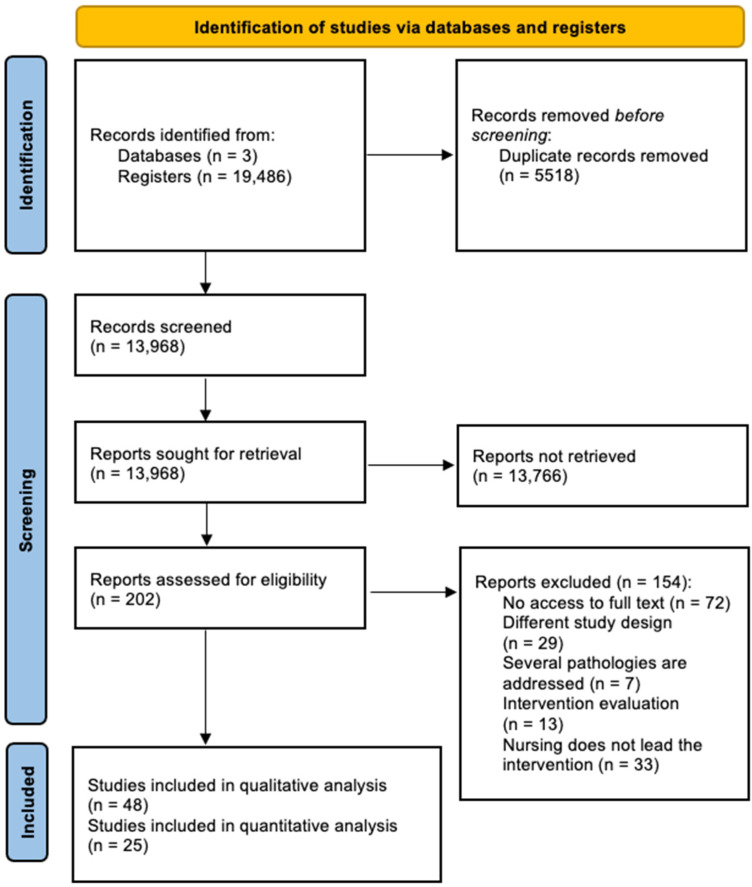
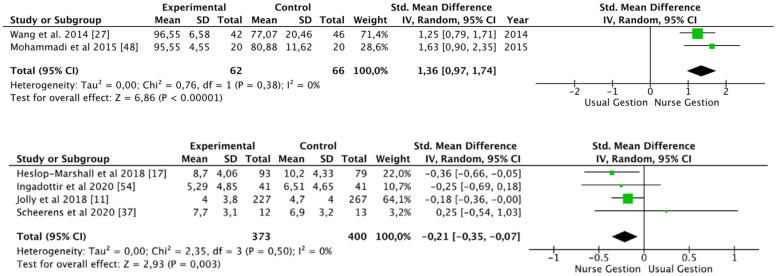
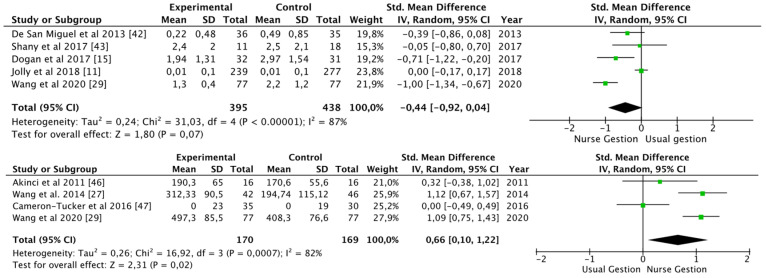
Chronic obstructive pulmonary disease (COPD) is the third leading cause of death worldwide, causing 3.32 million deaths in 2019. COPD management has increasingly become a major component of general and hospital practice and has led to a different model of care. Nurse-led interventions have shown beneficial effects on COPD patient satisfaction and clinical outcomes. This systematic review was conducted to identify and assess nurse-led interventions in COPD patients in terms of mental, physical, and clinical status. The review was carried out following the Preferred Reporting Items for Systematic Reviews and Meta-analyses (PRISMA) statement. The relevance of each manuscript was assessed according to the inclusion criteria, and we retrieved full texts, as required, to reach our conclusions. Data extraction was performed independently by two reviewers, and the risk of bias was assessed using the Cochrane Risk of Bias tool. Forty-eight articles were included in the analysis, which focused on the management of COPD patients by hospital, respiratory and primary nursing care. Nursing management was shown to be highly effective in improving quality of life, emotional state, and pulmonary and physical capacity in COPD patients. In comparison, hospital and respiratory nurses carried out interventions with higher levels of effectiveness than community nurses.
慢性阻塞性肺疾病(COPD)是全球第三大致死原因,2019 年导致 332 万人死亡。COPD 的管理已日益成为一般和医院实践的主要组成部分,并导致了不同的护理模式。护士主导的干预措施已显示出对 COPD 患者满意度和临床结果的有益影响。本系统评价旨在确定和评估 COPD 患者中以护士为主导的干预措施,从心理、生理和临床状况方面进行评估。本综述是根据系统评价和荟萃分析的首选报告项目(PRISMA)声明进行的。根据纳入标准评估每份手稿的相关性,并根据需要检索全文以得出结论。数据提取由两名评审员独立进行,使用 Cochrane 偏倚风险工具评估偏倚风险。有 48 篇文章被纳入分析,重点是医院、呼吸和初级护理对 COPD 患者的管理。护理管理在改善 COPD 患者的生活质量、情绪状态以及肺功能和体力方面被证明非常有效。相比之下,医院和呼吸科护士开展的干预措施比社区护士更有效。