Herbon Avi, Kogan Konstantin
Department of Management, Bar-Ilan University - Ramat-Gan, Ramat Gan, Israel.
Ann Oper Res. 2022;318(1):251-276. doi: 10.1007/s10479-022-04837-7. Epub 2022 Jul 28.
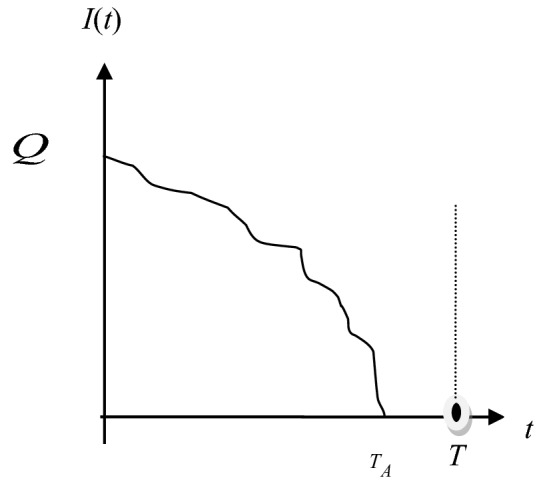
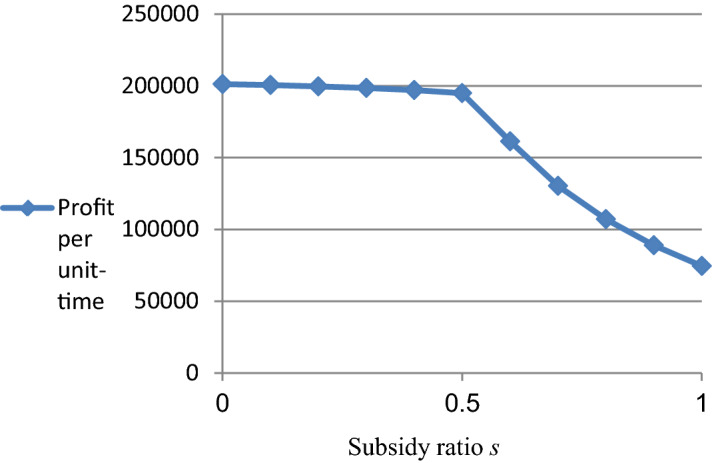
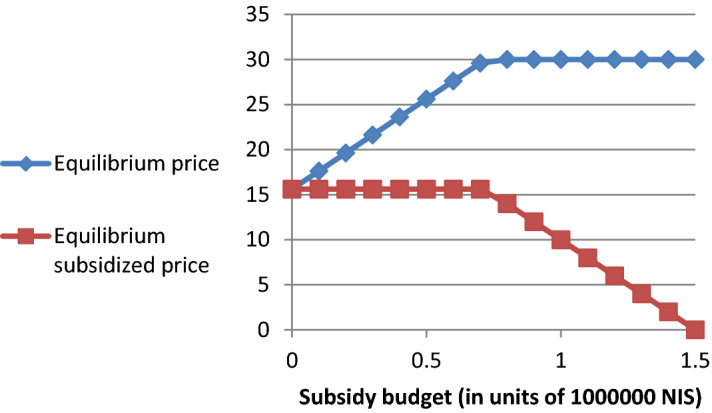
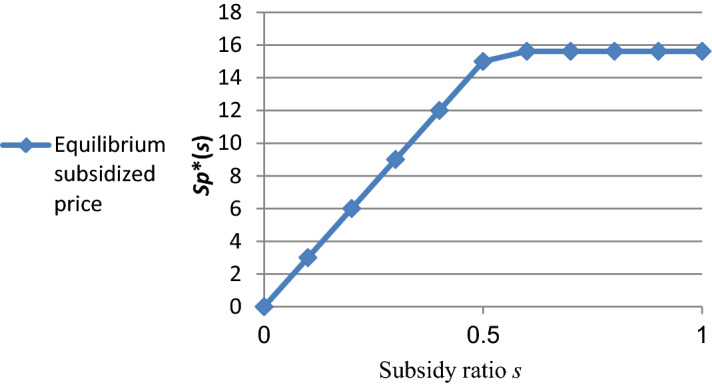
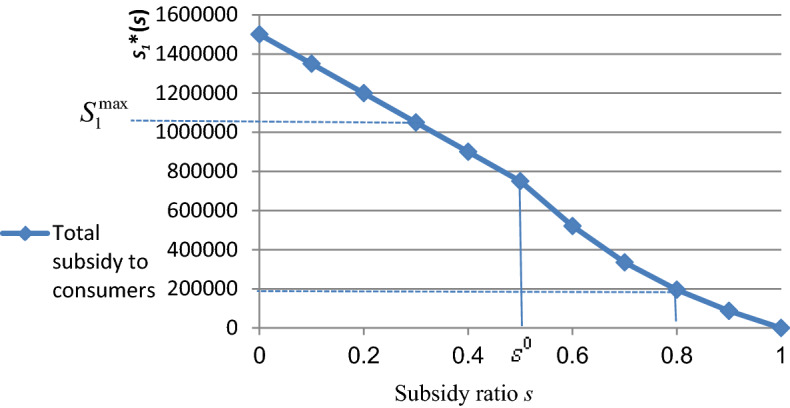
During the first wave of the COVID-19 pandemic, in France, people cleared the shelves of butter; in Italy, it was pasta; in Great Britain, it was chicken. While there may be cultural disagreement on what is essential, clearly, in times of crisis, consumers stockpile the 'essentials'. We address the problem of "panic buying", which is characterized by increasing demand in the face of diminishing inventory. In such cases, prices may hike and firms (retailers) selling the high-demand product are quantity takers, in terms of supply, and price setters. We consider a manufacturer who sells a scarce product to a single retailer. The retailer seeks to maximize her profit, while in contrast, the manufacturer pursues a social objective of regulating and lowering the amount that the end customer (consumer) pays (including the cost of traveling to obtain the scarce product). By analyzing the competition between the two parties, retailer and manufacturer, we find that even when the regulator (manufacturer) makes a significant social commitment, neither subsidizing the retailer nor subsidizing the consumers necessarily curbs price hikes. Furthermore, there is a threshold ratio (i.e., proportion of the end price subsidized by the regulator) that determines the minimal budget that the regulator would need to allocate in order for subsidization to make a difference to consumers.
在新冠疫情的第一波冲击期间,在法国,人们抢购黄油致使货架清空;在意大利,抢购的是意大利面;在英国,则是鸡肉。尽管对于什么是必需品可能存在文化差异,但显然,在危机时期,消费者会囤积“必需品”。我们研究“恐慌性购买”问题,其特征是库存减少时需求却在增加。在这种情况下,价格可能会上涨,销售高需求产品的企业(零售商)在供应方面是数量接受者,而在价格方面是制定者。我们考虑一家向单一零售商销售稀缺产品的制造商。零售商试图实现利润最大化,相比之下,制造商追求的是调节并降低终端客户(消费者)支付的金额(包括获取稀缺产品的出行成本)这一社会目标。通过分析零售商和制造商这两方之间的竞争,我们发现,即便监管者(制造商)做出重大社会承诺,对零售商补贴或对消费者补贴都不一定能抑制价格上涨。此外,存在一个阈值比率(即监管者补贴的终端价格比例),它决定了监管者为使补贴对消费者产生影响而需要分配的最低预算。