Joslin-Beth Israel Deaconess Foot Center and the Rongxiang Xu, MD, Center for Regenerative Therapeutics, Beth Israel Deaconess Medical Center, Harvard Medical School, Boston, MA, USA.
John A. Paulson School of Engineering and Applied Sciences, Harvard University, Cambridge, MA, Wyss Institute for Biologically Inspired Engineering, Harvard University, Cambridge, MA, USA.
Biomaterials. 2022 Sep;288:121692. doi: 10.1016/j.biomaterials.2022.121692. Epub 2022 Jul 31.
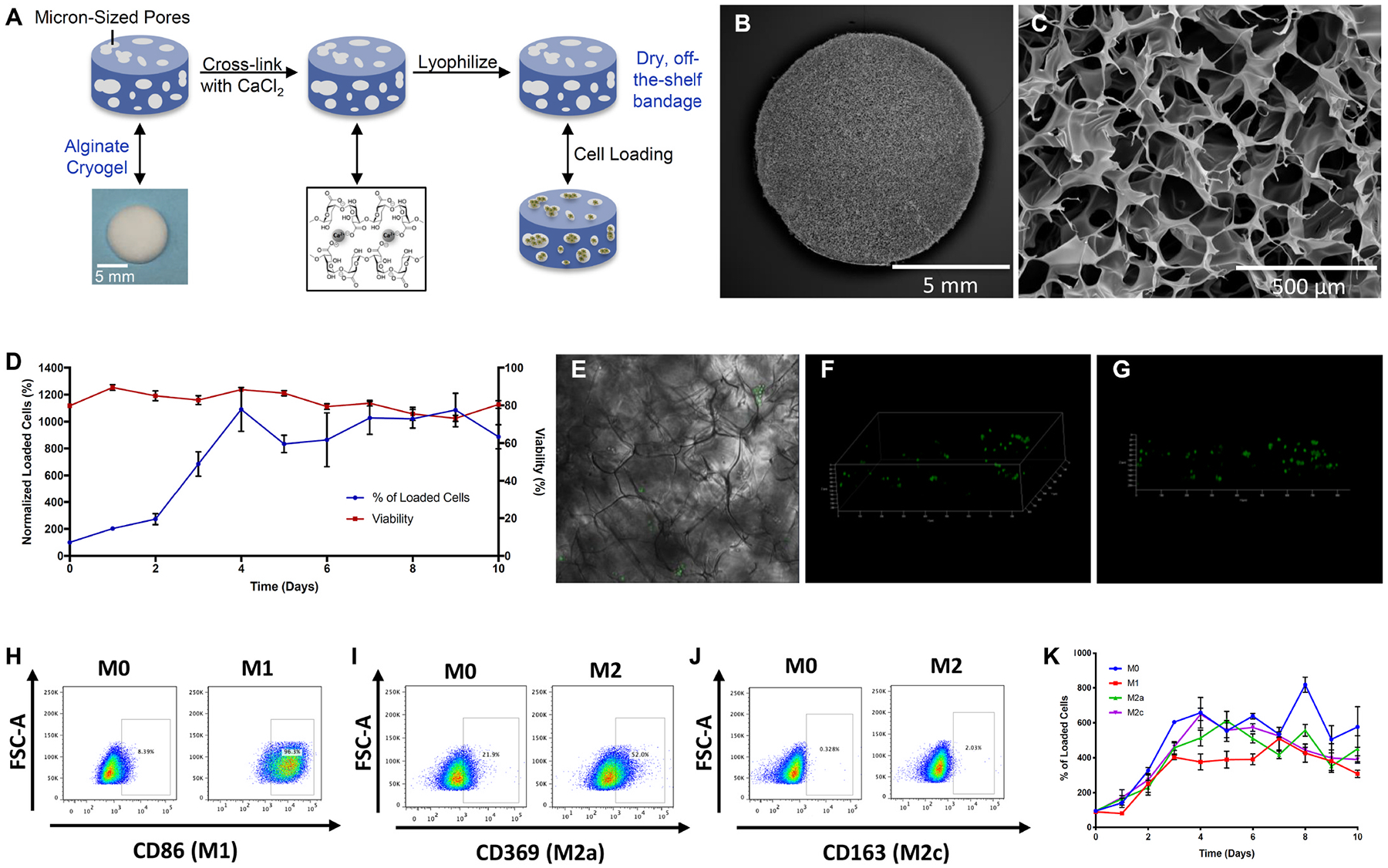
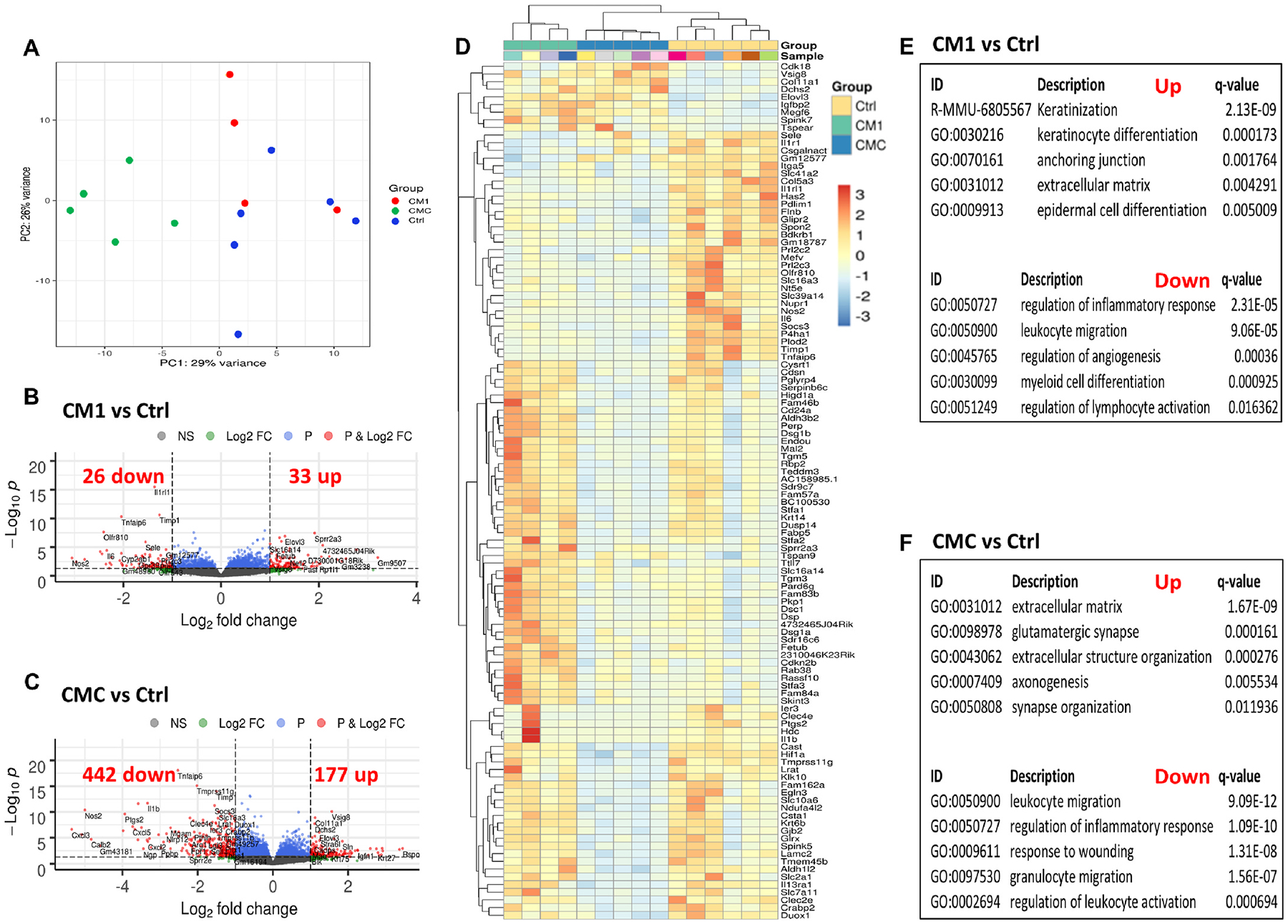
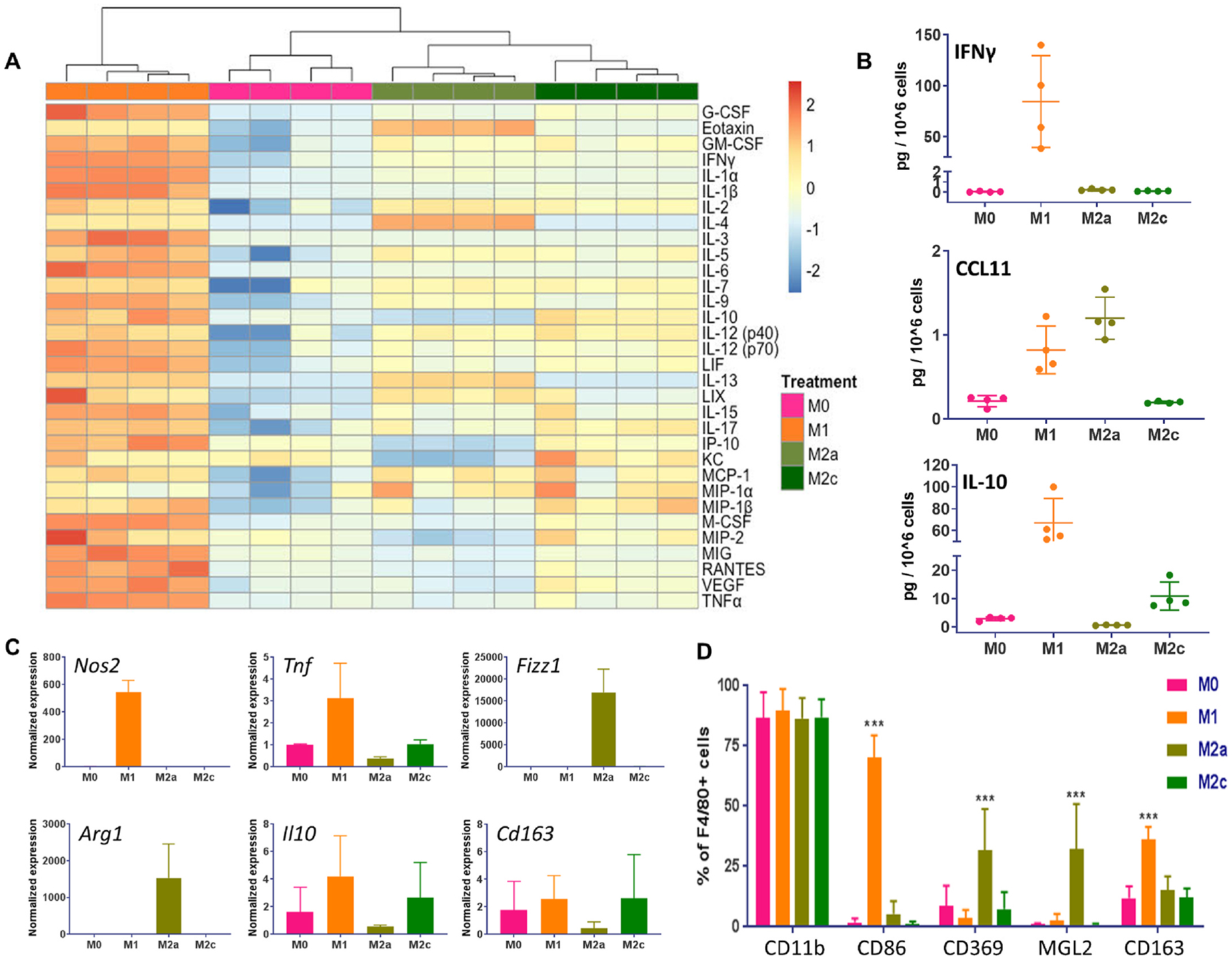
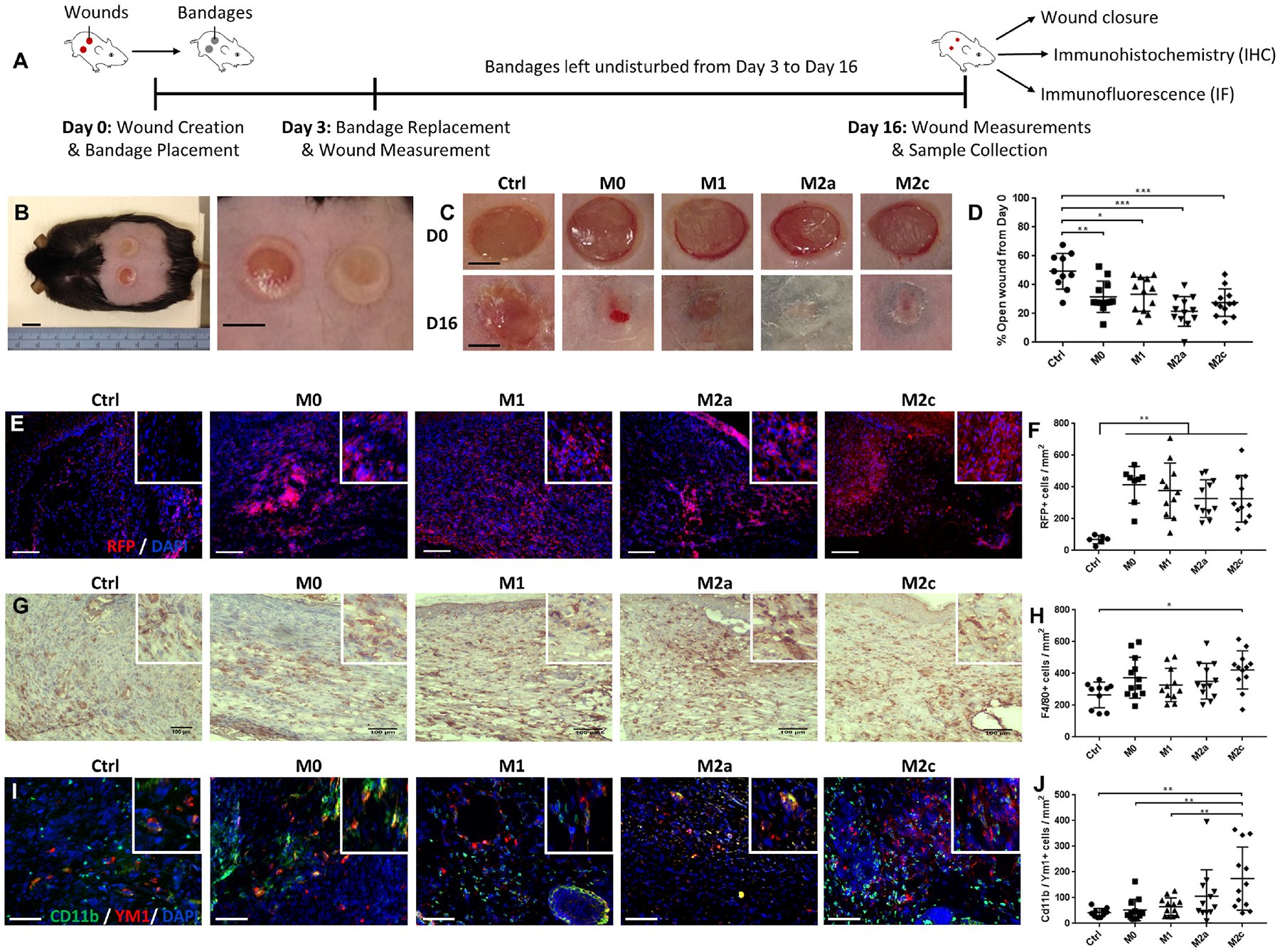
Diabetic foot ulceration is a devastating diabetic complication with unmet needs. We explored the efficacy of calcium-crosslinked alginate dressings in topically delivering primary macrophages and their secretome to diabetic wounds. The alginate bandages had a microporous structure that enabled even cell loading with prolonged cell survival and egress following wound placement. In vitro experiments showed that we could successfully differentiate and polarize primary murine bone marrow derived monocytes into M0, M1, M2a and M2c defined states with distinct gene expression, surface protein and secretome profiles. The primary macrophages were delivered in the bandages, migrated within the wounds and were still present for as long as 16 days post-injury. In wounds of db/db mice, treatment with all macrophage subtypes and their secretome, when compared to control, accelerated wound healing. Bulk RNA sequencing analysis and multiplex protein quantification of wound lysates revealed that M2c macrophages conditioned media had the most impact in wound healing affecting processes like neurogenesis, while M1 conditioned media promoted keratinization and epidermal differentiation. Collectively, our results indicate that alginate dressings can serve as a delivery platform for topical treatment of diabetic wounds and that conditioned media from distinctly polarized macrophages is equally or more effective than their parental cells in advancing wound healing and could therefore be a promising and technically advantageous alternative to cell therapy.
糖尿病足溃疡是一种破坏性的糖尿病并发症,存在未满足的需求。我们探索了钙交联海藻酸盐敷料在局部递送原代巨噬细胞及其分泌因子到糖尿病伤口中的功效。海藻酸盐绷带具有微孔结构,即使在伤口放置后,也能使细胞长时间保持负载并移出。体外实验表明,我们可以成功地将原代鼠骨髓来源的单核细胞分化并极化成 M0、M1、M2a 和 M2c 定义的状态,具有不同的基因表达、表面蛋白和分泌因子谱。原代巨噬细胞被递送到绷带中,在伤口内迁移,并在受伤后长达 16 天内仍然存在。在 db/db 小鼠的伤口中,与对照组相比,所有巨噬细胞亚型及其分泌因子的治疗均加速了伤口愈合。伤口组织裂解物的批量 RNA 测序分析和多重蛋白定量显示,M2c 巨噬细胞条件培养基在伤口愈合中具有最大的影响,影响神经发生等过程,而 M1 条件培养基促进角化和表皮分化。总的来说,我们的结果表明,海藻酸盐绷带可以作为糖尿病伤口局部治疗的递送平台,而明显极化的巨噬细胞的条件培养基在促进伤口愈合方面与母细胞同样有效,甚至更有效,因此可能是细胞治疗的一种有前途且具有技术优势的替代方法。