Soo Tze Chiew Christie, Bhassu Subha
Animal Genetics and Genome Evolutionary Laboratory (AGAGEL) Department of Genetics and Microbiology Faculty of Science Institute of Biological Sciences University of Malaya Kuala Lumpur Malaysia.
Terra Aqua Laboratory Centre for Research in Biotechnology for Agriculture (CEBAR) Research Management and Innovation Complex University of Malaya Kuala Lumpur Malaysia.
Food Sci Nutr. 2022 Apr 22;10(8):2694-2709. doi: 10.1002/fsn3.2873. eCollection 2022 Aug.
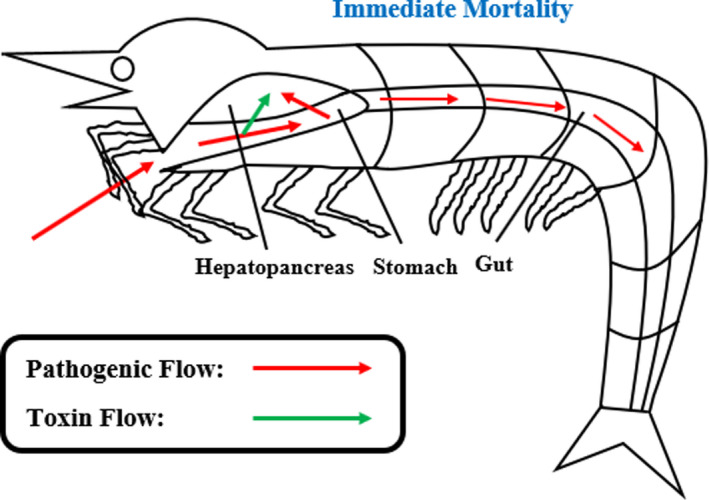
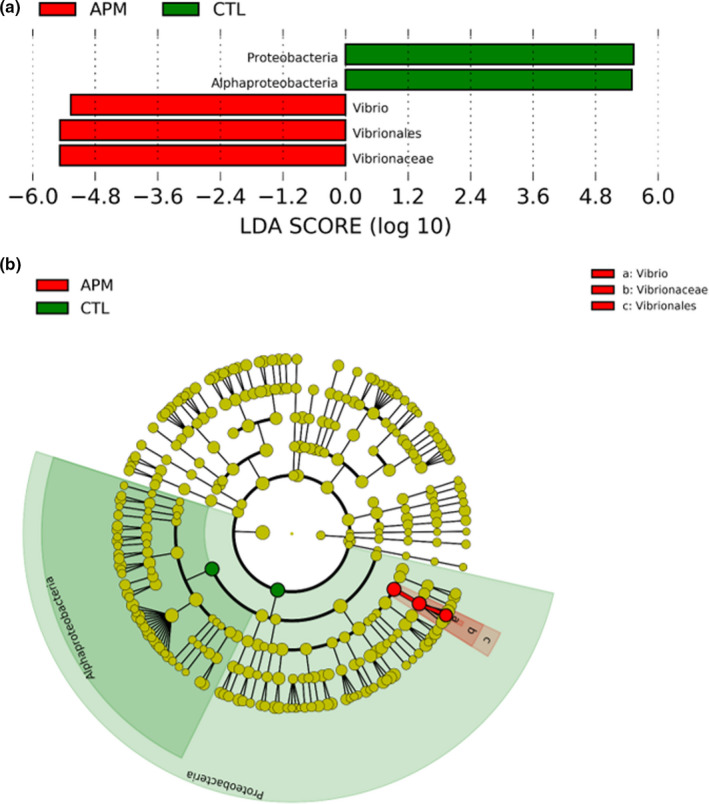
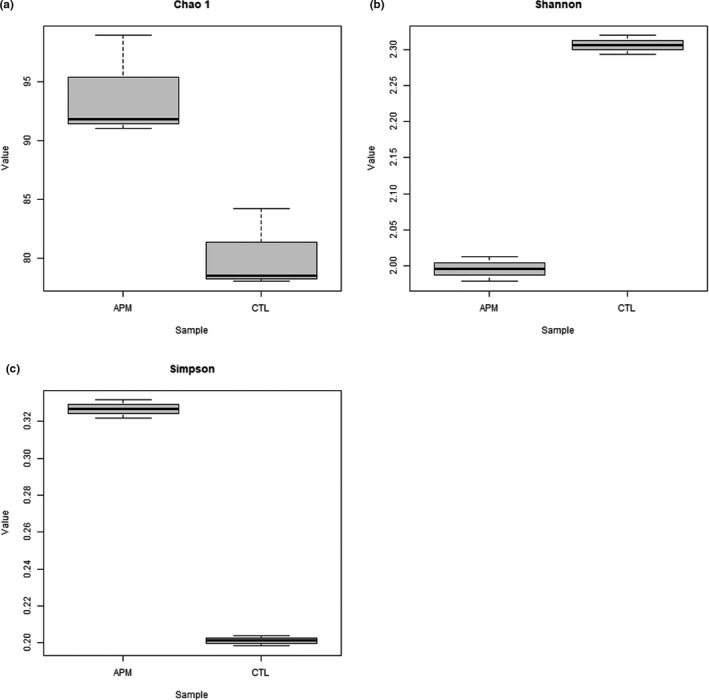
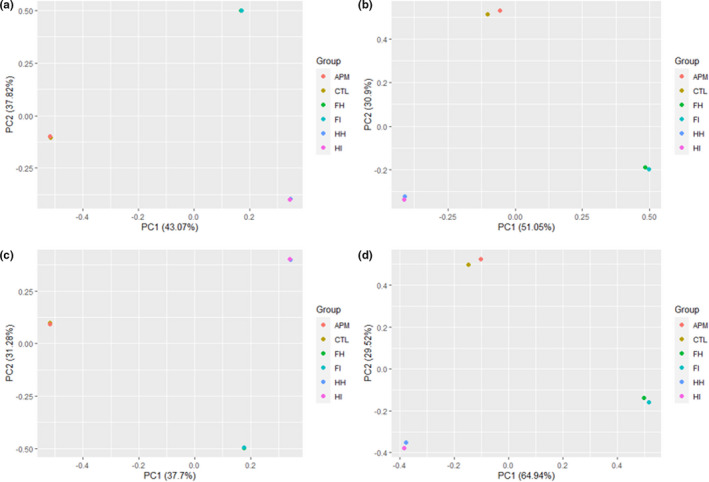
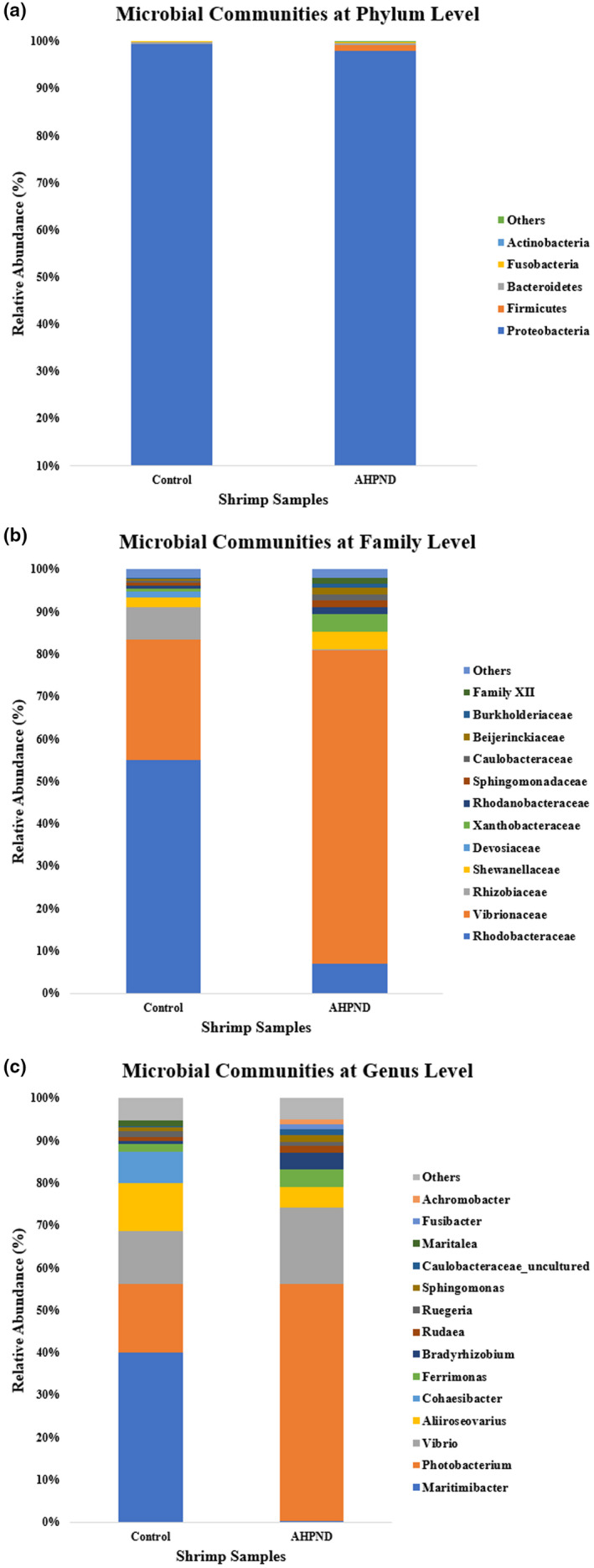
Severe shrimp disease outbreaks have a destructive impact on shrimp aquaculture and its associated downstream food processing industries. Thus, it is essential to develop proper methods for shrimp disease control, which emphasizes the importance of food safety. In this study, we performed biochemical tests and gut microbiome analysis using uninfected control and -infected samples. Biochemical tests were performed to assess the phenoloxidase (PO) activity, respiratory Burst (RB) activity, nitrite concentration, superoxide dismutase (SOD) activity, total hemocyte count (THC), and total protein concentrations. Overall, upregulations were detected in these biochemical tests, which showed the activation of the immune response in during acute hepatopancreatic necrosis disease (AHPND) infection, especially at 6 hpi and 12 hpi. Besides that, shrimp gut samples were collected and pooled ( = 3), followed by DNA extraction, PCR amplification targeting the V3/V4 16S ribosomal RNA (rRNA) region, next-generation sequencing (NGS), and bioinformatics analysis. Proteobacteria was the most abundant phylum in both samples. The Rhodobacteraceae family and genus were proposed to be vital forshrimp health maintenance. bacterial colonization and secondary infections were postulated to have occurred based on the higher abundances of Vibrionaceae family and genus in the -infected sample. Firmicutes phylum together with and genera were inferred to be pathogenic or related factors of AHPND infections. In conclusion, physiology (immune response activation) and gut microbiome changes of disease tolerant during AHPND infection were identified. Both biochemical tests and 16S rRNA analysis are proposed as a combined strategy for shrimp health diagnosis for ensuring shrimp health maintenance, disease control, and food safety.
严重的对虾疾病爆发对虾类养殖及其相关的下游食品加工业具有毁灭性影响。因此,开发适当的对虾疾病控制方法至关重要,这凸显了食品安全的重要性。在本研究中,我们使用未感染的对照样本和感染样本进行了生化测试和肠道微生物组分析。进行生化测试以评估酚氧化酶(PO)活性、呼吸爆发(RB)活性、亚硝酸盐浓度、超氧化物歧化酶(SOD)活性、总血细胞计数(THC)和总蛋白浓度。总体而言,在这些生化测试中检测到上调,这表明在急性肝胰腺坏死病(AHPND)感染期间对虾的免疫反应被激活,尤其是在感染后6小时和12小时。除此之外,收集对虾肠道样本并合并(n = 3),随后进行DNA提取、针对V3/V4 16S核糖体RNA(rRNA)区域的PCR扩增、下一代测序(NGS)和生物信息学分析。变形菌门是两个样本中最丰富的菌门。红杆菌科和[具体属名]属被认为对维持对虾健康至关重要。基于感染样本中弧菌科和[具体属名]属的丰度较高,推测发生了[具体细菌名]的定殖和继发性[具体细菌名]感染。厚壁菌门以及[具体属名1]和[具体属名2]属被推断为AHPND感染的致病因素或相关因素。总之,确定了AHPND感染期间耐病对虾的生理学(免疫反应激活)和肠道微生物组变化。建议将生化测试和16S rRNA分析作为对虾健康诊断的联合策略,以确保维持对虾健康、控制疾病和食品安全。