Pastuszak Justyna, Węgierek Paweł
Faculty of Electrical Engineering and Computer Science, Lublin University of Technology, Nadbystrzycka 38 A, 20-618 Lublin, Poland.
Materials (Basel). 2022 Aug 12;15(16):5542. doi: 10.3390/ma15165542.
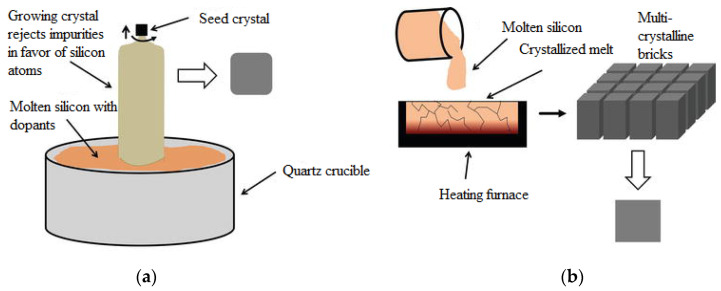
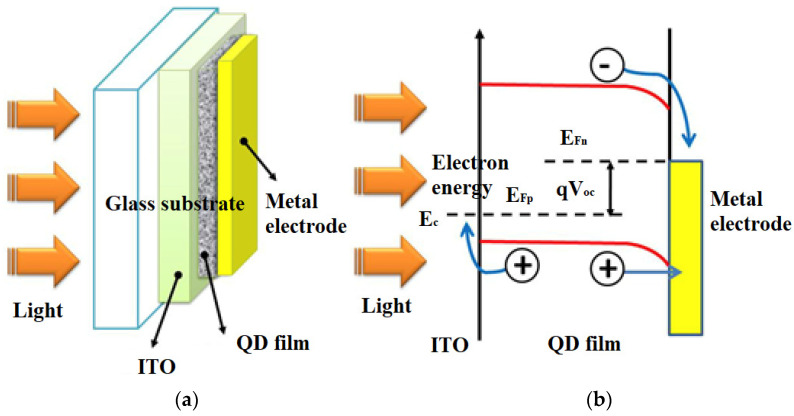
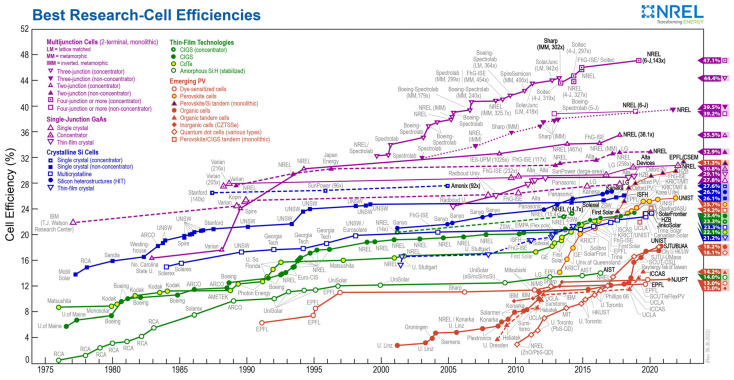
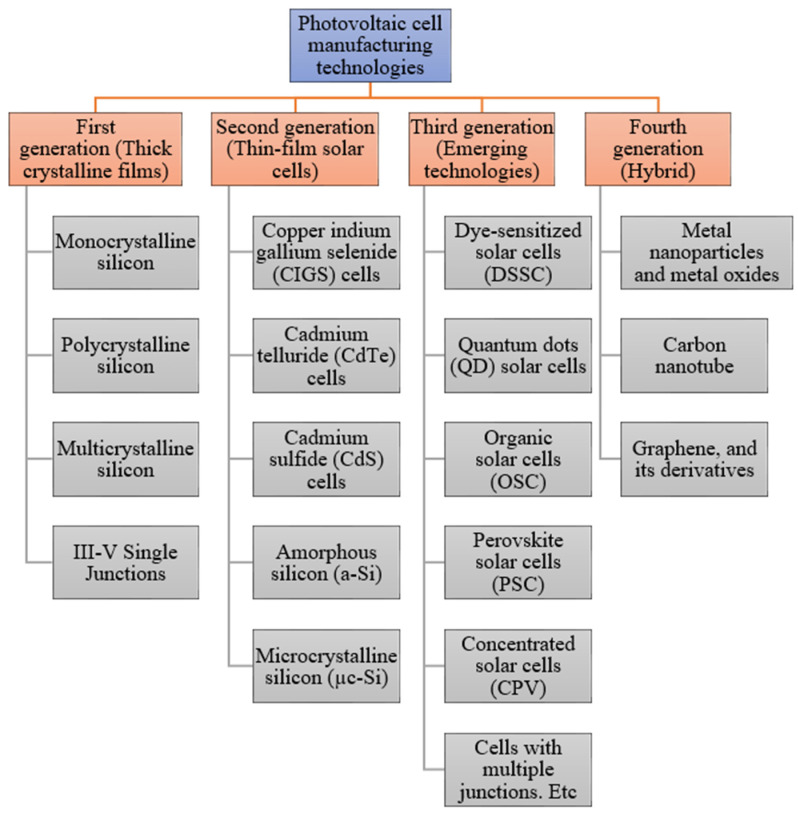
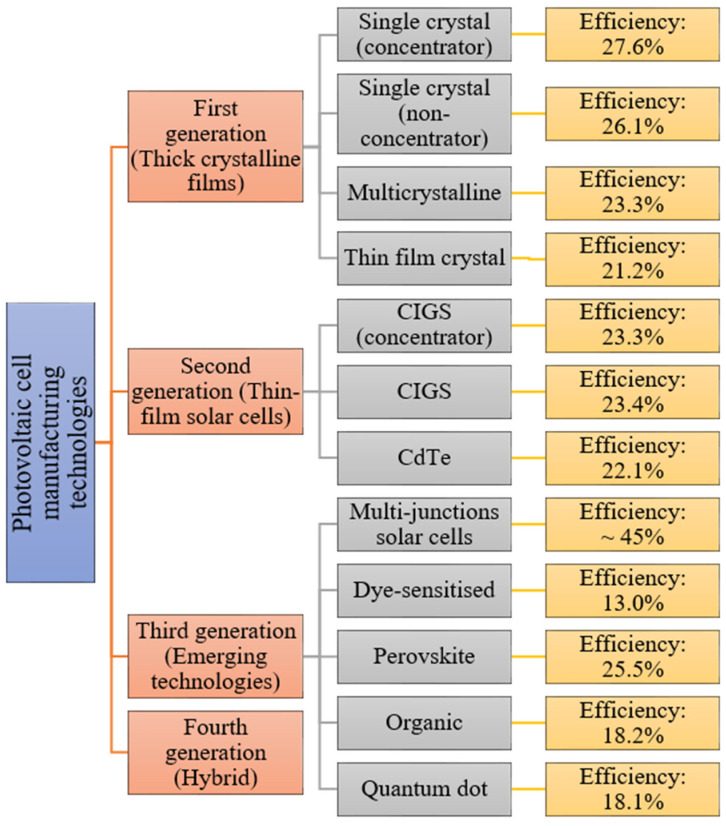
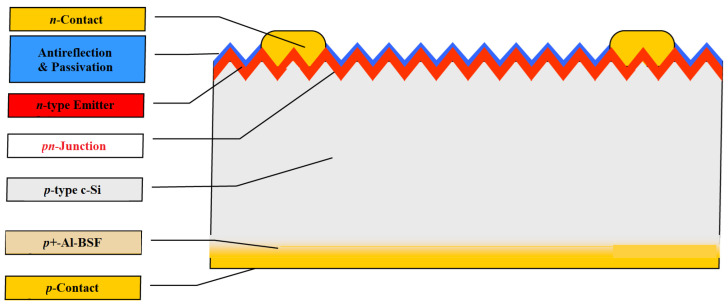
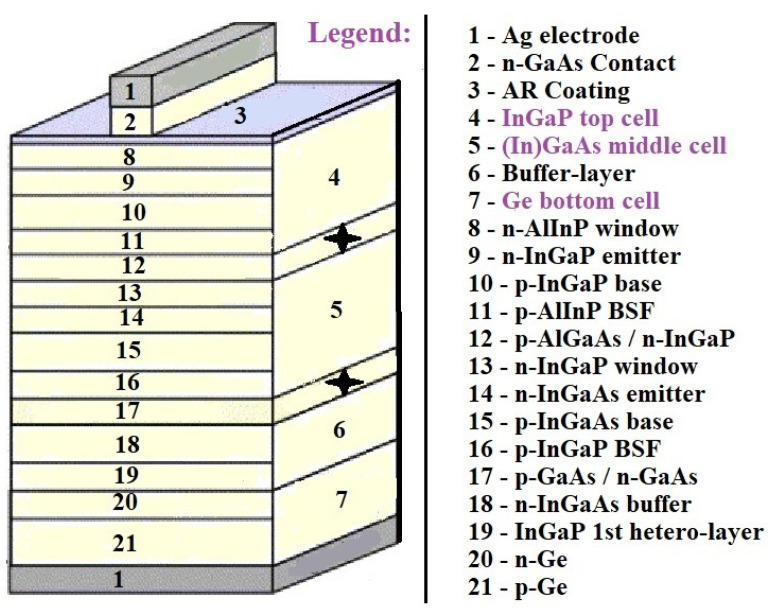
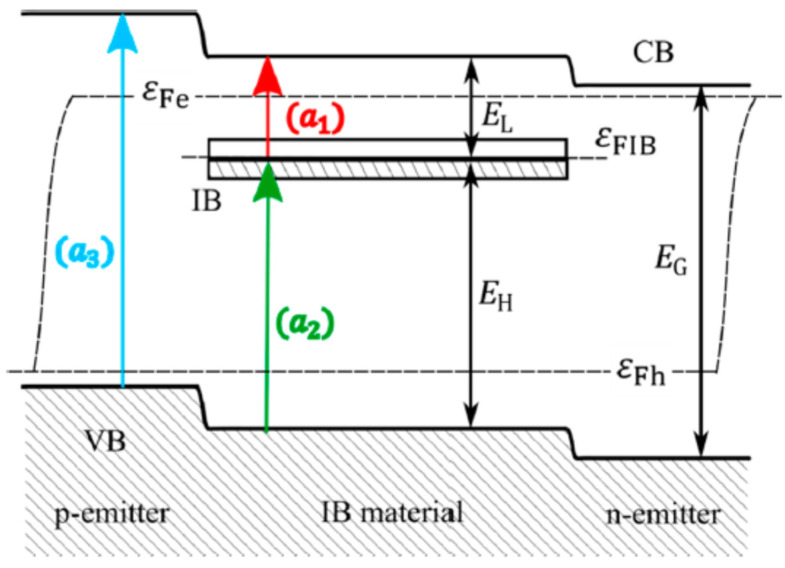
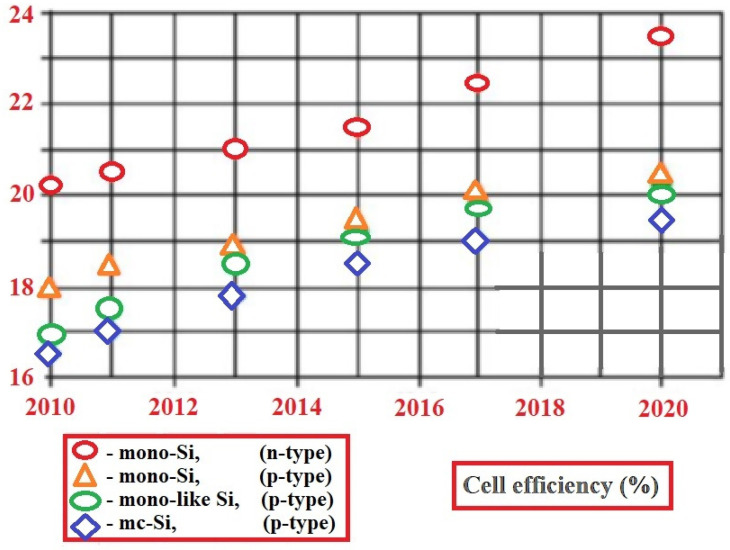
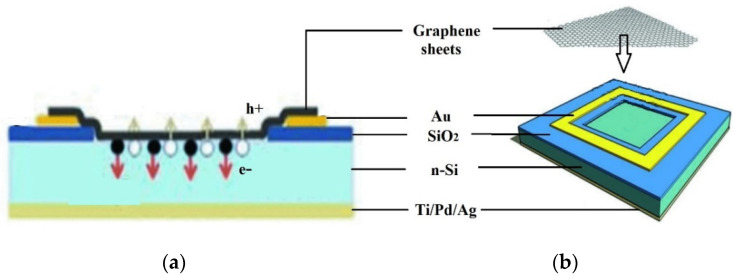
The purpose of this paper is to discuss the different generations of photovoltaic cells and current research directions focusing on their development and manufacturing technologies. The introduction describes the importance of photovoltaics in the context of environmental protection, as well as the elimination of fossil sources. It then focuses on presenting the known generations of photovoltaic cells to date, mainly in terms of the achievable solar-to-electric conversion efficiencies, as well as the technology for their manufacture. In particular, the third generation of photovoltaic cells and recent trends in its field, including multi-junction cells and cells with intermediate energy levels in the forbidden band of silicon, are discussed. We also present the latest developments in photovoltaic cell manufacturing technology, using the fourth-generation graphene-based photovoltaic cells as an example. An extensive review of the world literature led us to the conclusion that, despite the appearance of newer types of photovoltaic cells, silicon cells still have the largest market share, and research into ways to improve their efficiency is still relevant.
本文旨在讨论不同代次的光伏电池以及当前聚焦于其开发和制造技术的研究方向。引言部分阐述了光伏发电在环境保护背景下的重要性,以及对化石能源的替代。接着重点介绍了迄今为止已知的各代光伏电池,主要从可实现的光电转换效率以及制造技术方面进行阐述。特别讨论了第三代光伏电池及其领域的最新趋势,包括多结电池以及在硅的禁带中有中间能级的电池。我们还以基于石墨烯的第四代光伏电池为例,介绍了光伏电池制造技术的最新进展。对世界文献的广泛综述使我们得出结论,尽管出现了新型光伏电池,但硅电池仍占据最大的市场份额,并且对提高其效率的方法的研究仍然具有现实意义。