Ton Danique, Arendsen Koen, de Bruyn Menno, Severens Valerie, van Hagen Mark, van Oort Niels, Duives Dorine
Department of Transport & Planning, Delft University of Technology, Netherlands.
Station Division, Netherlands Railways (NS), Netherlands.
Transp Res Part A Policy Pract. 2022 May;159:55-73. doi: 10.1016/j.tra.2022.03.019. Epub 2022 Mar 16.
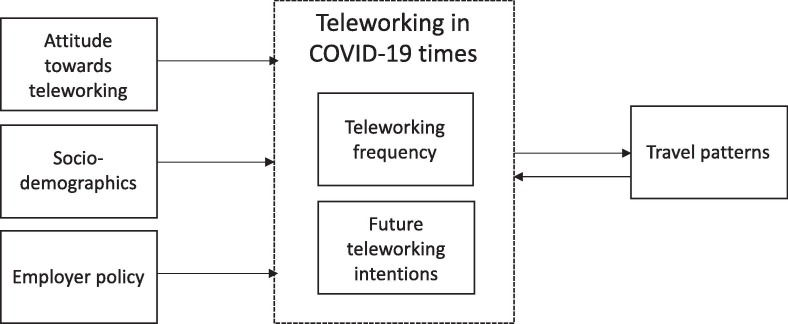
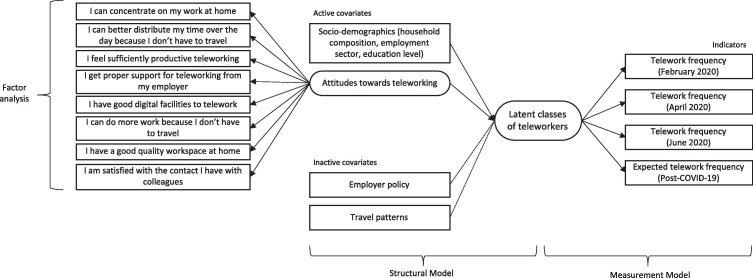
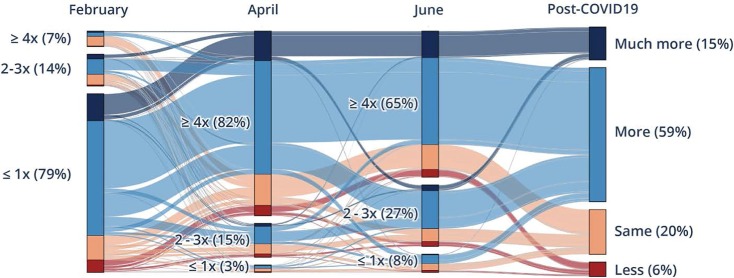
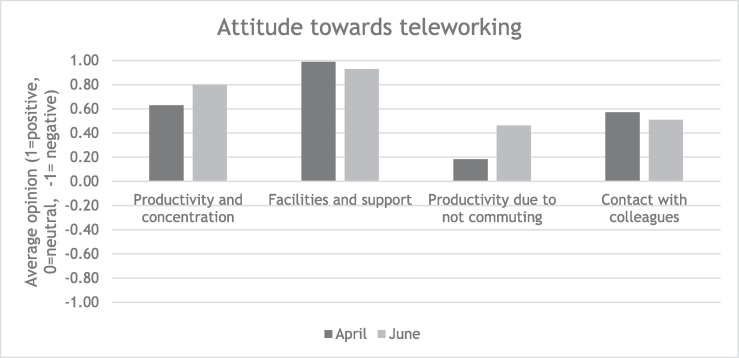
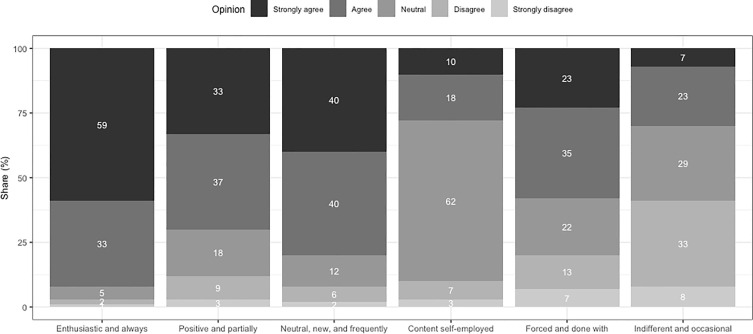
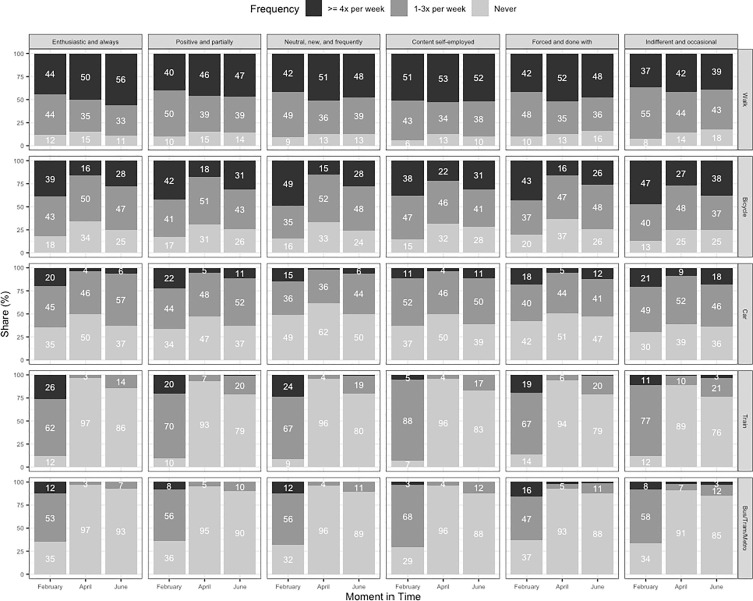
With the arrival of COVID-19 in the Netherlands in Spring 2020 and the start of the "intelligent lockdown", daily life changed drastically. The working population was urged to telework as much as possible. However, not everyone had a suitable job for teleworking or liked teleworking. From a mobility perspective, teleworking was considered a suitable means to alleviate travel. Even after the pandemic it can (continue to) reduce pressure on the mobility system during peak hours, thereby improving efficiency and level of service of transport services. Additionally, this could reduce transport externalities, such as emissions and unsafety. The structural impact from teleworking offers opportunities, but also challenges for the planning and operations of public transport. The aim of this study is to better understand teleworking during and after COVID-19 among train travellers, to support operators and authorities in their policy making and design. We study the telework behaviour, attitude towards teleworking, and future intentions through a longitudinal data collection. By applying a latent class cluster analysis, we identified six types of teleworkers, varying in their frequency of teleworking, attitude towards teleworking, intentions to the future, socio-demographics and employer policy. In terms of willingness-to-telework in the future, we distinguish three groups: the high willingness-to-telework group (71%), the low willingness-to-telework group (16%), and the least-impacted self-employed (12%). Those with high willingness are expected to have lasting changes in their travel patterns, where especially public transport is impacted. For this group, policy is required to ensure when (which days) and where (geographical) telework takes place, such that public transport operators can better plan and operate their services. For those with low willingness, it is essential that the government provides tools to companies (especially in education and vital sector) such that they can be better prepared for teleworking (mostly during but also after the pandemic). Employers on the other hand need to better support their employees, such that they stay in contact with colleagues and their concentration and productivity can increase.
随着2020年春季新冠疫情抵达荷兰以及“智能封锁”的开始,日常生活发生了巨大变化。劳动人口被敦促尽可能居家办公。然而,并非每个人都有适合居家办公的工作,或者喜欢居家办公。从出行角度来看,居家办公被视为缓解出行压力的合适方式。即使在疫情之后,它也能够(继续)在高峰时段减轻出行系统的压力,从而提高运输服务的效率和服务水平。此外,这还能减少运输外部性,比如排放和不安全因素。居家办公的结构性影响既带来了机遇,也给公共交通的规划和运营带来了挑战。本研究的目的是更好地了解新冠疫情期间及之后火车乘客的居家办公情况,以支持运营商和当局进行政策制定和设计。我们通过纵向数据收集来研究居家办公行为、对居家办公以及未来意向的态度。通过应用潜在类别聚类分析,我们识别出了六种类型的居家办公者,他们在居家办公频率、对居家办公的态度、未来意向、社会人口统计学特征和雇主政策方面各不相同。在未来居家办公意愿方面,我们区分出三个群体:高居家办公意愿群体(71%)、低居家办公意愿群体(16%)以及受影响最小的个体经营者(12%)。高意愿群体预计其出行模式会有持久变化,尤其是公共交通会受到影响。对于这个群体,需要制定政策来确保居家办公的时间(哪些日子)和地点(地理区域),以便公共交通运营商能够更好地规划和运营其服务。对于低意愿群体,政府必须为企业(尤其是教育和关键部门)提供工具,使它们能够更好地为居家办公做好准备(主要是在疫情期间,但疫情之后也如此)。另一方面,雇主需要更好地支持员工,使他们能够与同事保持联系,并且提高注意力和工作效率。