Zhu Qian, Song Mingtong, Azad Md Abul Kalam, Cheng Yating, Liu Yating, Liu Yang, Blachier François, Yin Yulong, Kong Xiangfeng
Hunan Provincial Key Laboratory of Animal Nutritional Physiology and Metabolic Process, Key Laboratory of Agro-Ecological Processes in Subtropical Region, National Engineering Laboratory for Pollution Control and Waste Utilization in Livestock and Poultry Production, Institute of Subtropical Agriculture, Chinese Academy of Sciences, Changsha, China.
College of Advanced Agricultural Sciences, University of Chinese Academy of Sciences, Beijing, China.
Front Microbiol. 2022 Aug 17;13:934890. doi: 10.3389/fmicb.2022.934890. eCollection 2022.
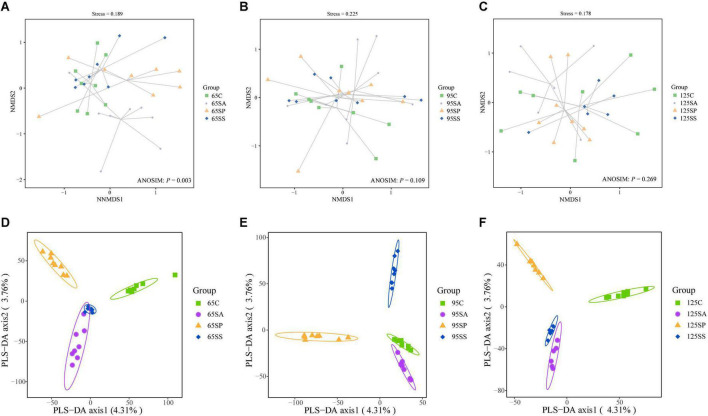
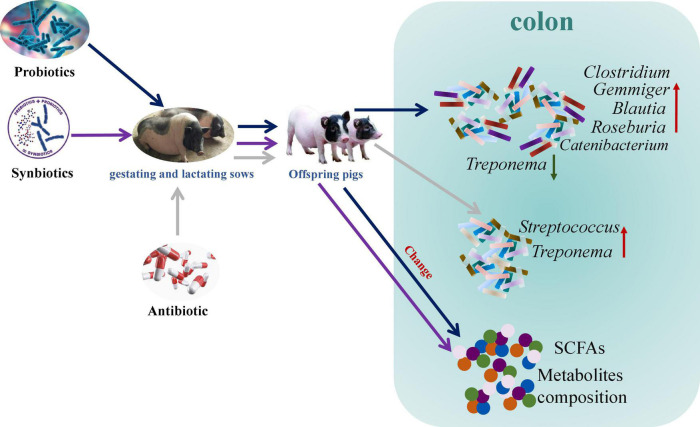
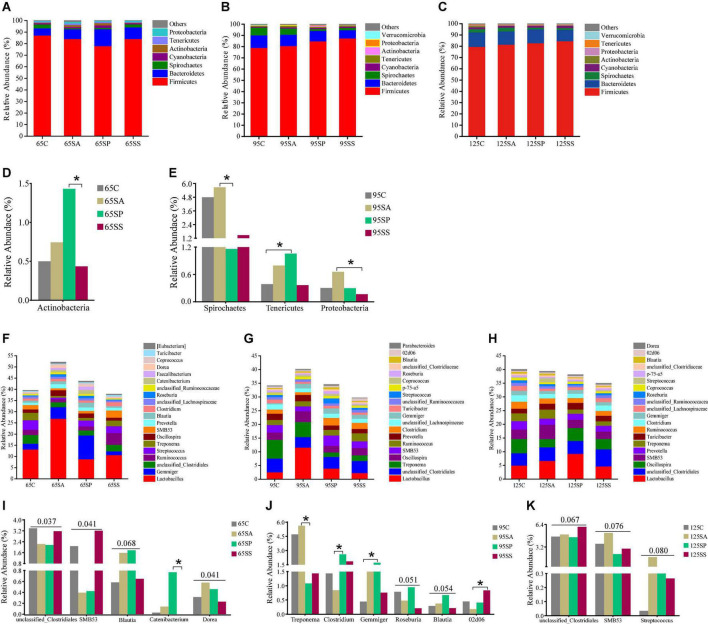
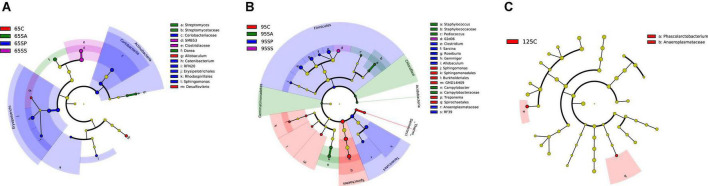
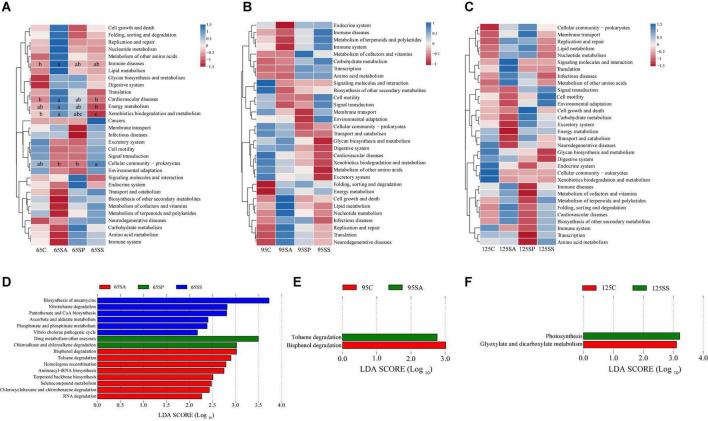
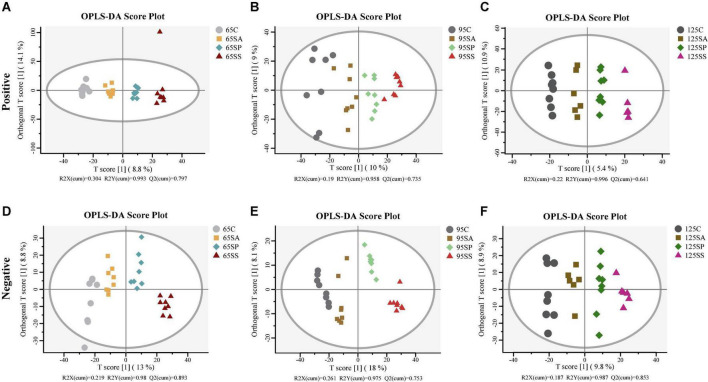
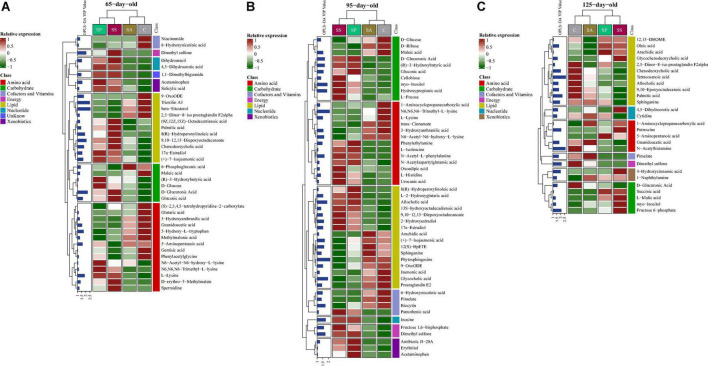
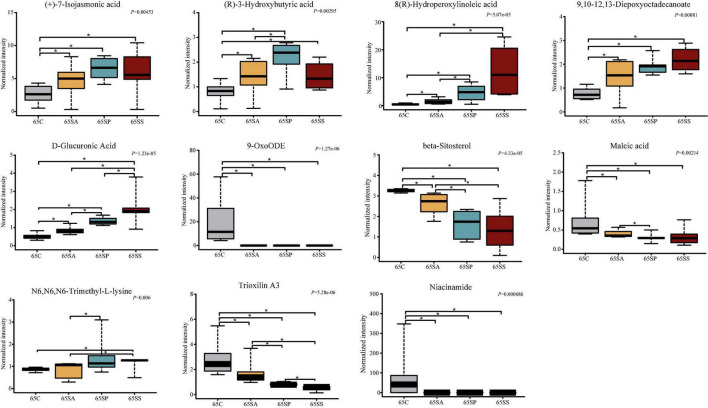
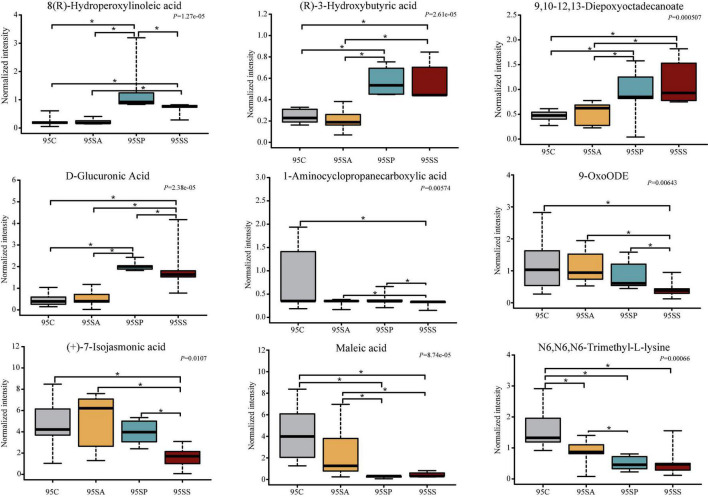
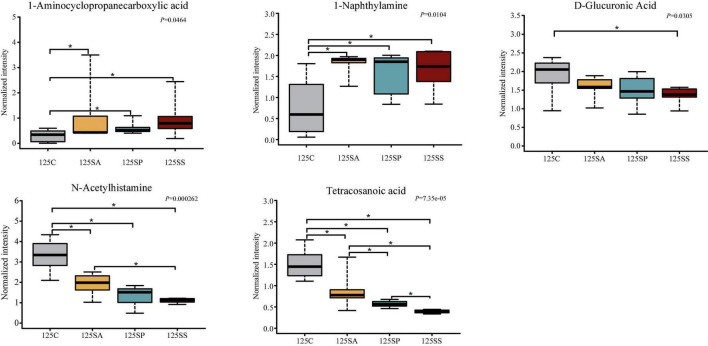
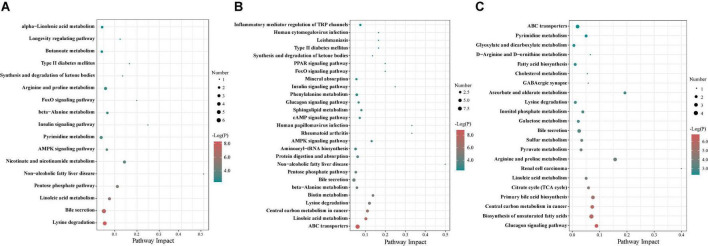
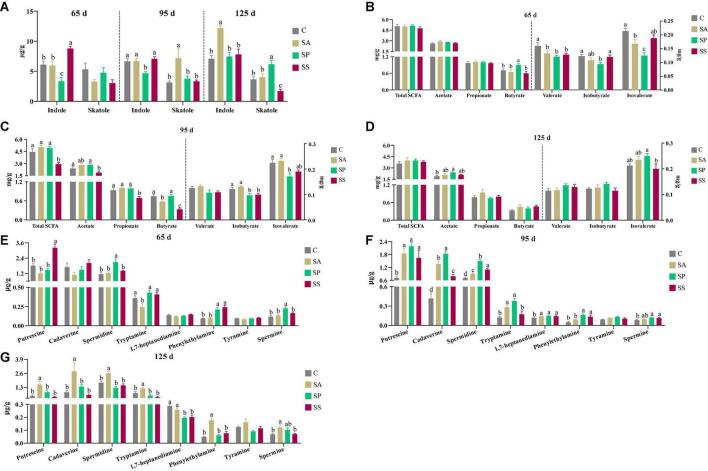
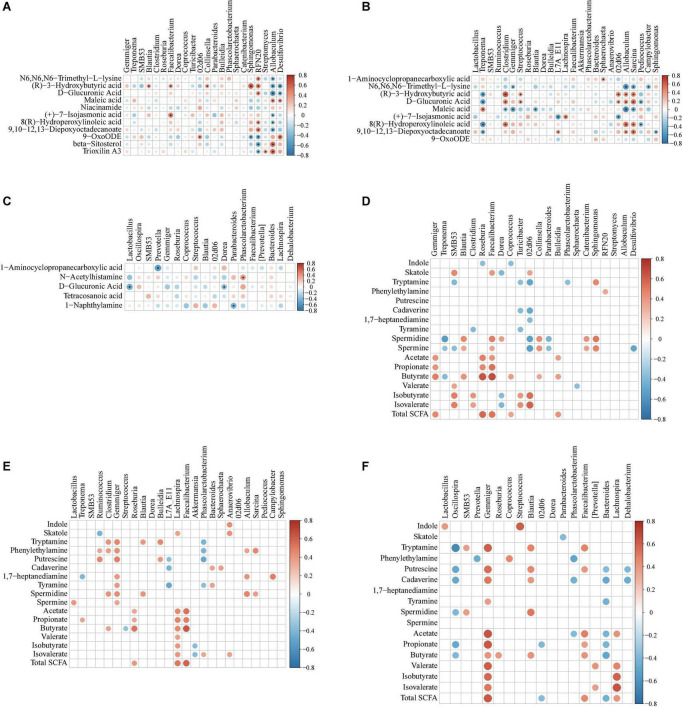
Little information exists about the effects of maternal probiotics and synbiotics addition on the gut microbiome and metabolome of offspring. The present study evaluated the effects of probiotics or synbiotics addition to sows' diets on colonic microbiota and their metabolites in offspring using 16S rRNA gene sequencing and metabolome strategy. A total of 64 pregnant Bama mini-pigs were randomly divided into control, antibiotic, probiotics, and synbiotics groups and fed the corresponding experimental diets during pregnancy and lactation. After weaning, two piglets per litter and eight piglets per group were selected and fed a basal diet. The β-diversity analysis showed that the colonic microbiota of offspring had a clear distinction among the four groups at 65 days of age. Maternal probiotics addition increased the Actinobacteria abundance at 65 days of age and Tenericutes and Firmicutes abundances at 95 days of age of offspring compared with the other three groups, whereas maternal antibiotic addition increased Spirochaetes and Proteobacteria abundances at 95 days of age of offspring compared with the other three groups. Metabolomic analysis showed that colonic metabolites were different between the groups, regardless of the days of age. Furthermore, both PICRUSt2 and enrichment analysis of metabolic pathways showed that maternal probiotics and synbiotics addition affected metabolism of carbohydrate, amino acid, cofactors and vitamins in the colonic microbiota. Compared with the control group, the colonic concentration of indole decreased and skatole increased in the probiotics group, whereas indole increased and skatole decreased in the synbiotics group. Maternal probiotics addition increased the colonic concentrations of acetate and butyrate at 65 and 125 days of age, whereas probiotics and synbiotics addition decreased short-chain fatty acids concentrations at 95 days of age. In addition, the colonic concentrations of putrescine, cadaverine, 1,7-heptanediamine, and spermidine were increased in the antibiotic, probiotics, and synbiotics groups compared with the control group at 95 days of age. The correlation analysis showed that , , and abundances were positively correlated with acetate, propionate, and butyrate concentrations; , , and were positively correlated with putrescine and spermidine; and , , , and were positively correlated with (R)-3-hydroxybutyric acid. Collectively, these findings suggest that probiotics and synbiotics addition to sows' diets exerts effects on offspring pigs by altering gut microbiota composition and their metabolites. The potential beneficial effect on gut health is discussed.
关于孕期补充益生菌和合生制剂对后代肠道微生物群和代谢组的影响,目前所知甚少。本研究采用16S rRNA基因测序和代谢组学策略,评估了在母猪日粮中添加益生菌或合生制剂对后代结肠微生物群及其代谢产物的影响。选取64头巴马小型猪妊娠母猪,随机分为对照组、抗生素组、益生菌组和合生制剂组,在妊娠和哺乳期间分别饲喂相应的实验日粮。断奶后,每组选取每窝2头仔猪,共8头仔猪,饲喂基础日粮。β多样性分析表明,在65日龄时,四组后代的结肠微生物群存在明显差异。与其他三组相比,孕期补充益生菌可使后代在65日龄时放线菌丰度增加,在95日龄时柔膜菌门和厚壁菌门丰度增加;而孕期补充抗生素可使后代在95日龄时螺旋体门和变形菌门丰度增加。代谢组学分析表明,无论日龄如何,各组之间的结肠代谢产物均存在差异。此外,PICRUSt2分析和代谢途径富集分析均表明,孕期补充益生菌和合生制剂会影响结肠微生物群中碳水化合物、氨基酸、辅因子和维生素的代谢。与对照组相比,益生菌组结肠中吲哚浓度降低,粪臭素浓度升高;而合生制剂组吲哚浓度升高,粪臭素浓度降低。孕期补充益生菌可使65日龄和125日龄时结肠中乙酸盐和丁酸盐浓度升高,而补充益生菌和合生制剂会使95日龄时短链脂肪酸浓度降低。此外,在95日龄时,与对照组相比,抗生素组、益生菌组和合生制剂组结肠中腐胺、尸胺、1,7-庚二胺和亚精胺浓度均升高。相关性分析表明, 、 和 的丰度与乙酸盐、丙酸盐和丁酸盐浓度呈正相关; 、 和 与腐胺和亚精胺呈正相关; 、 、 和 与(R)-3-羟基丁酸呈正相关。总的来说,这些发现表明,在母猪日粮中添加益生菌和合生制剂可通过改变肠道微生物群组成及其代谢产物对后代仔猪产生影响。本文还讨论了其对肠道健康的潜在有益作用。