Department of Medical, Oral and Biotechnological Sciences, University "G. d'Annunzio" Chieti-Pescara, 66100 Chieti, Italy.
Department of Clinical and Experimental Medicine, University of Foggia, 71122 Foggia, Italy.
Int J Mol Sci. 2022 Sep 6;23(18):10238. doi: 10.3390/ijms231810238.
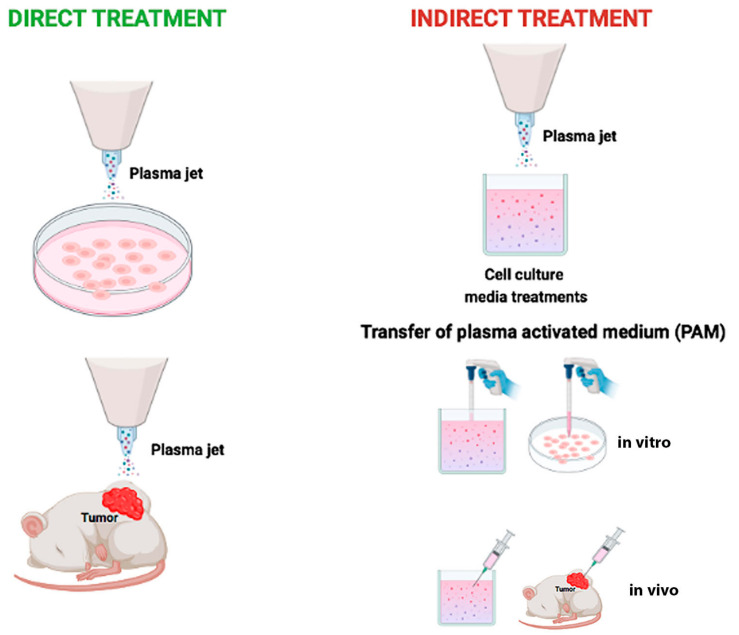
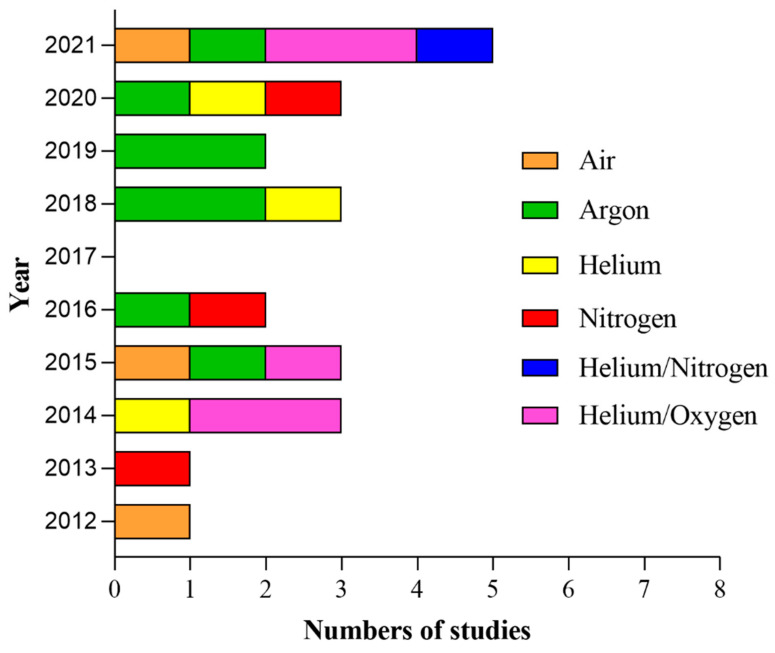
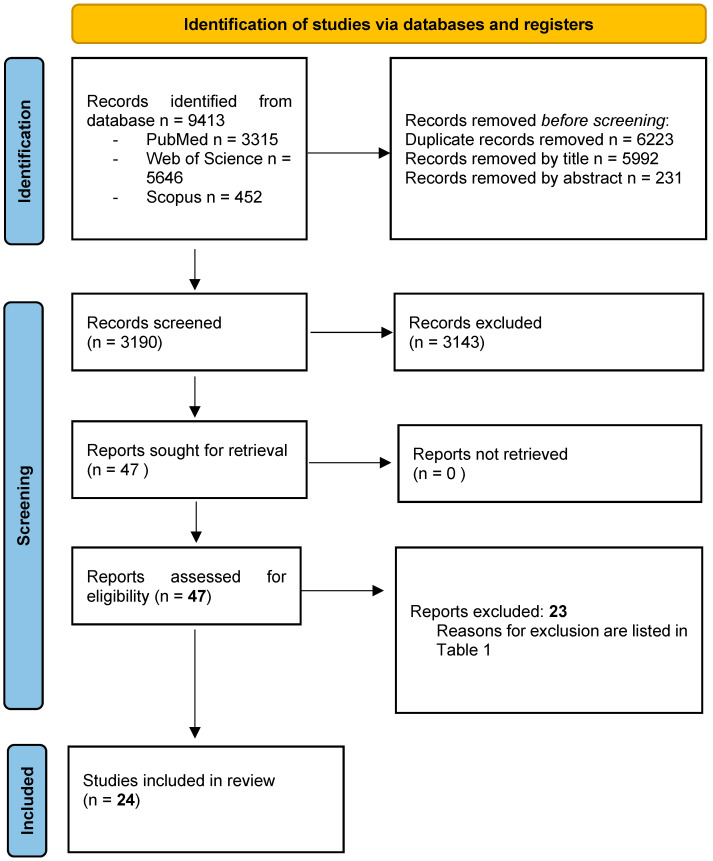
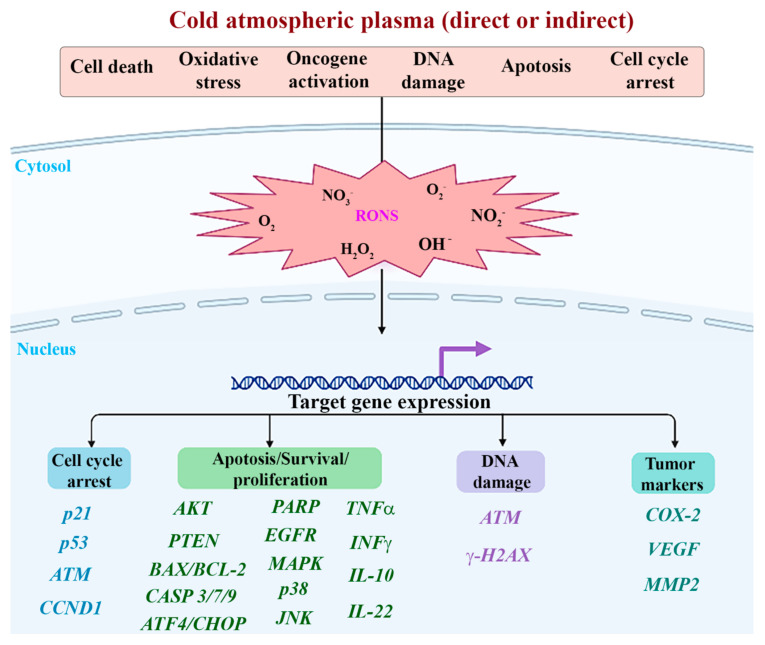
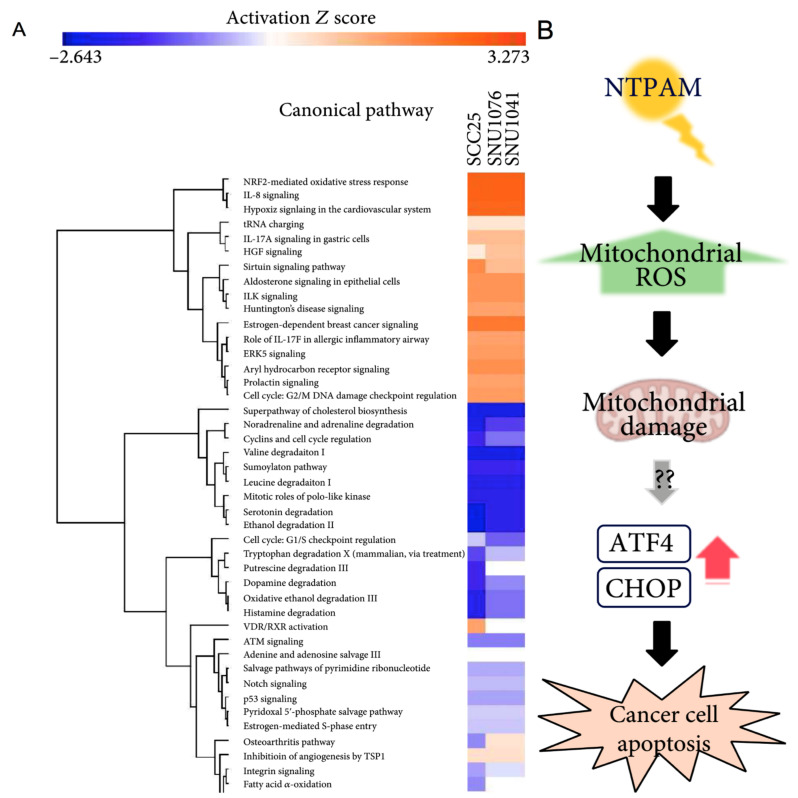
Over the past decade, we witnessed a promising application of cold atmospheric plasma (CAP) in cancer therapy. The aim of this systematic review was to provide an exhaustive state of the art of CAP employed for the treatment of head and neck cancer (HNC), a tumor whose late diagnosis, local recurrence, distant metastases, and treatment failure are the main causes of patients' death. Specifically, the characteristics and settings of the CAP devices and the in vitro and in vivo treatment protocols were summarized to meet the urgent need for standardization. Its molecular mechanisms of action, as well as the successes and pitfalls of current CAP applications in HNC, were discussed. Finally, the interesting emerging preclinical hypotheses that warrant further clinical investigation have risen. A total of 24 studies were included. Most studies used a plasma jet device (54.2%). Argon resulted as the mostly employed working gas (33.32%). Direct and indirect plasma application was reported in 87.5% and 20.8% of studies, respectively. In vitro investigations were 79.17%, most of them concerned with direct treatment (78.94%). Only eight (33.32%) in vivo studies were found; three were conducted in mice, and five on human beings. CAP showed pro-apoptotic effects more efficiently in tumor cells than in normal cells by altering redox balance in a way that oxidative distress leads to cell death. In preclinical studies, it exhibited efficacy and tolerability. Results from this systematic review pointed out the current limitations of translational application of CAP in the urge of standardization of the current protocols while highlighting promising effects as supporting treatment in HNC.
在过去的十年中,我们见证了冷等离子体(CAP)在癌症治疗中的应用前景。本系统评价的目的是提供 CAP 治疗头颈部癌症(HNC)的最新技术状态,HNC 是一种肿瘤,其晚期诊断、局部复发、远处转移和治疗失败是患者死亡的主要原因。具体而言,总结了 CAP 设备的特点和设置以及体外和体内治疗方案,以满足标准化的迫切需求。讨论了其作用的分子机制,以及当前 CAP 在 HNC 中的应用的成功和陷阱。最后,出现了一些有前途的新兴临床前假说,值得进一步临床研究。共纳入 24 项研究。大多数研究使用等离子体射流装置(54.2%)。氩气是最常用的工作气体(33.32%)。直接和间接等离子体应用分别在 87.5%和 20.8%的研究中得到了报道。体外研究占 79.17%,其中大多数涉及直接治疗(78.94%)。仅发现 8 项(33.32%)体内研究;其中 3 项在小鼠中进行,5 项在人类中进行。CAP 通过改变氧化还原平衡以产生氧化应激导致细胞死亡的方式,更有效地在肿瘤细胞中而非正常细胞中发挥促凋亡作用。在临床前研究中,它表现出疗效和耐受性。本系统评价的结果指出了当前 CAP 转化应用的局限性,同时强调了作为 HNC 支持治疗的有前途的效果,需要标准化当前的方案。