Wang Fen, Zhang Baohui, Wen Di, Liu Rong, Yao Xinzhuan, Chen Zhi, Mu Ren, Pei Huimin, Liu Min, Song Baoxing, Lu Litang
The Department of Life Science and Agriculture, Qiannan Normal College for Nationalities, Duyun, China.
The Key Laboratory of Plant Resources Conservation and Germplasm Innovation in Mountainous Region (Ministry of Education), Guiyang, China.
Front Plant Sci. 2022 Sep 23;13:1004387. doi: 10.3389/fpls.2022.1004387. eCollection 2022.
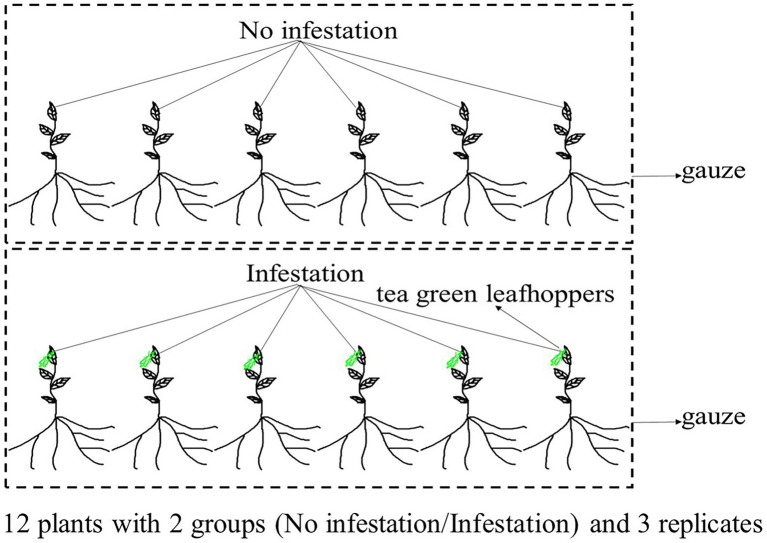
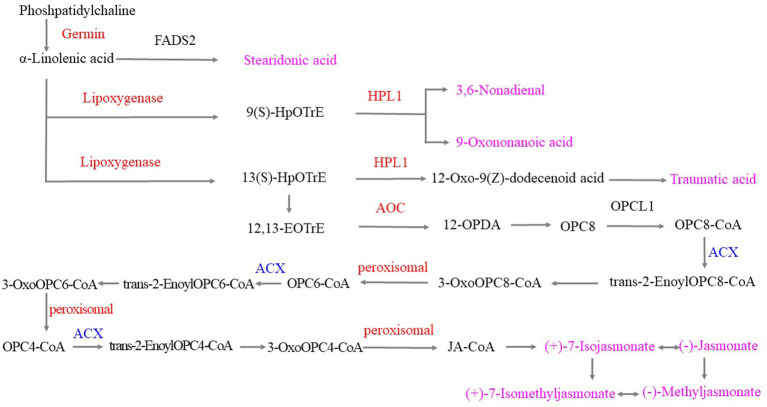
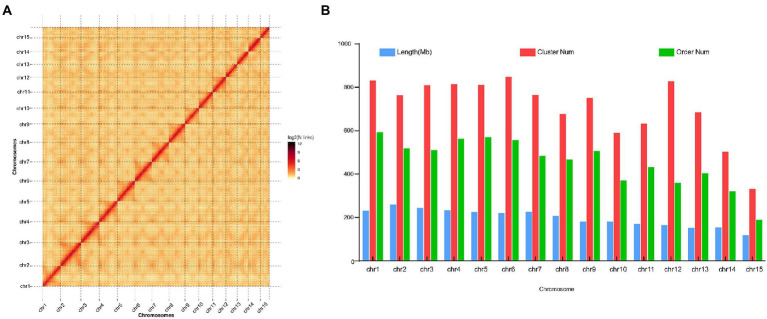
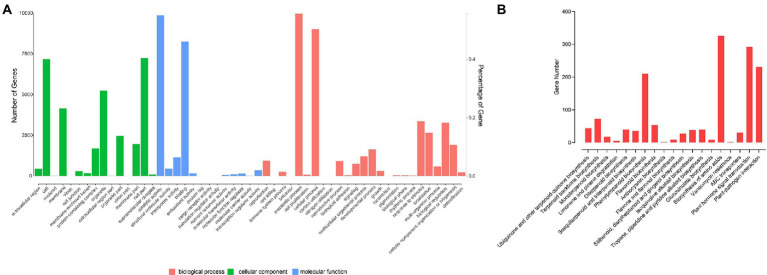
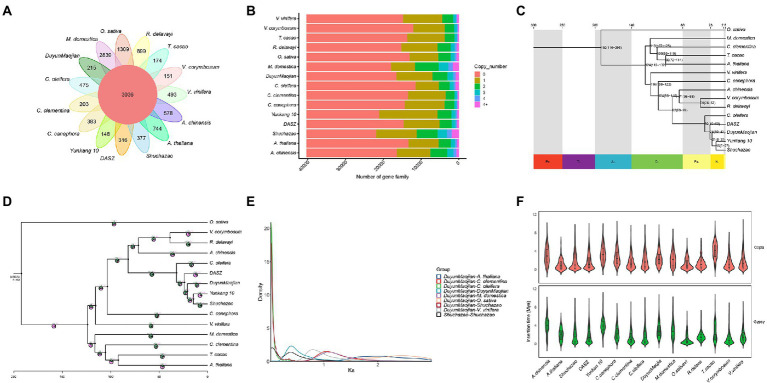
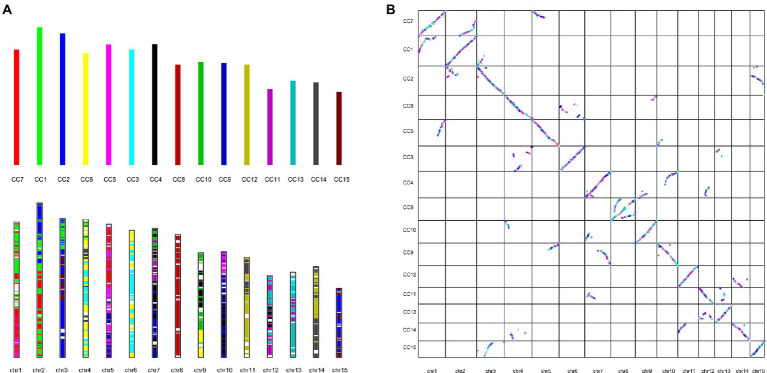
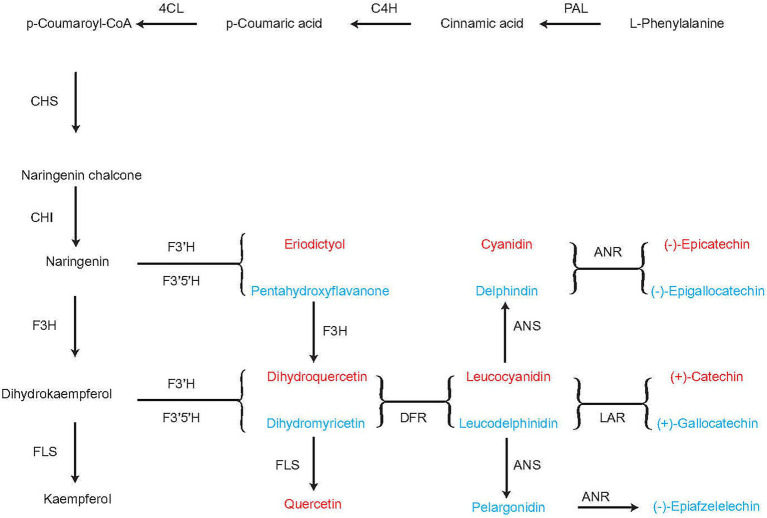
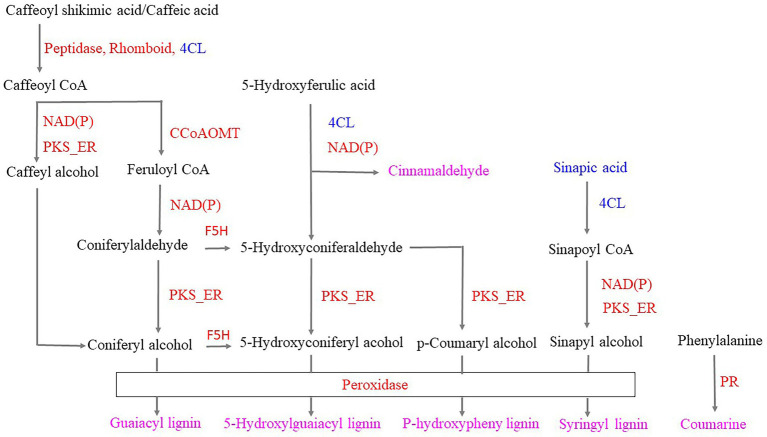
The tea plant () is an important economic crop, which is becoming increasingly popular worldwide, and is now planted in more than 50 countries. Tea green leafhopper is one of the major pests in tea plantations, which can significantly reduce the yield and quality of tea during the growth of plant. In this study, we report a genome assembly for DuyunMaojian tea plants using a combination of Oxford Nanopore Technology PromethION with high-throughput chromosome conformation capture technology and used multi-omics to study how the tea plant responds to infestation with tea green leafhoppers. The final genome was 3.08 Gb. A total of 2.97 Gb of the genome was mapped to 15 pseudo-chromosomes, and 2.79 Gb of them could confirm the order and direction. The contig N50, scaffold N50 and GC content were 723.7 kb, 207.72 Mb and 38.54%, respectively. There were 2.67 Gb (86.77%) repetitive sequences, 34,896 protein-coding genes, 104 miRNAs, 261 rRNA, 669 tRNA, and 6,502 pseudogenes. A comparative genomics analysis showed that DuyunMaojian was the most closely related to Shuchazao and Yunkang 10, followed by DASZ and tea-oil tree. The multi-omics results indicated that phenylpropanoid biosynthesis, α-linolenic acid metabolism, flavonoid biosynthesis and 50 differentially expressed genes, particularly peroxidase, played important roles in response to infestation with tea green leafhoppers ( Göthe). This study on the tea tree is highly significant for its role in illustrating the evolution of its genome and discovering how the tea plant responds to infestation with tea green leafhoppers will contribute to a theoretical foundation to breed tea plants resistant to insects that will ultimately result in an increase in the yield and quality of tea.
茶树()是一种重要的经济作物,在全球越来越受欢迎,目前已在50多个国家种植。茶绿叶蝉是茶园中的主要害虫之一,在茶树生长过程中会显著降低茶叶的产量和品质。在本研究中,我们报道了利用牛津纳米孔技术PromethION与高通量染色体构象捕获技术相结合对都匀毛尖茶树进行的基因组组装,并使用多组学方法研究茶树对茶绿叶蝉侵害的反应。最终的基因组大小为3.08 Gb。基因组中共有2.97 Gb被定位到15条假染色体上,其中2.79 Gb能够确定顺序和方向。重叠群N50、支架N50和GC含量分别为723.7 kb、207.72 Mb和38.54%。有2.67 Gb(86.77%)的重复序列、34896个蛋白质编码基因、104个miRNA、261个rRNA、669个tRNA和6502个假基因。比较基因组学分析表明,都匀毛尖与舒茶早和云抗10关系最为密切,其次是DASZ和油茶。多组学结果表明,苯丙烷类生物合成、α-亚麻酸代谢、类黄酮生物合成以及50个差异表达基因,特别是过氧化物酶,在茶树对茶绿叶蝉侵害的反应中发挥了重要作用(戈特)。这项关于茶树的研究对于阐明其基因组进化具有重要意义,发现茶树对茶绿叶蝉侵害的反应将为培育抗虫茶树提供理论基础,最终提高茶叶的产量和品质。