Jobst Maximilian, Kiss Endre, Gerner Christopher, Marko Doris, Del Favero Giorgia
Department of Food Chemistry and Toxicology, Faculty of Chemistry, University of Vienna, Währingerstr. 38-40, 1090, Vienna, Austria.
Core Facility Multimodal, Imaging, Faculty of Chemistry, University of Vienna, Währingerstr. 38-40, 1090, Vienna, Austria.
Arch Toxicol. 2023 Jan;97(1):217-233. doi: 10.1007/s00204-022-03375-2. Epub 2022 Oct 10.
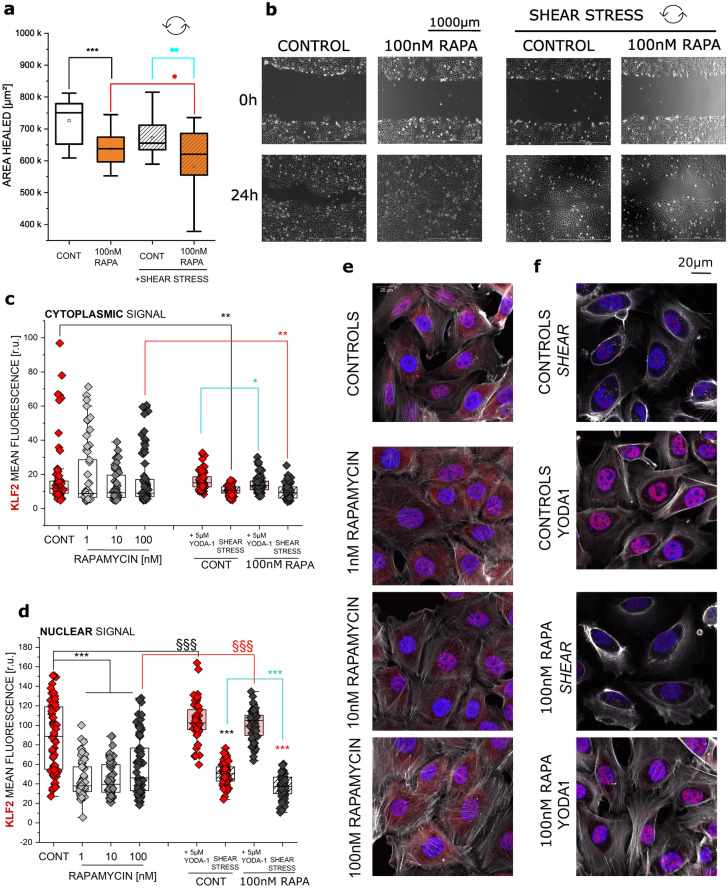
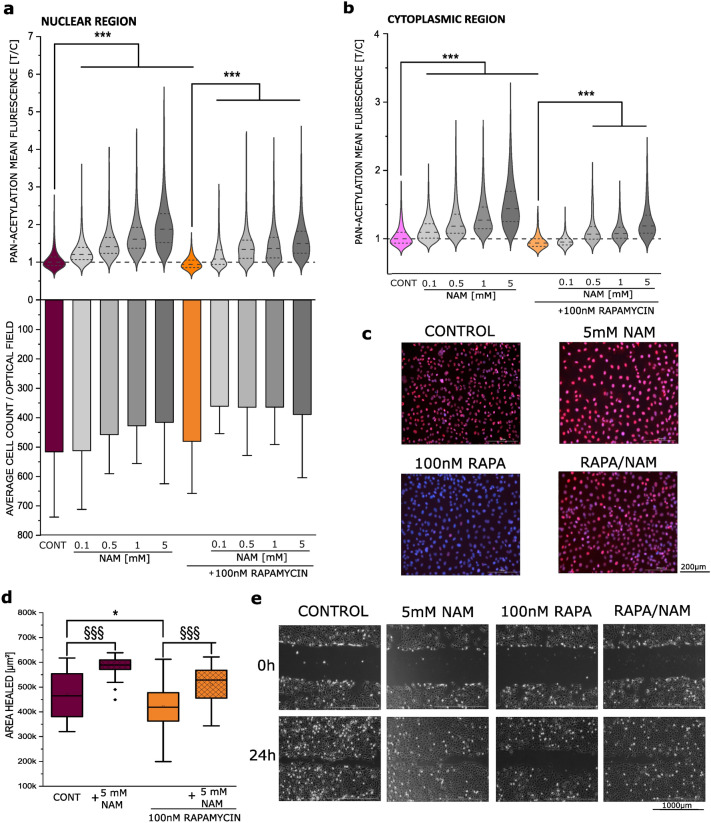
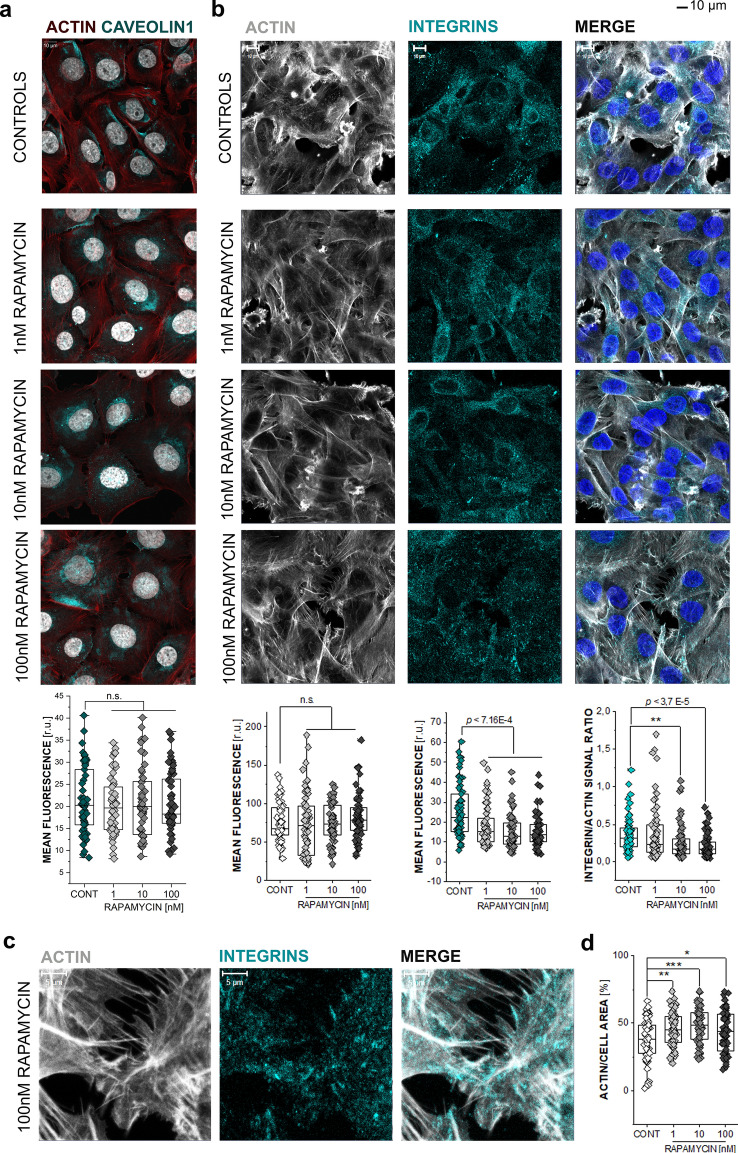
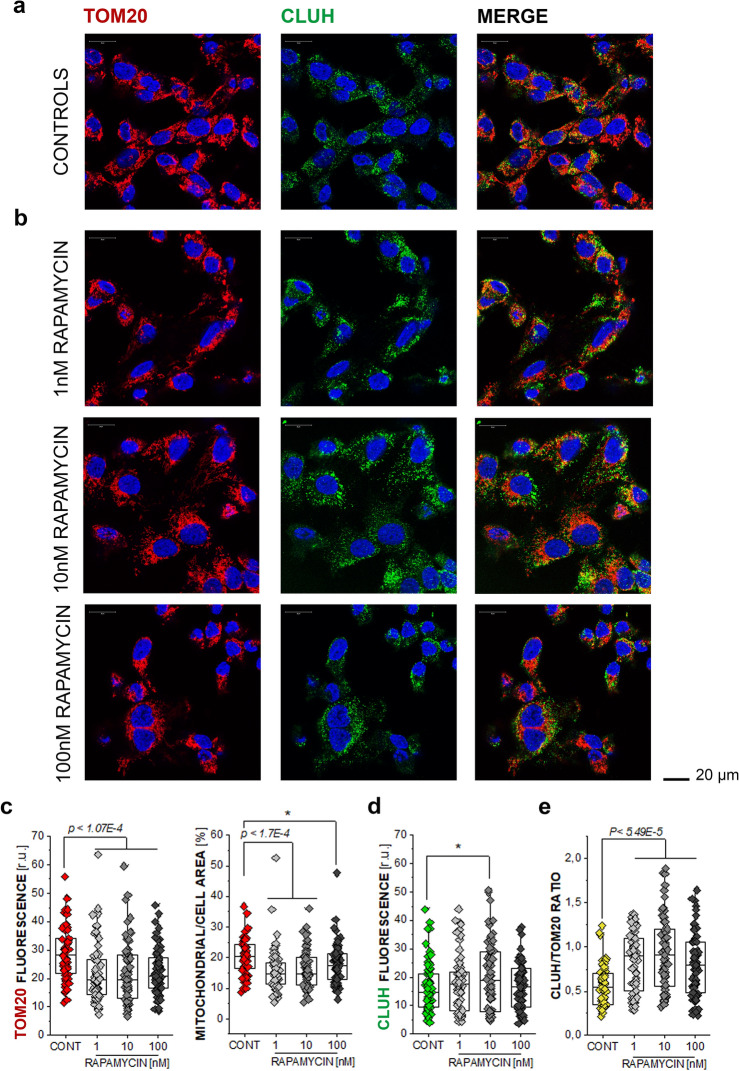
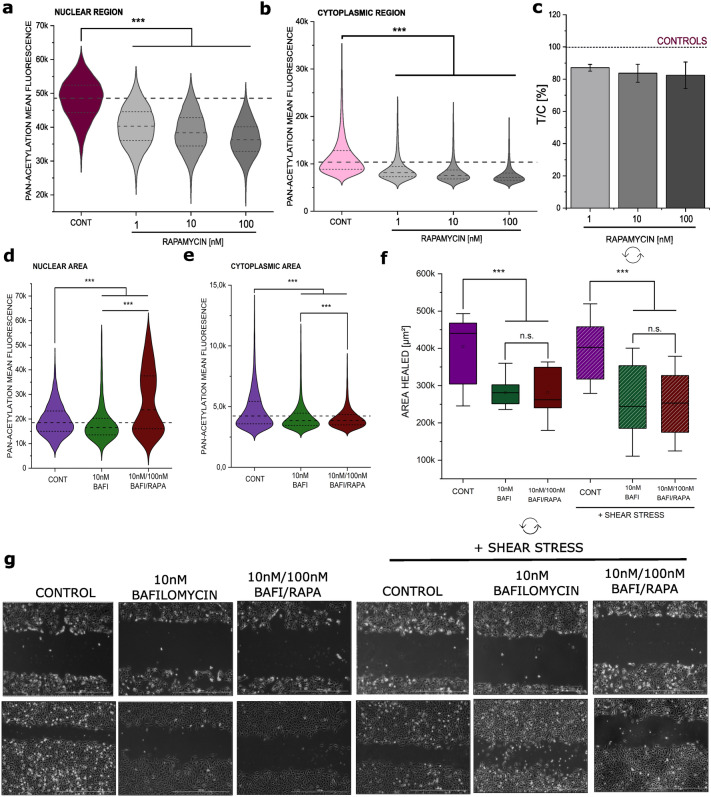
Bladder cells are constantly exposed to multiple xenobiotics and bioactive metabolites. In addition to this challenging chemical environment, they are also exposed to shear stress originating from urine and interstitial fluids. Hence, physiological function of bladder cells relies on a high biochemical and biomechanical adaptive competence, which, in turn, is largely supported via autophagy-related mechanisms. As a negative side of this plasticity, bladder cancer cells are known to adapt readily to chemotherapeutic programs. At the molecular level, autophagy was described to support resistance against pharmacological treatments and to contribute to the maintenance of cell structure and metabolic competence. In this study, we enhanced autophagy with rapamycin (1-100 nM) and assessed its effects on the motility of bladder cells, as well as the capability to respond to shear stress. We observed that rapamycin reduced cell migration and the mechanical-induced translocation potential of Krüppel-like transcription factor 2 (KLF2). These effects were accompanied by a rearrangement of cytoskeletal elements and mitochondrial loss. In parallel, intracellular acetylation levels were decreased. Mechanistically, inhibition of the NAD + -dependent deacetylase sirtuin-1 (SIRT1) with nicotinamide (NAM; 0.1-5 mM) restored acetylation levels hampered by rapamycin and cell motility. Taken together, we described the effects of rapamycin on cytoskeletal elements crucial for mechanotransduction and the dependency of these changes on the mitochondrial turnover caused by autophagy activation. Additionally, we could show that targeted metabolic intervention could revert the outcome of autophagy activation, reinforcing the idea that bladder cells can easily adapt to multiple xenobiotics and circumvent in this way the effects of single chemicals.
膀胱细胞不断接触多种外源性物质和生物活性代谢产物。除了这种具有挑战性的化学环境外,它们还受到源自尿液和组织液的剪切应力的影响。因此,膀胱细胞的生理功能依赖于高度的生化和生物力学适应能力,而这种能力在很大程度上是通过自噬相关机制来支持的。作为这种可塑性的一个负面影响,已知膀胱癌细胞很容易适应化疗方案。在分子水平上,自噬被描述为支持对药物治疗的抗性,并有助于维持细胞结构和代谢能力。在本研究中,我们用雷帕霉素(1 - 100 nM)增强自噬,并评估其对膀胱细胞运动性以及对剪切应力反应能力的影响。我们观察到雷帕霉素降低了细胞迁移以及Krüppel样转录因子2(KLF2)的机械诱导易位潜力。这些效应伴随着细胞骨架成分的重排和线粒体的丢失。同时,细胞内乙酰化水平降低。从机制上讲,用烟酰胺(NAM;0.1 - 5 mM)抑制NAD⁺依赖性脱乙酰酶sirtuin - 1(SIRT1)可恢复被雷帕霉素阻碍的乙酰化水平和细胞运动性。综上所述,我们描述了雷帕霉素对机械转导至关重要的细胞骨架成分的影响,以及这些变化对自噬激活引起的线粒体更新的依赖性。此外,我们可以证明靶向代谢干预可以逆转自噬激活的结果,强化了膀胱细胞可以轻松适应多种外源性物质并以此规避单一化学物质影响的观点。