Li Mingzhe, Song Qiang, Bai Yunfeng, Hua Feng, Wu Tao, Liu Jun
Department of Orthopedics, The Second Affiliated Hospital of Nanjing Medical University, Nanjing, China.
Department of Urology, The First Affiliated Hospital of Nanjing Medical University, Nanjing, China.
Front Pharmacol. 2022 Oct 3;13:992431. doi: 10.3389/fphar.2022.992431. eCollection 2022.
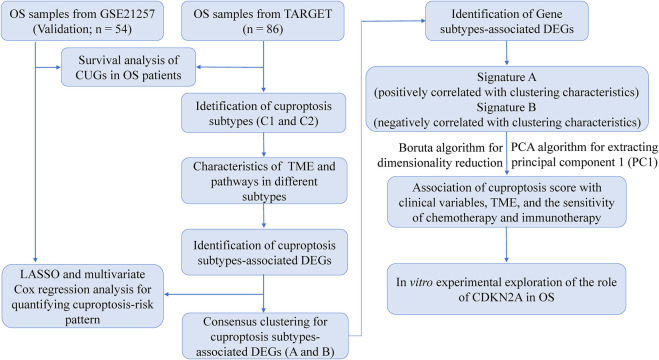
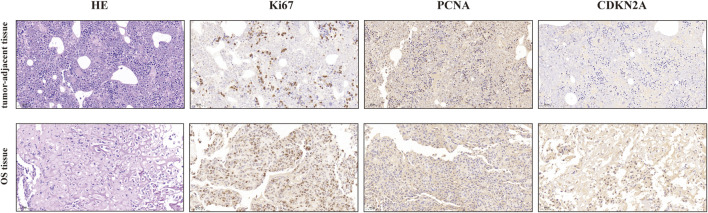
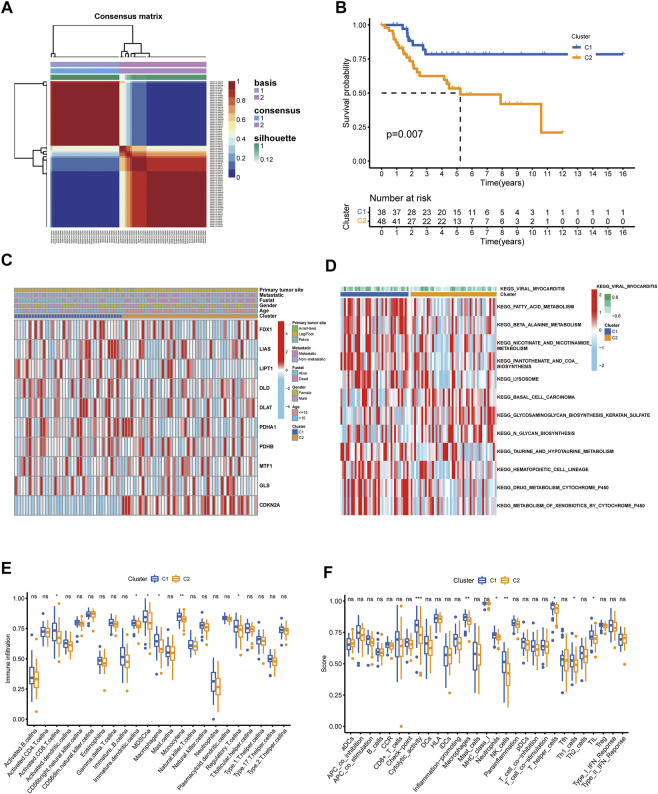
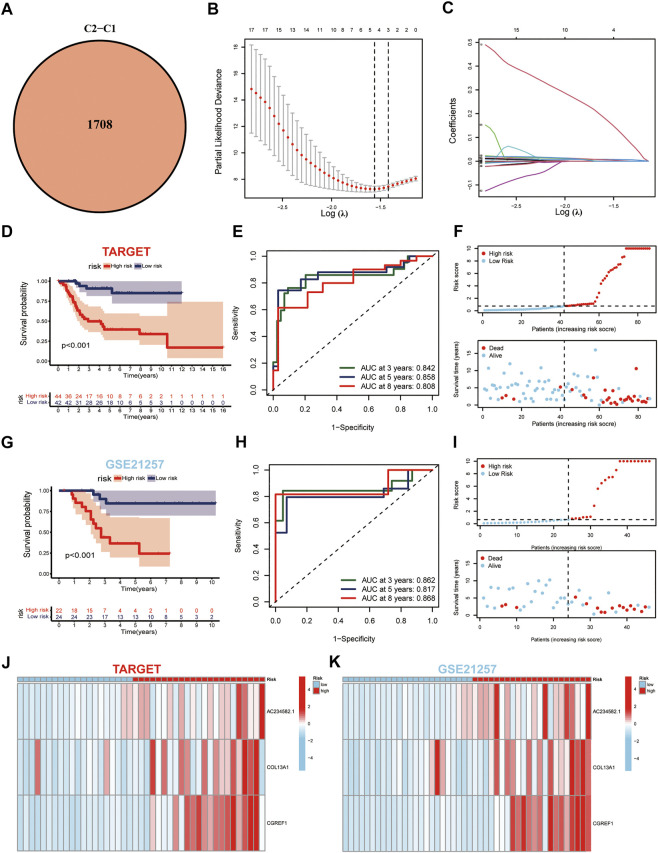
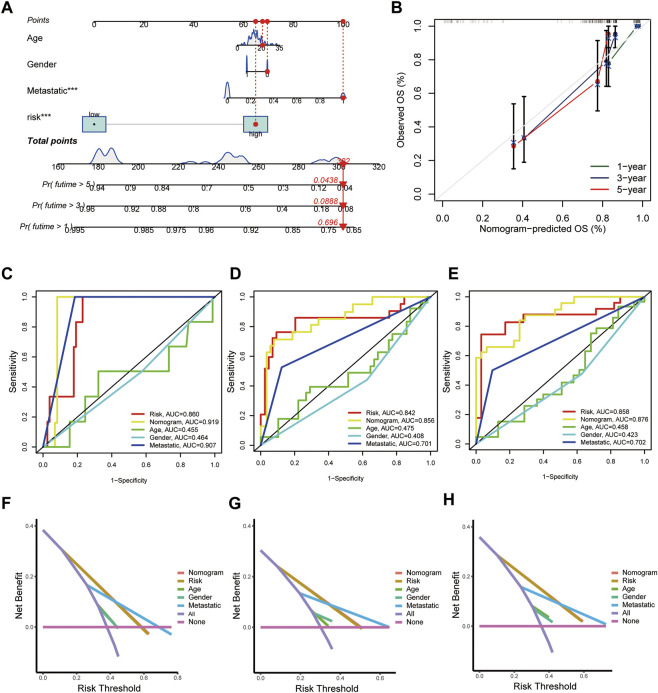
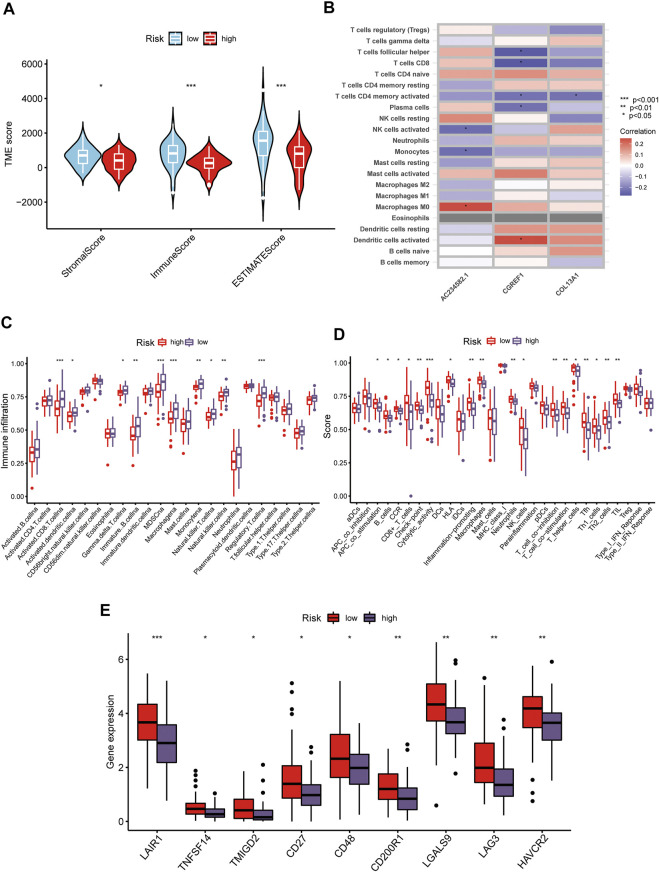
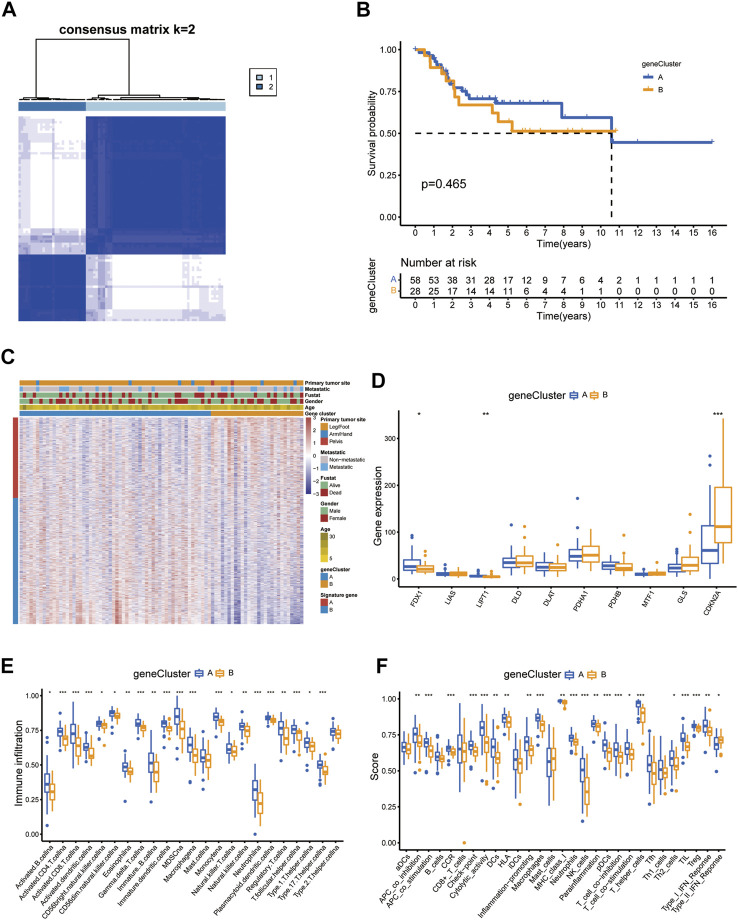
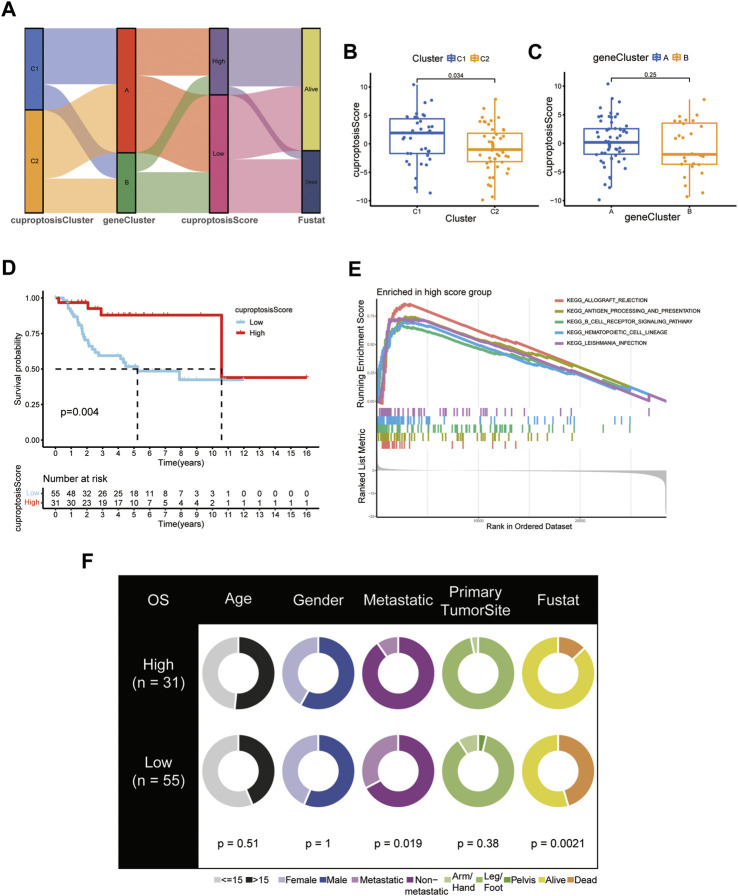
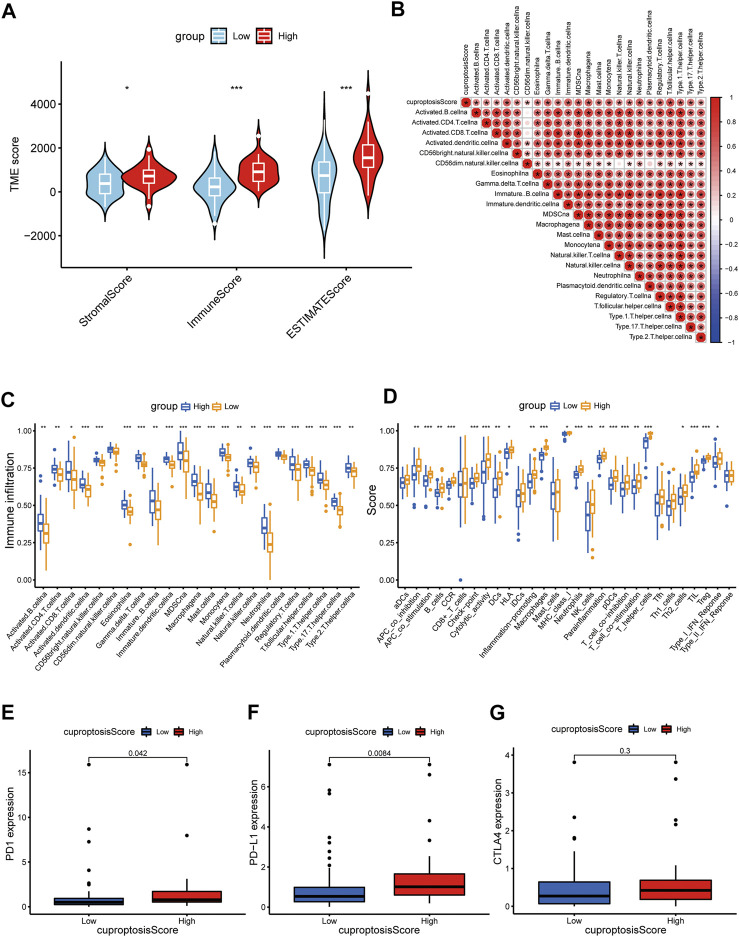
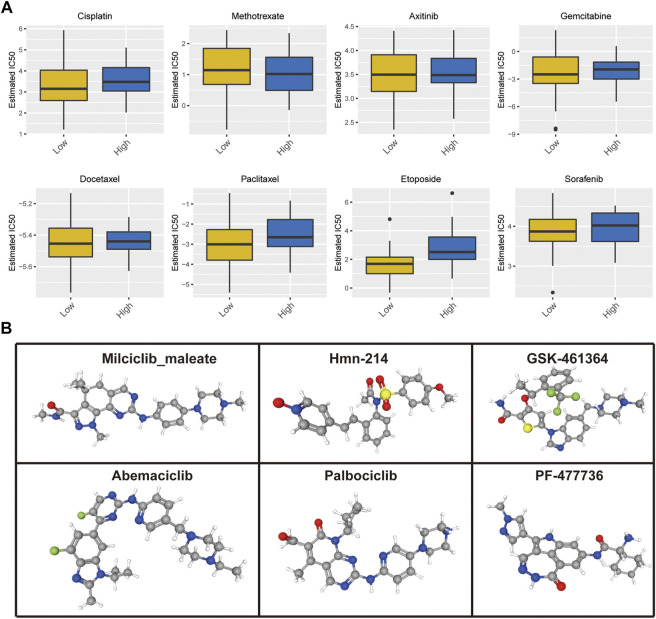
Copper-induced cell death, a form of apoptosis, has been extensively investigated in human diseases. Recent studies on the mechanisms underlying copper-induced cell death have provided innovative insights into copper-related toxicity in cells, and this form of programmed cell death was termed cuproptosis. Herein, we conducted a comprehensive analysis to determine the specific role of cuproptosis in osteosarcoma. Using consensus clustering analysis, patients with osteosarcoma from the TARGET database were classified into subgroups with distinct cuproptosis-based molecular patterns. Accordingly, these patients displayed diverse clinicopathological features, survival outcomes, tumor microenvironment (TME) characteristics, immune-related scores, and therapeutic responses. Furthermore, we constructed a cuproptosis-based risk signature and nomogram, as well as developed a cuproptosis score for improved patient characterization. The prognostic model and cuproptosis score were well validated and confirmed to efficiently distinguish high- and low-risk patients, thereby affording great predictive value. Finally, we verified the abnormal expression of prognostic CUG in OS patients by immunohistochemistry. In conclusion, we suggest that cuproptosis may play an important role in regulating the tumor microenvironment features, tumor progression and the long-term prognosis of osteosarcoma.
铜诱导的细胞死亡是一种凋亡形式,已在人类疾病中得到广泛研究。最近关于铜诱导细胞死亡潜在机制的研究为细胞中与铜相关的毒性提供了创新性见解,这种形式的程序性细胞死亡被称为铜死亡。在此,我们进行了一项全面分析,以确定铜死亡在骨肉瘤中的具体作用。使用一致性聚类分析,将来自TARGET数据库的骨肉瘤患者分为具有不同铜死亡相关分子模式的亚组。相应地,这些患者表现出不同的临床病理特征、生存结果、肿瘤微环境(TME)特征、免疫相关评分和治疗反应。此外,我们构建了基于铜死亡的风险特征和列线图,并开发了铜死亡评分以改善患者特征描述。预后模型和铜死亡评分得到了很好的验证,并被证实能够有效区分高风险和低风险患者,从而具有很大的预测价值。最后,我们通过免疫组织化学验证了骨肉瘤患者中预后相关CUG的异常表达。总之,我们认为铜死亡可能在调节骨肉瘤的肿瘤微环境特征、肿瘤进展和长期预后中发挥重要作用。