Department of Molecular Medicine, Morsani College of Medicine, University of South Florida, Tampa, FL 33612, USA.
USF Health Byrd Alzheimer's Research Institute, Morsani College of Medicine, University of South Florida, Tampa, FL 33612, USA.
Biomolecules. 2022 Oct 7;12(10):1436. doi: 10.3390/biom12101436.
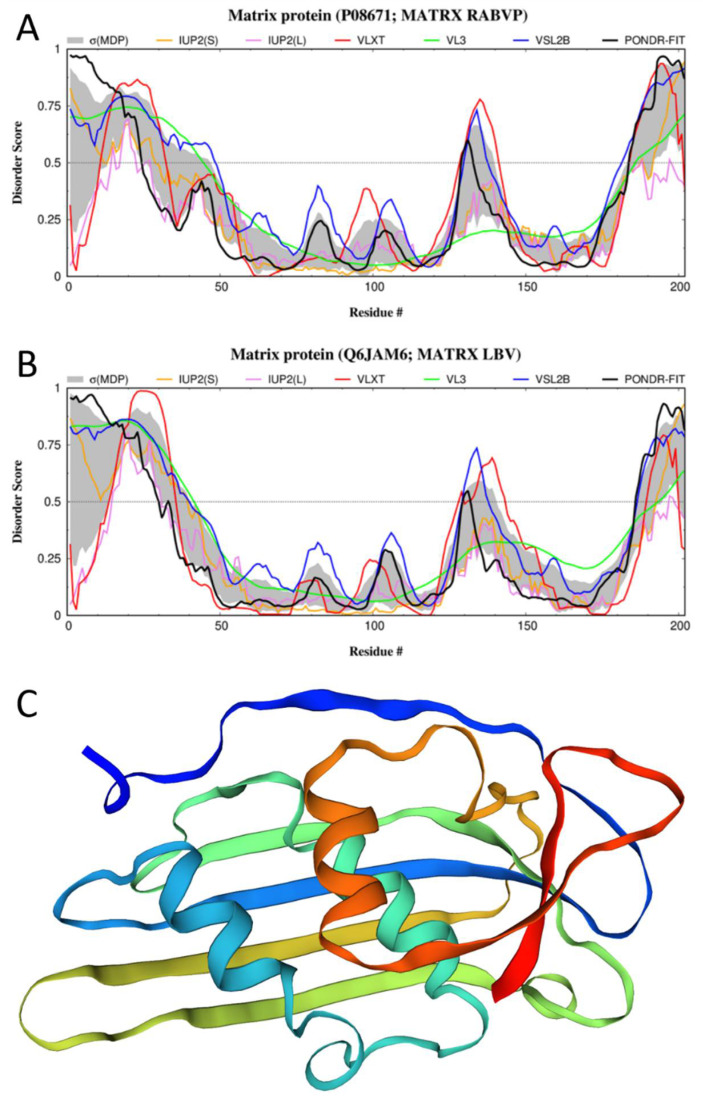
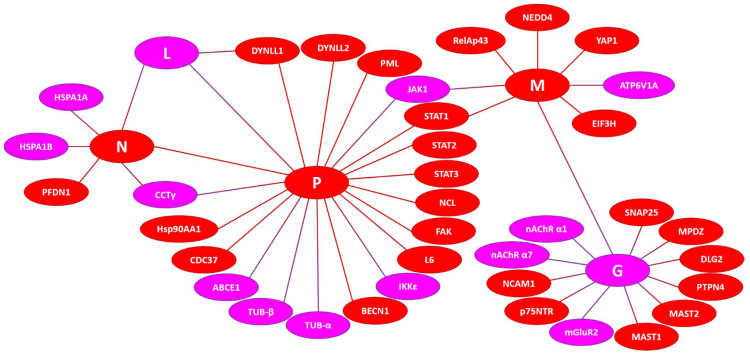
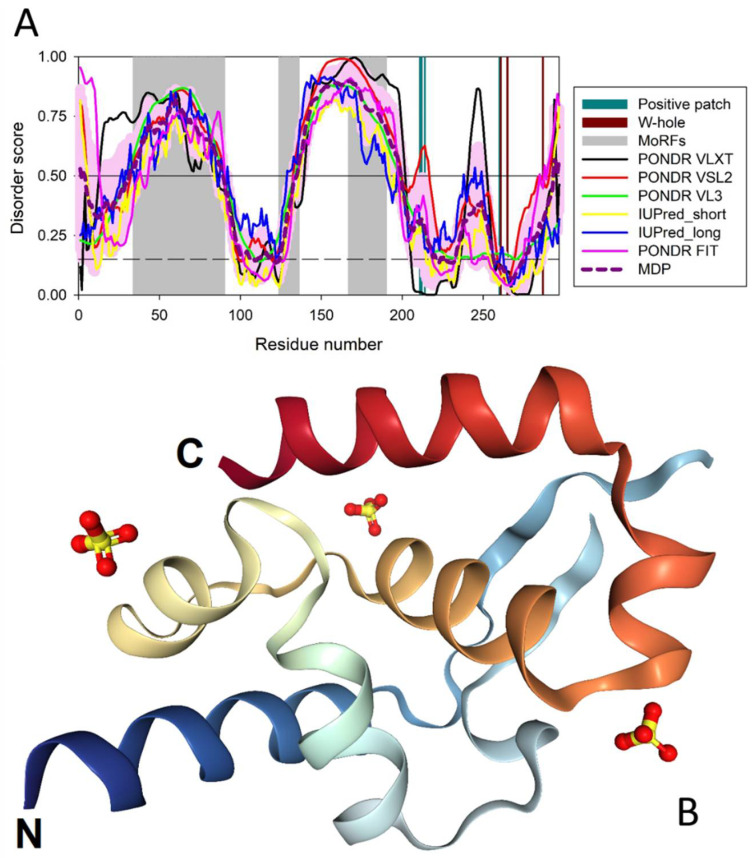
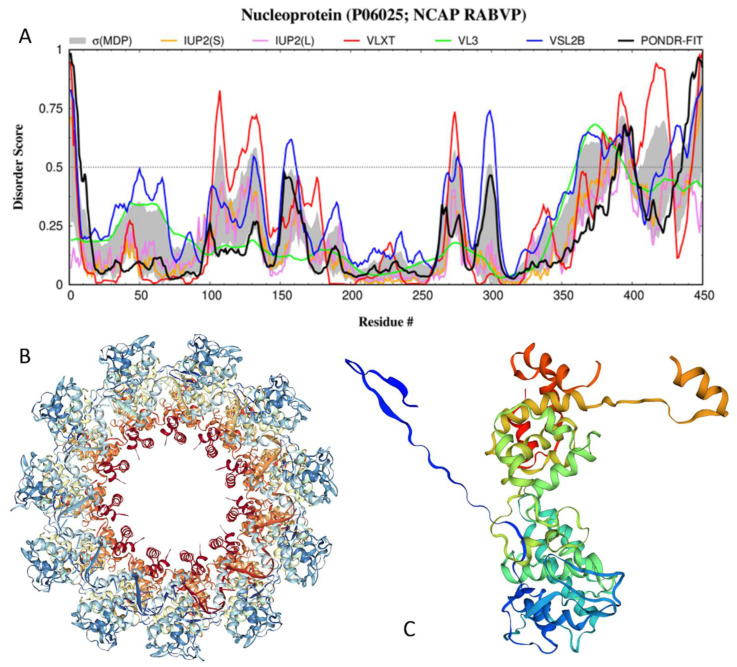
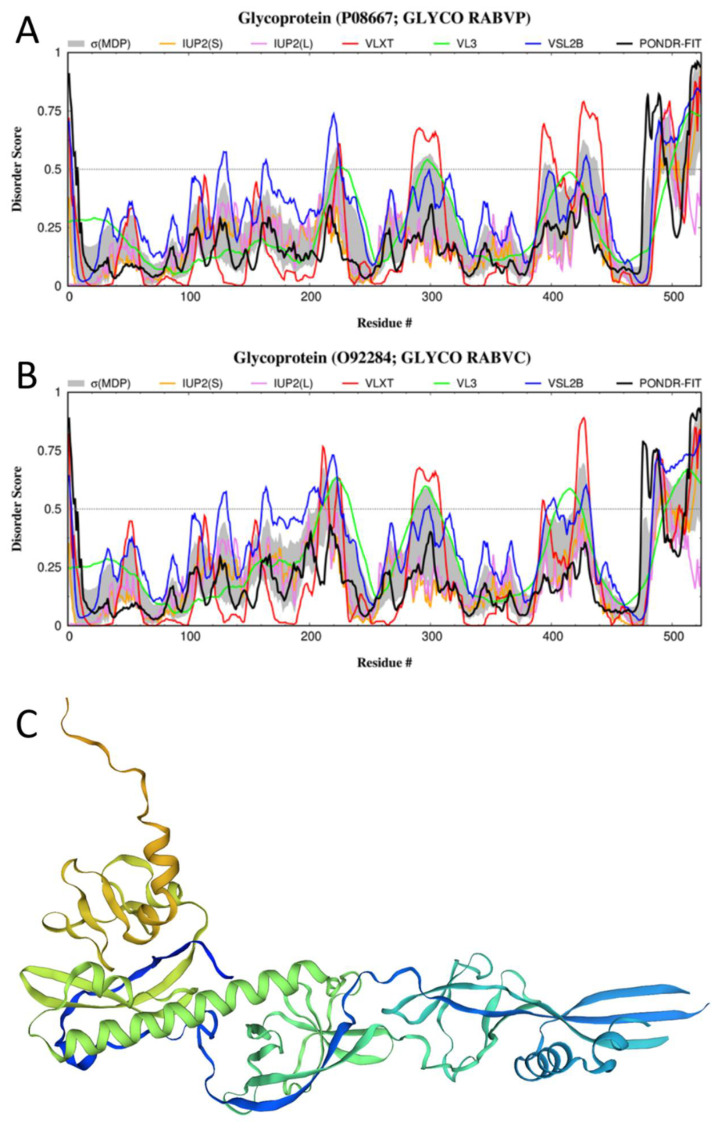
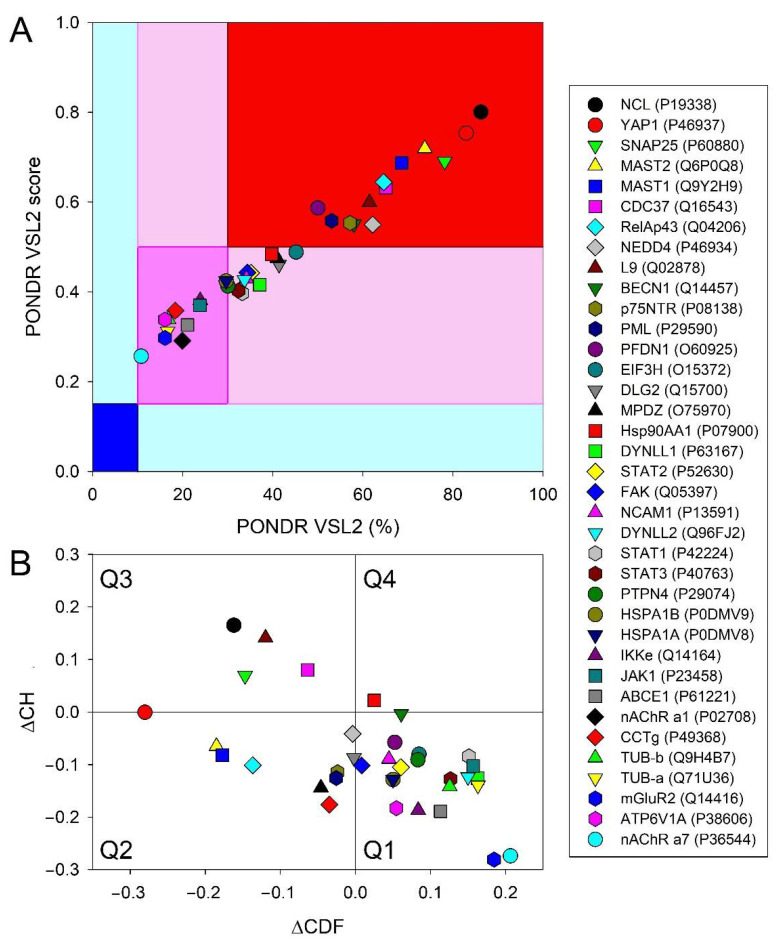
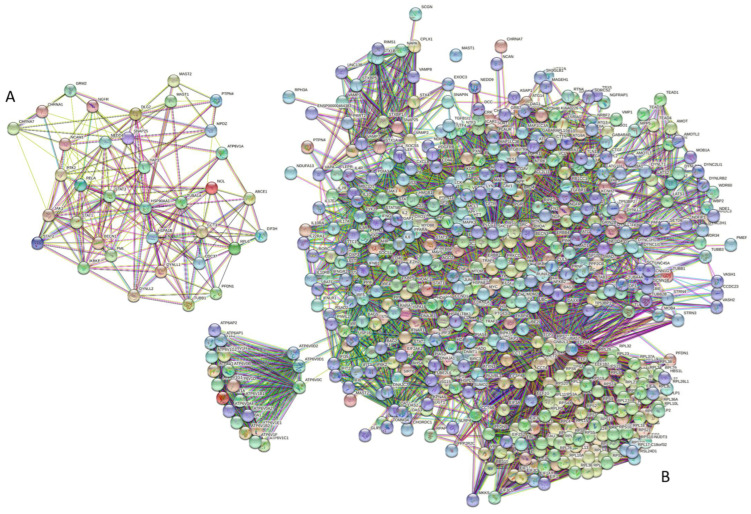
Rabies is a neurological disease that causes between 40,000 and 70,000 deaths every year. Once a rabies patient has become symptomatic, there is no effective treatment for the illness, and in unvaccinated individuals, the case-fatality rate of rabies is close to 100%. French scientists Louis Pasteur and Émile Roux developed the first vaccine for rabies in 1885. If administered before the virus reaches the brain, the modern rabies vaccine imparts long-lasting immunity to the virus and saves more than 250,000 people every year. However, the rabies virus can suppress the host's immune response once it has entered the cells of the brain, making death likely. This study aimed to make use of disorder-based proteomics and bioinformatics to determine the potential impact that intrinsically disordered protein regions (IDPRs) in the proteome of the rabies virus might have on the infectivity and lethality of the disease. This study used the proteome of the Rabies lyssavirus (RABV) strain Pasteur Vaccins (PV), one of the best-understood strains due to its use in the first rabies vaccine, as a model. The data reported in this study are in line with the hypothesis that high levels of intrinsic disorder in the phosphoprotein (P-protein) and nucleoprotein (N-protein) allow them to participate in the creation of Negri bodies and might help this virus to suppress the antiviral immune response in the host cells. Additionally, the study suggests that there could be a link between disorder in the matrix (M) protein and the modulation of viral transcription. The disordered regions in the M-protein might have a possible role in initiating viral budding within the cell. Furthermore, we checked the prevalence of functional disorder in a set of 37 host proteins directly involved in the interaction with the RABV proteins. The hope is that these new insights will aid in the development of treatments for rabies that are effective after infection.
狂犬病是一种神经系统疾病,每年导致 4 万至 7 万人死亡。一旦狂犬病患者出现症状,目前针对这种疾病还没有有效的治疗方法,而在未接种疫苗的个体中,狂犬病的病死率接近 100%。法国科学家路易斯·巴斯德和埃米尔·鲁克斯于 1885 年开发出了第一种狂犬病疫苗。如果在病毒到达大脑之前接种,现代狂犬病疫苗可以为病毒提供持久的免疫力,每年挽救 25 万多人的生命。然而,狂犬病病毒一旦进入大脑细胞,就可以抑制宿主的免疫反应,导致死亡。本研究旨在利用基于无序的蛋白质组学和生物信息学来确定狂犬病病毒蛋白质组中的无序蛋白质区域(IDPRs)可能对疾病的传染性和致命性产生的潜在影响。本研究使用狂犬病 lyssavirus (RABV) 株 Pasteur Vaccins (PV) 的蛋白质组作为模型,该株是由于其在第一种狂犬病疫苗中的应用而被研究得最透彻的株之一。本研究报告的数据支持这样一种假设,即磷蛋白(P 蛋白)和核蛋白(N 蛋白)中的高度内在无序允许它们参与 Negri 小体的形成,并可能有助于该病毒抑制宿主细胞中的抗病毒免疫反应。此外,该研究表明,基质(M)蛋白中的无序与病毒转录的调节之间可能存在联系。M 蛋白中的无序区域可能在启动细胞内病毒出芽中发挥作用。此外,我们检查了直接参与与 RABV 蛋白相互作用的一组 37 种宿主蛋白中功能无序的普遍性。希望这些新的见解将有助于开发出有效的狂犬病感染后治疗方法。