Department of Thoracic Surgery, Shanghai Key Laboratory of Clinical Geriatric Medicine, Huadong Hospital Affiliated to Fudan University, Shanghai, China.
Department of Thoracic Oncology, Ningbo No. 2 Hospital, Ningbo, China.
Cancer Med. 2023 Mar;12(5):6419-6436. doi: 10.1002/cam4.5391. Epub 2022 Oct 28.
Costimulatory molecules have been demonstrated to exert essential roles in multiple cancers. However, their role in lung cancer remains elusive. Here, we sought to identify costimulatory molecule-related lncRNAs in non-small cell lung cancer (NSCLC) and establish a prognostic signature to predict the prognosis of patients with NSCLC.
A total of 535 lung adenocarcinoma (LUAD) and 502 lung squamous cell carcinoma (LUSC) patients from the cancer genome atlas (TCGA) database were recruited. A novel costimulatory molecule-based lncRNA prognostic model was constructed using the least absolute shrinkage and selection operator (LASSO) algorithm to predict the overall survival. The Homo_sapiens.GRCh38 data set was set as a reference file for probe annotation.
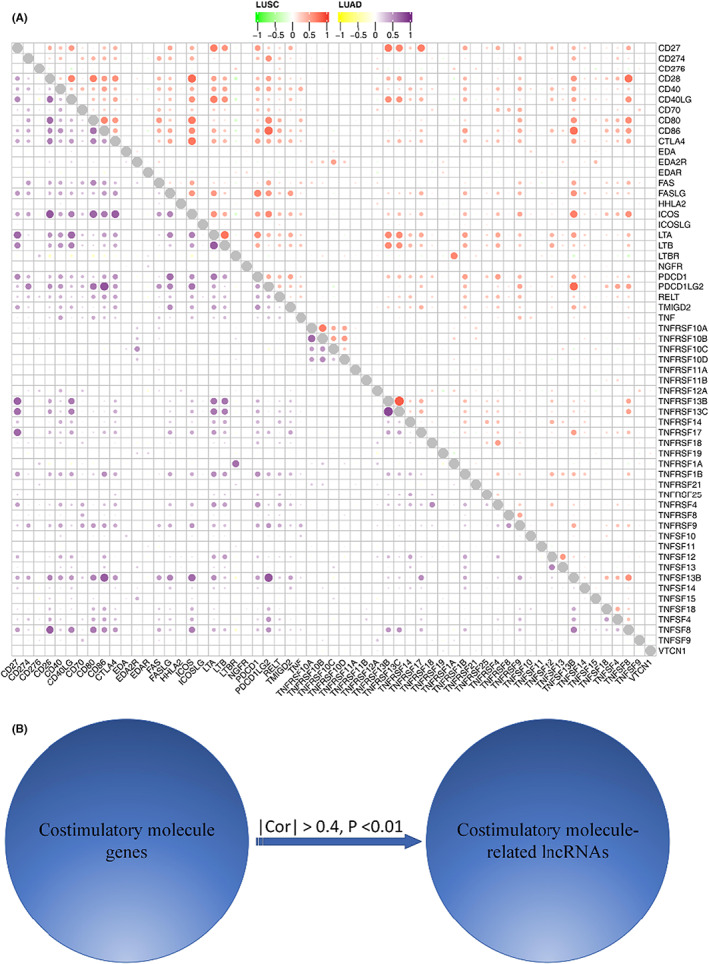
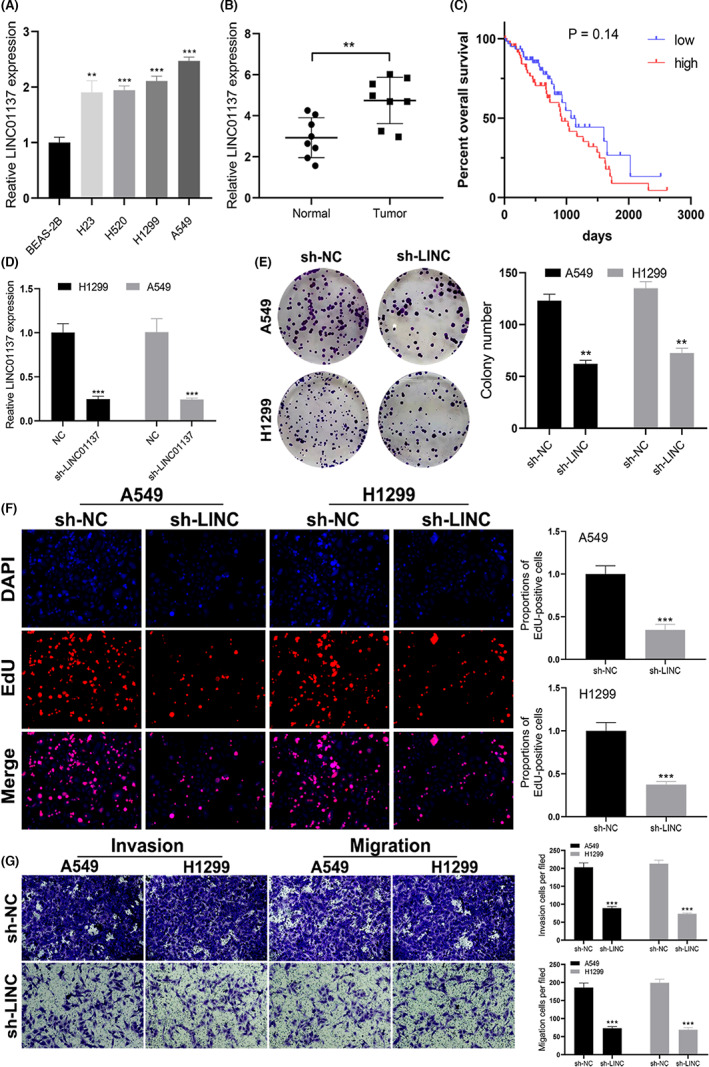
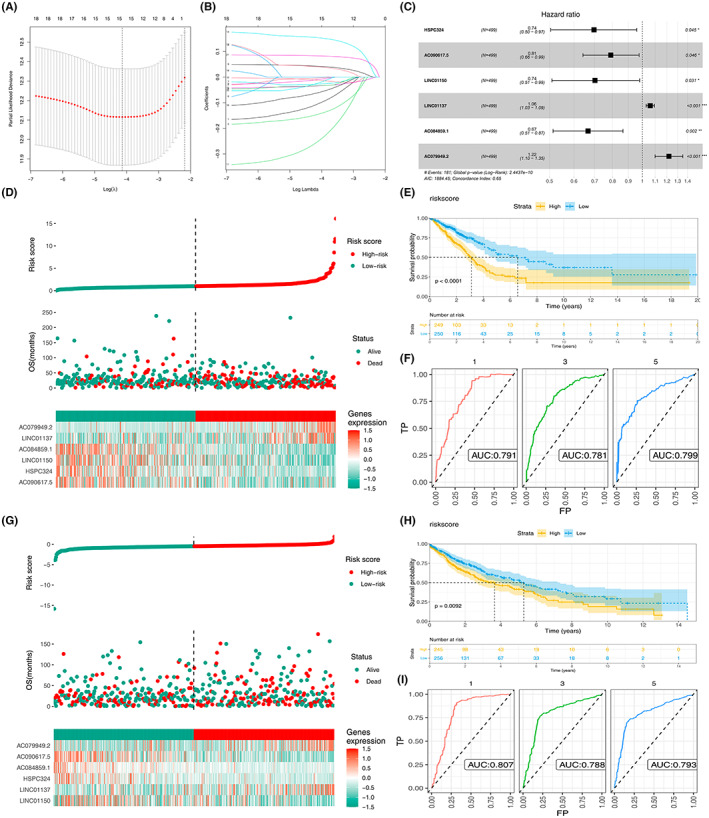
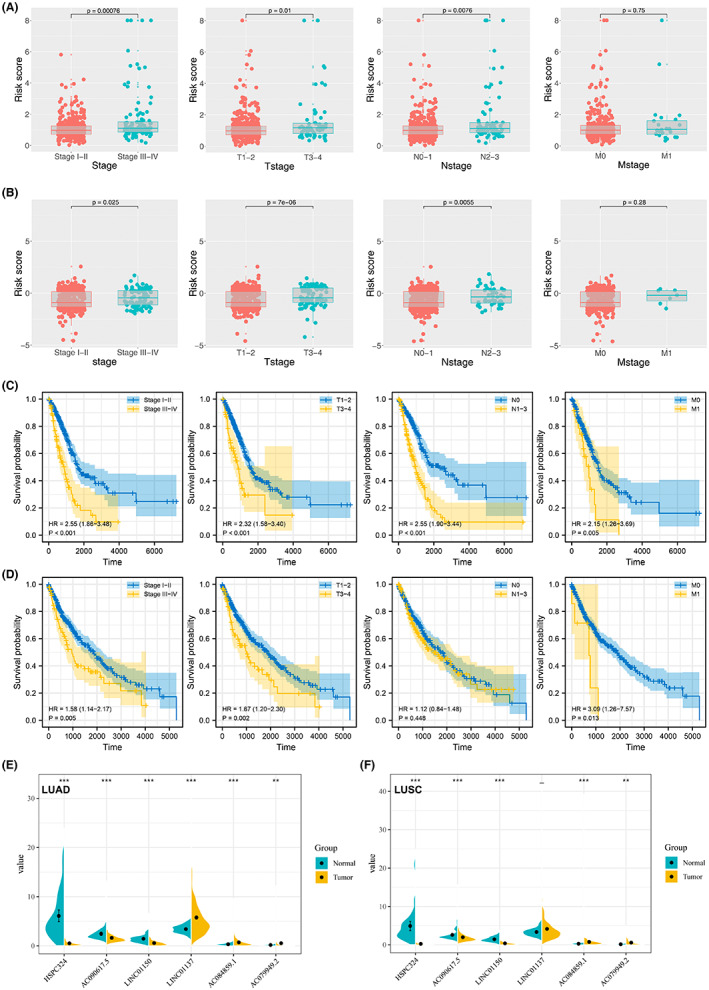
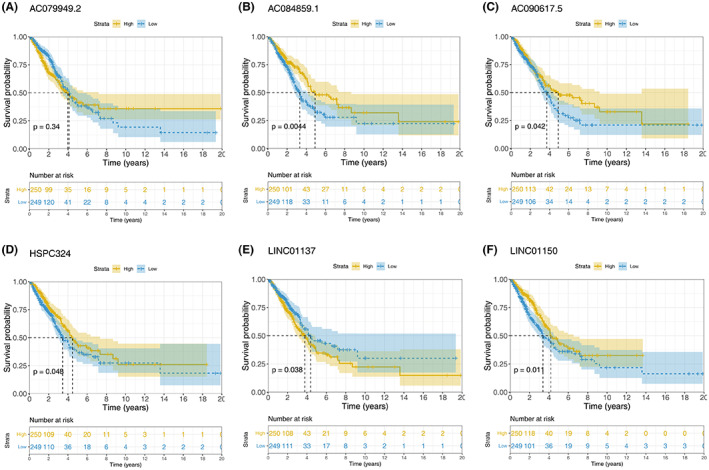
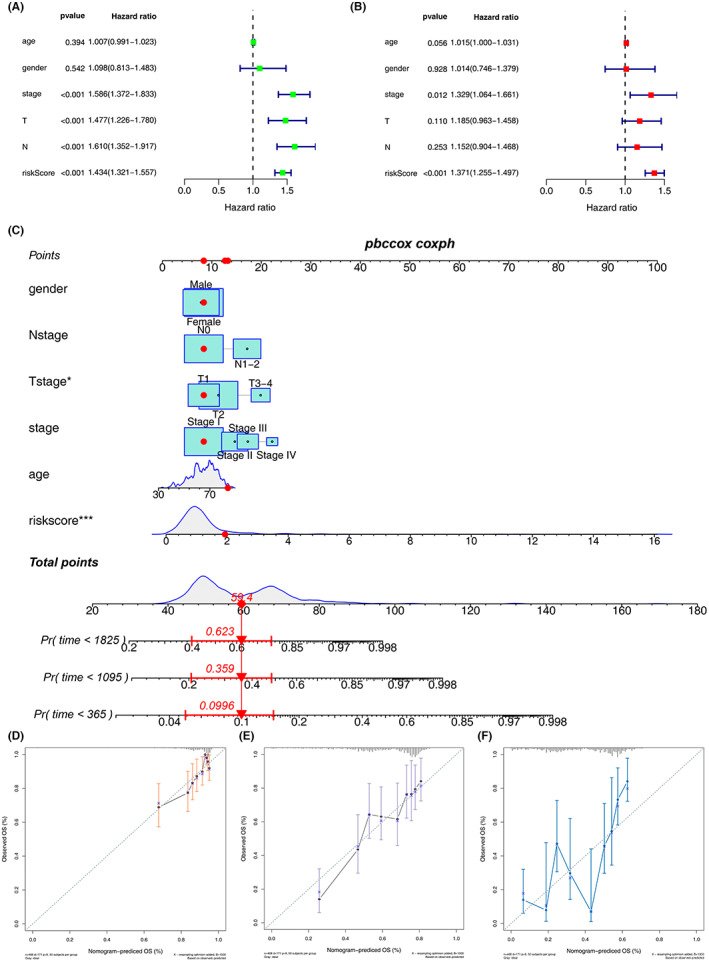
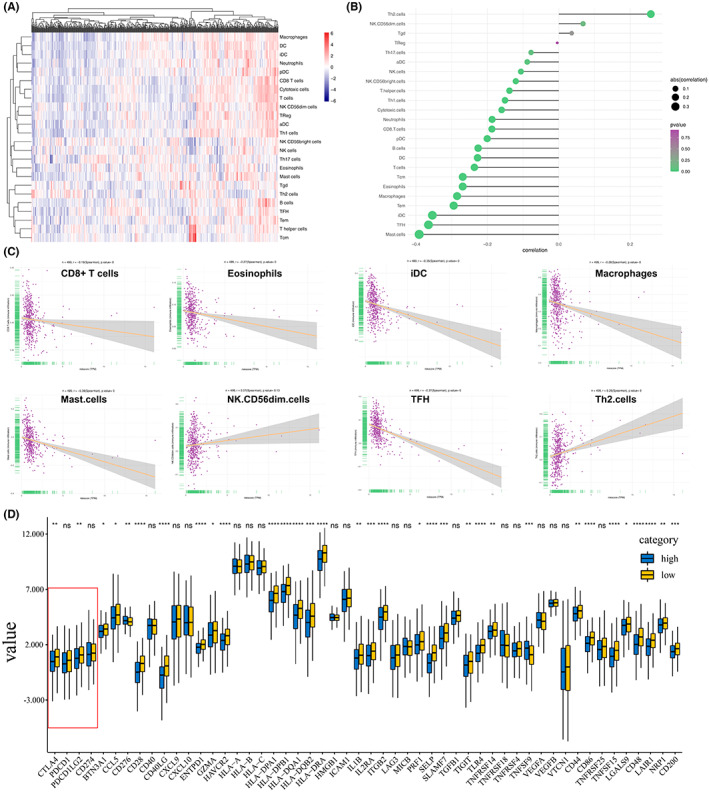
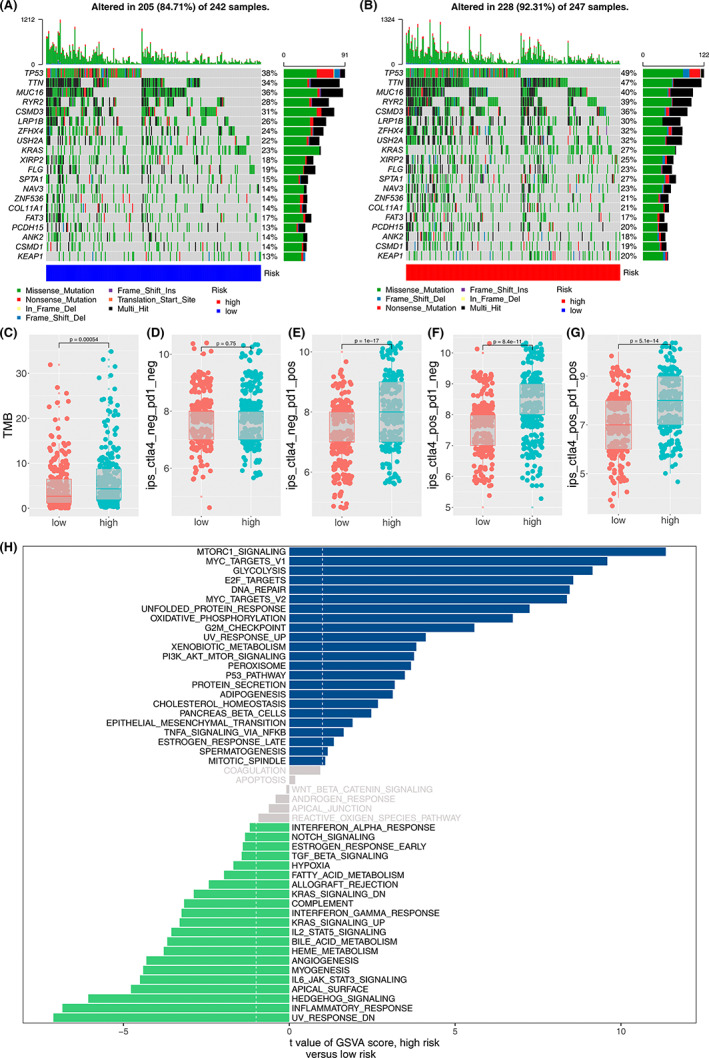
A total of 593 costimulatory molecule-related lncRNAs were extracted. After analysis, six costimulatory molecule-related lncRNAs (AC084859.1, AC079949.2, HSPC324, LINC01150, LINC01150, and AC090617.5) were screened. A prognostic model based on the six lncRNAs was established using systematic bioinformatics analyses. The prognostic model had a prognostic value in NSCLC patients. Furthermore, a prognostic nomogram was established based on clinical parameters and a risk-score model. Patients with different risk scores had considerably different tumor-infiltrating immune cells, somatic mutational loading, clinical outcomes, signaling pathways, and immunotherapy efficacy. In addition, LINC01137 was associated with unfavorable disease outcomes and fueled tumor progression in NSCLC.
Taken together, our study demonstrated that a costimulatory molecule-related lncRNA model could be a potential prognostic biomarker in NSCLC. Moreover, LINC01137 could facilitate the proliferation and invasion of lung cancer.
共刺激分子已被证明在多种癌症中发挥重要作用。然而,它们在肺癌中的作用仍不清楚。在这里,我们试图鉴定非小细胞肺癌(NSCLC)中与共刺激分子相关的长链非编码 RNA(lncRNA),并建立一个预测 NSCLC 患者预后的预后模型。
共招募了来自癌症基因组图谱(TCGA)数据库的 535 例肺腺癌(LUAD)和 502 例肺鳞癌(LUSC)患者。使用最小绝对收缩和选择算子(LASSO)算法构建了一种基于新型共刺激分子的 lncRNA 预后模型,以预测总生存期。Homo_sapiens.GRCh38 数据集被设置为探针注释的参考文件。
共提取了 593 个与共刺激分子相关的 lncRNA。经过分析,筛选出 6 个与共刺激分子相关的 lncRNA(AC084859.1、AC079949.2、HSPC324、LINC01150、LINC01150 和 AC090617.5)。使用系统生物信息学分析建立了基于这 6 个 lncRNA 的预后模型。该预后模型在 NSCLC 患者中有预后价值。此外,还基于临床参数和风险评分模型建立了预后列线图。具有不同风险评分的患者具有明显不同的肿瘤浸润免疫细胞、体细胞突变负荷、临床结局、信号通路和免疫治疗疗效。此外,LINC01137 与 NSCLC 的不良疾病结局相关,并促进肿瘤进展。
综上所述,我们的研究表明,共刺激分子相关的 lncRNA 模型可能是 NSCLC 的潜在预后生物标志物。此外,LINC01137 可促进肺癌的增殖和侵袭。