Chen Ying, Liu Yuhan, Song Yine, Zhao Shaoru, Li Bin, Sun Jingqing, Liu Lu
Department of Acupuncture and Moxibustion, Beijing Hospital of Traditional Chinese Medicine, Beijing Key Laboratory of Acupuncture Neuromodulation, Capital Medical University, Beijing, China.
Front Neurosci. 2022 Oct 20;16:1022455. doi: 10.3389/fnins.2022.1022455. eCollection 2022.
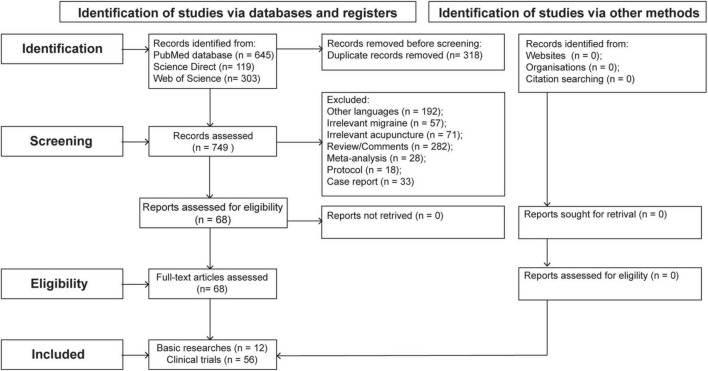
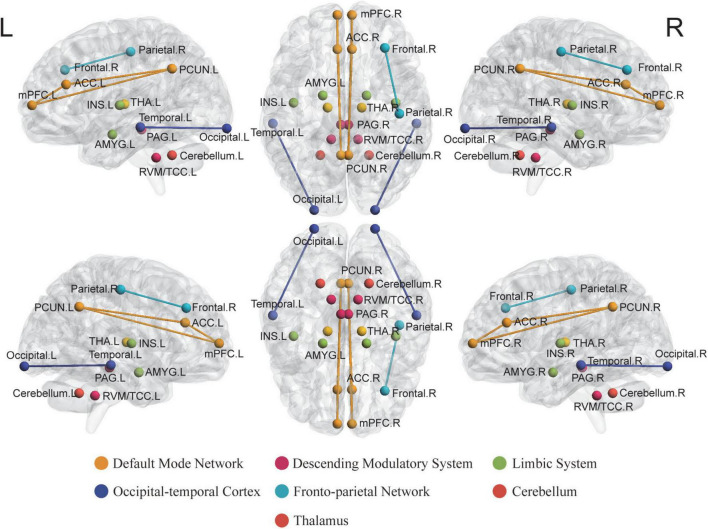
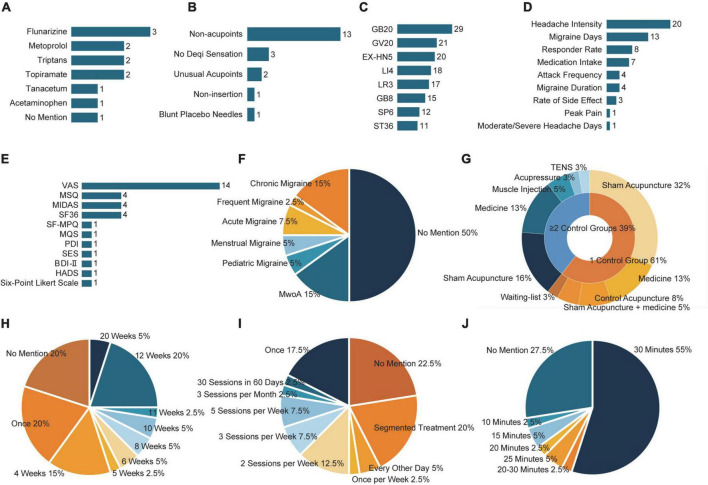
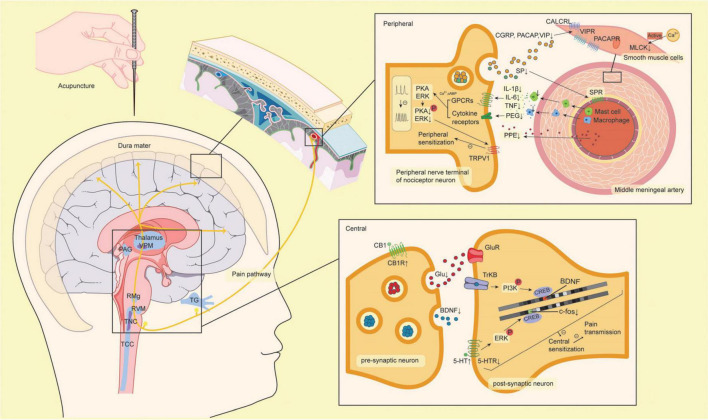
Acupuncture is commonly used as a treatment for migraines. Animal studies have suggested that acupuncture can decrease neuropeptides, immune cells, and proinflammatory and excitatory neurotransmitters, which are associated with the pathogenesis of neuroinflammation. In addition, acupuncture participates in the development of peripheral and central sensitization through modulation of the release of neuronal-sensitization-related mediators (brain-derived neurotrophic factor, glutamate), endocannabinoid system, and serotonin system activation. Clinical studies have demonstrated that acupuncture may be a beneficial migraine treatment, particularly in decreasing pain intensity, duration, emotional comorbidity, and days of acute medication intake. However, specific clinical effectiveness has not been substantiated, and the mechanisms underlying its efficacy remain obscure. With the development of biomedical and neuroimaging techniques, the neural mechanism of acupuncture in migraine has gained increasing attention. Neuroimaging studies have indicated that acupuncture may alter the abnormal functional activity and connectivity of the descending pain modulatory system, default mode network, thalamus, frontal-parietal network, occipital-temporal network, and cerebellum. Acupuncture may reduce neuroinflammation, regulate peripheral and central sensitization, and normalize abnormal brain activity, thereby preventing pain signal transmission. To summarize the effects and neural mechanisms of acupuncture in migraine, we performed a systematic review of literature about migraine and acupuncture. We summarized the characteristics of current clinical studies, including the types of participants, study designs, and clinical outcomes. The published findings from basic neuroimaging studies support the hypothesis that acupuncture alters abnormal neuroplasticity and brain activity. The benefits of acupuncture require further investigation through basic and clinical studies.
针灸常用于偏头痛的治疗。动物研究表明,针灸可减少与神经炎症发病机制相关的神经肽、免疫细胞以及促炎和兴奋性神经递质。此外,针灸通过调节神经元敏化相关介质(脑源性神经营养因子、谷氨酸)的释放、内源性大麻素系统以及血清素系统的激活,参与外周和中枢敏化的发展。临床研究表明,针灸可能是一种有益的偏头痛治疗方法,尤其是在减轻疼痛强度、持续时间、情绪共病以及急性药物摄入天数方面。然而,具体的临床疗效尚未得到证实,其疗效的潜在机制仍不清楚。随着生物医学和神经成像技术的发展,针灸治疗偏头痛的神经机制越来越受到关注。神经成像研究表明,针灸可能会改变下行疼痛调节系统、默认模式网络、丘脑、额顶叶网络、枕颞叶网络和小脑的异常功能活动和连接性。针灸可能会减轻神经炎症,调节外周和中枢敏化,并使异常的大脑活动正常化,从而防止疼痛信号的传递。为了总结针灸在偏头痛中的作用和神经机制,我们对有关偏头痛和针灸的文献进行了系统综述。我们总结了当前临床研究的特点,包括参与者类型、研究设计和临床结果。基础神经成像研究发表的结果支持了针灸改变异常神经可塑性和大脑活动这一假说。针灸的益处需要通过基础和临床研究进一步探究。